

 Preview
 Send
Send Share
Share
 Details

 Download
 Similars
 X-Ray
X-Ray Diaporama
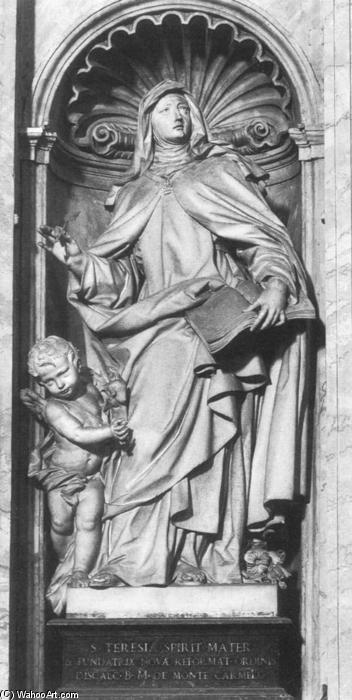
St Therese of Avila


 Read More
Purchase a high-resolution, enhanced digital image, far superior to the online preview.
Each file is meticulously prepared by our in-house specialists using advanced tools and expert manual retouching. We ensure every image has exceptional clarity, precise color accuracy, and fine detail.
The final file is delivered via email within 72 hours, optimized for immediate use in professional, editorial, and print environments. This is the same quality trusted by top-tier design studios, publishers, and galleries.
Digital Image
Download a high-resolution file for personal display, printing, and creative projects. ( Buy Print Buy Hand Made Painting)
Included in Every Digital Image Order
Expert Digital Delivery, Guaranteed
When you choose ArtsDot.com, you're not just getting an image - you're receiving a professionally enhanced digital artwork, crafted with precision and backed by a satisfaction guarantee. Here's everything that comes with your order, automatically:

Fast Email Delivery
Your high-resolution digital image file will be emailed to you within 72 hours of ordering - ready for immediate use.

AI-Enhanced Digital File
Your artwork is professionally optimized using advanced AI tools and manual editing, ensuring maximum detail, clarity, and color accuracy.

Free Lifetime Re-Delivery
Accidentally deleted or lost your file? No worries - we'll resend it to you anytime, free of charge.

No Import Fees - Ever
Enjoy your artwork instantly with zero customs, duties, or delivery fees - digital downloads are always tax-free.

Color Accuracy Guarantee
We ensure your digital image reflects the original colors as closely as possible using professional tools and color management.

60-Day Satisfaction Guarantee
If you're not satisfied with your digital image, we'll revise it or refund 100% within 60 days - no questions asked.

100% Money-Back Guarantee
Not satisfied? Get a full refund within 60 days of receiving your digital file - no questions asked.

Bulk Order Discounts
Buy 3 images, save 10% - Buy 5, save 15% - Buy 10+, save 20%. Great for creative projects, galleries, and agencies.
Collectible Description
St Therese of Avila: A Quiet Triumph of Baroque Idealism
Filippo della Valle’s sculpture of St Therese of Ávila stands as an arresting testament to the enduring power of classical ideals within the Late Baroque artistic landscape. Completed in 1754, it resides within a meticulously crafted architectural niche—a deliberate choice that amplifies its grandeur and reinforces its symbolic significance—and represents more than just a portrait; it embodies a profound meditation on faith, humility, and spiritual contemplation.
- Subject Matter: The sculpture depicts St Therese in repose, holding an open book – a gesture laden with Christian iconography representing scripture and intellectual pursuit. Beside her stands a cherubic figure offering flowers or a branch, symbolizing divine grace and the blossoming of virtue.
- Style & Technique: Della Valle’s approach aligns seamlessly with the Baroque tradition, yet subtly diverges from its theatrical excesses. Unlike the flamboyant compositions favored by contemporaries like Bernini, this piece prioritizes restraint and clarity. The sculptor skillfully employs marble—a material chosen for its luminosity and permanence—to achieve a remarkable level of detail while maintaining an overall sense of serenity.
- Historical Context: Created during a period marked by papal patronage and the ambitious architectural projects undertaken to embellish St Peter’s Basilica, Della Valle's sculpture reflects the broader artistic currents shaping Rome at the time. It was conceived as part of a series commissioned to honor saints—a genre that sought to inspire piety and elevate moral values amidst the turbulent political climate of the Enlightenment.
- Symbolism: The sculpture’s composition is deliberately symmetrical, positioning St Therese centrally within the niche – a compositional device frequently employed in Baroque art to convey stability and divine harmony. Della Valle consciously avoided mirroring Bernini's dramatic depiction of Ecstasy of Saint Teresa, opting instead for a more subdued portrayal that emphasizes inner peace and spiritual devotion. The angel’s gesture—offering flowers—represents God’s benevolent care and the nurturing influence of faith.
- Emotional Impact: Viewing Della Valle’s St Therese evokes a feeling of contemplative stillness. The sculpture's luminous marble surface captures light beautifully, creating an aura of ethereal grace that invites viewers to contemplate themes of humility, perseverance, and unwavering trust in God. It serves as a poignant reminder of the transformative power of faith—a quiet triumph of Baroque idealism.
Further research into Della Valle’s artistic influences reveals connections to Michelangelo Buonarroti and Alessandro Ludovico Borghese – artists who championed classical principles alongside expressive dynamism. This convergence underscores Della Valle's commitment to elevating art beyond mere ornamentation, aiming instead for a profound engagement with spiritual truth.
Related Artworks
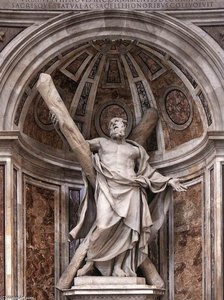
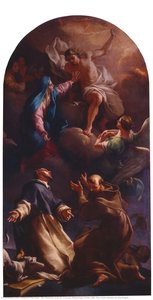
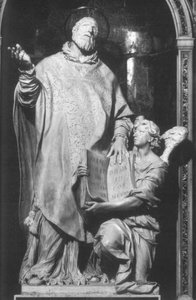
Artist Biography
The Sculptor of Roman Grandeur
Filippo della Valle stands as a pivotal figure in the artistic landscape of late Baroque and early Neoclassical Rome, remembered primarily for his contributions to monumental sculpture and his role in shaping the aesthetic sensibilities of the 18th century. Born in Florence in 1698 into an aristocratic Roman lineage, his life was destined for the heights of artistic achievement. His early years were shaped by a privileged education, deeply influenced by his father, Giovanni Battista Foggini, a celebrated sculptor who instilled in him a profound reverence for classical ideals and meticulous craftsmanship. This familial legacy provided the foundation upon which Filippo would build a career defined by both technical mastery and an intellectual pursuit of beauty.
The trajectory of della Valle’s talent took him from the Florentine workshops to the heart of Rome, where he sought to refine his skills under the guidance of masters like Camillo Rusconi. His training was not merely a matter of learning to carve marble or cast bronze; it was an immersion into a stylistic evolution. Alongside contemporaries such as Pietro Bracci and Giovanni Battista Maini, della and Valle navigated the transition from the exuberant, swirling energy of the high Baroque toward a more restrained, balanced approach. This period of his life was marked by a growing fascination with the clarity and harmony found in ancient Roman art, a passion that would eventually lead him to become a respected director of the Academy of St. Luke.
A Mastery of Form and Spirit
The work of Filippo della Valle is characterized by a unique ability to convey profound emotion through a lens of classical grace. While his early influences leaned toward the dramatic, his mature style embraced a certain Neoclassical restraint, favoring balanced proportions and a serene clarity that avoided the excessive ornamentation of previous eras. This duality allowed him to create works that felt both spiritually uplifting and physically monumental. His sculptural reliefs, such as the celebrated Annunciation for the church of Sant'Ignazio, demonstrate a sophisticated command over depth and light, utilizing a flatter, more controlled relief technique that emphasized elegance over raw movement.
His versatility extended across various mediums and subjects, from the delicate rendering of religious figures to the imposing presence of papal portraiture. Some of his most notable achievements include:
- The Bust of Pope Clement XII: A masterful bronze work that captures the solemnity and divine authority of the papacy through detailed textures and a commanding posture.
- St. Thérèse of Ávila: A breathtaking marble sculpture that exemplifies his ability to infuse stone with spiritual contemplation and soft, lifelike grace.
- The Trevi Fountain Contributions: His collaborative work on this iconic Roman landmark, specifically the allegorical statues of Health and Abundance, which helped define the fountain's narrative grandeur.
Legacy in Stone and Spirit
Beyond his individual masterpieces, Filippo della Valle’s historical significance lies in his role as a bridge between two monumental eras of art history. He lived through the twilight of the Baroque fervor and the dawn of Neoclassicism, acting as a conduit for the transition from emotional excess to structured harmony. His intellectual curiosity regarding antiquities and his dedication to the principles of balance helped prepare the Roman artistic community for the coming century of classical revival. Through his work in public spaces, churches, and private collections, he left an indelible mark on the very fabric of Rome, ensuring that his vision of grandeur would endure long after the chisel had fallen silent.
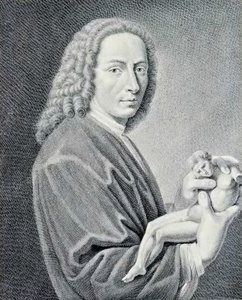
Filippo della Valle
1698 - 1768 , Italy
Quick Facts
- Artistic Movement Or Style: Baroque & Neoclassical Sculpture
- Artists Or Movements Influenced By This Artist: ['Diego Della Valle']
- Artists Who Influenced This Artist: ['Giovanni Battista Foggini']
- Date Of Birth: Florence, Italy (1698)
- Date Of Death: 1768
- Full Name: Filippo della Valle
- Nationality: Italian
- Notable Artworks:
- Annuciation
- Temperance
- Diegos Bust
- Place Of Birth: Florence

