

 Preview
 Send
Send Share
Share
 Details

 Download
 Similars
 X-Ray
X-Ray Diaporama
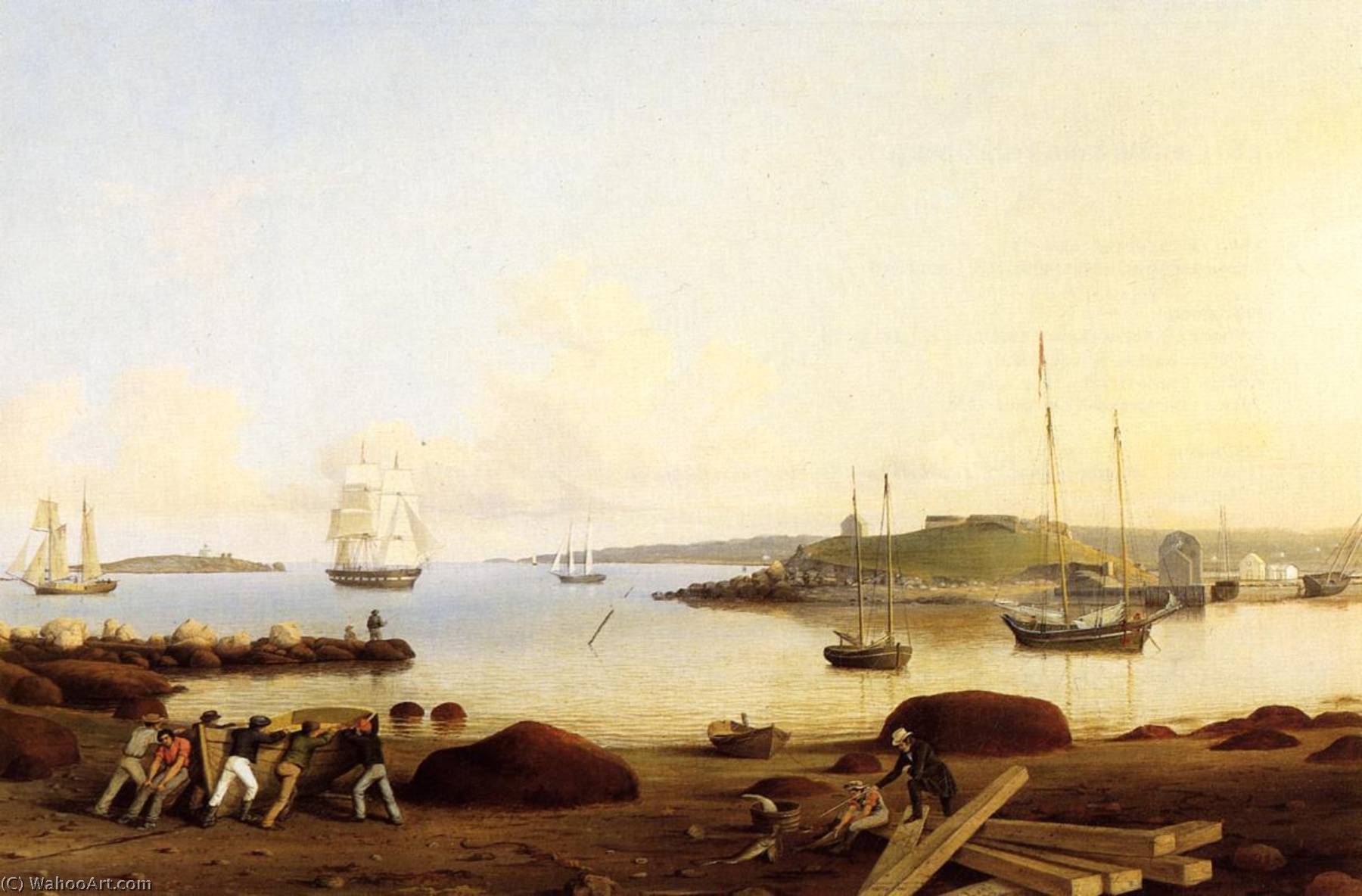
The Fort and Ten Pound Island, Gloucester, Massachusetts
 Oil On Canvas
- WallArt
- Luminism
 1847
1847 50.0 x 75.0 cm
 Museo Thyssen
 Read More
Purchase a high-resolution, enhanced digital image, far superior to the online preview.
Each file is meticulously prepared by our in-house specialists using advanced tools and expert manual retouching. We ensure every image has exceptional clarity, precise color accuracy, and fine detail.
The final file is delivered via email within 72 hours, optimized for immediate use in professional, editorial, and print environments. This is the same quality trusted by top-tier design studios, publishers, and galleries.
Digital Image
Download a high-resolution file for personal display, printing, and creative projects. ( Buy Print Buy Hand Made Painting)
Included in Every Digital Image Order
Expert Digital Delivery, Guaranteed
When you choose ArtsDot.com, you're not just getting an image - you're receiving a professionally enhanced digital artwork, crafted with precision and backed by a satisfaction guarantee. Here's everything that comes with your order, automatically:

Fast Email Delivery
Your high-resolution digital image file will be emailed to you within 72 hours of ordering - ready for immediate use.

AI-Enhanced Digital File
Your artwork is professionally optimized using advanced AI tools and manual editing, ensuring maximum detail, clarity, and color accuracy.

Free Lifetime Re-Delivery
Accidentally deleted or lost your file? No worries - we'll resend it to you anytime, free of charge.

No Import Fees - Ever
Enjoy your artwork instantly with zero customs, duties, or delivery fees - digital downloads are always tax-free.

Color Accuracy Guarantee
We ensure your digital image reflects the original colors as closely as possible using professional tools and color management.

60-Day Satisfaction Guarantee
If you're not satisfied with your digital image, we'll revise it or refund 100% within 60 days - no questions asked.

100% Money-Back Guarantee
Not satisfied? Get a full refund within 60 days of receiving your digital file - no questions asked.

Bulk Order Discounts
Buy 3 images, save 10% - Buy 5, save 15% - Buy 10+, save 20%. Great for creative projects, galleries, and agencies.
Collectible Description
A Glimpse of Maritime Life: Fitz Henry Lane's Coastal Masterpiece
Fitz Henry Lane’s “The Fort and Ten Pound Island, Gloucester, Massachusetts” (1847) isn’t merely a depiction of a harbor scene; it’s a carefully constructed tableau that breathes with the spirit of 19th-century New England. This painting offers a profound meditation on industry, tranquility, and the enduring connection between humanity and the sea – a subject deeply resonant for ArtsDot.com's patrons seeking authentic artistic experiences.

The scene unfolds with a remarkable sense of realism, achieved through Lane’s meticulous attention to detail and his mastery of oil paint. We are presented with a bustling harbor dominated by the imposing presence of the Fort and Ten Pound Island lighthouse, a vital beacon for maritime navigation. A cluster of laborers diligently work on constructing a wooden structure along the rocky shoreline – their activity suggesting both the practical demands of coastal life and the rhythms of seasonal labor. The boats scattered across the water, rendered with impressive texture and depth, speak to Gloucester’s thriving fishing industry.
Luminism and the Language of Light
Lane's style firmly places him within the Luminist movement, a trend characterized by its emphasis on capturing fleeting moments of light and atmosphere. Notice how he employs subtle gradations of color to create an ethereal quality, particularly in the shimmering surface of the water. The lighting is natural, casting long shadows that imbue the scene with depth and volume – it’s not dramatic or theatrical, but rather a quiet observation of the interplay between sunlight and shadow. This technique, combined with his use of linear recession—the way lines converge to create a sense of distance—draws the viewer's eye seamlessly from the foreground details to the distant horizon.
The color palette is restrained yet evocative, dominated by earthy tones – browns, grays, and ochres – punctuated by the blues and greens of the sea. This muted approach allows Lane’s skill in rendering texture to truly shine; you can almost feel the roughness of the rocks beneath your feet, the tautness of the sails, and the weathered wood of the buildings.
A Window into Gloucester's Past
Born in Gloucester, Massachusetts, in 1804, Fitz Henry Lane’s life was inextricably linked to the maritime world. His father was a sailmaker, and this upbringing profoundly shaped his artistic vision. The painting offers a glimpse into the daily lives of Gloucester’s inhabitants during the mid-19th century – a time when coastal communities relied heavily on fishing and shipbuilding. The presence of the lighthouse itself is significant; it served not only as a navigational aid but also as a symbol of safety and resilience for those at sea.
Interestingly, Lane’s name was changed from Nathaniel Rogers Lane to Fitz Henry Lane in 1832 – a detail that adds an intriguing layer of mystery to his biography. His work reflects the quiet dignity and stoic endurance of the people who called this rugged coastline home. The Fort and Ten Pound Island scene is more than just a landscape; it’s a testament to their connection with the sea, their industry, and their enduring spirit.
Bringing Lane's Vision Home
ArtsDot.com offers meticulously crafted hand-painted reproductions of “The Fort and Ten Pound Island,” allowing you to bring this captivating scene into your home or office. Our reproductions faithfully capture the painting’s luminosity, detail, and emotional resonance, ensuring that you experience Lane's artistry as he intended. Whether you are an art collector, a design enthusiast, or simply someone who appreciates beautiful imagery, our reproduction provides a stunning tribute to this iconic work of American Luminism.
Related Artworks
Artist Biography
Early Life and Circumstances
- Born: December 19, 1804, Gloucester, Massachusetts
- Died: August 14, 1865, Gloucester, Massachusetts
- Full Name: Nathaniel Rogers Lane (legally changed to Fitz Henry Lane in 1832)
- Movement: Luminism
Artistic Development and Training
- Lithography Experience: Worked as a lithographer at Pendleton’s Lithography Shop in Boston from 1832 to 1847.
- Early Works: Watercolor "Burning of the Packet Ship 'Boston'" demonstrates developing skill but less refined style than later works.
Style and Major Works: The Luminist Master
Lane is recognized as a leading figure in the Luminist movement, characterized by its emphasis on capturing atmospheric effects, particularly light reflecting on water. His paintings are known for their clarity, precision, and serene depiction of coastal scenes.- Key Characteristics of Lane's Style:
- Atmospheric Perspective: Masterful use of aerial perspective to create a sense of depth and distance.
- Detailed Observation: Meticulous attention to detail in depicting ships, buildings, and landscapes.
- Luminous Light Effects: Capturing the subtle nuances of light and its reflection on water with remarkable accuracy.
- Notable Works:
- "Entrance to Somes Sound from Southwest Harbor" (1852) – exemplifies his ability to capture the tranquility of coastal landscapes.
- "The Fort and Ten Pound Island, Gloucester, Massachusetts" (1847) - showcases a detailed depiction of local landmarks.
- “Lumber Schooners at Evening on Penobscot Bay” (1860) – demonstrates his skill in portraying dramatic lighting conditions.
- "Camden Mountains from the South Entrance to the Harbor" (1859) - captures a picturesque coastal scene with striking clarity.
- “Merchant Brig under Reefed Topsails” (1863)
- “Light House at Camden, Maine” (1851)
- “The Westen Shore with Norman's Woe” (1862)
Legacy and Historical Significance
Fitz Henry Lane’s work gained recognition during his lifetime, though his reputation has grown significantly in the 20th and 21st centuries. He is now considered one of the most important American Luminist painters, celebrated for his unique ability to capture the beauty and tranquility of New England's coastal landscapes. Lane’s paintings offer a valuable historical record of maritime life in 19th-century Gloucester and other coastal communities. His meticulous attention to detail and masterful use of light continue to inspire artists and captivate audiences today, solidifying his place as a significant figure in American art history.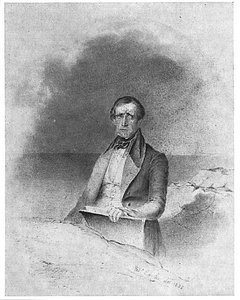
Fitz Henry Lane
1804 - 1865 , United States of America
Quick Facts
- Artistic Movement Or Style: Luminism
- Date Of Birth: December 19, 1804
- Date Of Death: August 14, 1865
- Full Name: Nathaniel Rogers Lane (Fitz Henry Lane)
- Nationality: American
- Notable Artworks:
- Entrance to Somes Sound
- The Fort and Ten Pound Island
- Lumber Schooners at Evening
- Camden Mountains from the South
- Merchant Brig under Reefed Topsails
- Light House at Camden, Maine
- The Westen Shore with Norman's Woe
- Place Of Birth: Gloucester, United States

