 Preview
 Send
Send Share
Share
 Details

 Download
 Similars
 X-Ray
X-Ray Diaporama
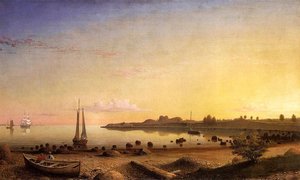
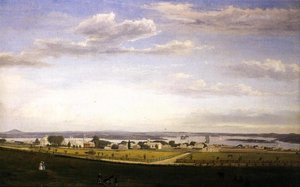
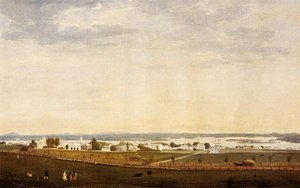
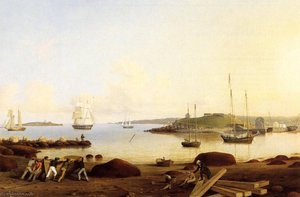
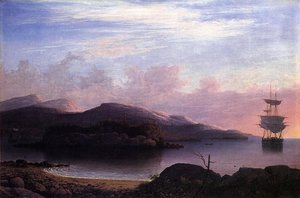
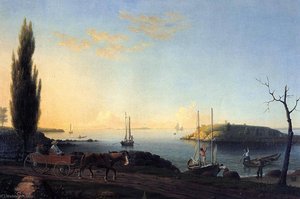
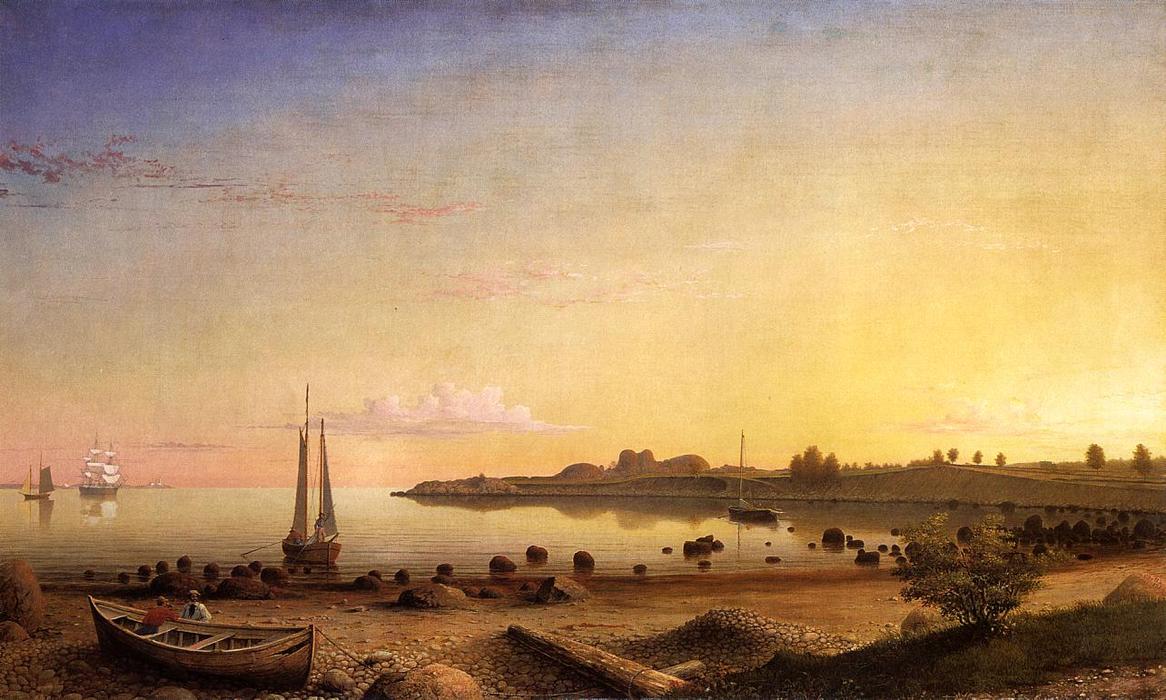
Stage Fort across Gloucester Harbor


 Read More
Hand Made Oil Reproduction
Hand-painted oil on canvas in your size and frame, made to order by our artists. ( Buy Print Buy Image)




P118B $10

P118H $10

P118W $10

P438Z $10

P508JH $12

P508YH $12

P805H $10

P805Z $10

P919BZ $10

P919G $10

P919XJ $10

P959ZH $10

P968JZ $12

W106C $8

W218G $10

W218JH $8

W218Y $10

W307PJ $10

W316G $10

W316PJ $8

W316Y $10

W398PJ $8

W4111J $10

W500HY $15

W500JH $15

W692G $12

W849H $8

W940BG $15

W953PJ $8




Pick from our preset sizes that match the artwork's original proportions.

You may enter your own dimensions to fit a specific frame or space. If your selected size does not match the original image's proportions, we will either crop the artwork or extend the painting with additional hand-painted elements. A digital mockup will be sent for your approval before production begins.
Please note that the on-screen preview does not reflect the actual cropping or extension. Only the mockup will accurately show the final composition.
While custom sizes are available, we recommend selecting a dimension from the predefined list to preserve the original proportions.
After order, ArtsDot.com team will email client for instructions and provide a mockup preview
Worldwide Delivery () in 3/4 weeks instead of standard 5 weeks. (16 August). No compromise on quality.

Free Worldwide Express Shipping

High-Quality Linen Canvas

Full Shipping Insurance

Customs Tax Refund Guarantee

True Color Matching Guarantee

60-Day Return Policy (Defects Only)

100% Money-Back Guarantee

Bulk Discount Offer
 Glass option is only available in size under 110 CM

Stage Fort across Gloucester Harbor
Reproduction Medium
Reproduction Size
-


Total Price
$ 263
Artwork Description
Fitz Henry Lane’s Serene Harbor Nocturne
The painting “Stage Fort across Gloucester Harbor,” executed by Fitz Henry Lane in 1862, stands as a quintessential example of Luminism—a movement that championed atmospheric perspective and subdued tonal ranges to convey mood and emotion rather than detailed realism. Located at The Metropolitan Museum of Art (https://www.metmuseum.org/art/collection/search/11396), this artwork offers more than just a picturesque depiction of Gloucester Harbor; it embodies the spirit of its time and speaks to enduring themes of tranquility and contemplation. Lane’s formative years were deeply rooted in the rugged coastal landscape of Massachusetts, specifically Gloucester—a town renowned for its thriving fishing industry and seafaring heritage. His father, Jonathan Dennison Lane, instilled in him a profound appreciation for maritime life from childhood, shaping his artistic sensibilities profoundly. Notably, Lane suffered from paralysis due to polio as a young man, restricting his mobility and prompting him to find solace in creative pursuits—a circumstance that arguably fueled his dedication to capturing the beauty of nature with remarkable precision. Initially apprenticed in shoe-making, he swiftly transitioned to drawing, demonstrating an innate talent that would propel him toward a distinguished artistic career. The deliberate renaming from Nathaniel Rogers Lane to Fitz Henry Lane in 1832 remains shrouded in speculation, though it underscores his commitment to establishing a singular professional identity. Lane’s Luminist style is characterized by its masterful use of light and shadow—a technique he honed with meticulous care. Unlike Impressionists who sought to capture fleeting moments of color and movement, Luminists prioritized conveying the overarching atmosphere of a scene. In “Stage Fort across Gloucester Harbor,” Lane achieves this goal through subtle gradations of tone, skillfully blending hues of ochre, umber, and ivory white to create an illusion of depth and luminosity. The muted palette reflects the quiet beauty of dusk—the harbor bathed in the fading glow of sunset—and invites viewers into a meditative state. The artist’s brushstrokes are deliberate yet understated, emphasizing texture rather than intricate detail. This approach lends the painting an ethereal quality, mirroring the stillness of the water and the distant silhouettes of boats against the darkening sky. The historical context surrounding Lane's creation of this piece is equally significant. Gloucester Harbor was a focal point for American maritime commerce during the mid-19th century, representing prosperity and connection to the wider world. However, beneath the veneer of economic success lay anxieties about industrialization and societal change—themes subtly alluded to in the painting’s contemplative mood. The inclusion of two figures on the shore serves as a poignant reminder of human presence within the grandeur of nature—a juxtaposition that encourages reflection on our relationship with the environment. Furthermore, the stage fort itself – a defensive structure built during the Civil War – symbolizes resilience and steadfastness against adversity; its prominent position in the composition reinforces this symbolic resonance. Ultimately, “Stage Fort across Gloucester Harbor” transcends mere visual representation. It evokes a profound sense of peace and serenity—a feeling that resonates deeply with viewers today. Lane’s ability to distill complex emotions into simple forms exemplifies Luminism's core aesthetic principles. The painting’s enduring appeal lies in its capacity to transport us back to a bygone era while simultaneously capturing the timeless beauty of Gloucester Harbor at dusk—a testament to Fitz Henry Lane’s artistic genius and his unwavering devotion to portraying the sublime qualities of the natural world.Related Artworks
Artist Biography
Early Life and Circumstances
- Born: December 19, 1804, Gloucester, Massachusetts
- Died: August 14, 1865, Gloucester, Massachusetts
- Full Name: Nathaniel Rogers Lane (legally changed to Fitz Henry Lane in 1832)
- Movement: Luminism
Artistic Development and Training
- Lithography Experience: Worked as a lithographer at Pendleton’s Lithography Shop in Boston from 1832 to 1847.
- Early Works: Watercolor "Burning of the Packet Ship 'Boston'" demonstrates developing skill but less refined style than later works.
Style and Major Works: The Luminist Master
Lane is recognized as a leading figure in the Luminist movement, characterized by its emphasis on capturing atmospheric effects, particularly light reflecting on water. His paintings are known for their clarity, precision, and serene depiction of coastal scenes.- Key Characteristics of Lane's Style:
- Atmospheric Perspective: Masterful use of aerial perspective to create a sense of depth and distance.
- Detailed Observation: Meticulous attention to detail in depicting ships, buildings, and landscapes.
- Luminous Light Effects: Capturing the subtle nuances of light and its reflection on water with remarkable accuracy.
- Notable Works:
- "Entrance to Somes Sound from Southwest Harbor" (1852) – exemplifies his ability to capture the tranquility of coastal landscapes.
- "The Fort and Ten Pound Island, Gloucester, Massachusetts" (1847) - showcases a detailed depiction of local landmarks.
- “Lumber Schooners at Evening on Penobscot Bay” (1860) – demonstrates his skill in portraying dramatic lighting conditions.
- "Camden Mountains from the South Entrance to the Harbor" (1859) - captures a picturesque coastal scene with striking clarity.
- “Merchant Brig under Reefed Topsails” (1863)
- “Light House at Camden, Maine” (1851)
- “The Westen Shore with Norman's Woe” (1862)
Legacy and Historical Significance
Fitz Henry Lane’s work gained recognition during his lifetime, though his reputation has grown significantly in the 20th and 21st centuries. He is now considered one of the most important American Luminist painters, celebrated for his unique ability to capture the beauty and tranquility of New England's coastal landscapes. Lane’s paintings offer a valuable historical record of maritime life in 19th-century Gloucester and other coastal communities. His meticulous attention to detail and masterful use of light continue to inspire artists and captivate audiences today, solidifying his place as a significant figure in American art history.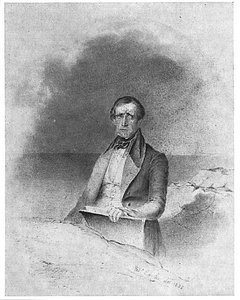
Fitz Henry Lane
1804 - 1865 , United States of America
Quick Facts
- Artistic Movement Or Style: Luminism
- Date Of Birth: December 19, 1804
- Date Of Death: August 14, 1865
- Full Name: Nathaniel Rogers Lane (Fitz Henry Lane)
- Nationality: American
- Notable Artworks:
- Entrance to Somes Sound
- The Fort and Ten Pound Island
- Lumber Schooners at Evening
- Camden Mountains from the South
- Merchant Brig under Reefed Topsails
- Light House at Camden, Maine
- The Westen Shore with Norman's Woe
- Place Of Birth: Gloucester, United States
Related Articles
Fitz Henry Lane: Luminosity, Landscape & the American Maritime Tradition – A Collector’s Insight
Explore the luminous world of Fitz Henry Lane, a master of American maritime painting & Luminism. Discover his legacy, techniques, and investment potential for discerning art collectors. Expert insights at ArtsDot.
Henri Matisse's Masterpieces: Explore 25 Iconic Paintings & Art Decor Ideas
Journey through Henri Matisse's 25 most iconic paintings! Explore Fauvism, vibrant colors & the stories behind masterpieces like 'The Dance'. Find museum-quality art reproductions and curated decor ideas to elevate your space. Discover all masterpieces on ArtsDot.com.
Golden Hours: Sunset Motifs in Western Art History
Explore the captivating history of sunset motifs in Western art! Discover iconic paintings by Monet, Van Gogh & Kuindzhi. Learn about Romanticism, Impressionism & collecting these timeless masterpieces. Expert insights at ArtsDot.
Robert W. Salmon: Navigating the Currents of Maritime Painting & American Realism
Explore the captivating maritime paintings of Robert W. Salmon, a pioneer of American Luminism. Discover his Boston Harbor scenes, legacy, and collecting guide at ArtsDot.
Fauvism's Boldest Visions: 10 Masterpieces That Revolutionized Modern Art | ArtsDot
Explore 10 Fauvist masterpieces by Matisse, Derain & Vlaminck that ignited Modern Art! Discover bold colors, expressionist landscapes & the history of this revolutionary movement. Find museum-quality prints at ArtsDot.com.