 Preview
 Send
Send Share
Share
 Details

 Download
 Similars
 X-Ray
X-Ray Diaporama
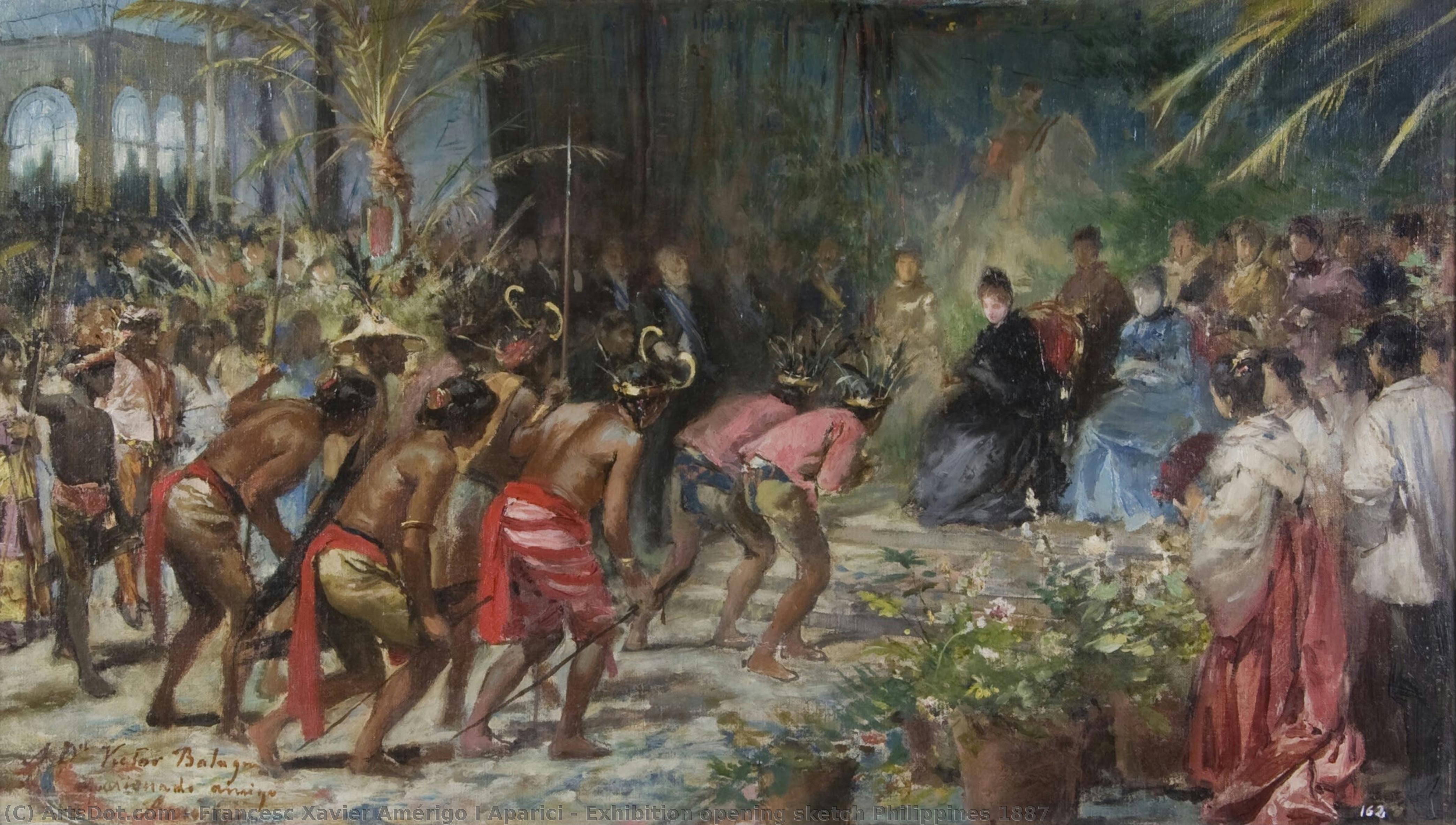
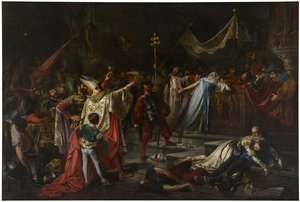
Exhibition opening sketch Philippines 1887


 Read More
Hand Made Oil Reproduction
Hand-painted oil on canvas in your size and frame, made to order by our artists. ( Buy Print Buy Image)




































Pick from our preset sizes that match the artwork's original proportions.

You may enter your own dimensions to fit a specific frame or space. If your selected size does not match the original image's proportions, we will either crop the artwork or extend the painting with additional hand-painted elements. A digital mockup will be sent for your approval before production begins.
Please note that the on-screen preview does not reflect the actual cropping or extension. Only the mockup will accurately show the final composition.
While custom sizes are available, we recommend selecting a dimension from the predefined list to preserve the original proportions.
After order, ArtsDot.com team will email client for instructions and provide a mockup preview
Worldwide Delivery () in 3/4 weeks instead of standard 5 weeks. (3 September). No compromise on quality.

Free Worldwide Express Shipping

High-Quality Linen Canvas

Full Shipping Insurance

Customs Tax Refund Guarantee

True Color Matching Guarantee

60-Day Return Policy (Defects Only)

100% Money-Back Guarantee

Bulk Discount Offer
 Glass option is only available in size under 110 CM

Exhibition opening sketch Philippines 1887
Reproduction Medium
Reproduction Size
-


Total Price
$ 388
Related Artworks
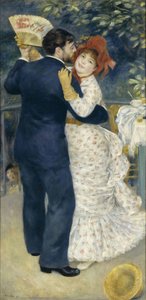
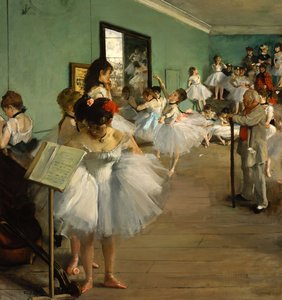
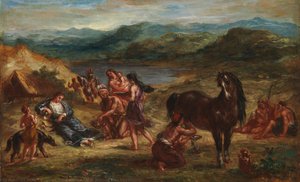
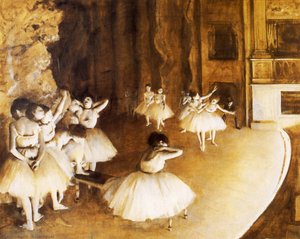
Artist Biography
Francesc Xavier Amérigo i Aparici: A Master of Spanish Realism and Theatrical Vision
Born in Valencia, Spain, in 1842, Francesc Xavier Amérigo i Aparici emerged as a significant figure in 19th-century Spanish art. His journey began at the Real Academia de Bellas Artes de San Carlos in Valencia, where he received his foundational training under the guidance of Francisco Martínez yago. This early immersion instilled within him a dedication to traditional techniques and a deep appreciation for the historical narrative – qualities that would become hallmarks of his distinctive style. Amérigo’s artistic development was further shaped by experiences in Rome, where he encountered the influences of Eduardo Rosales and Mariano Fortuny, absorbing their approaches to composition, color, and dramatic lighting. These encounters broadened his perspective and contributed to a sophisticated understanding of artistic expression.
Amérigo's early career demonstrated considerable promise, culminating in a medal awarded at an exhibition in Alicante in 1860. However, it was his later works that truly cemented his reputation. He possessed a remarkable ability to capture the essence of historical events with meticulous detail and a palpable sense of realism. This talent is vividly illustrated in “Good Friday at the Colosseum in Rome,” a powerful depiction of religious fervor and human drama, which earned him a second-class prize at the National Exhibition of Fine Arts in 1876. His painting "The Sack of Rome," presented in 1877, further showcased his skill, receiving a first prize and serving as a tribute to his friend, the esteemed politician and author Víctor Balaguer. These works exemplify Amérigo’s commitment to portraying historical scenes with both accuracy and emotional resonance.
Theatrical Design and Artistic Versatility
Beyond his celebrated historical paintings, Amérigo i Aparici demonstrated a remarkable versatility as an artist. He wasn't solely focused on grand narratives of the past; he also embraced religious subjects, skillfully capturing the spiritual essence within each composition. Furthermore, he significantly contributed to the cultural landscape of Madrid through his designs for the Teatro Martín. His theatrical settings were not merely decorative but integral elements of the productions, demonstrating a keen understanding of stagecraft and visual storytelling. This ability to seamlessly transition between historical painting, religious art, and theatrical design highlights the breadth of Amérigo’s artistic talent and his engagement with diverse creative disciplines.
A Style Defined by Detail and Realism
Amérigo's artistic style is characterized by a meticulous attention to detail and a commitment to realism. His works are imbued with a sense of immediacy, as if the viewer were witnessing events unfold before their eyes. This approach was undoubtedly influenced by his training within the established Spanish art academies, which emphasized technical proficiency and adherence to classical principles. However, Amérigo’s work transcends mere imitation; he skillfully blended traditional techniques with a personal vision, creating images that are both historically accurate and emotionally engaging. The use of light and shadow, color palettes, and composition all contribute to the overall impact of his paintings, drawing the viewer into the heart of each scene.
Legacy and Notable Works
Throughout his career, Amérigo i Aparici produced a substantial body of work that continues to be appreciated for its historical accuracy, artistic skill, and evocative power. Beyond “Good Friday at the Colosseum” and "The Sack of Rome," other notable works include pieces depicting scenes from Spanish history and religious narratives. His dedication to capturing the spirit of his subjects—whether they were figures from the past or representations of faith—solidified his place as a prominent artist in Spain during the late 19th century. His influence can be seen in subsequent generations of Spanish painters, and his works remain valuable examples of realist historical painting. The “Right of Asylum,” awarded first prize at the national exhibition in 1892, stands as a testament to his enduring artistic merit.
For further exploration of Francesc Xavier Amérigo i Aparici’s life and work, please visit https://ArtsDot.com/@/francesc-xavier-amerigo-i-aparici.
francesc xavier amérigo i aparici
1842 - 1912 , Spain
Quick Facts
- Artistic Movement Or Style: Historical realism
- Artists Or Movements Influenced By This Artist:
- Victorian art
- Spanish painting
- Artists Who Influenced This Artist:
- Francisco Martínez yago
- Eduardo Rosales
- Mariano Fortuny
- Date Of Birth: 1842 Valencia, Spain
- Date Of Death: 1912 Madrid, Spain
- Full Name: Francisco Xavier Amérigo i Aparici
- Nationality: Spanish
- Notable Artworks:
- Good Friday at the Colosseum
- Sack of Rome
- Right of Asylum
- Place Of Birth: Valencia, Spain
Related Articles
Impressionistic Realism's Finest: 10 Masterpieces for Your Home | ArtsDot
Journey through Impressionistic Realism with 10 iconic masterpieces by Monet, Renoir & Van Gogh. Explore art history, techniques & find museum-quality reproductions for your home at ArtsDot.com. Discover all masterpieces online!
Romantic Realism's Finest: 10 Masterpieces for Your Home | ArtsDot
Explore 10 defining masterpieces of Romantic Realism! Discover Courbet, Millet & Daumier's powerful paintings—capturing emotion and social realities. Find museum-quality reproductions for your home at ArtsDot.com.
Renoir's Masterpieces: Explore 25 Iconic Paintings & Bring Art Home | ArtsDot
Explore 25 iconic Pierre-Auguste Renoir paintings! Discover the stories behind Impressionist masterpieces like 'Dance at Le Moulin de la Galette' & 'Luncheon of the Boating Party'. Find museum-quality art reproductions and elevate your home decor with ArtsDot.com.
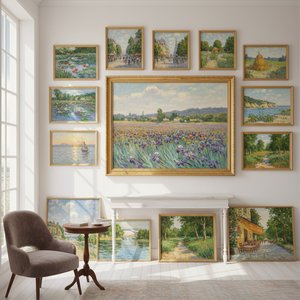
Impressionist Landscapes: 10 Masterpieces for Your Home | ArtsDot
Journey through 10 iconic Impressionist landscapes by Monet, Renoir & Degas. Explore the history, techniques & emotions behind these masterpieces. Find museum-quality reproductions for your home at ArtsDot.com – where art comes to life! Discover all masterpieces on ArtsDot.com
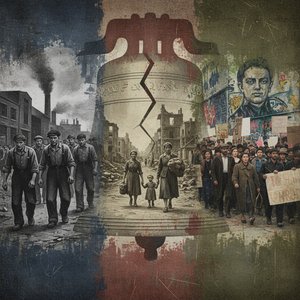
Echoes of Society: Exploring Social Realism's Enduring Legacy in Art
Explore the powerful world of Social Realism art! Discover key artists, masterpieces & its profound social commentary. Expert insights into this influential movement's history and enduring legacy.