 Preview
 Send
Send Share
Share
 Details

 Download
 Similars
 X-Ray
X-Ray Diaporama
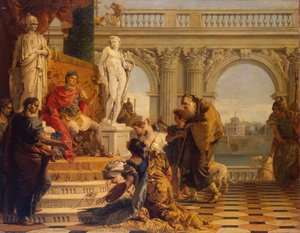
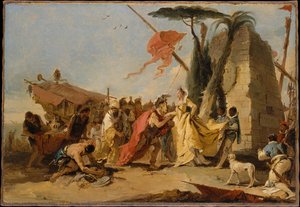
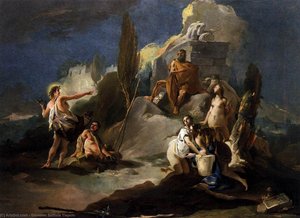
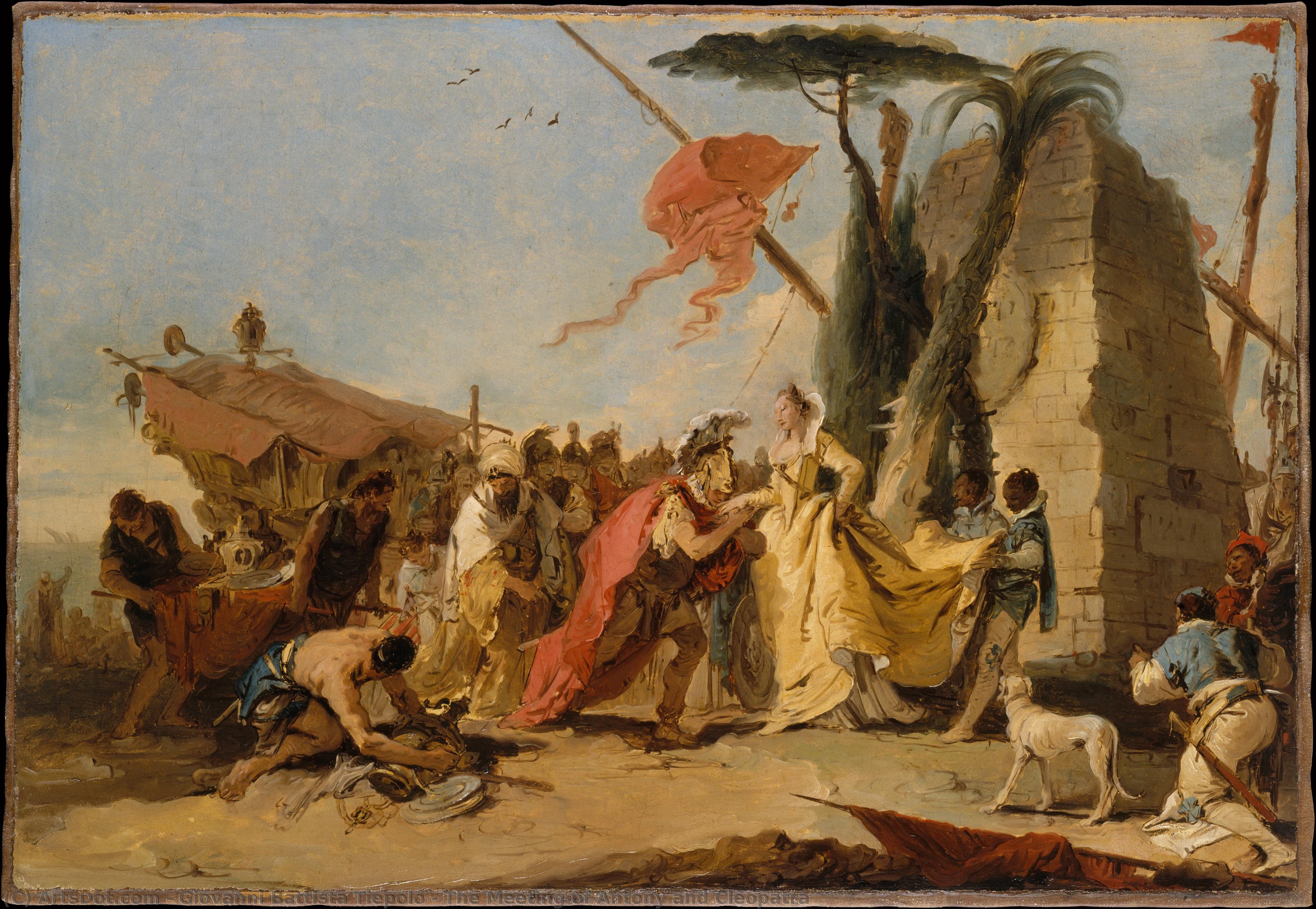
The Meeting of Antony and Cleopatra
 Oil On Canvas
- WallArt
- Rococo
 1745
1745 46.0 x 67.0 cm
 Metropolitan Museum of Art
 Read More
Hand Made Oil Reproduction
Hand-painted oil on canvas in your size and frame, made to order by our artists. ( Buy Print Buy Image)




P118B $10

P118H $10

P118W $10

P438Z $10

P508JH $12

P508YH $12

P805H $10

P805Z $10

P919BZ $10

P919G $10

P919XJ $10

P959ZH $10

P968JZ $12

W106C $8

W218G $10

W218JH $8

W218Y $10

W307PJ $10

W316G $10

W316PJ $8

W316Y $10

W398PJ $8

W4111J $10

W500HY $15

W500JH $15

W692G $12

W849H $8

W940BG $15

W953PJ $8




Pick from our preset sizes that match the artwork's original proportions.

You may enter your own dimensions to fit a specific frame or space. If your selected size does not match the original image's proportions, we will either crop the artwork or extend the painting with additional hand-painted elements. A digital mockup will be sent for your approval before production begins.
Please note that the on-screen preview does not reflect the actual cropping or extension. Only the mockup will accurately show the final composition.
While custom sizes are available, we recommend selecting a dimension from the predefined list to preserve the original proportions.
After order, ArtsDot.com team will email client for instructions and provide a mockup preview
Worldwide Delivery () in 3/4 weeks instead of standard 5 weeks. (16 August). No compromise on quality.

Free Worldwide Express Shipping

High-Quality Linen Canvas

Full Shipping Insurance

Customs Tax Refund Guarantee

True Color Matching Guarantee

60-Day Return Policy (Defects Only)

100% Money-Back Guarantee

Bulk Discount Offer
 Glass option is only available in size under 110 CM

The Meeting of Antony and Cleopatra
Reproduction Medium
Reproduction Size
-


Total Price
$ 263
Artwork Description
A Dramatic Encounter: The Genesis of a Venetian Legend
Giambattista Tiepolo’s “The Meeting of Antony and Cleopatra,” painted in 1745-47, isn't merely a historical depiction; it’s a vibrant distillation of Roman drama, Egyptian allure, and the burgeoning Rococo aesthetic that defined Venice at the time. Commissioned by the French art patron Abbé de Saint-Non, this oil sketch – remarkably alive with color and movement – captures a pivotal moment from Plutarch's timeless tale: the clandestine rendezvous between the Roman general Mark Antony and the last queen of Egypt, Cleopatra. It’s a scene brimming with unspoken desire, political intrigue, and the intoxicating promise of an impossible love story, rendered with Tiepolo’s signature blend of theatrical grandeur and effortless grace.
The painting immediately draws the eye to its central figures – Antony and Cleopatra – positioned within a richly appointed interior, hinting at a luxurious palace setting. Notice how Tiepolo subtly shifts the narrative from a straightforward historical scene into something far more emotionally charged. The stark contrast between the formal Roman attire of Antony and the exotic elegance of Cleopatra’s gown—a shimmering cascade of gold and purple—underscores their disparate worlds colliding. The inclusion of attendants, both black and European in dress, further emphasizes this cultural divide, creating a visual tension that fuels the drama.
Technique and Style: A Dance of Light and Color
Tiepolo’s masterful technique is immediately apparent. He employs a rapid, almost frenetic brushstroke – a hallmark of his style – to create an illusion of movement and immediacy. The composition feels dynamic, as if the scene is unfolding before our eyes. Observe how he utilizes light with astonishing skill, bathing the figures in a warm, golden glow that highlights their features and adds depth to the space. This masterful manipulation of chiaroscuro—the contrast between light and dark—is characteristic of Venetian painting and contributes significantly to the work’s dramatic effect.
The sketch-like quality of this particular version is particularly noteworthy. Tiepolo created it as a preliminary study for a much larger fresco, intended for the Palazzo Labia in Venice. This preparatory drawing reveals his working process – a rapid layering of color and form designed to capture the essence of the scene before committing it to a monumental scale. The loose brushwork and visible underdrawings lend an intimacy and immediacy that’s rarely seen in finished works, offering a rare glimpse into the artist's creative mind.
Symbolism and Historical Context
Beyond the immediate narrative of Antony and Cleopatra’s romance, the painting is rich with symbolic meaning. The presence of the dog and sheep – seemingly incongruous details – can be interpreted as reminders of the earthly realm, grounding the fantastical love story in a tangible reality. Cleopatra's European features, a deliberate departure from traditional Egyptian portrayals, reflect the influence of Italian art and fashion during Tiepolo’s time. This subtle shift subtly transforms Cleopatra into a figure more familiar to Venetian audiences, bridging cultural divides through artistic representation.
Furthermore, the painting reflects the political climate of 18th-century Europe. The story of Antony and Cleopatra had long been used as a cautionary tale about the dangers of unchecked ambition and foreign alliances. Tiepolo’s depiction, commissioned by a French patron, subtly reinforces this message – a reminder of the fragility of power and the seductive allure of romance.
A Timeless Masterpiece: Reproduction and Beyond
“The Meeting of Antony and Cleopatra” remains one of Tiepolo's most celebrated works, admired for its dramatic intensity, technical brilliance, and captivating subject matter. Reproductions offer a wonderful opportunity to bring this masterpiece into your home or office, allowing you to experience the artist’s genius firsthand. Whether displayed as a statement piece in a grand salon or a subtle accent in a more intimate setting, Tiepolo's painting continues to evoke a sense of wonder and intrigue – a testament to the enduring power of art.
Related Artworks


Artist Biography
Giambattista Tiepolo: The Architect of Venetian Light
Giovanni Battista Tiepolo (1696 – 1770) stands as a titan amongst the painters of his era, an undisputed master of Rococo and arguably the most influential fresco artist of the eighteenth century. Born in Venice, Italy—a city steeped in artistic tradition—Tiepolo ascended to unparalleled fame through his breathtaking canvases and monumental murals that transformed churches and palaces into immersive experiences of color, drama, and illusionistic grandeur. His legacy continues to inspire artists today, cementing his place as one of the foremost figures in Venetian art history.- Early Life & Training: Tiepolo’s artistic journey began under the tutelage of Giovanni Antonio Pellegrini, a respected Venetian painter who instilled in him a foundational understanding of disegno—the Italian term for drawing and design—a cornerstone of Baroque aesthetics. Recognizing his prodigious talent, Pellegrini encouraged Tiepolo to pursue studies at Bolognese academies, where he honed his skills alongside artists like Francesco Bartolomeo Rastrelli and Antonio Canaletto, absorbing influences from both Baroque grandeur and emerging Rococo elegance.
- The Venetian Workshop & Artistic Breakthrough: Returning to Venice in 1726, Tiepolo established a prolific workshop that quickly became synonymous with artistic excellence. He embraced the stylistic precepts of Rococo—characterized by delicate ornamentation, pastel hues, and asymmetrical compositions—yet retained a core commitment to classical principles of proportion and perspective. This harmonious blend resulted in works that captivated audiences and garnered critical acclaim, notably his frescoes adorning Palazzo Labia and Ca’ Rezzonico.
- Royal Patronage & Grand Commissions: Tiepolo's artistic reputation swiftly attracted the attention of European monarchs, securing him lucrative commissions from kings and princes across Italy, Spain, and Prussia. His monumental frescoes in Schönbrunn Palace near Vienna and Sanssouci Palace in Potsdam exemplify his mastery of scale and theatrical presentation—transforming spaces into opulent spectacles that celebrated royal power and artistic innovation.
- Technique & Innovation: Tiepolo’s distinctive technique involved meticulous preparation, utilizing grisaille underdrawings to establish precise spatial relationships before applying layers of vibrant color. He pioneered innovative methods of pigment mixing and glazing—creating luminous surfaces that seemed to emanate light itself—a hallmark of his unparalleled artistic vision. His frescoes are renowned for their masterful use of chiaroscuro—the interplay between light and shadow—generating a palpable sense of depth and dynamism.
- Legacy & Influence: Tiepolo’s influence extended far beyond his lifetime, shaping the aesthetic sensibilities of subsequent generations of artists. His emphasis on illusionistic painting profoundly impacted Baroque and Rococo styles, establishing him as an undisputed champion of theatrical grandeur and visual splendor. Today, Tiepolo's works continue to inspire awe and admiration, serving as enduring monuments to Venetian artistic genius.
Notable Works & Artistic Achievements
- Assumption of Mary at San Giorgio Maggiore: Considered Tiepolo’s masterpiece, this monumental fresco exemplifies his unparalleled skill in creating immersive environments and conveying profound spiritual emotion. Its soaring ceiling depicts the Virgin Mary ascending into heaven amidst a celestial procession—a breathtaking spectacle of color and movement that remains unsurpassed.
- The Triumph of Saint Peter: Located in St. Peter’s Basilica, Rome, this fresco commemorates the papal coronation ceremony—a grand celebration of papal authority rendered with meticulous detail and luminous vibrancy.
- Palazzo Labia Frescoes: Tiepolo's frescoes within Palazzo Labia showcase his mastery of illusionistic painting—creating a captivating panorama of Venetian life that transports viewers back to the eighteenth century.
Connections & Artistic Influences
Tiepolo’s artistic development was profoundly shaped by the prevailing stylistic currents of his time. He absorbed influences from Caravaggio’s dramatic chiaroscuro and Bernini’s sculptural virtuosity—embracing Baroque grandeur while simultaneously exploring the delicate aesthetic principles of Rococo. Furthermore, he collaborated closely with Antonio Canaletto, whose meticulous cityscape paintings served as inspiration for Tiepolo's own depictions of Venetian urban landscapes.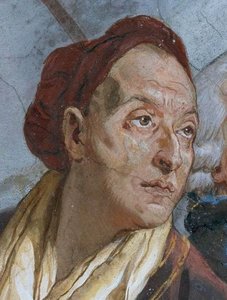
giambattista tiepolo
1696 - 1770 , Italy
Quick Facts
- Artistic Movement Or Style: Rococo
- Artists Or Movements Influenced By This Artist: ['Baroque']
- Artists Who Influenced This Artist: ['Nicolas Frémiet']
- Date Of Birth: Venice, Italy (1696)
- Date Of Death: Madrid, Spain (1770)
- Full Name: Giovanni Battista Tiepolo
- Nationality: Italian
- Notable Artworks:
- Assumption Tiepolo
- Young Man with Bow and large Quiver
- Place Of Birth: Venice
Related Articles

The Fresco as Family Legacy: Preserving Heritage Through Wall Art
Explore the rich history & enduring legacy of fresco painting. Discover how to preserve family heritage through stunning wall art. Expert insights & restoration guidance.
Giambattista Tiepolo: A Rococo Master's Legacy of Light & Illusion
Explore the captivating world of Giambattista Tiepolo, master of Rococo art. Discover his innovative techniques, iconic frescoes, and lasting influence on Italian painting. A guide for discerning collectors.

The Enduring Legacy of Fresco Painting: Techniques, History & Contemporary Relevance
Explore the rich history & enduring artistry of fresco painting – from Giotto to Michelangelo! Discover techniques, conservation efforts, & modern applications. Learn how ArtsDot brings this timeless art form to your home.

The Enduring Legacy of Fresco: Technique, History & Artistic Expression Across Cultures
Explore the rich history & enduring legacy of fresco painting! Discover ancient techniques, Giotto's masterpieces, and modern applications. Expert insights for art lovers & professionals.
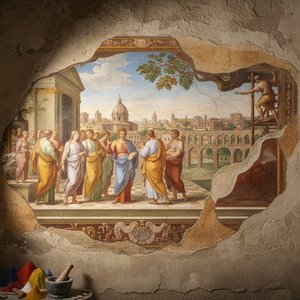
The Enduring Legacy of Fresco: Technique, History & Artistic Expression
Explore the rich history & enduring artistry of fresco painting. Discover techniques from Giotto to Michelangelo, conservation efforts, & modern applications. Learn how ArtsDot brings this timeless art form to your home.