 Send
Send Share
Share
 Details

 Download
 Similars
 Diaporama
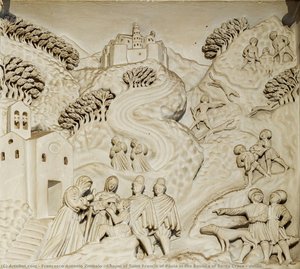
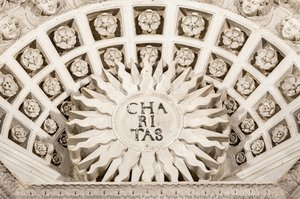
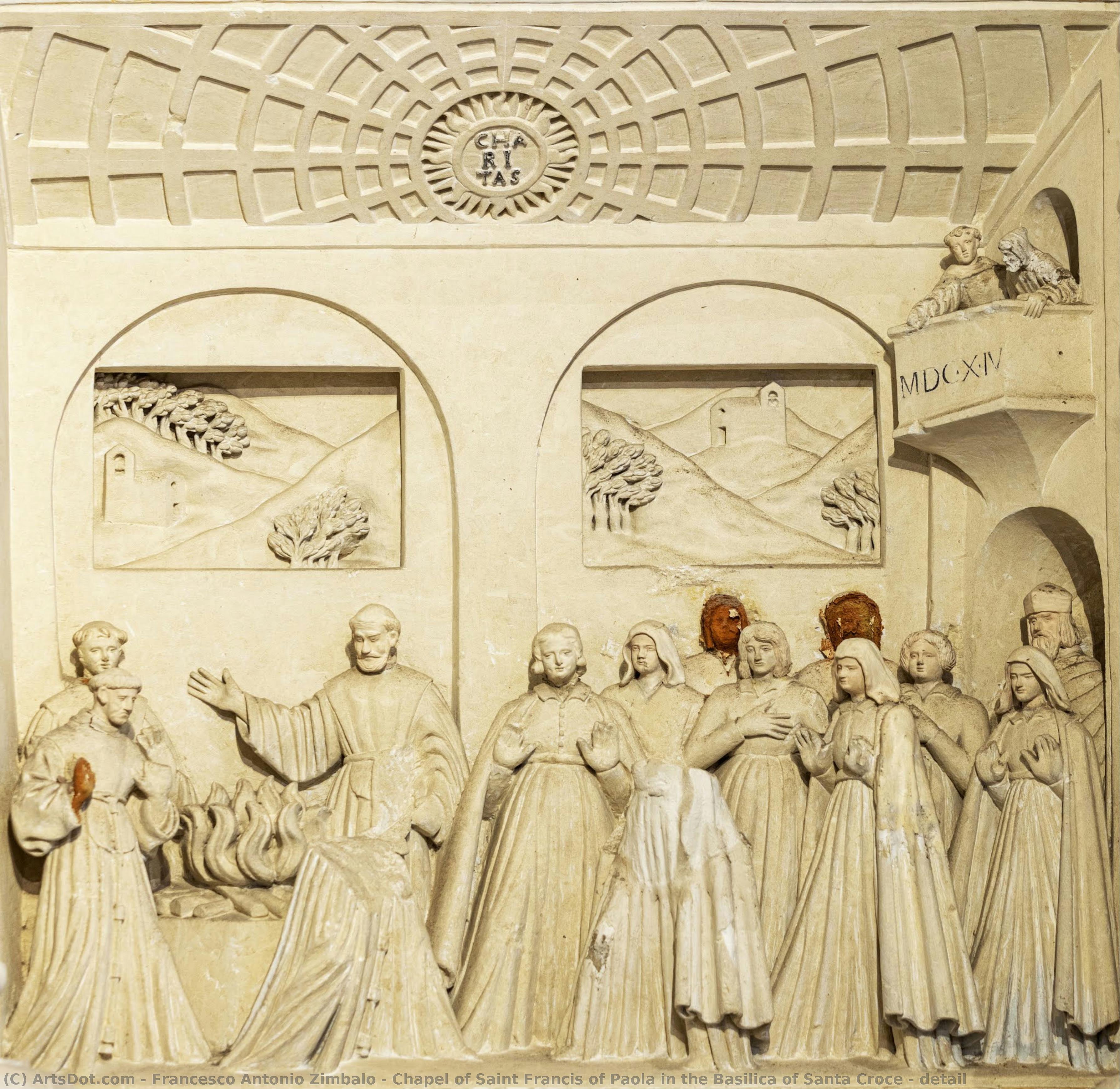
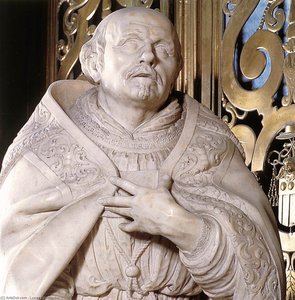
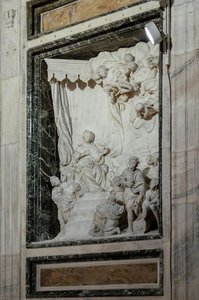
Chapel of Saint Francis of Paola in the Basilica of Santa Croce - detail


 Read More
Giclée / Art Print
Museum-quality giclée or canvas print with fast production and flexible finish options. ( Buy Hand Made Painting Buy Image)




































Pick from our preset sizes that match the artwork's original proportions.

You may enter your own dimensions to fit a specific frame or space. If your selected size does not match the original image's proportions, we will either crop the artwork or extend the image with a mirrored or solid-fill edge. A digital mockup will be sent for your approval before production begins.
Please note that the on-screen preview does not reflect the actual cropping or extension. Only the mockup will accurately show the final composition.
While custom sizes are available, we recommend selecting a dimension from the predefined list to preserve the original proportions.
Worldwide Delivery () in 2 weeks instead of standard 4/5 weeks. (6 September)

Free Worldwide Express Shipping

High-Quality Linen Canvas

Full Shipping Insurance

Customs Tax Refund Guarantee

True Color Matching Guarantee

100-Day Return Policy (Defects Only)

100% Money-Back Guarantee

Bulk Discount Offer
 Glass option is only available in size under 110 CM

Chapel of Saint Francis of Paola in the Basilica of Santa Croce - detail
Giclée / Art Print
Reproduction Size
-


Total Price
$ 63
A Symphony in Stone: The Devotional Mastery of Francesco Antonio Zimbalo
In the heart of the Salento peninsula, where the golden light of Lecce illuminates the intricate carvings of the Baroque era, lies a profound testament to spiritual intimacy. The detail from the Chapel of Saint Francis of Paola within the Basilica of Santa Croce is not merely a piece of architectural ornamentation; it is a frozen moment of divine communion. Created in 1615 by the master Francesco Antonio Zimbalo, this stone carving invites the viewer into a sacred gathering, where the boundaries between the earthly and the divine seem to dissolve through the sheer skill of the sculptor's chisel.
The subject matter captures a profound moment of religious assembly. Within the frame, at least twelve figures, draped in the heavy, rhythmic folds of traditional religious garb, are arranged in a delicate dance of prayer and conversation. Each face, though rendered in the enduring medium of stone, carries an air of quiet contemplation. The composition draws the eye through a labyrinth of textures, leading one to witness the subtle gestures of hands clasped in devotion and the bowed heads of monks lost in silent liturgy. It is a scene that celebrates the collective strength of faith, emphasizing that even in the depths of personal prayer, one is part of a larger, celestial tapestry.
Technically, this work represents the pinnacle of the Barocco Leccese—the Lecce Baroque style. Zimbalo, a sculptor who understood the soul of the stone, utilized the soft, malleable nature of local limestone to achieve an almost liquid quality in the drapery and an incredible depth of relief. The technique relies on a masterful play of light and shadow, known as chiaroscuro, which is carved directly into the material. As light hits the protruding edges of the figures' robes and recedes into the deep hollows of the background, the carving breathes, creating a sense of movement that belies its static medium. For the collector or designer, this piece offers a profound tactile richness, making it an ideal focal point for spaces that demand a sense of history and gravitas.
Beyond its aesthetic brilliance, the artwork serves as a window into the emotional landscape of the 17th century. The symbolism of the gathering reflects the communal identity of the era, where art served as the primary vessel for teaching and inspiring the faithful. To possess a reproduction of this detail is to bring a piece of that historical reverence into a modern interior. It provides an anchor of tranquility and intellectual depth, perfect for an elegant study, a sophisticated gallery wall, or a curated collection of classical antiquities. This carving does not just decorate a room; it transforms the atmosphere, infusing it with the timeless, quiet dignity of the Baroque spirit.
Related Artworks

![[carved Stone Figure, Nunnery Quadrangle, Uxmal] — Octavio Medellín, Archaeological Documentation](/media/artworks/images-thumb/cd/72/cd72ede773e8f67633d88d21707b2444.jpg)
Artist Biography
The Baroque Visionary of Lecce: Francesco Antonio Zimbalo
Francesco Antonio Zimbalo, born in the vibrant city of Lecce around 1567 and passing away there in 1631, stands as a pivotal figure in the development of Baroque architecture in southern Italy. While not widely known outside specialist circles, within the Salento peninsula – the heel of Italy’s boot – his influence is monumental. Zimbalo wasn't merely an architect; he was a sculptor of stone, a master craftsman who helped define the exuberant and uniquely ornate style that came to be synonymous with Lecce. His life coincided with a period of significant artistic transition, as the restrained elegance of the Renaissance yielded to the dramatic flourishes and emotional intensity of the Baroque era. He emerged not from academic training but from a deeply rooted tradition of local artisans, inheriting skills passed down through generations of stonemasons and sculptors. This practical grounding, coupled with an innate understanding of the region’s distinctive *pietra leccese* – a soft, easily workable limestone – would become the hallmark of his work.A Family Legacy in Stone
Zimbalo hailed from a family deeply embedded in the artistic fabric of Lecce. The trade wasn't simply a profession; it was a dynastic inheritance. His son continued the family’s pursuits, but it was his grandson, Giuseppe Zimbalo – affectionately known as “Lo Zingarello” (the Little Zimbalo) – who would achieve perhaps even greater renown. This lineage is crucial to understanding Francesco Antonio’s role: he wasn't an isolated genius but a vital link in a chain of artistic innovation. He laid the foundations for his grandson’s masterpieces, establishing a workshop and aesthetic sensibility that would dominate Lecce’s architectural landscape for decades. The family’s commitment to their craft ensured not only its survival but also its evolution, adapting and refining techniques while remaining deeply connected to the local materials and traditions.The Basilica di Santa Croce: A Defining Project
Zimbalo's most significant contribution lies in his work on the Basilica of Santa Croce, a sprawling architectural complex that embodies the spirit of Leccese Baroque. Construction began in 1549 under Gabriele Riccardi, but it was Zimbalo who truly transformed the façade into a breathtaking spectacle. He designed and executed the three magnificent portals – elaborate gateways teeming with sculpted figures, floral motifs, and fantastical creatures. These weren’t simply entrances; they were statements of faith, displays of civic pride, and showcases of artistic virtuosity. The *pietra leccese* was exploited to its fullest potential, allowing for an astonishing level of detail and a play of light and shadow that accentuated the dramatic forms. Beyond the portals, Zimbalo also designed the altar of San Francesco di Paola within the basilica, further solidifying his reputation as a master of religious architecture. The Basilica stands today as a testament to his skill and vision, attracting visitors from around the world who marvel at its intricate beauty.Influences and Artistic Development
Pinpointing specific influences on Zimbalo is challenging due to limited documentation. However, it’s clear that he absorbed elements from both Renaissance classicism and emerging Baroque trends prevalent in Naples – a major cultural center nearby. He skillfully blended these influences with the unique characteristics of Leccese stone carving, creating a style that was distinctly his own. Early works likely demonstrate a more restrained classical approach, gradually evolving towards the increasingly ornate and dynamic forms characteristic of his later projects. The emphasis on sculptural detail, the theatrical use of light and shadow, and the integration of local motifs – such as stylized acanthus leaves and grotesque masks – all point to a deliberate artistic development driven by both aesthetic considerations and the inherent properties of the *pietra leccese*.Historical Significance and Lasting Impact
Francesco Antonio Zimbalo’s legacy extends far beyond the Basilica di Santa Croce. He helped establish a distinctive Leccese Baroque style that continues to captivate audiences today. His workshop trained generations of artisans, ensuring the continuity of his techniques and aesthetic principles. The influence of his work can be seen throughout Lecce – in churches, palaces, and even private residences. More importantly, he fostered a sense of civic pride and artistic identity within the city, transforming it into a showcase for Baroque splendor. He wasn’t simply building structures; he was creating an environment, shaping a cultural landscape that would define Lecce for centuries to come. His work remains a powerful reminder of the enduring beauty and expressive potential of stone carving, and his contribution to Italian art history is increasingly recognized as profoundly significant.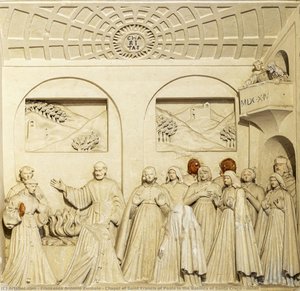
francesco antonio zimbalo
1567 - 1631 , Italy
Quick Facts
- Artistic Movement Or Style: Baroque architecture
- Artists Or Movements Influenced By This Artist: ['Giuseppe Zimbalo']
- Date Of Birth: 1567
- Date Of Death: 1631
- Full Name: Francesco Antonio Zimbalo
- Nationality: Italian
- Notable Artworks:
- Portals of Basilica di Santa Croce
- Altar of San Francesco di Paola
- Chapel of Saint Francis of Paola
- Place Of Birth: Lecce, Italy
Related Articles

Bronze Sculptures That Defined Art History | ArtsDot
Journey through art history with our Top 10 bronze sculptures! Explore masterpieces by Rodin, Michelangelo & more. Discover stories behind iconic statues and find museum-quality reproductions for your home decor at ArtsDot.com.

The Enduring Form: Exploring Themes & Techniques in Sculpture Across Historical Periods
Explore the rich history of sculpture from ancient masterpieces to contemporary innovations. Discover key techniques, influential artists & investment potential for discerning art collectors.
The Enduring Form: Sculpture Across History, Technique & Emotional Resonance
Explore the rich history of sculpture with ArtsDot. Discover key techniques, influential artists & investment potential for discerning collectors. Expert insights into valuing and collecting timeless masterpieces.

Theatricality & Triumph: Baroque Drama in Painting & Sculpture
Explore the dramatic world of Baroque art! Discover its history, defining characteristics, & lasting influence on painting & sculpture. Expert insights into Caravaggio, Zurbarán, and Bernini – plus high-quality reproductions at ArtsDot.

The Dramatic Flourish: Exploring the Baroque Movement's Enduring Legacy in Art History
Explore the dramatic world of Baroque art! Discover iconic artists like Caravaggio & Rubens, defining techniques, and its lasting impact on art history. Expert insights for collectors & enthusiasts at ArtsDot.