 Preview
 Send
Send Share
Share
 Details

 Download
 Similars
 X-Ray
X-Ray Diaporama
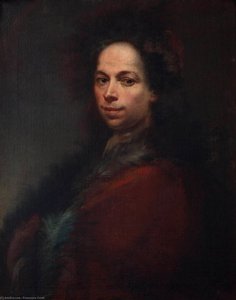
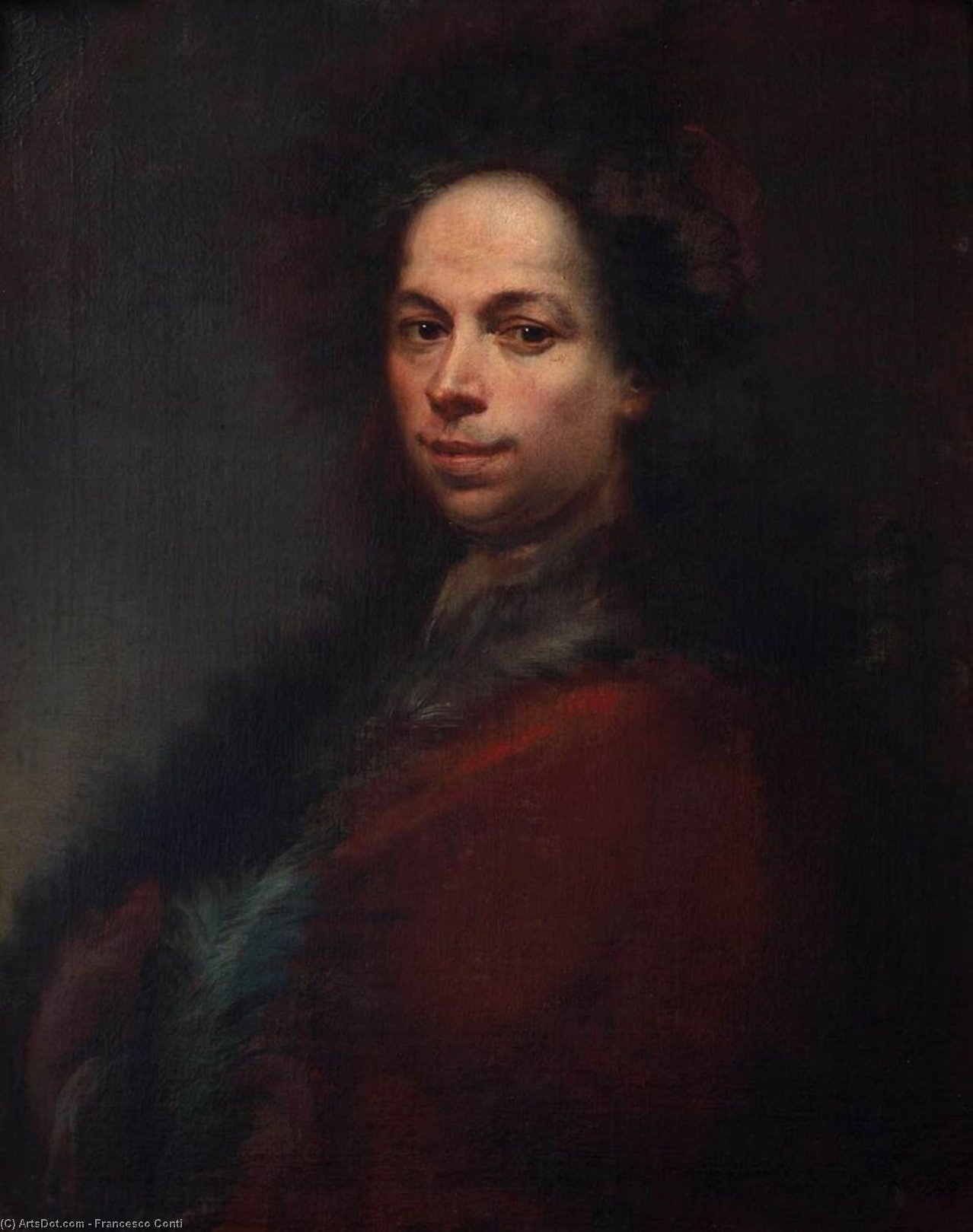
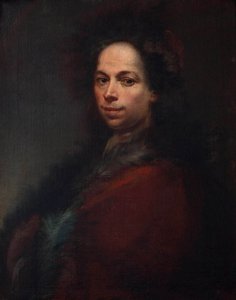
Self-Portrait
 Acrylic On Canvas
- WallArt
- Baroque
 72.0 x 56.0 cm
 Galleria degli Uffizi
 Read More
Hand Made Oil Reproduction
Hand-painted oil on canvas in your size and frame, made to order by our artists. ( Buy Print Buy Image)




P118B $10

P118H $10

P118W $10

P438Z $10

P508JH $12

P508YH $12

P805H $10

P805Z $10

P919BZ $10

P919G $10

P919XJ $10

P959ZH $10

P968JZ $12

W106C $8

W218G $10

W218JH $8

W218Y $10

W307PJ $10

W316G $10

W316PJ $8

W316Y $10

W398PJ $8

W4111J $10

W500HY $15

W500JH $15

W692G $12

W849H $8

W940BG $15

W953PJ $8




Pick from our preset sizes that match the artwork's original proportions.

You may enter your own dimensions to fit a specific frame or space. If your selected size does not match the original image's proportions, we will either crop the artwork or extend the painting with additional hand-painted elements. A digital mockup will be sent for your approval before production begins.
Please note that the on-screen preview does not reflect the actual cropping or extension. Only the mockup will accurately show the final composition.
While custom sizes are available, we recommend selecting a dimension from the predefined list to preserve the original proportions.
After order, ArtsDot.com team will email client for instructions and provide a mockup preview
Worldwide Delivery () in 3/4 weeks instead of standard 5 weeks. (17 August). No compromise on quality.

Free Worldwide Express Shipping

High-Quality Linen Canvas

Full Shipping Insurance

Customs Tax Refund Guarantee

True Color Matching Guarantee

60-Day Return Policy (Defects Only)

100% Money-Back Guarantee

Bulk Discount Offer
 Glass option is only available in size under 110 CM

Self-Portrait
Reproduction Medium
Reproduction Size
-


Total Price
$ 263
Artwork Description
Francesco Conti: Bridging Baroque Grandeur with Intimate Reflection
Francesco Conti (1681 – 1760) stands as a pivotal figure in Florentine Baroque art, embodying the era’s fascination with dramatic realism and masterful chiaroscuro—techniques honed under the tutelage of Giovanni Maria Morandi and Carlo Maratta. His artistic journey began amidst the influential circles of Rome, where he absorbed the stylistic precepts of both masters, establishing a foundation for his distinctive oeuvre.
Conti’s early training instilled in him a profound appreciation for Roman Baroque painting's idealized forms and balanced compositions—a legacy that would permeate his subsequent works. Simultaneously, Maratta’s teachings championed theatrical grandeur and emotional intensity, shaping Conti’s artistic sensibility towards conveying profound psychological depth.
Returning to Florence after Rome, Conti secured invaluable support from the Riccardi family, who regularly commissioned him for monumental altarpieces—a patronage that fueled his unwavering commitment to artistic excellence. His prolific output of religious scenes reflected the spiritual fervor of his time and cemented his reputation as one of Florence’s foremost Baroque artists.
Dominant Technique: Mastering Chiaroscuro
Conti's signature technique revolved around meticulous layering of paint, creating textures that mirrored the grandeur and solemnity of his subjects. He skillfully manipulated light sources to sculpt forms—a hallmark of Maratta’s influence—and imbue canvases with an ethereal glow. This masterful manipulation of light and shadow wasn’t merely stylistic; it served as a conduit for conveying emotion and enhancing the visual impact of his compositions.
Religious Themes: Expressions of Faith
Conti dedicated his artistic energies primarily to religious iconography, producing a remarkable output of altarpieces and devotional paintings that resonated deeply with audiences. His depictions of saints—such as Saint Sylvester I, Saint Paul and Saint Catherine of Alexandria—were imbued with symbolic meaning, reflecting the theological concerns of the Baroque period.
Notable Works: Reflections of Florentine Patronage
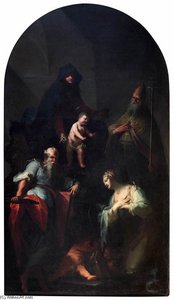
Among Conti’s most celebrated achievements is “Madonna & Child with Saints,” commissioned for Sant'Andrea della Venerata church by the Riccardi family. This monumental altarpiece exemplifies Conti’s ability to synthesize artistic virtuosity with profound spiritual contemplation—a testament to the enduring legacy of Florentine Baroque art.
Legacy: An Artist Shaped by Influence
Francesco Conti’s influence extended beyond his own lifetime, shaping the artistic sensibilities of subsequent generations. His masterful command of chiaroscuro and his unwavering devotion to religious themes continue to inspire artists today—solidifying his place as a cornerstone of Florentine Baroque art history.
Related Artworks
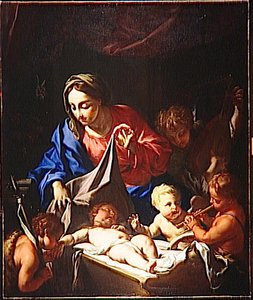
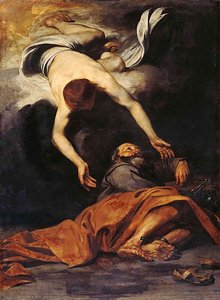
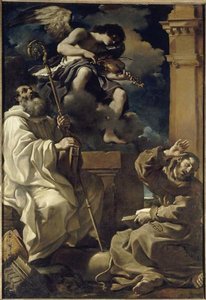
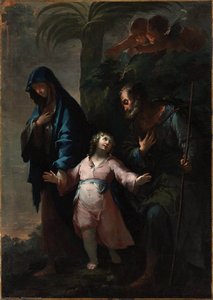
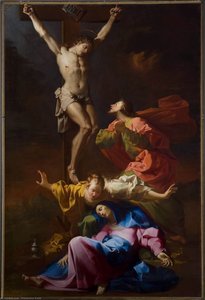
Artist Biography
Francesco Conti (1681 – 1760): A Florentine Baroque Master
Francesco Conti, born in Caivano near Naples in 1681, emerged as a prominent figure within the vibrant artistic landscape of Florence during the Baroque era. His formative years were steeped in the tutelage of Giovanni Maria Morandi and Carlo Maratta – masters whose stylistic approaches profoundly shaped his own artistic vision. These influential mentors instilled in Conti a dedication to dramatic realism and masterful chiaroscuro techniques, characteristics that would define his oeuvre for decades to come.- Early Influences: Conti’s initial training under Morandi exposed him to the refined elegance of Roman Baroque painting, emphasizing idealized forms and balanced compositions. Simultaneously, Maratta's teachings championed theatrical grandeur and emotional intensity – elements that would become integral to Conti’s artistic sensibilities.
- Florence & Patronage: Returning to Florence after his formative years in Rome, Conti secured invaluable support from the Riccardi family, who regularly commissioned him for monumental altarpieces and provided a stable income. This patronage allowed him to pursue his artistic endeavors with unwavering commitment and fostered collaborations that enriched Florentine art history.
Notable Works & Artistic Style
Conti’s artistic style was characterized by an uncompromising embrace of Baroque principles – particularly chiaroscuro, the dramatic interplay between light and shadow—which he skillfully employed to convey emotion and heighten visual impact. His paintings pulsated with palpable energy, capturing moments of profound spiritual contemplation alongside scenes of heroic action. Among his most celebrated achievements are “Madonna & Child with Saint Sylvester I, Saint Paul and Saint Catherine of Alexandria” (1738), commissioned for Sant’Andrea della Minerva by the Rucellai family—a masterpiece lauded for its masterful composition and luminous illumination—and “Death of King Josiah,” a monumental depiction of biblical drama executed in 1740. These works stand as testament to Conti's ability to fuse technical virtuosity with expressive storytelling.- Dominant Technique: Conti’s signature technique involved meticulous layering of paint, creating textures that mirrored the grandeur and solemnity of his subjects. He skillfully manipulated light sources to sculpt forms and imbue canvases with an ethereal glow—a hallmark of Maratta's influence.
- Religious Themes: Conti dedicated his artistic energies primarily to religious iconography, producing a prolific output of altarpieces and devotional paintings that reflected the spiritual fervor of his time. His depictions of saints and biblical narratives resonated deeply with audiences and cemented his reputation as one of Florence’s foremost Baroque artists.
Legacy & Influence
Francesco Conti's artistic legacy extends beyond his individual masterpieces; he served as a mentor to numerous aspiring painters, fostering the development of Florentine Baroque art for generations to come. His pupil Anna Bacherini Piattoli continued Conti’s stylistic traditions and contributed significantly to the artistic discourse of the era. Conti’s unwavering commitment to Baroque principles—particularly chiaroscuro and dramatic realism—established him as a pivotal figure in Florentine art history, ensuring his enduring influence on subsequent artists and shaping the visual culture of his time. His work continues to inspire admiration for its expressive power and technical brilliance.Further Exploration
For deeper insights into Francesco Conti’s artistic journey and contributions to Baroque painting, explore resources such as:Recommended Resources
- Museum Database: Сан Франческо делла Вінья
Francesco Conti
1681 - 1760 , Italy
Quick Facts
- Artistic Movement Or Style: Baroque
- Artists Or Movements Influenced By This Artist: ['Simone Pignoni']
- Artists Who Influenced This Artist:
- Giovanni Maria Morandi
- Carlo Maratta
- Date Of Birth: Caivano, Italy (1681)
- Date Of Death: Florence (1760)
- Full Name: Francesco Conti
- Nationality: Italian
- Notable Artworks:
- Madonna & Child with St. Sylvester I, St. Paul and St. Catherine of Alexandria
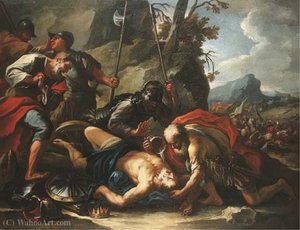
- Death of King Josiah
- Return to Nazareth from Egypt
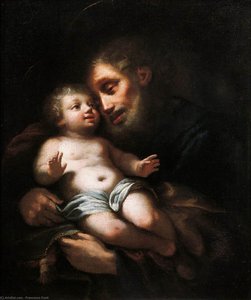
- Saint Joseph with the Christ Child
- The Crucifixion of Jesus
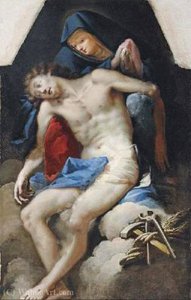
- Pietà
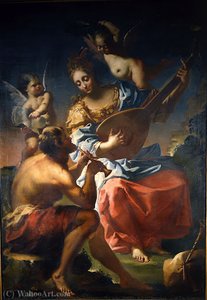
- Allegory of Musica Gentleman
- Place Of Birth: Florence, Italy
Related Articles

Baroque Masterpieces: 10 Paintings That Defined an Era |
Journey through the drama & grandeur of Baroque art! Explore 10 masterpieces by Caravaggio, Rembrandt, Rubens & more. Discover stunning oil paintings, rich colors & timeless stories. Find museum-quality reproductions at .

Baroque Drama: Bringing Opulence & Emotion into Contemporary Interiors
Explore the opulent world of Baroque interior design! Discover key elements, modern applications & how to bring dramatic elegance into your home with 's authentic reproductions.

The Visceral Stage: Exploring Dramatic Narratives & Emotional Intensity in Baroque Art
Explore the dramatic world of Baroque art! Discover iconic masters like Caravaggio & Rembrandt, their techniques, and the movement's lasting impact. Expert insights for collectors & enthusiasts at ArtsDot.

The Dramatic Flourish: Exploring the Baroque Movement's Enduring Legacy in Art History
Explore the dramatic world of Baroque art! Discover iconic artists like Caravaggio & Rubens, defining techniques, and its lasting impact on art history. Expert insights for collectors & enthusiasts at ArtsDot.
Simon Vouet: A Baroque Master's Journey from Italian Influence to French Classicism
Explore the life & art of Simon Vouet, a pivotal French Baroque painter who introduced Italian styles to France. Discover his masterpieces and lasting influence on 17th-century art.