 Preview
 Send
Send Share
Share
 Details

 Download
 Similars
 X-Ray
X-Ray Diaporama
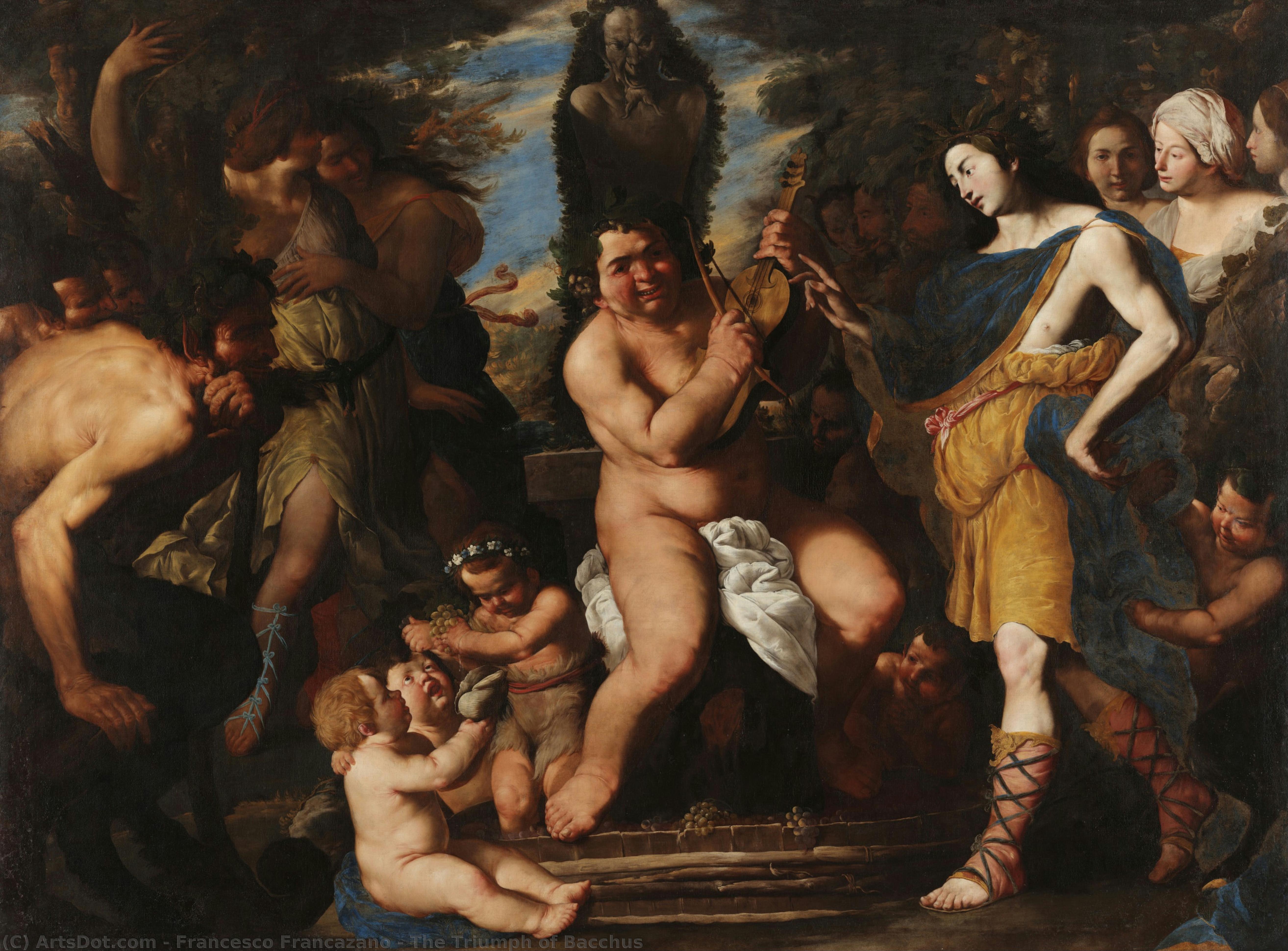
The Triumph of Bacchus


 Read More
Hand Made Oil Reproduction
Hand-painted oil on canvas in your size and frame, made to order by our artists. ( Buy Print Buy Image)




































Pick from our preset sizes that match the artwork's original proportions.

You may enter your own dimensions to fit a specific frame or space. If your selected size does not match the original image's proportions, we will either crop the artwork or extend the painting with additional hand-painted elements. A digital mockup will be sent for your approval before production begins.
Please note that the on-screen preview does not reflect the actual cropping or extension. Only the mockup will accurately show the final composition.
While custom sizes are available, we recommend selecting a dimension from the predefined list to preserve the original proportions.
After order, ArtsDot.com team will email client for instructions and provide a mockup preview
Worldwide Delivery () in 3/4 weeks instead of standard 5 weeks. (20 August). No compromise on quality.

Free Worldwide Express Shipping

High-Quality Linen Canvas

Full Shipping Insurance

Customs Tax Refund Guarantee

True Color Matching Guarantee

60-Day Return Policy (Defects Only)

100% Money-Back Guarantee

Bulk Discount Offer
 Glass option is only available in size under 110 CM

The Triumph of Bacchus
Reproduction Medium
Reproduction Size
-


Total Price
$ 388
Related Artworks
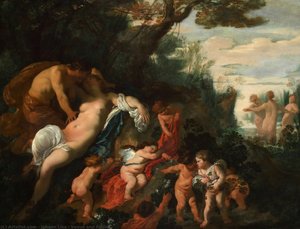
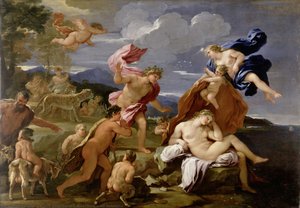
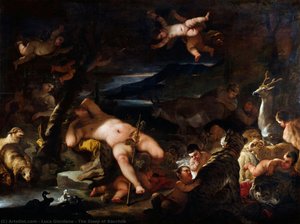
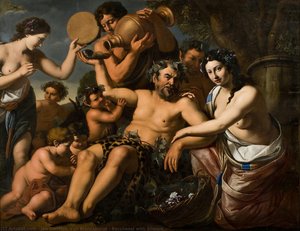
Artist Biography
The Dramatic Voice of Baroque Naples
Francesco Francazano, often recognized by his name Cesare, was a luminous figure within the Neapolitan Baroque school, a painter whose brush captured the very essence of seventeenth-century spiritual fervor and theatrical intensity. Born in 1605 in the Italian town of Bisceglie, he emerged from a lineage steeped in artistic tradition; his father, Alessandro, was a nobleman from Verona with Mannerist inclinations, ensuring that Francesco’s early years were saturated with the language of form and light. As a pivotal artist of the Neapolitan era, Francazano did not merely observe the world around him but sought to dramatize it, utilizing the profound emotional depth and technical mastery that defined the golden age of Italian Baroque painting.
The trajectory of his career was shaped by a series of profound encounters with the masters of his time. His formative training was deeply rooted in the study of Spagnoletto (Jusepe de Ribera), whose uncompromising naturalism and mastery of light provided the foundation for Francaziente's early explorations. This connection to the Caravaggist tradition allowed him to experiment with tenebrism—that striking, almost violent contrast between shadow and illumination—to create works that felt immediate and physically present. However, his vision was never confined to the darkness of a single style; he possessed a remarkable ability to synthesize the rugged realism of Ribera with the sweeping grandeur and idealized grace found in the works of Tintoretto, the Carracci brothers, and Guido Reni.
A Synthesis of Light and Grace
As his career progressed, Francazano’s palette and technique underwent a fascinating evolution, moving from the starker influences of his youth toward a more disciplined and academic elegance. In his earlier years, particularly during his time in Naples around 1630, one can observe a fascination with vibrant colors—brilliant reds and warm ochres—that suggest an awareness of the glowing, atmospheric qualities championed by artists like Van Dyck. His works from this period, such as his depictions of saints, often balance a sense of physical weight with a celestial luminosity, creating a tension between the earthly and the divine.
Later in life, particularly after 1640, his art began to reflect a more structured and refined sensibility. The influence of Massimo Stanzione brought a newfound discipline to his compositions, while the lyrical beauty of Guido Reni infused his later religious subjects with a sense of classical poise. This transition from the raw, emotive power of Caravaggism to a more sophisticated, academic style demonstrates an artist who was constantly in dialogue with the changing currents of European art. Whether working on large-scale frescoes for the vaults of Neapolitan churches or intimate canvases for noble palaces, his ability to command both scale and detail remained unparalleled.
Legacy and Artistic Significance
The historical significance of Francesco Francazano lies in his role as a bridge between the revolutionary naturalism of the early seventeenth century and the more refined, classical Baroque that followed. His legacy is preserved not only in the great collections of Naples and Rome but also in international institutions such as the Museo del Prado in Madrid, which houses his evocative depictions of human struggle. Through his work, we witness the transformation of Neapolitan art from a movement of shadow and grit into one of light, color, and sophisticated grace.
To reflect on the breadth of his contribution, one might consider the following pillars of his artistic identity:
- Mastery of Chiaroscuro: His ability to use dramatic light to sculpt form and evoke psychological depth.
- Stylistic Versatility: The seamless integration of Ribera’s realism with the elegance of Reni and the grandeur of Tintoretto.
- Cultural Impact: His role in enriching the artistic landscape of both Apulia and Naples, leaving a permanent mark on the churches and palaces of Southern Italy.
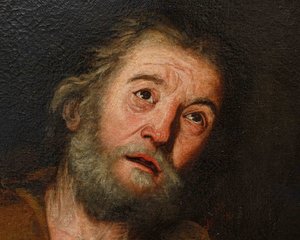
francesco francazano
1605 - 1651 , Italy
Quick Facts
- Artistic Movement Or Style: Caravaggism
- Artists Or Movements Influenced By This Artist: ['Van Dyck']
- Artists Who Influenced This Artist:
- Spagnoletto
- Ribera
- Tintoretto
- Carracci
- René
- Date Of Birth: 1605 Bisceglie, Italy
- Date Of Death: 1651 Barletta, Italy
- Full Name: Francesco Francazano
- Nationality: Italian
- Notable Artworks:
- Two Wrestlers
- St John the Baptist
- Place Of Birth: Bisceglie
Related Articles
Cultivating Ambiance: A Curatorial Guide to Art Selection for Wine Cellars and Tasting Rooms – Enhancing Oenological Experience Through Landscape, Symbolism, and Interior Harmony
Elevate your wine cellar or tasting room with curated art! Expert guidance on landscape paintings, symbolism & lighting to enhance the oenological experience. Discover how art transforms spaces and tells your winery's story.

Baroque Drama: Bringing Opulence & Emotion into Contemporary Interiors
Explore the opulent world of Baroque interior design! Discover key elements, modern applications & how to bring dramatic elegance into your home with 's authentic reproductions.

Baroque Masterpieces: 10 Paintings That Defined an Era |
Journey through the drama & grandeur of Baroque art! Explore 10 masterpieces by Caravaggio, Rembrandt, Rubens & more. Discover stunning oil paintings, rich colors & timeless stories. Find museum-quality reproductions at .
Simon Vouet: A Baroque Master's Journey from Italian Influence to French Classicism
Explore the life & art of Simon Vouet, a pivotal French Baroque painter who introduced Italian styles to France. Discover his masterpieces and lasting influence on 17th-century art.

The Dramatic Flourish: Exploring the Baroque Movement's Enduring Legacy in Art History
Explore the dramatic world of Baroque art! Discover iconic artists like Caravaggio & Rubens, defining techniques, and its lasting impact on art history. Expert insights for collectors & enthusiasts at ArtsDot.