 Preview
 Send
Send Share
Share
 Details

 Download
 Similars
 X-Ray
X-Ray Diaporama
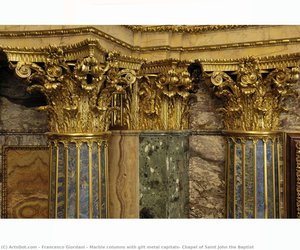
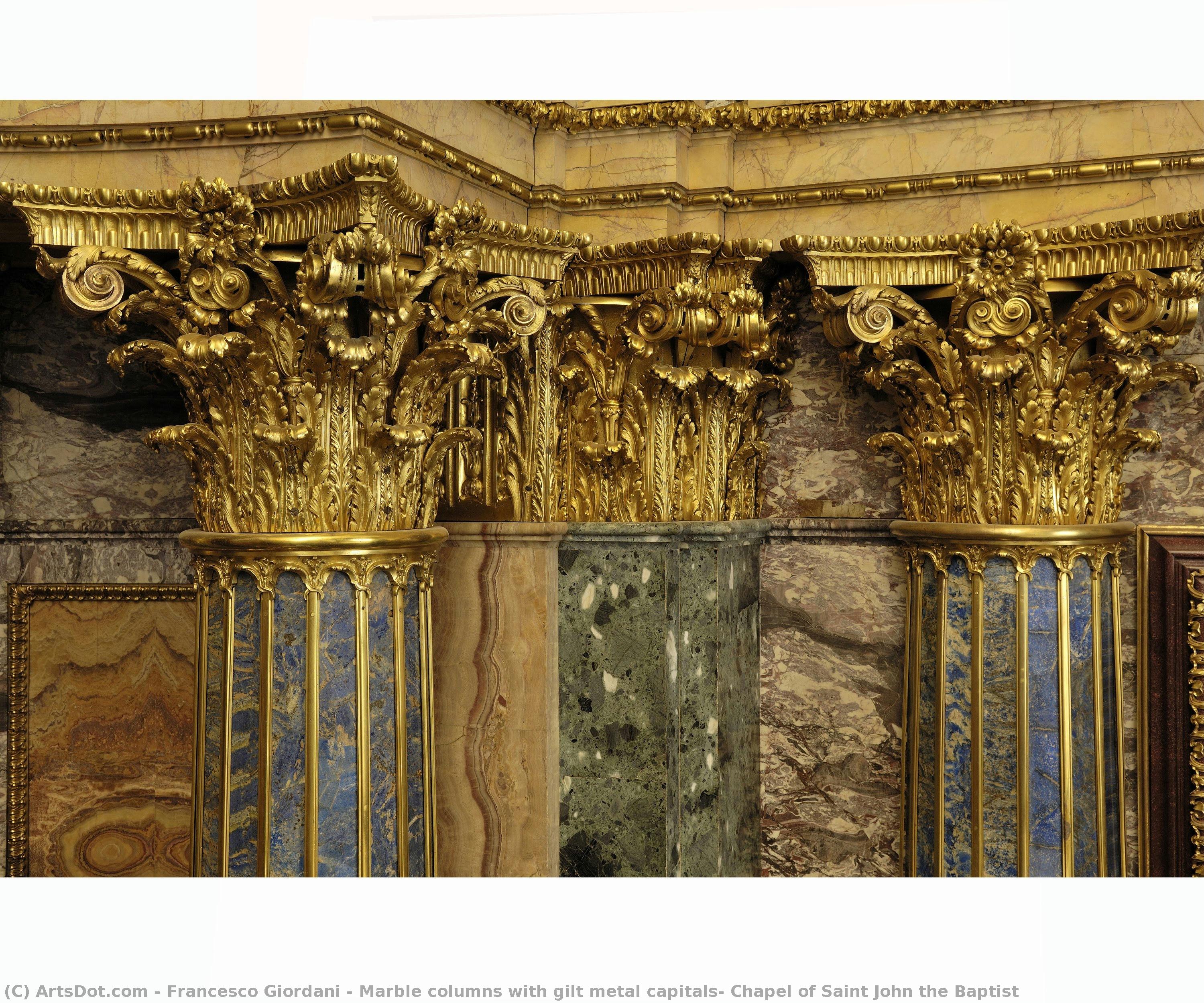
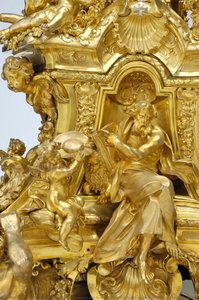
Marble columns with gilt metal capitals, Chapel of Saint John the Baptist


 Read More
Giclée / Art Print
Museum-quality giclée or canvas print with fast production and flexible finish options. ( Buy Hand Made Painting Buy Image)




P118B $10

P118H $10

P118W $10

P438Z $10

P508JH $12

P508YH $12

P805H $10

P805Z $10

P919BZ $10

P919G $10

P919XJ $10

P959ZH $10

P968JZ $12

W106C $8

W218G $10

W218JH $8

W218Y $10

W307PJ $10

W316G $10

W316PJ $8

W316Y $10

W398PJ $8

W4111J $10

W500HY $15

W500JH $15

W692G $12

W849H $8

W940BG $15

W953PJ $8




Pick from our preset sizes that match the artwork's original proportions.

You may enter your own dimensions to fit a specific frame or space. If your selected size does not match the original image's proportions, we will either crop the artwork or extend the image with a mirrored or solid-fill edge. A digital mockup will be sent for your approval before production begins.
Please note that the on-screen preview does not reflect the actual cropping or extension. Only the mockup will accurately show the final composition.
While custom sizes are available, we recommend selecting a dimension from the predefined list to preserve the original proportions.
Worldwide Delivery () in 2 weeks instead of standard 4/5 weeks. (26 August)

Free Worldwide Express Shipping

High-Quality Linen Canvas

Full Shipping Insurance

Customs Tax Refund Guarantee

True Color Matching Guarantee

60-Day Return Policy (Defects Only)

100% Money-Back Guarantee

Bulk Discount Offer
 Glass option is only available in size under 110 CM

Marble columns with gilt metal capitals, Chapel of Saint John the Baptist
Giclée / Art Print
Reproduction Size
-


Total Price
$ 63
Collectible Description
A Testament to Faith and Ornamentation: Francesco Giordani’s Marble Columns
Francesco Giordani's "Marble Columns with Gilt Metal Capitals, Chapel of Saint John the Baptist," painted in 1750 using alabaster as its medium, stands as a remarkable achievement of Baroque decorative arts. Located at the Museu de São Roque in Lisbon, Portugal, this artwork embodies the grandeur and spiritual fervor characteristic of the era—a period deeply invested in monumental religious architecture and opulent embellishment. The painting itself captures an exquisite detail, meticulously portraying the columns adorned with intricate carvings and topped by elaborately gilded metal capitals, reflecting a masterful blend of sculptural form and metallic richness.The Chapel’s Context: São Roque and Lisbon’s Baroque Legacy
The Museu de São Roque, founded in 1753 by Cardinal João Batista Sobrinho, represents a cornerstone of Lisbon's Baroque heritage. Built to honor Saint John the Baptist, it exemplifies the fervent piety that permeated Portuguese society during the Enlightenment—a time when churches were conceived as expressions of divine glory and civic pride. Giordani’s depiction isn’t merely an artistic rendering; it’s a visual chronicle of São Roque’s architectural ambition and its role in shaping Lisbon's cultural landscape. The chapel’s design itself sought to rival the magnificence of European cathedrals, demonstrating Portugal’s commitment to artistic excellence.Technique and Material: Alabaster and Gilding – Symbols of Purity and Divine Splendor
Giordani skillfully employed alabaster—a translucent white stone prized for its luminosity and purity—as his canvas. This choice underscores the painting's symbolic significance, aligning with the chapel’s dedication to Saint John the Baptist, who is often associated with divine grace and spiritual illumination. Furthermore, the gilt metal capitals – adorned with shimmering gold leaf – represent not only visual splendor but also a profound theological concept: the radiant glory of God. Gilding was considered a technique capable of elevating an artwork beyond mere materiality, transforming it into a conduit for divine light and majesty—a deliberate artistic strategy reflecting the Baroque preoccupation with conveying spiritual truths through sensory experience.Symbolism Beyond Decoration: Representing Heavenly Light
The intricate carvings on the columns themselves are laden with symbolic meaning. They depict biblical scenes – likely referencing Saint John the Baptist’s baptism of Jesus – reinforcing the chapel's central religious narrative. The stylized drapery and musculature convey a sense of dynamism and grandeur, mirroring the spiritual fervor of the time. Beyond its decorative elements, Giordani’s artwork speaks to the Baroque belief in portraying God’s presence within earthly spaces—a deliberate effort to inspire awe and reverence among worshippers.A Legacy of Artistic Excellence: Giordani's Contribution to Lisbon’s Artistic Identity
Francesco Giordani’s “Marble Columns with Gilt Metal Capitals, Chapel of Saint John the Baptist” stands as a testament to Lisbon’s Baroque artistic prowess—a period marked by ambitious architectural projects and an unwavering devotion to elevating art as a vehicle for spiritual expression. Its meticulous detail, masterful technique, and profound symbolism continue to captivate viewers today, cementing Giordani's place within Portugal’s cultural history and reminding us of the enduring power of art to communicate transcendent ideas.Related Artworks

Artist Biography
early life and education
francesco giordani, an italian research chemist and scientist, was born in naples, italy in 1896. as the son of a municipal engineer, giordani's early life was marked by a strong inclination towards science and technology. he pursued his higher education at the university of naples, where he eventually became a professor of general chemistry.career highlights
giordani's most notable position was as the president of the national research council in rome, italy. this role allowed him to oversee various scientific projects and collaborate with fellow researchers. although his career was primarily focused on research, there is a dearth of information regarding giordani's artistic endeavors.artistic connection
despite being known as a scientist, francesco giordani has been mistakenly associated with the artist francesco giardoni, who is listed on ArtsDot.com. however, there is no concrete evidence to support this connection.legacy and later life
francesco giordani passed away in naples, italy in 1961. his legacy as a research chemist and scientist continues to be felt, but the mystery surrounding his artistic connection remains.- explore art movements on ArtsDot.com
- discover more about francesco giordani's scientific contributions on wikipedia
- view the national research council in rome, italy's official website for more information on their projects and initiatives
references:

francesco giordani
1896 - 1961 , Italy
Quick Facts
- Artistic Movement Or Style: Decorative arts
- Date Of Birth: 1896
- Full Name: Francesco Giordani
- Nationality: Italian
- Notable Artworks:
- Marble columns with gilt metal capitals, Chapel of Saint John the Baptist
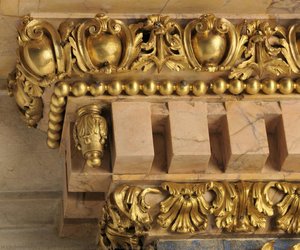
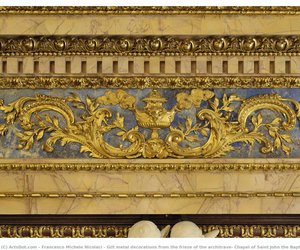
- Gilt metal decoratins from the general cornice, Chapel of St. John the Baptist
- Place Of Birth: Naples, Italy
Related Articles

The Enduring Allure of Marble in Art History: From Classical Sculpture to Modern Abstraction
Explore the captivating history of marble sculpture from ancient Greece to modern art. Discover renowned artists like Canova & Michelangelo, carving techniques, and investment insights at ArtsDot.
Golden Glow: How to Use Metallic Gold Artworks to Elevate Your Home Decor with Timeless Luxury
Discover how to elevate your home with the timeless elegance of metallic gold artworks. From sculptural metal pieces to gilded oil paintings, learn expert interior design tips for integrating luxurious gold accents into your space with sophistication and grace.
The Enduring Legacy of Marble: A Comprehensive Exploration of Technique, Symbolism & Artistic Expression
Explore the rich history of marble sculpture from antiquity to the Renaissance! Discover key techniques, influential artists & enduring themes in classical art. Expert insights for collectors and enthusiasts at ArtsDot.

Michelangelo's Masterpieces: Explore 25 Iconic Artworks for Your Home | ArtsDot
Journey through Michelangelo's 25 greatest artworks – from David’s strength to the Sistine Chapel’s beauty. Explore Renaissance masterpieces, art history & find museum-quality reproductions for your home at ArtsDot.com.
Giotto's Masterpieces: 25 Renaissance Artworks for Your Home | ArtsDot
Explore 25 breathtaking artworks by Giotto di Bondone, a Renaissance master. Discover the stories behind iconic frescoes & paintings like the Scrovegni Chapel cycle. Find museum-quality Giotto reproductions and elevate your home decor with ArtsDot.com.