

 Send
Send Share
Share
 Details

 Download
 Similars
 Diaporama
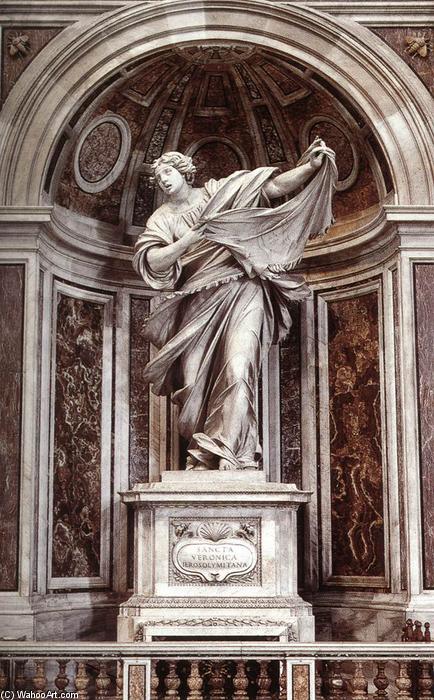
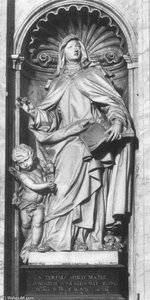
St Veronica


 Read More
Purchase a high-resolution, enhanced digital image, far superior to the online preview.
Each file is meticulously prepared by our in-house specialists using advanced tools and expert manual retouching. We ensure every image has exceptional clarity, precise color accuracy, and fine detail.
The final file is delivered via email within 72 hours, optimized for immediate use in professional, editorial, and print environments. This is the same quality trusted by top-tier design studios, publishers, and galleries.
Digital Image
Download a high-resolution file for personal display, printing, and creative projects. ( Buy Print Buy Hand Made Painting)
Included in Every Digital Image Order
Expert Digital Delivery, Guaranteed
When you choose ArtsDot.com, you're not just getting an image - you're receiving a professionally enhanced digital artwork, crafted with precision and backed by a satisfaction guarantee. Here's everything that comes with your order, automatically:

Fast Email Delivery
Your high-resolution digital image file will be emailed to you within 72 hours of ordering - ready for immediate use.

AI-Enhanced Digital File
Your artwork is professionally optimized using advanced AI tools and manual editing, ensuring maximum detail, clarity, and color accuracy.

Free Lifetime Re-Delivery
Accidentally deleted or lost your file? No worries - we'll resend it to you anytime, free of charge.

No Import Fees - Ever
Enjoy your artwork instantly with zero customs, duties, or delivery fees - digital downloads are always tax-free.

Color Accuracy Guarantee
We ensure your digital image reflects the original colors as closely as possible using professional tools and color management.

60-Day Satisfaction Guarantee
If you're not satisfied with your digital image, we'll revise it or refund 100% within 60 days - no questions asked.

100% Money-Back Guarantee
Not satisfied? Get a full refund within 60 days of receiving your digital file - no questions asked.

Bulk Order Discounts
Buy 3 images, save 10% - Buy 5, save 15% - Buy 10+, save 20%. Great for creative projects, galleries, and agencies.
Collectible Description
The Silent Witness: Francesco Mochi’s St Veronica in St Peter's
Within the grandeur of St. Peter’s Basilica, nestled amidst soaring arches and bathed in ethereal light, stands a sculpture that immediately commands attention – Francesco Mochi’s “St Veronica.” Completed in 1629-32, this dramatic depiction of the biblical figure is far more than just a portrait; it's an embodiment of sorrow, compassion, and the profound mystery surrounding the Holy Face. Mochi, a pivotal figure in the transition from Mannerism to Baroque art, masterfully captures a moment of intense emotion, transforming a simple act of service into a powerful visual narrative.

A Story Etched in Marble: Technique and Artistic Vision
Mochi’s skill lies not merely in his technical proficiency, but in his ability to imbue marble with a startling sense of dynamism. The statue is carved from pristine white Carrara marble, meticulously shaped to convey the weight of Veronica's sorrow and the urgency of her action. Notice the way the folds of her veil cling to her face, mirroring the sweat and blood that Jesus bears upon his brow – an image deeply rooted in Christian iconography. The dramatic contrapposto pose, with Veronica’s body leaning forward as if caught in a sudden gust of wind, adds to the sculpture's sense of movement and immediacy. Mochi employed a technique known as *disegno*, prioritizing line and form—a hallmark of Renaissance humanism—to create an incredibly expressive work. The subtle variations in texture across the marble surface further enhance the illusion of depth and volume, making Veronica’s face appear almost luminous.
The Veil's Significance: Symbolism and Sacred Narrative
The central element of the sculpture – the veil itself – is laden with symbolic weight. The “Veil of Veronica,” or Sudarium, holds a place of immense significance in Christian tradition. According to legend, it bears an image of Jesus’ face as he carried his cross, miraculously imprinted by Veronica's touch. This relic represents not just compassion and empathy but also the tangible connection between humanity and divinity. Mochi’s depiction powerfully communicates this narrative—the act of wiping away suffering becomes a profound gesture of reverence and devotion. The statue subtly evokes the story of the Holy Face, a venerated image of Christ’s visage, further amplifying its spiritual resonance.
A Turbulent Legacy: Context within Baroque Rome
Mochi's “St Veronica” exists within a complex artistic landscape. He was part of a generation grappling with the shift from the controlled elegance of Mannerism to the exuberant drama of the Baroque. His work, particularly this statue, reflects this transition—a move towards heightened emotion and theatricality. The sculpture’s somewhat exaggerated pose and intense expression were initially met with criticism by some contemporaries, who found it overly dramatic for a subject as solemn as Veronica's act. Rumors circulated that Bernini himself mocked Mochi’s work, suggesting the wind was responsible for the flowing drapery! Despite this, “St Veronica” remains a powerful testament to Mochi’s artistic vision and his pivotal role in shaping the Baroque aesthetic within the heart of Rome.
Related Artworks
Artist Biography
The Sculptural Vision of Francesco Mochi
Francesco Mochi stands as a singular figure in seventeenth-century Italian sculpture, recognized not merely for his prolific output but for his profound contribution to establishing the Baroque aesthetic. Born in Montevarchi, Tuscany, in 1580, he embarked on an artistic journey that traversed Florence and Rome, culminating in a legacy defined by dramatic emotion and masterful technique. His work serves as a vital bridge between the structured elegance of the late Renaissance and the explosive, theatrical grandeur of the Baroque era, foreshadowing the monumental style later perfected by Gian Lorenzo Bernini.
Mochi's formative years were shaped by the rigorous traditions of Florentine art. Under the tutelage of the painter Santi di Tito, he embraced the principle of disegno—the primacy of line and form. This training instilled in him a foundational appreciation for visual harmony and intellectual rigor, mirroring the sculptural clarity found in the studio of Giambologna. While his early exposure to painting provided a deep understanding of composition, it was his transition to the three-dimensional realm that allowed him to translate these classical principles into dynamic, breathing stone and bronze.
A Roman Ascent and the Birth of Baroque Drama
Around 1599, Mochi relocated to Rome, immersing himself in a vibrant artistic milieu fostered by the powerful Farnese family. Within the studio of Camillo Mariani, he refined his understanding of texture and movement, but it was his connection to the circle of Pietro Bernini that truly catalyzed his evolution. This association placed him at the very heart of the burgeoning artistic fervor in Rome, exposing him to the stylistic innovations that would soon redefine Western art. Mochi began to move away from static compositions, instead embracing a sense of captured motion and psychological depth.
His mastery was most evident in his ability to manipulate medium and light. As a master of bronze casting, he achieved a level of detail that breathed life into metal, as seen in his iconic Equestrian Statue of Alessandro Farnese. This 1620 masterpiece reflects both Renaissance power and a new, burgeoning artistry, capturing the commanding presence of the subject through fluid lines and a sense of impending movement. His work during this period demonstrates a profound ability to balance classical dignity with the emotional intensity that characterizes the early Baroque.
Legacy and Eternal Masterpieces
The zenith of Mochi's career is perhaps best embodied by his contributions to the most sacred spaces in Christendom. His sculpture of St. Veronica, located within St. Peter’s Basilica, remains a poignant testament to his ability to evoke profound compassion. In this work, the moment of the veil's creation is captured with such devotion and tenderness that it transcends mere stone, inviting the viewer into a moment of divine encounter. This capacity for spiritual storytelling, paired with technical virtuosity, secured his place among the foremost sculptors of his age.
Throughout his life, Mochi’s achievements left an indelible mark on the trajectory of European sculpture. His career was defined by several key milestones:
- The Fusion of Styles: Successfully blending Florentine disegno with Roman theatricality.
- Technical Innovation: Advancing the art of bronze casting to achieve unprecedented expressive detail.
- Papal Recognition: Securing prestigious commissions that placed his work in the center of religious and political power.
- Historical Influence: Serving as a crucial forerunner to the High Baroque, paving the way for the next generation of masters.
Even in his more intimate works, such as the Bust of a Youth, Mochi demonstrated an ability to capture classical beauty through a lens of modern vitality. His legacy is not merely found in the monuments that bear his name, but in the very language of movement and emotion that continues to define the Baroque spirit.
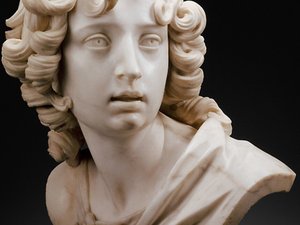
francesco mochi
1580 - 1654 , Italy
Quick Facts
- Artistic Movement Or Style: Baroque Sculpture
- Artists Or Movements Influenced By This Artist:
- Gian Lorenzo Bernini
- Renaissance Art
- Artists Who Influenced This Artist:
- Giambologna
- Camillo Mariani
- Pietro Bernini
- Date Of Birth: 1580 Montevarchi
- Date Of Death: 1654 Rome
- Full Name: Francesco Mochi
- Nationality: Italian
- Notable Artworks:
- Bust of a Youth
- Equestrian Statue of Alessandro Farnese
- Winter Landscape (pair Of)
- Saint Veronica statue
- Christ Receiving Baptism
- Taddeus
- Saints Peter and Paul
- Saint Martha for the Barberini Family Chapel
- Place Of Birth: Italy

