 Preview
 Send
Send Share
Share
 Details

 Download
 Similars
 X-Ray
X-Ray Diaporama
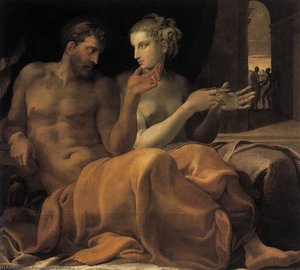
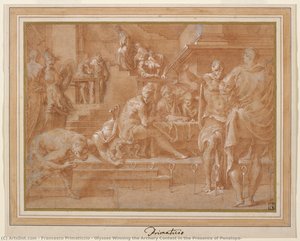
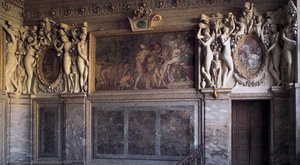
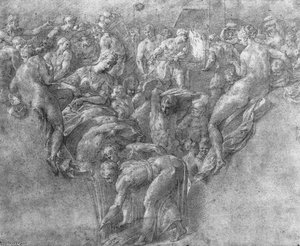
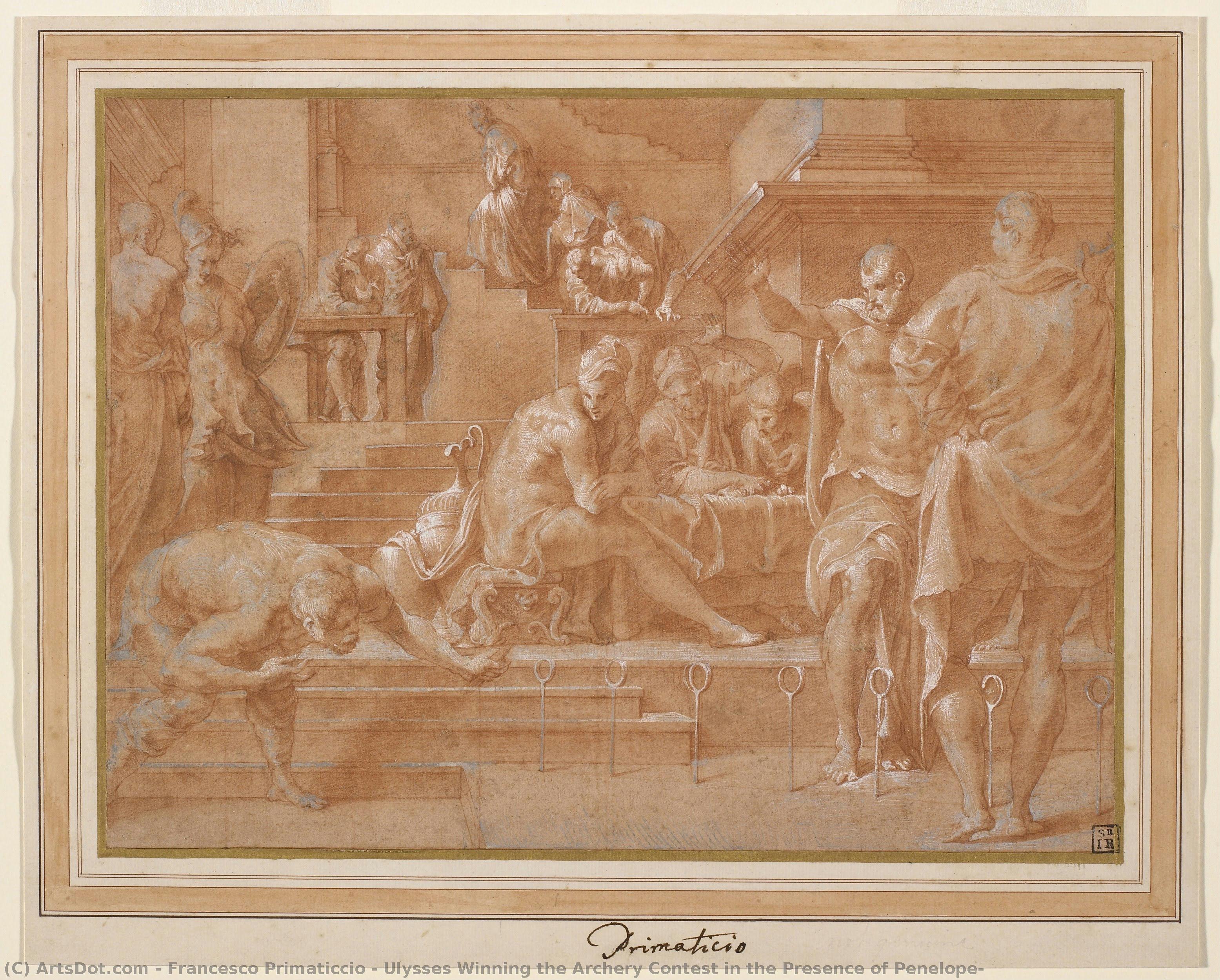
Ulysses Winning the Archery Contest in the Presence of Penelope
 Acrylic On Canvas
- WallArt
- Italian Mannerism
 1559
1559 24.0 x 32.0 cm
 National Museums Liverpool
 Read More
Giclée / Art Print
Museum-quality giclée or canvas print with fast production and flexible finish options. ( Buy Hand Made Painting Buy Image)




P118B $10

P118H $10

P118W $10

P438Z $10

P508JH $12

P508YH $12

P805H $10

P805Z $10

P919BZ $10

P919G $10

P919XJ $10

P959ZH $10

P968JZ $12

W106C $8

W218G $10

W218JH $8

W218Y $10

W307PJ $10

W316G $10

W316PJ $8

W316Y $10

W398PJ $8

W4111J $10

W500HY $15

W500JH $15

W692G $12

W849H $8

W940BG $15

W953PJ $8




Pick from our preset sizes that match the artwork's original proportions.

You may enter your own dimensions to fit a specific frame or space. If your selected size does not match the original image's proportions, we will either crop the artwork or extend the image with a mirrored or solid-fill edge. A digital mockup will be sent for your approval before production begins.
Please note that the on-screen preview does not reflect the actual cropping or extension. Only the mockup will accurately show the final composition.
While custom sizes are available, we recommend selecting a dimension from the predefined list to preserve the original proportions.
Worldwide Delivery () in 2 weeks instead of standard 4/5 weeks. (26 August)

Free Worldwide Express Shipping

High-Quality Linen Canvas

Full Shipping Insurance

Customs Tax Refund Guarantee

True Color Matching Guarantee

60-Day Return Policy (Defects Only)

100% Money-Back Guarantee

Bulk Discount Offer
 Glass option is only available in size under 110 CM

Ulysses Winning the Archery Contest in the Presence of Penelope
Giclée / Art Print
Reproduction Size
-


Total Price
$ 63
Collectible Description
A Moment of Triumph Amidst Homeric Grandeur
Francesco Primaticcio’s “Ulysses Winning the Archery Contest in the Presence of Penelope” is more than just a depiction of a scene from Homer's Odyssey; it’s a testament to the enduring power of myth and masterful artistic execution. Painted in 1559, this fresco fragment embodies the opulent Mannerist style prevalent at Fontainebleau Palace under Henry II, reflecting the ambitions of royal patronage and a fascination with classical ideals. The artwork captures a pivotal moment from Odysseus's return journey – Ulysses demonstrating his prowess in archery before Penelope, his wife, symbolizing not only physical skill but also strategic intelligence and unwavering devotion.Style and Technique: Fontainebleau’s Luxurious Vision
Primaticcio’s approach aligns perfectly with the Fontainebleau Mannerist aesthetic, characterized by dramatic lighting, exaggerated poses, and meticulous attention to detail. Unlike the serene idealism of Raphael himself—whose influence Primaticcio undoubtedly absorbed—this fresco leans into theatricality. The artist employs a technique rooted in disegno, emphasizing line drawing and tonal modulation to create depth and illusionistic realism. Note the careful rendering of textures – the draped fabrics, the polished surfaces of the table – demonstrating a dedication to capturing the materiality of the space and conveying its grandeur. Primaticcio skillfully utilizes chiaroscuro, highlighting Ulysses’s figure against Penelope and the surrounding figures, drawing viewers' eyes directly to the central drama.Historical Context: Rediscovering Antiquity
The fresco’s creation coincided with a fervent revival of interest in classical art and architecture across Europe. Fontainebleau Palace, commissioned by Henry II, served as a crucible for artistic experimentation, aiming to emulate the glories of ancient Rome and Greece. Primaticcio was tasked with designing elaborate decorative schemes that celebrated royal authority and upheld humanist values. This artwork reflects this broader cultural movement—a deliberate effort to recapture the grandeur and harmony considered hallmarks of antiquity. The inclusion of dogs symbolizes loyalty and guardianship, mirroring themes prevalent in Greek mythology and reinforcing the importance of fidelity within marriage.Symbolism: Triumph Over Adversity and Domestic Harmony
Beyond its visual splendor, “Ulysses Winning the Archery Contest” carries profound symbolic weight. Ulysses’s victory represents overcoming obstacles—the arduous journey home from Troy—and asserting dominance through intellect and skill. Penelope embodies constancy and resilience, representing the ideal wife who awaits her husband's return with unwavering patience. The setting itself – a richly furnished dining room – symbolizes domestic tranquility and prosperity, highlighting the values cherished by Renaissance nobility. Primaticcio’s masterful composition elevates this simple narrative into an emblem of human achievement and enduring love.Emotional Impact: Capturing Homeric Drama
Ultimately, Primaticcio succeeds in conveying the emotional core of Homer's Odyssey. The scene pulsates with energy—the competitive spirit of the archery contest, the palpable anticipation surrounding Ulysses’s return. Viewers are drawn into the drama unfolding before them, experiencing a vicarious thrill at Ulysses’s triumph and appreciating the beauty of Penelope’s unwavering devotion. This fresco remains an enduring reminder of Homer's timeless tale and Primaticcio’s unparalleled ability to translate mythic grandeur into breathtaking visual art.Related Artworks


Artist Biography
Raphael: The Harmonious Master of High Renaissance Rome
Raphael Sanzio, a name synonymous with grace, beauty, and intellectual depth, remains one of the most beloved figures in Western art history. Born Raffaello Santi in Urbino around March 28 or April 6, 1483 – dates that have been debated for centuries – his life was tragically short, ending on April 6, 1520, at the age of 37. Yet within those brief years, he produced a body of work that profoundly shaped the High Renaissance and continues to inspire awe today. His story is not merely one of artistic talent; it’s a tale interwoven with family legacy, competitive rivalry, and the vibrant cultural currents of early 16th-century Italy. Raphael's lineage played a crucial role in his formative years. His father, Giovanni Santi, was a court painter to the Duke of Urbino, an environment steeped in artistic patronage and intellectual discourse. This exposure instilled in young Raphael a deep appreciation for art and its potential. Giovanni’s untimely death when Raphael was just eleven years old thrust him into a position of responsibility within the family workshop, where he honed his skills under the tutelage of his father and later, Pietro Perugino, a prominent Florentine painter known for his serene and devotional works. This early training laid the foundation for Raphael's distinctive style – characterized by its clarity, balance, and harmonious composition. He spent time in Florence, absorbing the influence of masters like Leonardo da Vinci and Michelangelo, though he quickly developed his own unique voice, distinct from their more dramatic or experimental approaches.Early Influences and Artistic Development
Raphael’s artistic journey was marked by a gradual evolution, influenced by the diverse artistic traditions he encountered throughout Italy. His early works in Florence, such as the *Madonna of the Meadow* (1496-97), demonstrate a clear debt to Perugino's style – a focus on idealized beauty and a delicate rendering of light and shadow. However, even at this stage, Raphael began to introduce elements of his own personality into the compositions, notably through the expressive gestures of the figures and the vibrant colors. His time in Rome proved transformative. He was invited by Pope Julius II to work on the decoration of the Vatican Palace, a commission that provided him with unprecedented opportunities for artistic exploration and collaboration. This period witnessed the creation of some of his most celebrated works, including the *School of Athens* (1509-1511) in the Raphael Rooms – a monumental fresco depicting philosophers from antiquity, embodying the humanist ideals of the Renaissance. The *Sistine Madonna* (1512-1514), commissioned for the church of San Sisto in Piacenza, further solidified his reputation as a master of composition and color, showcasing his ability to convey both spiritual depth and visual beauty.Style and Technique: Harmony and Idealization
Raphael’s artistic style is often described as embodying the ideals of High Renaissance harmony and grace. Unlike the dramatic intensity of Michelangelo or the enigmatic subtlety of Leonardo da Vinci, Raphael sought to achieve a sense of balance, clarity, and intellectual order in his works. His figures are rendered with exquisite anatomical accuracy and idealized beauty, reflecting a deep understanding of classical art and human proportions. He was particularly adept at capturing fleeting moments of emotion and interaction, imbuing his paintings with a sense of vitality and immediacy. His use of color was masterful – employing a rich palette of warm tones and subtle gradations to create depth and luminosity. Furthermore, Raphael’s innovative approach to perspective and composition—particularly evident in *The School of Athens*—demonstrated his intellectual curiosity and technical skill. He wasn't simply copying; he was synthesizing influences and forging something entirely new.Major Works and Legacy
Raphael’s prolific output during his short career includes a vast array of paintings, frescoes, drawings, and architectural designs. Beyond the *School of Athens* and *Sistine Madonna*, key works include *The Transfiguration* (1506), a powerful depiction of Christ's transformation; numerous Madonnas, each capturing a unique aspect of maternal love and devotion; and portraits that reveal an extraordinary ability to capture the personality and character of his subjects. His architectural contributions are equally significant, notably his designs for the Villa Farnesina in Rome, which showcase his understanding of classical principles and his skill in creating harmonious spaces. Despite his untimely death at the age of 37, Raphael’s influence on subsequent generations of artists is immeasurable. He became known as “the painter of painters,” admired not only for his technical brilliance but also for his ability to inspire and mentor other artists. His emphasis on clarity, harmony, and idealized beauty profoundly shaped the course of Western art, establishing a standard of excellence that continues to be emulated today. His legacy lives on through countless reproductions, scholarly studies, and, most importantly, in the enduring power of his magnificent works of art – testaments to a life lived with extraordinary passion and creativity.Historical Significance
Raphael’s rise coincided with a period of immense cultural and intellectual ferment in Italy—the High Renaissance. He was deeply involved in the humanist movement, which emphasized classical learning and human potential. His work reflects this spirit of inquiry and innovation, as he sought to synthesize ancient wisdom with contemporary artistic practices. Furthermore, Raphael's career unfolded amidst intense rivalry with Leonardo da Vinci and Michelangelo – three of the most influential artists of the era. While their styles differed significantly, they all shared a commitment to excellence and pushed the boundaries of artistic expression. Raphael’s success in navigating this competitive environment speaks volumes about his talent and determination. His work remains a cornerstone of the Western art canon, offering a profound insight into the ideals and aspirations of the Renaissance—a period that continues to captivate and inspire us centuries later.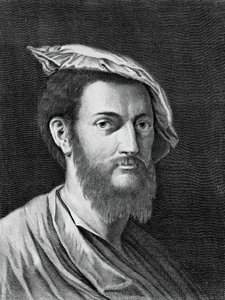
francesco primaticcio
1504 - 1570 , Italy
Quick Facts
- Artistic Movement Or Style: High Renaissance
- Artists Or Movements Influenced By This Artist: ['Giovanni Santi']
- Artists Who Influenced This Artist: ['Pietro Perugino']
- Date Of Birth: March 28, 1483
- Date Of Death: April 6, 1520
- Full Name: Raffaello Sanzio da Urbino
- Nationality: Italian
- Notable Artworks:
- Sistine Madonna
- The School of Athens
- Raphael Rooms
- Place Of Birth: Urbino, Italy
Related Articles
Winslow Homer's Masterpieces: 25 Iconic Paintings & Their Enduring Legacy | ArtsDot
Explore 25 iconic Winslow Homer paintings – from dramatic seascapes to poignant genre scenes. Discover the stories behind American realism's master & find museum-quality reproductions for your home at ArtsDot.com.
Mannerism: Bridging Renaissance Harmony & Baroque Drama – A Study of Style & Affectation
Explore the fascinating world of Mannerism! Discover its key characteristics, pioneering artists like Pontormo & Bronzino, and its pivotal role in bridging Renaissance harmony to Baroque drama. A comprehensive guide for art enthusiasts.
American Realism's Defining Works: 10 Masterpieces for Your Home
Explore 10 defining American Realism masterpieces – Hopper, Homer & more. Discover the stories behind these iconic paintings and bring timeless art to your home with ArtsDot's museum-quality reproductions. Explore the full collection online.
Mannerism's Masters: 10 Artworks That Redefined Renaissance Style | ArtsDot
Explore 10 defining Mannerism masterpieces – from Pontormo to El Greco. Discover the stories behind these Renaissance paintings, their unique style & symbolism. Find museum-quality art reproductions at ArtsDot.com and elevate your home decor.
Renaissance Mannerism: Style, Subtlety & the Transition from Harmony to Artifice
Explore the captivating world of Renaissance Mannerism! Discover its key characteristics, pioneering artists like Pontormo & Bronzino, and its pivotal role in art history. Expert insights & museum-quality reproductions at ArtsDot.