 Preview
 Send
Send Share
Share
 Details

 Download
 Similars
 X-Ray
X-Ray Diaporama
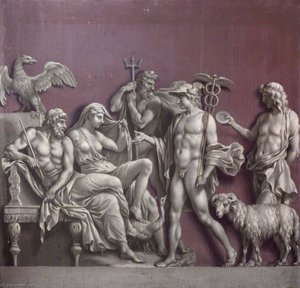
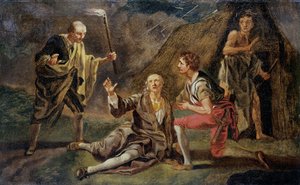
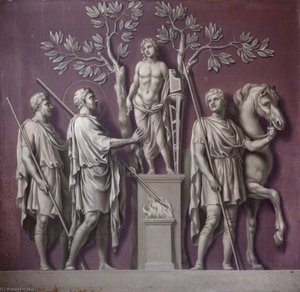
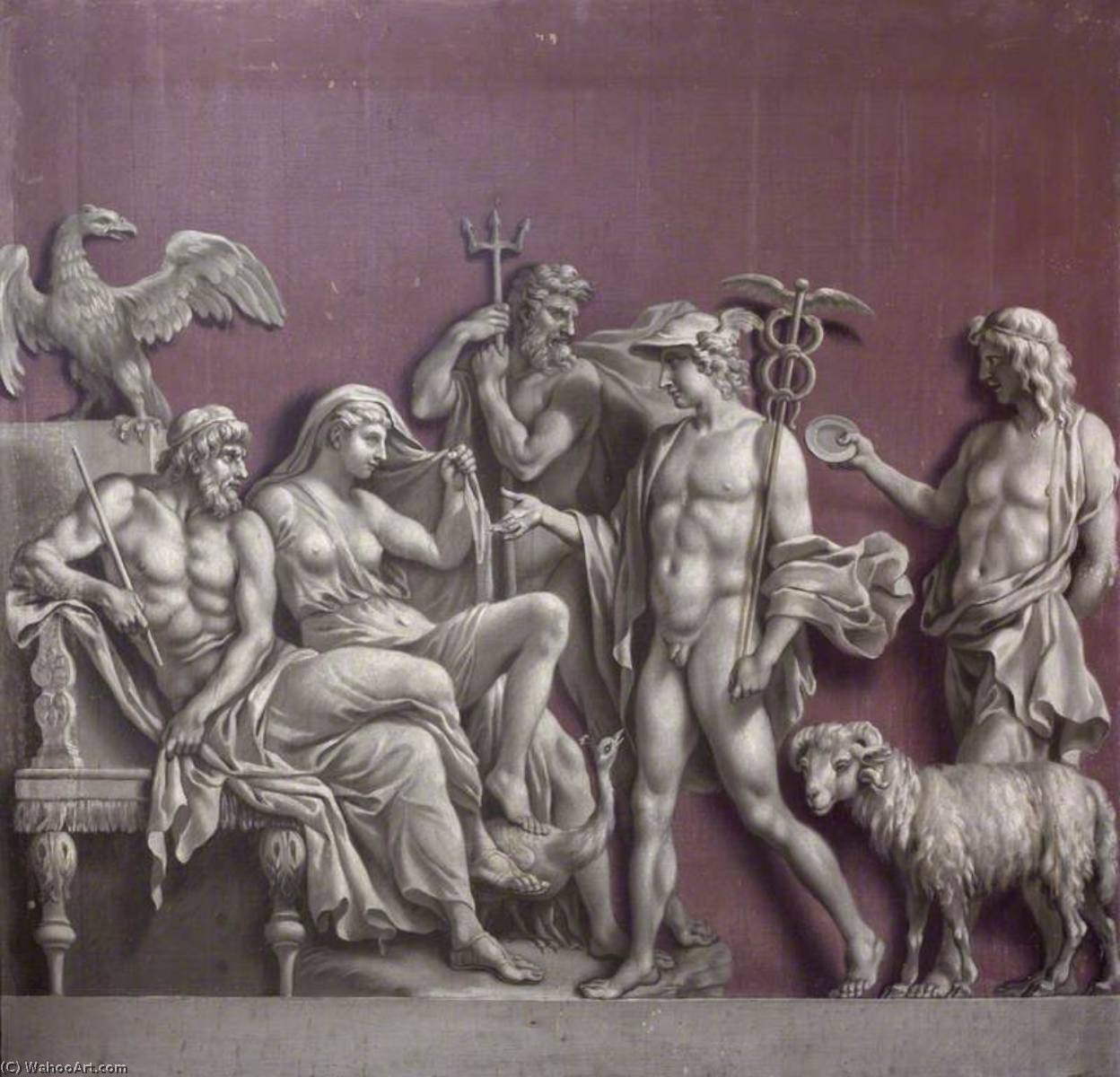
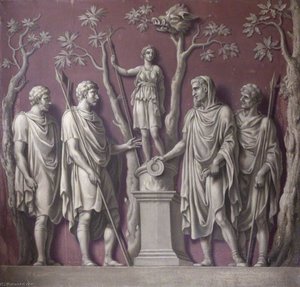
Mercury Delivering a Message to Jupiter and Juno, with Neptune in Attendance (from an antique relief in the Museo Angelonio)
 Oil On Panel
- Neoclassicism
 92.0 x 92.0 cm
 National Trust
 Read More
Hand Made Oil Reproduction
Hand-painted oil on canvas in your size and frame, made to order by our artists. ( Buy Print Buy Image)




P118B $10

P118H $10

P118W $10

P438Z $10

P508JH $12

P508YH $12

P805H $10

P805Z $10

P919BZ $10

P919G $10

P919XJ $10

P959ZH $10

P968JZ $12

W106C $8

W218G $10

W218JH $8

W218Y $10

W307PJ $10

W316G $10

W316PJ $8

W316Y $10

W398PJ $8

W4111J $10

W500HY $15

W500JH $15

W692G $12

W849H $8

W940BG $15

W953PJ $8




Pick from our preset sizes that match the artwork's original proportions.

You may enter your own dimensions to fit a specific frame or space. If your selected size does not match the original image's proportions, we will either crop the artwork or extend the painting with additional hand-painted elements. A digital mockup will be sent for your approval before production begins.
Please note that the on-screen preview does not reflect the actual cropping or extension. Only the mockup will accurately show the final composition.
While custom sizes are available, we recommend selecting a dimension from the predefined list to preserve the original proportions.
After order, ArtsDot.com team will email client for instructions and provide a mockup preview
Worldwide Delivery () in 3/4 weeks instead of standard 5 weeks. (17 August). No compromise on quality.

Free Worldwide Express Shipping

High-Quality Linen Canvas

Full Shipping Insurance

Customs Tax Refund Guarantee

True Color Matching Guarantee

60-Day Return Policy (Defects Only)

100% Money-Back Guarantee

Bulk Discount Offer
 Glass option is only available in size under 110 CM

Mercury Delivering a Message to Jupiter and Juno, with Neptune in Attendance (from an antique relief in the Museo Angelonio)
Reproduction Medium
Reproduction Size
-


Total Price
$ 313
Artwork Description
A Divine Dialogue: Francis Hayman’s “Mercury Delivering a Message”
Francis Hayman's "Mercury Delivering a Message to Jupiter and Juno, with Neptune in Attendance (from an antique relief in the Museo Angelonio)" is more than just a meticulously rendered depiction of Roman mythology; it’s a vibrant tableau of power, diplomacy, and the subtle dance between gods. Painted in 1720, this oil on panel work captures a pivotal moment from classical legend – Mercury, swift-footed messenger of the gods, conveying an urgent message to Jupiter, king of the gods, and Juno, his formidable queen. The inclusion of Neptune, god of the sea, adds a layer of intrigue, suggesting perhaps a negotiation concerning the boundaries between realms or a warning regarding earthly affairs.
Hayman’s style firmly places this work within the Rococo tradition, yet it possesses a distinctly Neoclassical sensibility. He masterfully employs chiaroscuro – the dramatic interplay of light and shadow – to sculpt form and imbue the figures with an almost palpable sense of volume. The musculature of Mercury is powerfully rendered, conveying his speed and agility, while Juno’s regal bearing speaks volumes about her authority. Notice how Hayman doesn't shy away from depicting the details of their garments; the flowing drapery, the intricate folds, all contribute to a feeling of luxurious opulence and divine grandeur.
The Echoes of Antiquity: Inspiration and Influence
The painting’s genesis lies in an antique relief sculpture housed within the Museo Angelonio in Rome – a testament to Hayman's deep engagement with classical art. Pietro Santo Bartoli’s “Admiranda Romanarum Antiquitatum Monumenta” (1693), from which the relief was taken, provided the initial composition and narrative framework for Hayman’s interpretation. This connection to antiquity is crucial; it underscores the painting’s ambition – not merely to illustrate a myth but to evoke the spirit of Rome itself, its ideals of order, reason, and artistic excellence.
Hayman wasn't simply copying an ancient model, however. He skillfully adapted and transformed the original scene, imbuing it with his own stylistic flair. The composition is dynamic, drawing the eye across the canvas through a carefully orchestrated arrangement of figures and gestures. The background, rendered in deep purple-red hues, creates a sense of dramatic depth, reminiscent of Roman palace interiors – further reinforcing the painting’s connection to its classical roots.
Symbolism Woven into the Fabric
Beyond the immediate narrative, “Mercury Delivering a Message” is rich with symbolic meaning. Mercury himself, often associated with Hermes in Greek mythology, represents communication, intelligence, and commerce. His winged sandals symbolize his swiftness and ability to traverse both earthly and divine realms. Jupiter’s imposing presence signifies authority and justice, while Juno embodies marital harmony and the protection of the state. Neptune's inclusion hints at the potential for conflict or the importance of maintaining balance between power and the sea – a metaphor perhaps for the unpredictable nature of human affairs.
The sheep resting at the base of the relief, a recurring motif in Roman art, symbolizes innocence and sacrifice—a subtle reminder of the moral complexities inherent within even the most glorious myths. The eagle perched above Mercury further reinforces his connection to Zeus, the king of the gods, solidifying the painting’s thematic core.
A Masterpiece for the Collector: Detail and Legacy
Francis Hayman's "Mercury Delivering a Message" is a remarkable achievement – a testament to his skill as a painter and his deep understanding of classical art. Measuring 92 x 92 cm, this piece commands attention with its intricate detail, dramatic lighting, and compelling composition. The use of oil paint on panel allows for rich colors and subtle gradations of tone, creating a sense of depth and realism that is both captivating and enduring.
Reproductions of this artwork offer an exceptional opportunity to bring the grandeur of Roman mythology into any setting. Whether adorning a grand salon or adding a touch of classical elegance to a contemporary space, “Mercury Delivering a Message” remains a timeless masterpiece—a window into the world of gods and heroes, rendered with exquisite skill and profound artistic vision. Its historical significance, combined with Hayman’s masterful technique, ensures its continued appeal for discerning collectors and art enthusiasts alike.
Related Artworks
Artist Biography
The Dramatic Vision of Francis Hayman
In the vibrant, shifting landscape of eighteenth-century British art, few figures possessed the versatile brilliance of Francis Hayman. Born in Exeter in 1708, Hayman did not merely observe the cultural evolution of his era; he actively shaped its visual language. His journey began far from the refined galleries of London, rooted instead in the ephemeral and high-stakes world of theatrical scenery. This early immersion in the dramatic arts provided him with a unique advantage, instilling a profound understanding of composition, light, and narrative tension that would later define his mastery of the Rococo style. As he transitioned from a scenic painter to an independent artist in St Martin's Lane, Hayman brought with him a storyteller’s soul, capable of transforming a static canvas into a window onto a theatrical moment.
The aesthetic essence of Hayman’s work is deeply intertwined with the Rococo movement, an era characterized by grace, ornament, and a certain lighthearted elegance. Drawing inspiration from the opulent French masters such as François Boucher, Hayman embraced a palette of delicate pastels and fluid, rhythmic brushstrokes. Yet, his work was never purely decorative; it possessed a structural integrity informed by classical ideals. Through his connection to the burgeoning intellectual circles of London, he integrated a sense of proportion and form that allowed his portraits to transcend mere likeness, capturing instead the very essence of character and social standing.
A Legacy of Royal Academy and Narrative Mastery
Hayman’s historical significance is anchored by his foundational role in the establishment of the Royal Academy. As a founding member and the institution's inaugural librarian, he helped lay the groundwork for professional artistic standards in Britain. This position of influence allowed him to bridge the gap between the popular, often boisterous, entertainment of the masses and the high-minded pursuits of the academic elite. His ability to navigate these different worlds is perhaps best seen in his diverse body of work, which ranges from the monumental to the intimate.
His artistic repertoire was remarkably expansive, showcasing a talent that could pivot between genres with seamless ease:
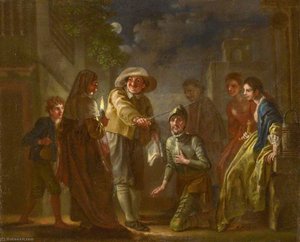
- Theatrical and Literary Scenes: Hayman possessed a rare ability to breathe life into literature, creating evocative depictions of Shakespearean drama and lively scenes from Don Quixote, such as the spirited moment of the innkeeper knighting the knight.
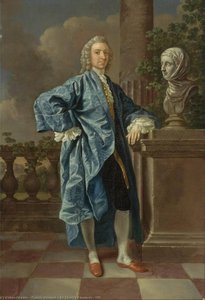
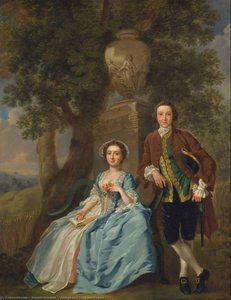
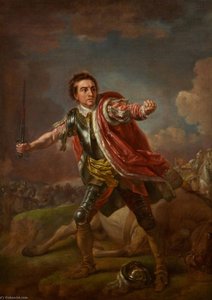
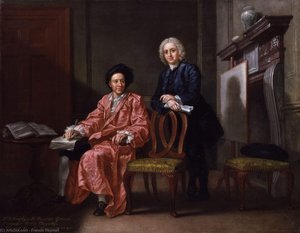
- Portraiture: He became a sought-after chronicler of his age, capturing the charisma of legendary actors like David Garrick and the aristocratic elegance of figures such as Dr. Charles Chauncey, MD.
- Decorative Commissions: His work for the Vauxhall Pleasure Gardens demonstrated his skill in large-scale storytelling, where he used art to enhance the public's sensory experience of leisure and joy.
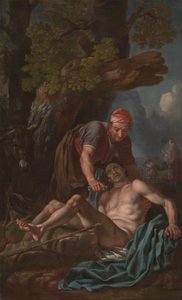
- Biblical and Mythological Themes: Through works like The Good Samaritan, Hayman utilized his Rococo sensibilities to explore profound themes of compassion, charity, and divine interaction.
Ultimately, the life of Francis Hayman was a testament to the power of visual storytelling. By blending the theatricality of the stage with the refined elegance of the Rococo, he created a body of work that remains a vital window into the Enlightenment era. His legacy persists not only in the canvases that bear his name but in the very structure of British art history, marking him as a true pioneer who helped elevate the status of the painter from craftsman to academic master.
Francis Hayman
1708 - 1776 , United Kingdom
Quick Facts
- Artistic Movement Or Style: Rococo, Portraiture
- Artists Or Movements Influenced By This Artist: ['Gainsborough']
- Artists Who Influenced This Artist: ['Joshua Reynolds']
- Date Of Birth: 1708, Exeter
- Date Of Death: 1776, London
- Full Name: Francis Hayman
- Nationality: English
- Notable Artworks:
- Hamlet Scene
- Dancing Milkmaids
- Wapping Landlady
- Place Of Birth: Exeter, UK
Related Articles

Bronze Sculptures That Defined Art History | ArtsDot
Journey through art history with our Top 10 bronze sculptures! Explore masterpieces by Rodin, Michelangelo & more. Discover stories behind iconic statues and find museum-quality reproductions for your home decor at ArtsDot.com.

The Enduring Form: Exploring Themes & Techniques in Sculpture Across Historical Periods
Explore the rich history of sculpture from ancient masterpieces to contemporary innovations. Discover key techniques, influential artists & investment potential for discerning art collectors.
The Enduring Form: Sculpture Across History, Technique & Emotional Resonance
Explore the rich history of sculpture with ArtsDot. Discover key techniques, influential artists & investment potential for discerning collectors. Expert insights into valuing and collecting timeless masterpieces.

Bronze Age to Modern Masters: 10 Sculptures That Redefined Art | ArtsDot
Journey through art history with 10 legendary bronze sculptures – from Michelangelo's David to Rodin’s Thinker. Explore the stories, techniques & timeless beauty of these masterpieces. Find museum-quality reproductions & elevate your home decor on ArtsDot.com.
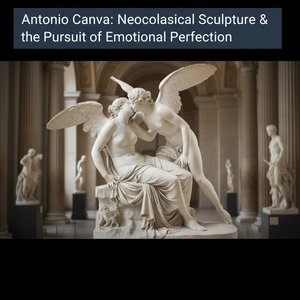
Antonio Canova: Neoclassical Sculpture & the Pursuit of Emotional Perfection
Explore the life & art of Antonio Canova, the greatest Neoclassical sculptor. Discover his masterpieces, innovative techniques, and lasting influence on fine art collecting. Expert insights for discerning investors.