 Preview
 Send
Send Share
Share
 Details

 Download
 Similars
 X-Ray
X-Ray Diaporama
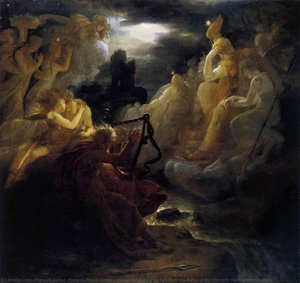
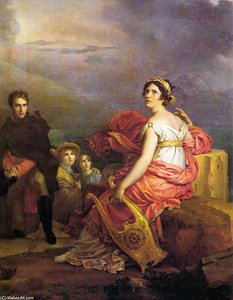
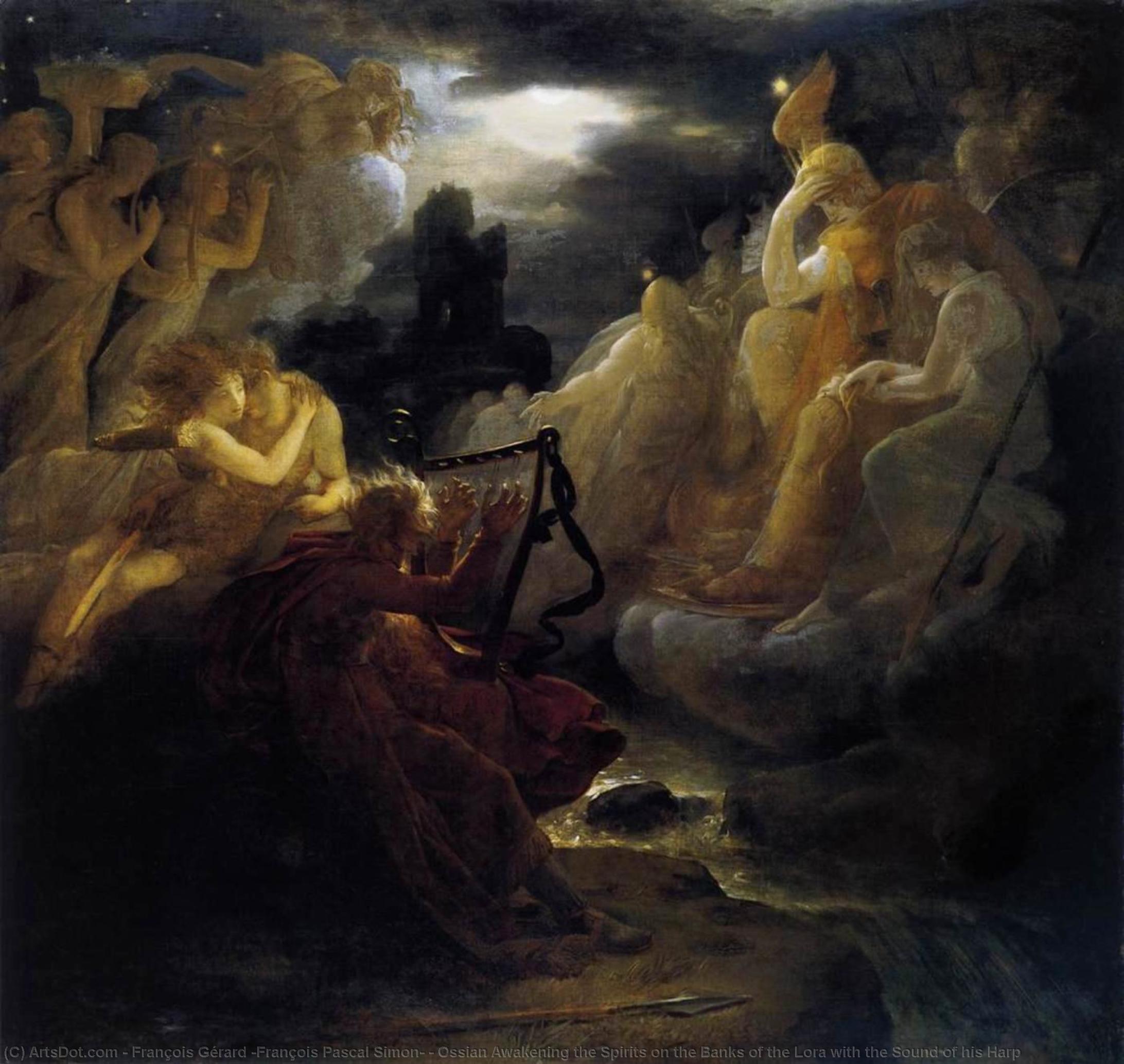
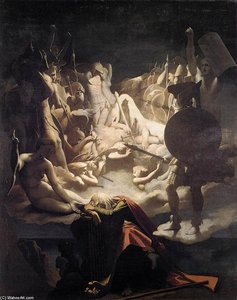
Ossian Awakening the Spirits on the Banks of the Lora with the Sound of his Harp
 Romanticism
 184.0 x 194.0 cm
 Hamburger Kunsthalle
 Read More
Hand Made Oil Reproduction
Hand-painted oil on canvas in your size and frame, made to order by our artists. ( Buy Print Buy Image)




































Pick from our preset sizes that match the artwork's original proportions.

You may enter your own dimensions to fit a specific frame or space. If your selected size does not match the original image's proportions, we will either crop the artwork or extend the painting with additional hand-painted elements. A digital mockup will be sent for your approval before production begins.
Please note that the on-screen preview does not reflect the actual cropping or extension. Only the mockup will accurately show the final composition.
While custom sizes are available, we recommend selecting a dimension from the predefined list to preserve the original proportions.
After order, ArtsDot.com team will email client for instructions and provide a mockup preview
Worldwide Delivery () in 3/4 weeks instead of standard 5 weeks. (16 August). No compromise on quality.

Free Worldwide Express Shipping

High-Quality Linen Canvas

Full Shipping Insurance

Customs Tax Refund Guarantee

True Color Matching Guarantee

60-Day Return Policy (Defects Only)

100% Money-Back Guarantee

Bulk Discount Offer
 Glass option is only available in size under 110 CM

Ossian Awakening the Spirits on the Banks of the Lora with the Sound of his Harp
Reproduction Medium
Reproduction Size
-


Total Price
$ 388
Related Artworks
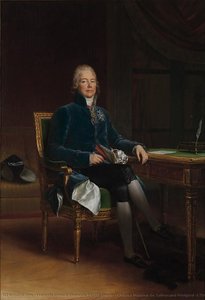
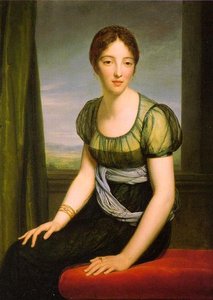
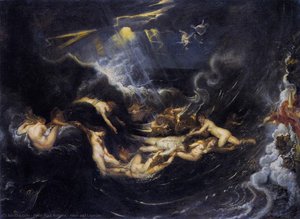
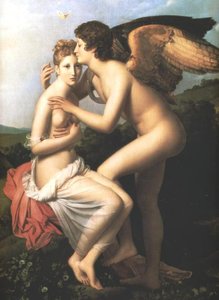
Artist Biography
François Boucher: The Architect of Rococo
François Boucher, born in Paris in 1703, stands as a pivotal figure in the history of French art, inextricably linked to the rise and flourishing of the Rococo style. More than simply a painter, he was an orchestrator – a master designer who shaped interiors, costumes, and decorative arts, effectively defining the aesthetic sensibilities of his era. His career, spanning nearly five decades, witnessed a remarkable evolution from humble beginnings as a printmaker to becoming the most celebrated artist in the service of Louis XV, a testament to his unparalleled skill and astute understanding of royal patronage. Boucher’s legacy isn't confined to individual masterpieces; it resides in his profound influence on an entire artistic movement, transforming the grand, formal style of the Baroque into the intimate, sensual, and playful world of Rococo.Early Life and Artistic Foundations
Boucher’s early life was marked by relative obscurity. Born into a family of modest means, he initially supported himself through printmaking and engraving, skills honed during his apprenticeship with Jean de Jullienne, a prominent publisher and dealer in prints. This period proved crucial, exposing him to the works of masters like Antoine Watteau, whose delicate brushwork and idyllic landscapes would profoundly shape Boucher’s own artistic vision. Crucially, Boucher undertook a lengthy journey to Italy between 1728 and 1730, a formative experience that broadened his artistic horizons beyond the constraints of French tradition. He immersed himself in the works of Venetian painters like Titian and Veronese, absorbing their vibrant color palettes, dynamic compositions, and masterful use of light. Simultaneously, he studied the landscapes of Dutch masters, appreciating their meticulous detail and atmospheric effects – influences which would later manifest in his own pastoral scenes. Returning to Paris, Boucher began to establish himself as a painter, initially producing portraits and mythological subjects, demonstrating an early aptitude for capturing elegant figures and creating visually arresting compositions.The Rise of Rococo and Royal Patronage
Boucher’s career truly took flight with his admission to the Académie Royale de Peinture et de Sculpture in 1734, a pivotal moment that secured him royal recognition and opened doors to lucrative commissions. He quickly became associated with the burgeoning Rococo style, characterized by its emphasis on elegance, grace, eroticism, and playful subject matter. Unlike the solemnity of the Baroque, Rococo embraced intimacy, ornamentation, and a sense of frivolous delight. Boucher was exceptionally adept at translating these principles into his work, creating paintings that were both technically brilliant and emotionally engaging. His early works, such as *The Triumph of Venus*, showcased his mastery of color, composition, and idealized beauty – qualities highly valued by the court of Louis XV. He rapidly gained favor with Madame de Pompadour, the influential mistress of the king, who became a significant patron and played a crucial role in promoting Boucher’s career. This royal support afforded him unparalleled access to commissions for grand interiors, elaborate costumes, and lavish decorative schemes, solidifying his position as the leading artist of his time.Themes and Techniques: A Synthesis of Influences
Boucher's artistic output was remarkably diverse, encompassing mythological scenes, pastoral landscapes, portraits, and allegorical compositions. However, certain recurring themes and stylistic elements defined his distinctive oeuvre. He frequently depicted scenes from classical mythology, reimagining these narratives with a distinctly Rococo sensibility – softening the harshness of ancient tales with delicate colors, graceful figures, and sensual undertones. His pastoral paintings, inspired by the Dutch landscape tradition and the Italianate ideals of Arcadia, presented idyllic landscapes populated by charming shepherds and shepherdesses engaged in romantic pursuits. Boucher’s technical skill was equally impressive. He employed a meticulous technique, characterized by smooth brushwork, subtle gradations of color, and an almost photographic realism in his depictions of fabrics and textures. He skillfully manipulated light and shadow to create atmospheric effects and heighten the emotional impact of his scenes. Notably, he favored a high-toned palette dominated by pinks, blues, and golds – colors that perfectly complemented the opulent interiors of royal palaces and aristocratic salons.Legacy and Historical Significance
François Boucher’s influence on French art is undeniable. He not only popularized the Rococo style but also established a new visual language characterized by its elegance, sensuality, and decorative flair. His designs for interior decoration, furniture, and textiles were widely imitated, shaping the aesthetic of aristocratic residences throughout Europe. Despite facing criticism later in his career – particularly from Denis Diderot who deemed him lacking in “truth” – Boucher remained a hugely popular artist during his lifetime. His works continue to be celebrated for their beauty, technical brilliance, and enduring appeal. He remains a cornerstone of the Rococo movement, a testament to the power of patronage, and an embodiment of the refined tastes of 18th-century France. His legacy extends beyond individual paintings; he essentially codified the visual language of a generation, leaving an indelible mark on the history of art.
françois gérard (françois pascal simon)
1770 - 1837 , Italy
Quick Facts
- Artistic Movement Or Style: Rococo
- Artists Or Movements Influenced By This Artist:
- Watteau
- Rococo
- Artists Who Influenced This Artist:
- Antoine Watteau
- Giovanni Battista Tiepolo
- Date Of Birth: 1703
- Date Of Death: 1770
- Full Name: François Boucher
- Nationality: French
- Notable Artworks:
- The Triumph of Venus
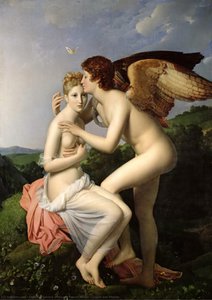
- Psyche Revived by Cupid's Kiss
- Design for a Funeral Monument
- Place Of Birth: Paris, France
Related Articles

The Enduring Legacy of Oil on Canvas: Technique, History & Aesthetic Impact
Explore the rich history & techniques of oil painting – from Renaissance masters to Impressionism. Discover pigments, layering methods, and why this timeless medium endures. Expert insights for artists & art enthusiasts.
Romantic Realism's Finest: 10 Masterpieces for Your Home | ArtsDot
Explore 10 defining masterpieces of Romantic Realism! Discover Courbet, Millet & Daumier's powerful paintings—capturing emotion and social realities. Find museum-quality reproductions for your home at ArtsDot.com.

Oil on Canvas: A Historical & Technical Exploration of a Timeless Artistic Medium
Explore the rich history & enduring techniques of oil painting on canvas. Discover the science behind its longevity, conservation practices, and contemporary relevance. Expert insights for art enthusiasts.

The Enduring Power of Painting: A Historical & Contemporary Exploration of Form and Emotion
Explore the rich history & enduring techniques of oil painting with ArtsDot. Discover masterpieces, learn about art collecting, and find authentic handmade reproductions crafted by skilled artists.

The Enduring Legacy of Oil on Canvas: Technique, History & Contemporary Practice
Explore the rich history & enduring techniques of oil painting on canvas. Discover the science behind its longevity, conservation practices, and contemporary relevance. Expert insights for art enthusiasts.