 Preview
 Send
Send Share
Share
 Details

 Download
 Similars
 X-Ray
X-Ray Diaporama
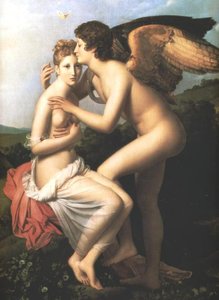
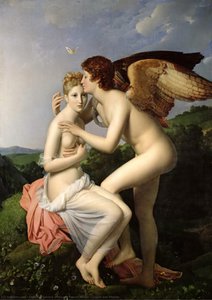
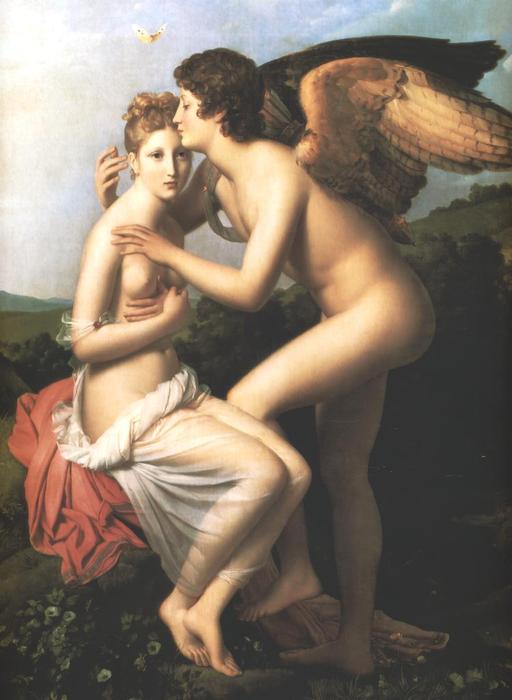
Psyche and Amour (also known as Cupid and Psyche)
 Oil On Canvas
- WallArt
- Rococo
 1798
1798- 19th Century
 1860.0 x 1320.0 cm
 The Louvre
 Read More
Hand Made Oil Reproduction
Hand-painted oil on canvas in your size and frame, made to order by our artists. ( Buy Print Buy Image)




P118B $10

P118H $10

P118W $10

P438Z $10

P508JH $12

P508YH $12

P805H $10

P805Z $10

P919BZ $10

P919G $10

P919XJ $10

P959ZH $10

P968JZ $12

W106C $8

W218G $10

W218JH $8

W218Y $10

W307PJ $10

W316G $10

W316PJ $8

W316Y $10

W398PJ $8

W4111J $10

W500HY $15

W500JH $15

W692G $12

W849H $8

W940BG $15

W953PJ $8




Pick from our preset sizes that match the artwork's original proportions.

You may enter your own dimensions to fit a specific frame or space. If your selected size does not match the original image's proportions, we will either crop the artwork or extend the painting with additional hand-painted elements. A digital mockup will be sent for your approval before production begins.
Please note that the on-screen preview does not reflect the actual cropping or extension. Only the mockup will accurately show the final composition.
While custom sizes are available, we recommend selecting a dimension from the predefined list to preserve the original proportions.
After order, ArtsDot.com team will email client for instructions and provide a mockup preview
Worldwide Delivery () in 3/4 weeks instead of standard 5 weeks. (16 August). No compromise on quality.

Free Worldwide Express Shipping

High-Quality Linen Canvas

Full Shipping Insurance

Customs Tax Refund Guarantee

True Color Matching Guarantee

60-Day Return Policy (Defects Only)

100% Money-Back Guarantee

Bulk Discount Offer
 Glass option is only available in size under 110 CM

Psyche and Amour (also known as Cupid and Psyche)
Reproduction Medium
Reproduction Size
-


Total Price
$ 263
Artwork Description
The Ethereal Embrace of Myth: Psyche and Amour
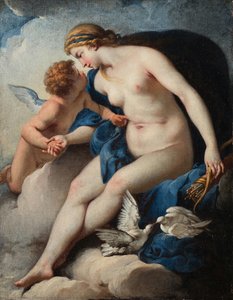
To gaze upon this depiction of Psyche and Amour, or Cupid and Psyche, is to be enveloped in a breath of pure, romantic mythology. François Gérard masterfully captures not merely a scene, but the very essence of divine longing and transcendent love. The composition immediately draws the eye to the central figures: Psyche, portrayed with delicate grace, held tenderly within the arms of Cupid—the winged embodiment of desire itself. This is more than just portraiture; it is an allegory rendered in paint, a visual poem celebrating the arduous journey from earthly separation to celestial union. The atmosphere surrounding them is palpably serene, imbued with the soft glow characteristic of its era.
Rococo Sensuality and Narrative Depth
Dating from 1798, this work stands firmly within the lingering echoes of Rococo sensibility, even as artistic tastes began to shift. While Gérard’s style carries a certain polished refinement, it retains the characteristic lightness, intimacy, and decorative quality associated with the movement that celebrated pleasure and emotion. The artist possesses an unparalleled gift for rendering skin tones and drapery with exquisite softness. Notice how the surrounding elements—the three gracefully placed birds, the subtly visible figures in the background—do not distract but rather weave a tapestry of narrative context. They serve as silent witnesses to this pivotal moment of connection, grounding the divine embrace within a believable, yet mythic, setting.
Symbolism Woven into Every Stroke
The symbolism inherent in Cupid and Psyche is rich and deeply resonant for the collector or admirer of classical art. The story itself speaks to the soul's journey toward self-acceptance and ultimate union with the divine—a perfect metaphor for enduring love. Cupid, winged and nude, represents irresistible passion, while Psyche embodies the human spirit, whose beauty and virtue are tested by trials before achieving eternal peace. Gérard handles these potent symbols with a delicate touch, ensuring that the emotional weight of their bond feels both monumental and utterly personal. It invites contemplation on the nature of devotion itself.
A Masterpiece for Inspired Interiors
For those who seek to infuse a space with the romance of antiquity and the elegance of high European art, this reproduction offers unparalleled depth. The scale, suggested by its grand dimensions, allows it to function as a breathtaking focal point in any drawing-room or salon. Its soft palette, dominated by gentle flesh tones, pale blues, and warm highlights, ensures that it complements luxurious textiles and refined furnishings without ever overwhelming them. Owning this piece is not merely decorating; it is curating an atmosphere—an ode to beauty, myth, and the enduring power of connection.
Related Artworks
![The Courtship Of Paris And Helen [detail 1] — Jacques-louis David, Neoclassical](/media/artworks/images/thumbnails/da/d9/dad913800b0c40ffb964066782c8425a.jpg)
Artist Biography
François Boucher: The Architect of Rococo
François Boucher, born in Paris in 1703, stands as a pivotal figure in the history of French art, inextricably linked to the rise and flourishing of the Rococo style. More than simply a painter, he was an orchestrator – a master designer who shaped interiors, costumes, and decorative arts, effectively defining the aesthetic sensibilities of his era. His career, spanning nearly five decades, witnessed a remarkable evolution from humble beginnings as a printmaker to becoming the most celebrated artist in the service of Louis XV, a testament to his unparalleled skill and astute understanding of royal patronage. Boucher’s legacy isn't confined to individual masterpieces; it resides in his profound influence on an entire artistic movement, transforming the grand, formal style of the Baroque into the intimate, sensual, and playful world of Rococo.Early Life and Artistic Foundations
Boucher’s early life was marked by relative obscurity. Born into a family of modest means, he initially supported himself through printmaking and engraving, skills honed during his apprenticeship with Jean de Jullienne, a prominent publisher and dealer in prints. This period proved crucial, exposing him to the works of masters like Antoine Watteau, whose delicate brushwork and idyllic landscapes would profoundly shape Boucher’s own artistic vision. Crucially, Boucher undertook a lengthy journey to Italy between 1728 and 1730, a formative experience that broadened his artistic horizons beyond the constraints of French tradition. He immersed himself in the works of Venetian painters like Titian and Veronese, absorbing their vibrant color palettes, dynamic compositions, and masterful use of light. Simultaneously, he studied the landscapes of Dutch masters, appreciating their meticulous detail and atmospheric effects – influences which would later manifest in his own pastoral scenes. Returning to Paris, Boucher began to establish himself as a painter, initially producing portraits and mythological subjects, demonstrating an early aptitude for capturing elegant figures and creating visually arresting compositions.The Rise of Rococo and Royal Patronage
Boucher’s career truly took flight with his admission to the Académie Royale de Peinture et de Sculpture in 1734, a pivotal moment that secured him royal recognition and opened doors to lucrative commissions. He quickly became associated with the burgeoning Rococo style, characterized by its emphasis on elegance, grace, eroticism, and playful subject matter. Unlike the solemnity of the Baroque, Rococo embraced intimacy, ornamentation, and a sense of frivolous delight. Boucher was exceptionally adept at translating these principles into his work, creating paintings that were both technically brilliant and emotionally engaging. His early works, such as *The Triumph of Venus*, showcased his mastery of color, composition, and idealized beauty – qualities highly valued by the court of Louis XV. He rapidly gained favor with Madame de Pompadour, the influential mistress of the king, who became a significant patron and played a crucial role in promoting Boucher’s career. This royal support afforded him unparalleled access to commissions for grand interiors, elaborate costumes, and lavish decorative schemes, solidifying his position as the leading artist of his time.Themes and Techniques: A Synthesis of Influences
Boucher's artistic output was remarkably diverse, encompassing mythological scenes, pastoral landscapes, portraits, and allegorical compositions. However, certain recurring themes and stylistic elements defined his distinctive oeuvre. He frequently depicted scenes from classical mythology, reimagining these narratives with a distinctly Rococo sensibility – softening the harshness of ancient tales with delicate colors, graceful figures, and sensual undertones. His pastoral paintings, inspired by the Dutch landscape tradition and the Italianate ideals of Arcadia, presented idyllic landscapes populated by charming shepherds and shepherdesses engaged in romantic pursuits. Boucher’s technical skill was equally impressive. He employed a meticulous technique, characterized by smooth brushwork, subtle gradations of color, and an almost photographic realism in his depictions of fabrics and textures. He skillfully manipulated light and shadow to create atmospheric effects and heighten the emotional impact of his scenes. Notably, he favored a high-toned palette dominated by pinks, blues, and golds – colors that perfectly complemented the opulent interiors of royal palaces and aristocratic salons.Legacy and Historical Significance
François Boucher’s influence on French art is undeniable. He not only popularized the Rococo style but also established a new visual language characterized by its elegance, sensuality, and decorative flair. His designs for interior decoration, furniture, and textiles were widely imitated, shaping the aesthetic of aristocratic residences throughout Europe. Despite facing criticism later in his career – particularly from Denis Diderot who deemed him lacking in “truth” – Boucher remained a hugely popular artist during his lifetime. His works continue to be celebrated for their beauty, technical brilliance, and enduring appeal. He remains a cornerstone of the Rococo movement, a testament to the power of patronage, and an embodiment of the refined tastes of 18th-century France. His legacy extends beyond individual paintings; he essentially codified the visual language of a generation, leaving an indelible mark on the history of art.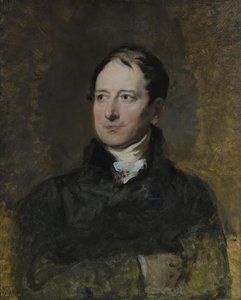
françois gérard (françois pascal simon)
1770 - 1837 , Italy
Quick Facts
- Artistic Movement Or Style: Rococo
- Artists Or Movements Influenced By This Artist:
- Watteau
- Rococo
- Artists Who Influenced This Artist:
- Antoine Watteau
- Giovanni Battista Tiepolo
- Date Of Birth: 1703
- Date Of Death: 1770
- Full Name: François Boucher
- Nationality: French
- Notable Artworks:
- The Triumph of Venus
- Psyche Revived by Cupid's Kiss
- Design for a Funeral Monument
- Place Of Birth: Paris, France
Related Articles

Rococo's Radiant Legacy: 10 Masterpieces for Your Home |
Indulge in the elegance of Rococo! Explore 10 masterpieces by Fragonard, Boucher & Watteau. Discover the stories behind these iconic paintings and bring timeless art to your home with museum-quality reproductions from .
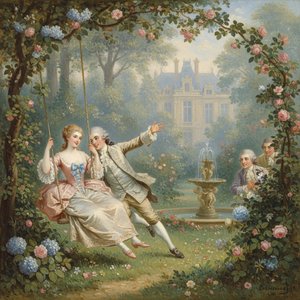
The Rococo Reverie of Fragonard: Love, Leisure & Pleasure in 18th-Century France
Explore the captivating world of Jean-Honoré Fragonard! Discover his Rococo masterpieces, intimate portraits & the allure of 18th-century French art. Learn about 'The Progress of Love' and more at ArtsDot.

The Rococo Aesthetic: Opulence, Rebellion & the Pursuit of Pleasure in 18th-Century Art
Explore the opulent world of Rococo art! Discover its origins, key artists like Watteau & Boucher, and lasting influence on design. Expert insights for collectors & enthusiasts.
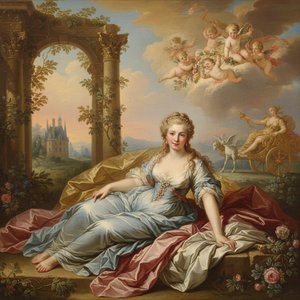
François Boucher: Rococo Master of Myth, Sensuality, and the French Court
Explore the captivating world of François Boucher, master of Rococo painting! Discover his iconic works, aristocratic patronage, and lasting influence on French art history. Learn more at ArtsDot.

The Allure of Elegance in Art: A Historical & Aesthetic Exploration of Refinement & Grace
Explore the exquisite world of Rococo art! Discover its history, masters (Watteau, Boucher & more), and defining elegance. Expert insights for collectors seeking museum-quality reproductions & custom portraits.