 Preview
 Send
Send Share
Share
 Details

 Download
 Similars
 X-Ray
X-Ray Diaporama
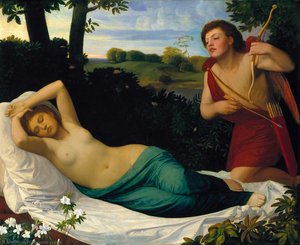
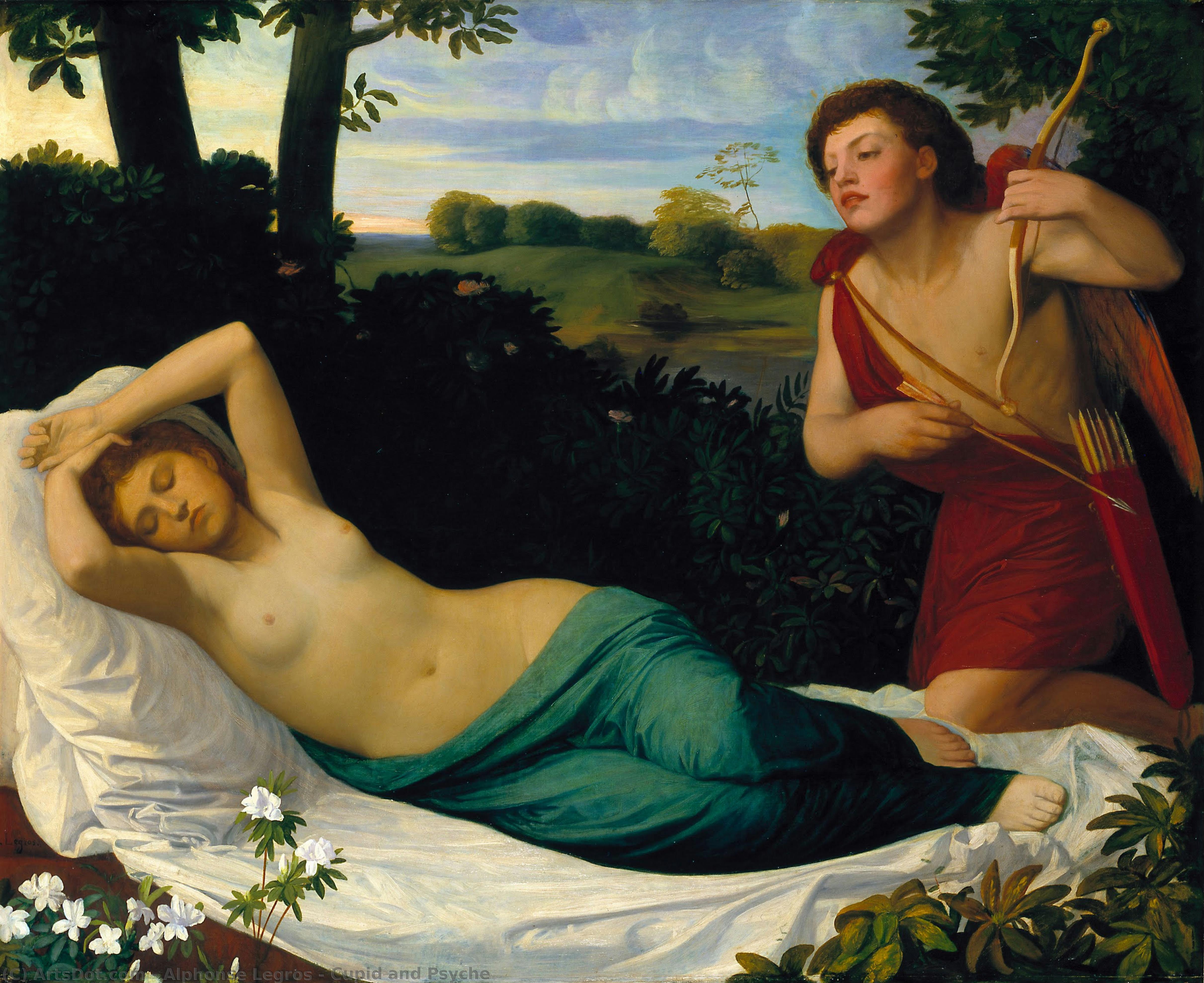
Cupid and Psyche
 Oil On Canvas
- WallArt
- Venetian Renaissance Influence
 1867
1867 141.0 x 116.0 cm
 Tate Britain
 Read More
Hand Made Oil Reproduction
Hand-painted oil on canvas in your size and frame, made to order by our artists. ( Buy Print Buy Image)




P118B $10

P118H $10

P118W $10

P438Z $10

P508JH $12

P508YH $12

P805H $10

P805Z $10

P919BZ $10

P919G $10

P919XJ $10

P959ZH $10

P968JZ $12

W106C $8

W218G $10

W218JH $8

W218Y $10

W307PJ $10

W316G $10

W316PJ $8

W316Y $10

W398PJ $8

W4111J $10

W500HY $15

W500JH $15

W692G $12

W849H $8

W940BG $15

W953PJ $8




Pick from our preset sizes that match the artwork's original proportions.

You may enter your own dimensions to fit a specific frame or space. If your selected size does not match the original image's proportions, we will either crop the artwork or extend the painting with additional hand-painted elements. A digital mockup will be sent for your approval before production begins.
Please note that the on-screen preview does not reflect the actual cropping or extension. Only the mockup will accurately show the final composition.
While custom sizes are available, we recommend selecting a dimension from the predefined list to preserve the original proportions.
After order, ArtsDot.com team will email client for instructions and provide a mockup preview
Worldwide Delivery () in 3/4 weeks instead of standard 5 weeks. (16 August). No compromise on quality.

Free Worldwide Express Shipping

High-Quality Linen Canvas

Full Shipping Insurance

Customs Tax Refund Guarantee

True Color Matching Guarantee

60-Day Return Policy (Defects Only)

100% Money-Back Guarantee

Bulk Discount Offer
 Glass option is only available in size under 110 CM

Cupid and Psyche
Reproduction Medium
Reproduction Size
-


Total Price
$ 263
Artwork Description
Cupid and Psyche: A Renaissance Reverie
The painting “Cupid and Psyche” by Alphonse Legros stands as a testament to the burgeoning humanist spirit of the late 1860s, capturing a pivotal moment in classical mythology with remarkable sensitivity and stylistic nuance. Executed in oil on canvas measuring 141 x 116 cm, this artwork embodies the influence of Venetian Renaissance painting—specifically Titian’s masterful depictions of reclining nude figures—while simultaneously grounding itself in the meticulous observation of naturalism characteristic of British Realism. Legros's deliberate choice of palette—dominated by muted earthy tones punctuated by splashes of crimson and gold—creates an atmosphere of serene contemplation, mirroring the idealized beauty of the biblical narrative it portrays.- Style: Venetian Renaissance Influence – Legros skillfully borrows compositional elements from Titian’s celebrated works like “Flora” and “Venus Disbathing,” prioritizing elegance and grace over dramatic gesture.
- Technique: Legros employed a glazing technique, layering thin translucent washes of pigment to achieve luminous skin tones and subtle gradations of color. This meticulous approach reflects the prevailing artistic ethos of the time, valuing precision and realism alongside aesthetic beauty.
- Composition: The figures are positioned in a horizontal embrace, mirroring the classical tradition of portraying idealized human forms. Cupid’s left arm rests casually on Psyche's thigh, conveying intimacy and vulnerability—a deliberate contrast to the heroic narratives prevalent in earlier artistic periods.
- Symbolism: The birds circling overhead serve as emblems of divine providence—a subtle reminder that Cupid and Psyche's happiness is ordained by the gods.
- Color Palette: The dominant earthy hues evoke a sense of pastoral tranquility, reflecting the Romantic fascination with nature’s restorative powers. However, the crimson accents symbolize passion and desire, highlighting the central theme of the narrative.
Related Artworks
Artist Biography
A Life Bridging Nations: The Artistic Journey of Alphonse Legros
Alphonse Legros, born in Dijon, France, in 1837, was an artist whose life and work embodied a fascinating intersection of artistic movements and national identities. His path wasn’t one of immediate acclaim but rather a gradual unfolding of talent nurtured by dedicated study and a willingness to embrace evolving aesthetic ideals. From humble beginnings as the son of an accountant in Véronnes, young Alphonse found early inspiration in the rural landscapes surrounding his family, scenes that would later permeate much of his artistic output. His initial training began at the Dijon art school, apprenticed to a house decorator, a grounding experience that instilled a practical understanding of materials and form. This was followed by a period as a journeyman wall-painter in Lyon, honing his skills while contributing to larger decorative projects. These formative years weren’t merely about technical proficiency; they were about absorbing the world around him – the textures of rural life, the play of light on stone, the dignity of everyday labor—elements that would become hallmarks of his mature style.From Realism to Etching Revival: Artistic Development and Influences
Legros’s arrival in Paris in 1851 marked a turning point. He immersed himself in the vibrant artistic milieu, studying with Charles-Antoine Cambon, a scene painter, and attending the prestigious drawing school of Lecoq de Boisbaudran, where he encountered fellow artists like Auguste Rodin and Jules Dalou. This period saw his first forays into the Salon system, gaining recognition for portraits that caught the eye of influential figures like Champfleury, who championed the Realist movement led by Gustave Courbet. Legros’s early work, such as *L'Angelus* (1859), demonstrated a commitment to depicting scenes from everyday life with honesty and emotional depth. However, it was his exploration of etching that truly set him apart. He essentially taught himself this technique, captivated by its potential for capturing subtle nuances of tone and texture. This dedication would eventually lead him to become a pivotal figure in the British etching revival. In 1863, encouraged by James McNeill Whistler, Legros relocated to England, a decision that profoundly shaped his career. He quickly established himself as an influential teacher, first at the South Kensington School of Art and later as Slade Professor at University College London, nurturing generations of artists in the art of etching.A Master of Multiple Mediums: Painting, Sculpture, and Medals
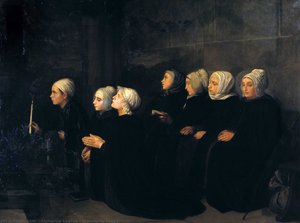
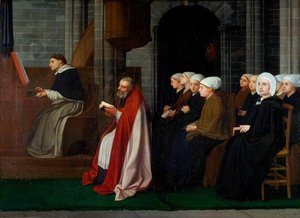
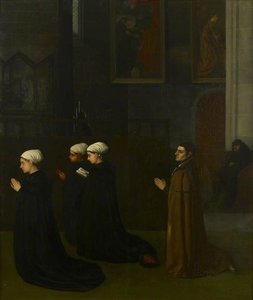
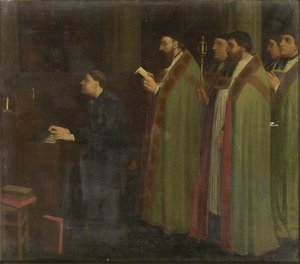
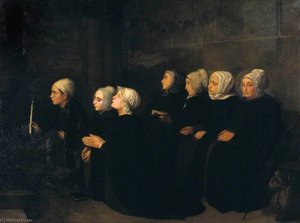
While Legros is often celebrated for his etchings, to define him solely by this medium would be a disservice to his multifaceted talent. He was equally adept as a painter and sculptor, and also created notable medals. His paintings frequently depicted scenes of religious devotion—interior church views with kneeling figures, capturing the quiet intensity of faith—and portraits that revealed a keen psychological insight into his subjects. These works are characterized by a restrained palette, meticulous detail, and a sense of solemnity. He wasn’t interested in grand narratives or flamboyant displays; instead, he focused on the intimate moments of human experience. His sculptural work, though less prolific than his paintings and etchings, demonstrated a similar commitment to realism and emotional depth. Furthermore, Legros's skill extended to the art of medal-making, producing pieces that were admired for their craftsmanship and artistic merit. He approached each medium with a dedication to technical mastery and a desire to convey profound meaning.Legacy and Historical Significance
Alphonse Legros died in Watford in 1911, leaving behind a rich legacy as both an artist and educator. His influence on the British art scene was considerable, particularly through his teaching at the Slade School of Art, where he instilled a rigorous approach to drawing and etching in countless students. He championed traditional artistic values—the importance of draftsmanship, careful observation, and technical skill—while also embracing new ideas and techniques. Legros’s work stands as a testament to the power of quiet contemplation and the enduring appeal of Realist aesthetics. His paintings and etchings can be found in prominent museums such as the Ashmolean Museum in Oxford and the Tate Gallery in London, ensuring that his artistic vision continues to inspire and captivate audiences today. He represents a bridge between French and British art traditions, embodying a commitment to both technical excellence and emotional honesty—qualities that continue to resonate with viewers and artists alike. His dedication to fostering artistic talent cemented his place as a pivotal figure in the development of modern British art.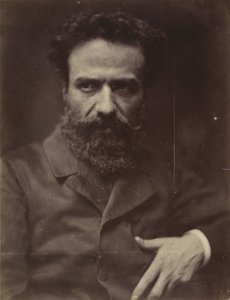
Alphonse Legros
1837 - 1911 , France
Quick Facts
- Artistic Movement Or Style: Realism
- Artists Or Movements Influenced By This Artist: ['Slade School artists']
- Artists Who Influenced This Artist:
- Gustave Courbet
- Charles-Antoine Cambon
- Date Of Birth: May 8, 1837
- Date Of Death: December 8, 1911
- Full Name: Alphonse Legros
- Nationality: French-British
- Notable Artworks:
- L'Angelus
- Interior with kneeling figures
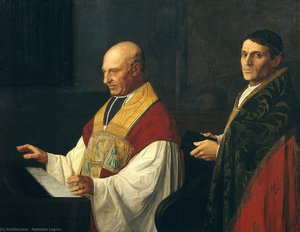
- Rehearsing the service
- Cupid and Psyche
- The Tinker
- Place Of Birth: Dijon, France
Related Articles

The Enduring Legacy of Oil on Canvas: Technique, History & Aesthetic Impact
Explore the rich history & techniques of oil painting – from Renaissance masters to Impressionism. Discover pigments, layering methods, and why this timeless medium endures. Expert insights for artists & art enthusiasts.

Oil on Canvas: A Historical & Technical Exploration of a Timeless Artistic Medium
Explore the rich history & enduring techniques of oil painting on canvas. Discover the science behind its longevity, conservation practices, and contemporary relevance. Expert insights for art enthusiasts.

The Enduring Legacy of Oil on Canvas: Technique, History & Contemporary Practice
Explore the rich history & enduring techniques of oil painting on canvas. Discover the science behind its longevity, conservation practices, and contemporary relevance. Expert insights for art enthusiasts.
Oil on Canvas Masters: 10 Paintings That Redefined Art History |
Journey through art history with our guide to 10 legendary oil on canvas masterpieces! Explore iconic works by Van Gogh, Monet & Rembrandt. Find museum-quality reproductions and elevate your home decor at . Discover all masterpieces online.

The Enduring Power of Painting: A Historical & Contemporary Exploration of Form and Emotion
Explore the rich history & enduring techniques of oil painting with ArtsDot. Discover masterpieces, learn about art collecting, and find authentic handmade reproductions crafted by skilled artists.