 Preview
 Send
Send Share
Share
 Details

 Download
 Similars
 X-Ray
X-Ray Diaporama
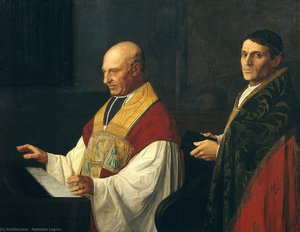
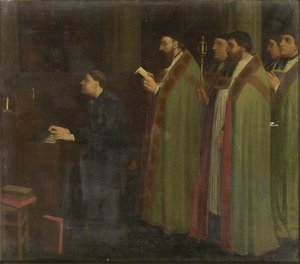
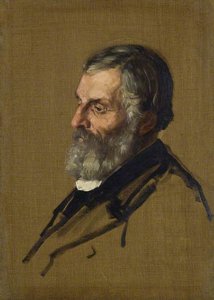
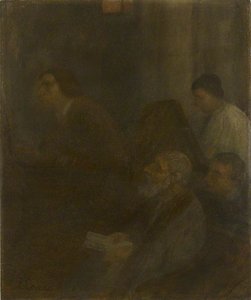
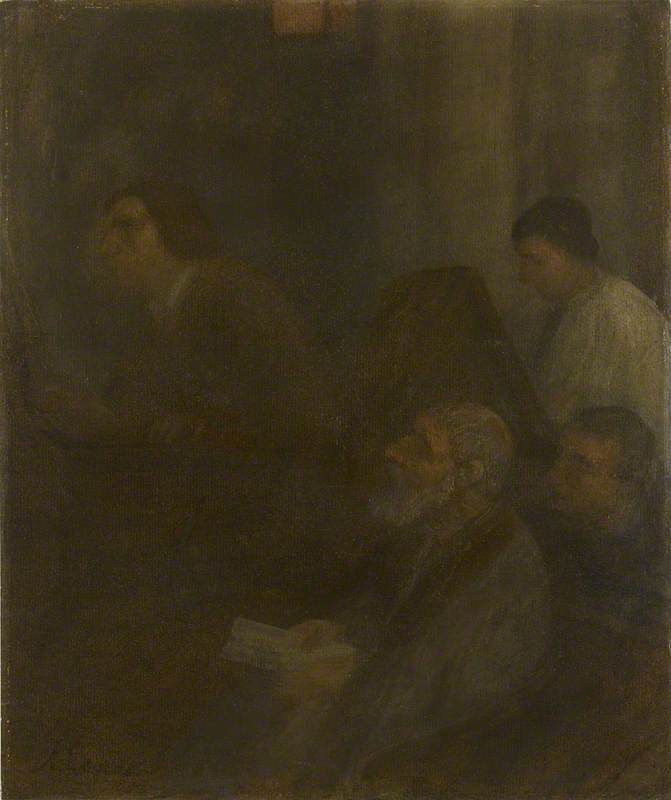
Interior with an Organist and three Figures
 Oil On Canvas
- WallArt
- Contemporary Realism
 36.0 x 31.0 cm
 The Ashmolean Museum of Art And Archaeology
 Read More
Hand Made Oil Reproduction
Hand-painted oil on canvas in your size and frame, made to order by our artists. ( Buy Print Buy Image)




P118B $10

P118H $10

P118W $10

P438Z $10

P508JH $12

P508YH $12

P805H $10

P805Z $10

P919BZ $10

P919G $10

P919XJ $10

P959ZH $10

P968JZ $12

W106C $8

W218G $10

W218JH $8

W218Y $10

W307PJ $10

W316G $10

W316PJ $8

W316Y $10

W398PJ $8

W4111J $10

W500HY $15

W500JH $15

W692G $12

W849H $8

W940BG $15

W953PJ $8




Pick from our preset sizes that match the artwork's original proportions.

You may enter your own dimensions to fit a specific frame or space. If your selected size does not match the original image's proportions, we will either crop the artwork or extend the painting with additional hand-painted elements. A digital mockup will be sent for your approval before production begins.
Please note that the on-screen preview does not reflect the actual cropping or extension. Only the mockup will accurately show the final composition.
While custom sizes are available, we recommend selecting a dimension from the predefined list to preserve the original proportions.
After order, ArtsDot.com team will email client for instructions and provide a mockup preview
Worldwide Delivery () in 3/4 weeks instead of standard 5 weeks. (16 August). No compromise on quality.

Free Worldwide Express Shipping

High-Quality Linen Canvas

Full Shipping Insurance

Customs Tax Refund Guarantee

True Color Matching Guarantee

60-Day Return Policy (Defects Only)

100% Money-Back Guarantee

Bulk Discount Offer
 Glass option is only available in size under 110 CM

Interior with an Organist and three Figures
Reproduction Medium
Reproduction Size
-


Total Price
$ 263
Artwork Description
A Glimpse of Parisian Life: Alphonse Legros’s “Interior with an Organist and Three Figures”
Alphonse Legros's "Interior with an Organist and Three Figures," painted circa 1865, offers a captivating window into the social fabric of mid-19th century Paris. More than just a depiction of a room, it’s a carefully constructed tableau brimming with subtle narratives and evocative details—a testament to Legros's skill as a realist painter and his keen eye for capturing the nuances of everyday life. The painting, currently residing in the Ashmolean Museum in Oxford, transports us to a moment suspended between formality and casual conversation, inviting contemplation on themes of social interaction, intellectual pursuits, and the quiet rhythms of urban existence.
Legros’s style firmly anchors this work within the Realist movement. Rejecting the romanticism prevalent in earlier art, he sought to portray life as it truly was—unvarnished and unidealized. This is evident in the modest setting: a brick-lined room bathed in diffused light, suggesting an interior of a private home or perhaps a small salon. The figures themselves are rendered with remarkable attention to detail, their postures and expressions conveying a sense of relaxed engagement. Notice how the man reading, partially obscured by shadow, seems utterly absorbed in his book, while the woman gestures animatedly, likely engaged in a lively discussion. The third figure, seated near an organ, adds another layer of intrigue – is he a musician preparing for a performance, or simply enjoying a moment of respite?
The Painter’s Palette: Technique and Composition
Legros masterfully employs a muted color palette—predominantly browns, grays, and ochres—to create an atmosphere of understated elegance. The brushwork is loose and expressive, contributing to the painting's sense of immediacy and spontaneity. He skillfully uses light and shadow to sculpt the forms of the figures and define the architectural details of the room. The brick wall, rendered with a subtle texture, provides a grounding element, while the strategically placed windows allow diffused daylight to illuminate the scene. The composition is carefully balanced, drawing the eye across the canvas and inviting the viewer to explore every corner of this intimate space.
Notably, Legros’s technique reveals influences from both French academic painting and the burgeoning Impressionist movement. While maintaining a traditional compositional structure—a clear foreground, middle ground, and background—he incorporates elements of loose brushwork and an emphasis on capturing fleeting moments of light and atmosphere, anticipating the innovations of later artists. The subtle gradations of color and the delicate rendering of textures demonstrate his mastery of paint and his ability to create a convincing illusion of reality.
A Window into Victorian Society
“Interior with an Organist and Three Figures” offers a valuable glimpse into the social customs and intellectual pursuits of 19th-century Paris. The presence of the organ suggests a connection to music, a popular pastime among the upper classes. The man engrossed in his book represents the burgeoning interest in literature and scholarship—a hallmark of the Victorian era. The animated conversation between the woman and her companion hints at the importance of social interaction and intellectual exchange within Parisian society.
Furthermore, the painting reflects the broader cultural context of the time – a period marked by rapid urbanization, industrialization, and social change. Legros’s work captures a moment of relative stability amidst these transformations, offering a poignant reminder of the enduring values of community, conversation, and intellectual curiosity.
Symbolism and Emotional Resonance
Beyond its descriptive qualities, “Interior with an Organist and Three Figures” is rich in symbolic meaning. The room itself can be interpreted as a microcosm of society—a space where individuals from different backgrounds come together to share ideas and experiences. The figures’ postures and expressions convey a sense of warmth, intimacy, and mutual respect. The painting evokes a feeling of quiet contemplation—an invitation for the viewer to pause and reflect on the beauty and complexity of human relationships.
Reproductions of this artwork offer an accessible way to appreciate Legros's artistic vision and bring a touch of Parisian charm into any space. Whether displayed in a study, living room, or gallery, “Interior with an Organist and Three Figures” continues to resonate with viewers today—a timeless testament to the power of art to capture the essence of human experience.
Related Artworks
Artist Biography
A Life Bridging Nations: The Artistic Journey of Alphonse Legros
Alphonse Legros, born in Dijon, France, in 1837, was an artist whose life and work embodied a fascinating intersection of artistic movements and national identities. His path wasn’t one of immediate acclaim but rather a gradual unfolding of talent nurtured by dedicated study and a willingness to embrace evolving aesthetic ideals. From humble beginnings as the son of an accountant in Véronnes, young Alphonse found early inspiration in the rural landscapes surrounding his family, scenes that would later permeate much of his artistic output. His initial training began at the Dijon art school, apprenticed to a house decorator, a grounding experience that instilled a practical understanding of materials and form. This was followed by a period as a journeyman wall-painter in Lyon, honing his skills while contributing to larger decorative projects. These formative years weren’t merely about technical proficiency; they were about absorbing the world around him – the textures of rural life, the play of light on stone, the dignity of everyday labor—elements that would become hallmarks of his mature style.From Realism to Etching Revival: Artistic Development and Influences
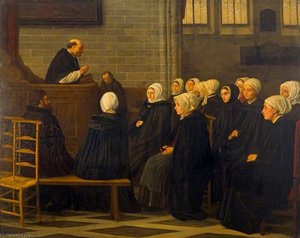
Legros’s arrival in Paris in 1851 marked a turning point. He immersed himself in the vibrant artistic milieu, studying with Charles-Antoine Cambon, a scene painter, and attending the prestigious drawing school of Lecoq de Boisbaudran, where he encountered fellow artists like Auguste Rodin and Jules Dalou. This period saw his first forays into the Salon system, gaining recognition for portraits that caught the eye of influential figures like Champfleury, who championed the Realist movement led by Gustave Courbet. Legros’s early work, such as *L'Angelus* (1859), demonstrated a commitment to depicting scenes from everyday life with honesty and emotional depth. However, it was his exploration of etching that truly set him apart. He essentially taught himself this technique, captivated by its potential for capturing subtle nuances of tone and texture. This dedication would eventually lead him to become a pivotal figure in the British etching revival. In 1863, encouraged by James McNeill Whistler, Legros relocated to England, a decision that profoundly shaped his career. He quickly established himself as an influential teacher, first at the South Kensington School of Art and later as Slade Professor at University College London, nurturing generations of artists in the art of etching.A Master of Multiple Mediums: Painting, Sculpture, and Medals
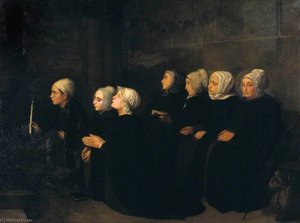
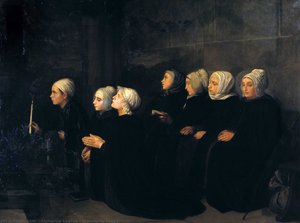
While Legros is often celebrated for his etchings, to define him solely by this medium would be a disservice to his multifaceted talent. He was equally adept as a painter and sculptor, and also created notable medals. His paintings frequently depicted scenes of religious devotion—interior church views with kneeling figures, capturing the quiet intensity of faith—and portraits that revealed a keen psychological insight into his subjects. These works are characterized by a restrained palette, meticulous detail, and a sense of solemnity. He wasn’t interested in grand narratives or flamboyant displays; instead, he focused on the intimate moments of human experience. His sculptural work, though less prolific than his paintings and etchings, demonstrated a similar commitment to realism and emotional depth. Furthermore, Legros's skill extended to the art of medal-making, producing pieces that were admired for their craftsmanship and artistic merit. He approached each medium with a dedication to technical mastery and a desire to convey profound meaning.Legacy and Historical Significance
Alphonse Legros died in Watford in 1911, leaving behind a rich legacy as both an artist and educator. His influence on the British art scene was considerable, particularly through his teaching at the Slade School of Art, where he instilled a rigorous approach to drawing and etching in countless students. He championed traditional artistic values—the importance of draftsmanship, careful observation, and technical skill—while also embracing new ideas and techniques. Legros’s work stands as a testament to the power of quiet contemplation and the enduring appeal of Realist aesthetics. His paintings and etchings can be found in prominent museums such as the Ashmolean Museum in Oxford and the Tate Gallery in London, ensuring that his artistic vision continues to inspire and captivate audiences today. He represents a bridge between French and British art traditions, embodying a commitment to both technical excellence and emotional honesty—qualities that continue to resonate with viewers and artists alike. His dedication to fostering artistic talent cemented his place as a pivotal figure in the development of modern British art.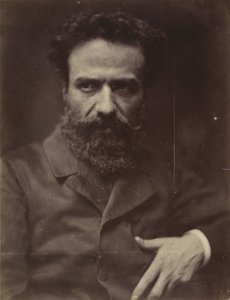
Alphonse Legros
1837 - 1911 , France
Quick Facts
- Artistic Movement Or Style: Realism
- Artists Or Movements Influenced By This Artist: ['Slade School artists']
- Artists Who Influenced This Artist:
- Gustave Courbet
- Charles-Antoine Cambon
- Date Of Birth: May 8, 1837
- Date Of Death: December 8, 1911
- Full Name: Alphonse Legros
- Nationality: French-British
- Notable Artworks:
- L'Angelus
- Interior with kneeling figures
- Rehearsing the service
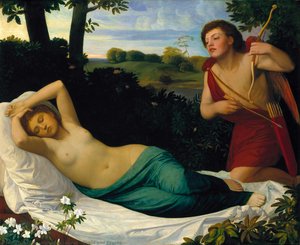
- Cupid and Psyche
- The Tinker
- Place Of Birth: Dijon, France
Related Articles

Dark Masterpieces: 10 Iconic Paintings Dominated by Black Tones |
Explore 10 iconic paintings dominated by black tones, from Rembrandt’s chiaroscuro to Goya's dark expressions. Discover the stories behind these masterpieces & find museum-quality art reproductions for your home at .
Romantic Realism's Finest: 10 Masterpieces for Your Home | ArtsDot
Explore 10 defining masterpieces of Romantic Realism! Discover Courbet, Millet & Daumier's powerful paintings—capturing emotion and social realities. Find museum-quality reproductions for your home at ArtsDot.com.
Academic Realism's Finest: 10 Masterpieces for Art Lovers & Home Decor
Explore 10 defining Academic Realism masterpieces by Bouguereau, Gérôme & Cabanel. Discover the stories behind these iconic paintings and bring timeless art into your home with museum-quality reproductions from ArtsDot.com. Explore the full collection online!
Mars Black Masterpieces: 10 Iconic Paintings & Timeless Art Decor Ideas
Delve into the power of 'Mars Black' with 10 iconic paintings by masters like Rembrandt & Caravaggio. Explore dramatic chiaroscuro, gothic art, and timeless beauty. Find museum-quality reproductions & elevate your home decor on .
The Subtleties of Shade: Exploring Black, White & Gray Abstraction in Modern Interior Design
Explore the power of black, white & gray abstraction in modern interior design. Discover how minimalist art impacts spatial perception & creates sophisticated hotel spaces. Expert insights for designers.