 Preview
 Send
Send Share
Share
 Details

 Download
 Similars
 X-Ray
X-Ray Diaporama
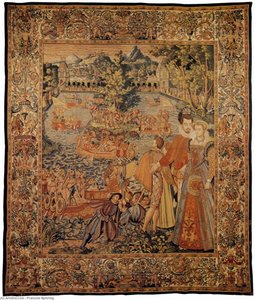
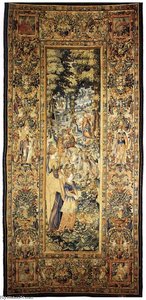
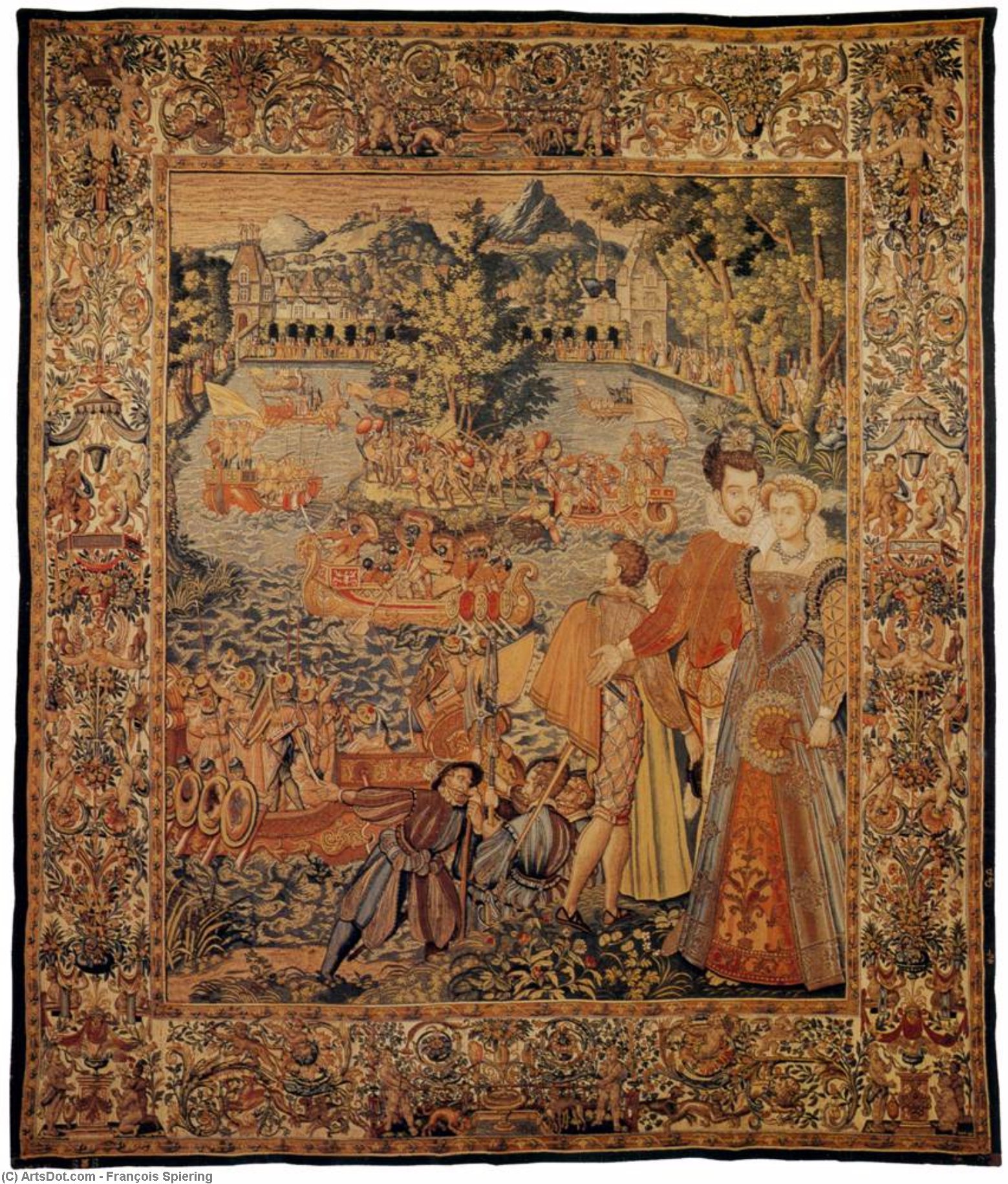
Valois Tapestries: Festival on the Water
 Acrylic On Canvas
- WallArt
- Northern Renaissance
 1582
1582 403.0 x 339.0 cm
 Galleria degli Uffizi
 Read More
Hand Made Oil Reproduction
Hand-painted oil on canvas in your size and frame, made to order by our artists. ( Buy Print Buy Image)




P118B $10

P118H $10

P118W $10

P438Z $10

P508JH $12

P508YH $12

P805H $10

P805Z $10

P919BZ $10

P919G $10

P919XJ $10

P959ZH $10

P968JZ $12

W106C $8

W218G $10

W218JH $8

W218Y $10

W307PJ $10

W316G $10

W316PJ $8

W316Y $10

W398PJ $8

W4111J $10

W500HY $15

W500JH $15

W692G $12

W849H $8

W940BG $15

W953PJ $8




Pick from our preset sizes that match the artwork's original proportions.

You may enter your own dimensions to fit a specific frame or space. If your selected size does not match the original image's proportions, we will either crop the artwork or extend the painting with additional hand-painted elements. A digital mockup will be sent for your approval before production begins.
Please note that the on-screen preview does not reflect the actual cropping or extension. Only the mockup will accurately show the final composition.
While custom sizes are available, we recommend selecting a dimension from the predefined list to preserve the original proportions.
After order, ArtsDot.com team will email client for instructions and provide a mockup preview
Worldwide Delivery () in 3/4 weeks instead of standard 5 weeks. (1 September). No compromise on quality.

Free Worldwide Express Shipping

High-Quality Linen Canvas

Full Shipping Insurance

Customs Tax Refund Guarantee

True Color Matching Guarantee

60-Day Return Policy (Defects Only)

100% Money-Back Guarantee

Bulk Discount Offer
 Glass option is only available in size under 110 CM

Valois Tapestries: Festival on the Water
Reproduction Medium
Reproduction Size
-


Total Price
$ 263
François Spiering’s Dramatic Vision of Florentine Splendor
François Spiering (1549-1631), a Flemish painter born in Antwerp, stands as a testament to the dynamism and artistic fervor of Northern Renaissance art. Though often overshadowed by his illustrious contemporaries like Rubens and Rembrandt, Spiering carved out a distinguished reputation for himself through masterful depictions of biblical narratives and portraits—works that continue to resonate with collectors and scholars alike. His distinctive style – characterized by theatrical compositions brimming with emotion, meticulous attention to detail, and an unparalleled command of color – secured him a prominent position within the artistic circles of his time, particularly at Fontainebleau and Cherbourg, where his canvases remain treasured for their palpable energy and technical prowess. Spiering’s formative years unfolded amidst the thriving textile industry of Antwerp, a city renowned for its opulent carpets and vibrant artistic patronage. This environment undoubtedly nurtured his burgeoning talent, exposing him to innovative techniques and fostering an appreciation for visual storytelling. His oeuvre reflects this influence, favoring grand canvases that convey profound spiritual themes with breathtaking realism. Unlike many artists of his era who prioritized idealized beauty, Spiering embraced dramatic lighting and expressive brushstrokes—elements that heighten the emotional impact of his scenes and imbue them with a palpable sense of immediacy.The Tapestry’s Narrative Landscape: A Celebration of Florentine Magnificence
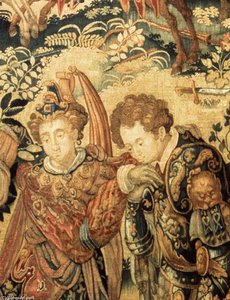
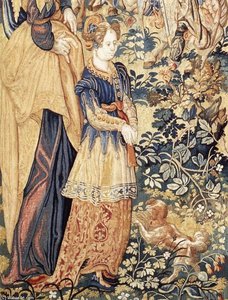
The artwork itself, “Valois Tapestries: Festival on the Water,” exemplifies Spiering's signature approach to biblical representation. Executed around 1582, this monumental tapestry delves into a captivating tableau depicting a festive occasion—specifically, a celebration centered around water—likely commemorating events associated with the Florentine court during Caterina de’ Medici’s reign. Commissioned by Queen Caterina herself, who envisioned these tapestries as gifts for her granddaughter Christine of Lorraine upon their marriage to Ferdinand I, the piece embodies the opulent grandeur and artistic ambition characteristic of the period. The scene unfolds against a backdrop of shimmering water, populated by numerous boats laden with dignitaries and adorned with elaborate decorations—a deliberate allusion to the lavish processions that marked Florentine celebrations. Dominating the composition is an elephant, symbolizing majesty and exoticism – a motif frequently employed in Renaissance art to convey power and prestige. Figures representing Henry III and Louise of Lorraine are positioned prominently on the right side of the tapestry, highlighting the royal patronage underpinning this ambitious artistic undertaking.Technique and Artistic Innovation: Spiering’s Mastery of Color and Composition
Spiering's technique is remarkable for its precision and sensitivity to light—a hallmark of Flemish painting during the Baroque period. He skillfully employed oil paints on linen fabric, layering translucent glazes to achieve luminous colors and capturing subtle nuances of texture. The artist’s meticulous attention to detail extends beyond mere representation; he strives to convey not only what is seen but also how it feels—creating an immersive experience for the viewer that transcends the confines of the canvas. Furthermore, Spiering's compositional choices contribute significantly to the tapestry’s dramatic impact. He utilizes a pyramidal structure to guide the eye upwards towards the central figures, emphasizing their importance and creating a sense of stability amidst the bustling activity depicted below. The artist’s masterful use of chiaroscuro—the interplay between light and shadow—intensifies the emotional resonance of the scene, highlighting key elements and deepening the viewer's engagement with the narrative.Symbolism and Emotional Resonance: Capturing the Spirit of Renaissance Splendor
“Valois Tapestries: Festival on the Water” transcends mere visual depiction; it embodies profound symbolic meaning rooted in humanist ideals prevalent during the Renaissance. The elephant, as mentioned earlier, symbolizes royal authority and grandeur—a deliberate gesture intended to honor Ferdinand I and Christine’s union. Similarly, the water motif represents purity and renewal—reflecting the aspirations of the Florentine court for spiritual enlightenment and artistic excellence. Spiering's ability to convey these concepts with palpable emotion underscores his mastery as an artist—transforming a historical event into a timeless masterpiece that continues to inspire awe and admiration centuries later. The artwork’s enduring appeal lies in its capacity to evoke feelings of grandeur, celebration, and contemplation. It serves as a poignant reminder of the artistic achievements of the Northern Renaissance—a period characterized by intellectual curiosity, humanist values, and an unwavering devotion to beauty. Reproductions of “Valois Tapestries: Festival on the Water” offer collectors and interior designers alike the opportunity to experience firsthand the brilliance of Spiering’s vision—bringing a touch of Florentine splendor into any space.Related Artworks

Artist Biography
François Spiering: Master of Dramatic Biblical Visions
Born in Flanders, Belgium, around 1549 and passing away in 1631, François Spiering remains a captivating figure within the history of Northern Renaissance art. While often overshadowed by his contemporaries, Spiering’s distinctive style – characterized by dramatic compositions, meticulous detail, and a masterful command of color – secured him a prominent place as a leading painter of biblical scenes and portraits during his time. His legacy is particularly evident in the collections of institutions like Fontainebleau and Cherbourg, where his works continue to draw admiration for their emotional intensity and technical brilliance.
Spiering’s early life remains somewhat shrouded in mystery, though it's believed he honed his skills within the bustling artistic environment of Antwerp. The city was a major center for textile production, particularly carpet weaving, and many painters found employment designing intricate patterns and figurative scenes for these luxurious creations. This connection to the tapestry workshop profoundly shaped Spiering’s career, influencing his compositional choices and his ability to render complex narratives with remarkable clarity. He arrived in Delft around 1592, seeking new opportunities after disruptions in Antwerp, establishing a thriving business that quickly gained renown.
The Tapestry Master: Technique and Influence
Spiering’s most celebrated work lies within the realm of tapestry design. He wasn't merely a decorator; he was a storyteller who translated biblical narratives into visually arresting images. His tapestries, often commissioned by wealthy patrons, were not simply decorative objects but powerful statements of faith and artistic skill. A key element of his technique involved meticulous attention to detail – from the folds of drapery to the expressions on the faces of his figures – creating a sense of palpable realism that was remarkably advanced for its time. He employed a vibrant color palette, utilizing rich reds, blues, and golds to heighten the drama and emotional impact of each scene.
Spiering’s workshop attracted talented assistants, most notably Karel van Mander the Younger, whose designs contributed significantly to the company's output. Van Mander’s ambition led him to eventually establish his own workshop, a move that resulted in a notable dispute over commissions. The influence of Spiering is also seen in the work of Pieter and Aert Spiering, his sons, who continued the family business after his death, preserving and expanding upon their father's artistic legacy.
Notable Works: Dramatic Narratives
Several of Spiering’s works offer compelling glimpses into his artistic vision. “Amadigi Rescuing Oriana” (1598) exemplifies his ability to convey intense emotion through dynamic composition and carefully rendered figures. The scene, drawn from Amadigi di Gaula by Tasso, is filled with dramatic tension as Amadigi attempts to rescue his beloved Oriana. “The Meeting between David and Abigail” showcases his skill in depicting intimate moments of human interaction, capturing the vulnerability and uncertainty of the characters involved. His “Scenes from the Amadigi di Gaula” further demonstrate his capacity for complex storytelling, bringing the epic poem to life with vivid detail and emotional resonance.
Legacy and Historical Significance
François Spiering’s contribution to 16th-century art extends beyond his individual works. He represents a pivotal link between the Mannerist style of Fontainebleau and the emerging Baroque aesthetic. His dramatic compositions, rich color palettes, and meticulous attention to detail foreshadowed many of the characteristics that would define later generations of artists. His tapestries, now housed in museums like Fontainebleau and Cherbourg, provide invaluable insights into the artistic practices and cultural values of his time. Furthermore, research by institutions like the RKD (Koninklijk Instituut voor Kunstgeschiedenis) continues to shed light on the life and work of this often-overlooked master, ensuring that his legacy endures.
His connection to Delft’s artistic community is also noteworthy; he was a respected figure within the city's guild system, contributing significantly to its vibrant cultural landscape. The influence of Spiering can be seen in the work of subsequent generations of artists, solidifying his place as a key player in the development of Northern Renaissance art.
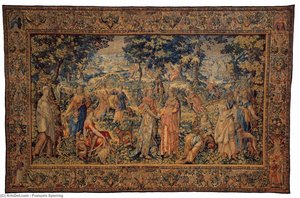
françois spiering
1549 - 1631 , Belgium
Quick Facts
- Artistic Movement Or Style: Renaissance, Mannerism
- Artists Who Influenced This Artist: ['None],\n "Artists or movements influenced by this artist": [None']
- Date Of Birth: 1549, Flanders, Belgium
- Date Of Death: 1631
- Full Name: François Spiering
- Nationality: Flemish
- Notable Artworks:
- Amadigi Rescuing Oriana
- The Meeting between David and Abigail
- Scenes from the Amadigi di Gaula
- Place Of Birth: Flanders, Belgium
Related Articles

Illuminating Faith: Biblical Narrative & Artistic Expression Through the Ages
Explore the rich history of biblical art from Giotto to the Renaissance masters with ArtsDot. Discover symbolism, techniques & enduring legacies. Museum-quality reproductions & expert insights.
François Flameng: Bridging Academic Tradition & Impressionistic Sensibility
Explore the captivating works of François Flameng, a celebrated French painter bridging academic tradition & Impressionistic sensibilities. Discover his portraits, landscapes, and poignant WWI art with insights from ArtsDot.
David Teniers II: Master of Flemish Genre & Social Commentary
Explore the captivating world of David Teniers II, a leading Flemish Baroque painter renowned for his lively genre scenes & insightful social commentary. Discover his masterpieces and legacy with ArtsDot.
François Boucher: Rococo Master of Myth, Sensuality, and the French Court
Explore the captivating world of François Boucher, master of Rococo painting! Discover his iconic works, aristocratic patronage, and lasting influence on French art history. Learn more at ArtsDot.
Illuminating Faith: Biblical Scenes & Their Enduring Legacy in Art History
Explore the profound history of biblical art! Discover Renaissance masterpieces by Giotto & more. Uncover symbolism, artistic techniques, and lasting influence. Expert insights at ArtsDot.