 Preview
 Send
Send Share
Share
 Details

 Download
 Similars
 X-Ray
X-Ray Diaporama
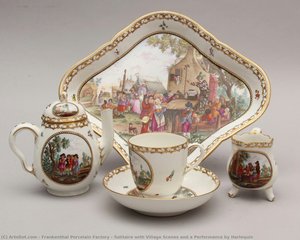
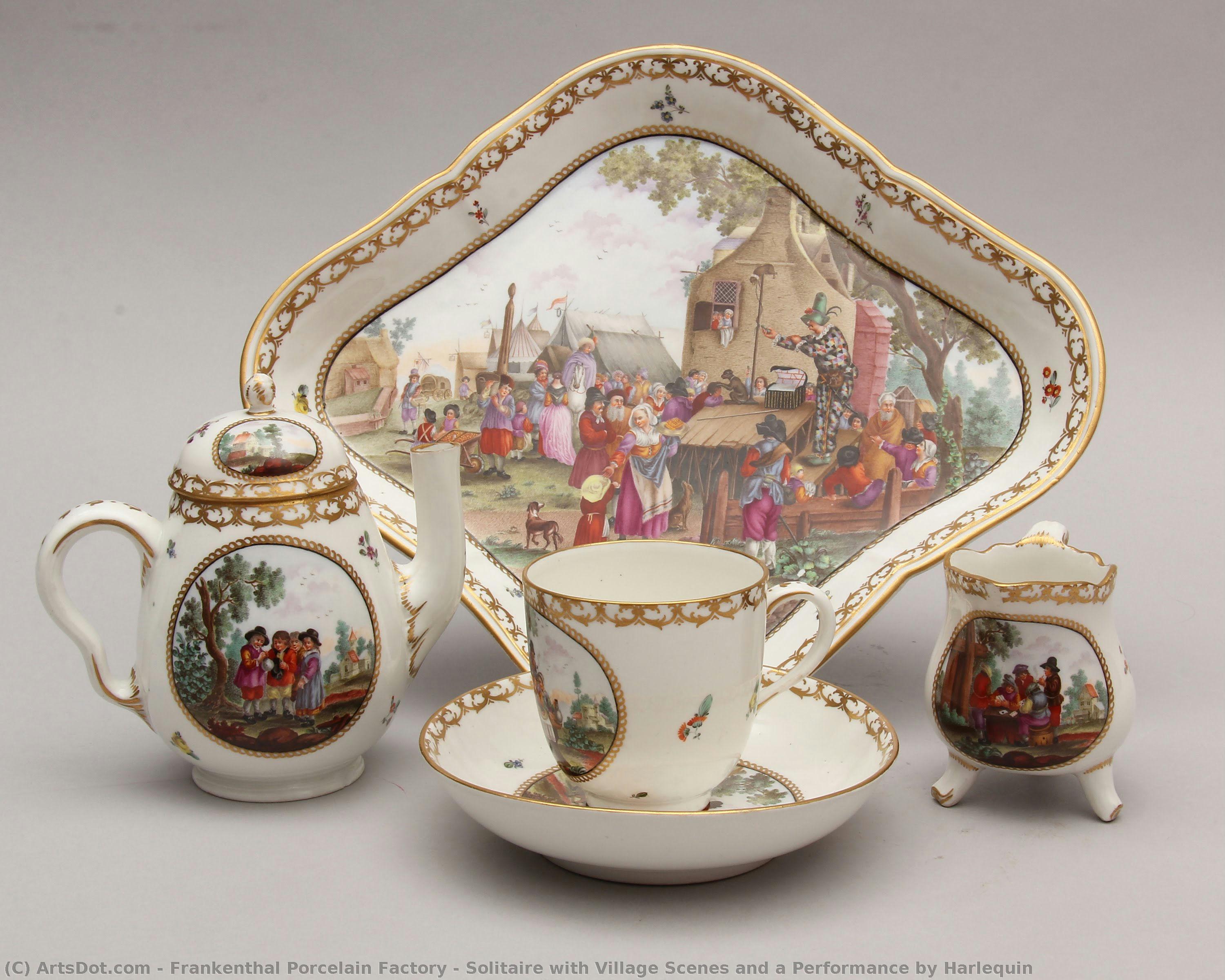
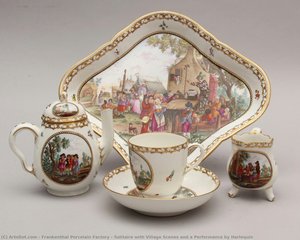
Solitaire with Village Scenes and a Performance by Harlequin
 Rococo
 1770
1770 3.0 x 29.0 cm
 Gardiner Museum of Ceramic Art
 Read More
Giclée / Art Print
Museum-quality giclée or canvas print with fast production and flexible finish options. ( Buy Hand Made Painting Buy Image)




P118B $10

P118H $10

P118W $10

P438Z $10

P508JH $12

P508YH $12

P805H $10

P805Z $10

P919BZ $10

P919G $10

P919XJ $10

P959ZH $10

P968JZ $12

W106C $8

W218G $10

W218JH $8

W218Y $10

W307PJ $10

W316G $10

W316PJ $8

W316Y $10

W398PJ $8

W4111J $10

W500HY $15

W500JH $15

W692G $12

W849H $8

W940BG $15

W953PJ $8




Pick from our preset sizes that match the artwork's original proportions.

You may enter your own dimensions to fit a specific frame or space. If your selected size does not match the original image's proportions, we will either crop the artwork or extend the image with a mirrored or solid-fill edge. A digital mockup will be sent for your approval before production begins.
Please note that the on-screen preview does not reflect the actual cropping or extension. Only the mockup will accurately show the final composition.
While custom sizes are available, we recommend selecting a dimension from the predefined list to preserve the original proportions.
Worldwide Delivery () in 2 weeks instead of standard 4/5 weeks. (27 August)

Free Worldwide Express Shipping

High-Quality Linen Canvas

Full Shipping Insurance

Customs Tax Refund Guarantee

True Color Matching Guarantee

60-Day Return Policy (Defects Only)

100% Money-Back Guarantee

Bulk Discount Offer
 Glass option is only available in size under 110 CM

Solitaire with Village Scenes and a Performance by Harlequin
Giclée / Art Print
Reproduction Size
-


Total Price
$ 63
Related Artworks

Artist Biography
The Enigmatic World of the Frankenthal Porcelain Factory
The Frankenthal Porcelain Factory, though not a single artist in the traditional sense, represents a remarkable chapter in 18th-century European ceramics and decorative arts. Established in 1754 in Frankenthal, Palatinate (present-day Germany), this manufactory quickly rose to prominence for its innovative approach to porcelain production, particularly its charming and often whimsical figurines depicting scenes of everyday life, mythology, and allegorical subjects. Unlike many other porcelain centers that relied heavily on imitating established styles – Meissen’s Rococo elegance or Sèvres’ refined classicism – Frankenthal cultivated a distinctly playful aesthetic, blending Baroque exuberance with emerging Rococo sensibilities.
The factory's origins are intertwined with the entrepreneurial spirit of Johann Valentin Nething, who initially sought to establish a glassworks. Recognizing the burgeoning demand for porcelain, he pivoted his focus and secured skilled artisans from Vienna, including Konrad Link, whose influence would prove pivotal in shaping Frankenthal’s early style. The initial years were marked by experimentation; the factory mastered soft-paste porcelain, a technique that allowed for vibrant colors and delicate forms but also presented unique challenges in terms of durability. This pursuit of technical excellence was coupled with an equally ambitious artistic vision.
A Flourishing of Rococo Charm
Frankenthal’s signature style quickly emerged – characterized by its lightheartedness, intricate detail, and a penchant for narrative scenes. The factory produced a wide range of wares, from elaborate dinner services adorned with floral motifs to exquisitely sculpted figurines. However, it was the figurines that truly captured the public imagination. These were not merely decorative objects; they were miniature dramas frozen in porcelain, often depicting amorous encounters, theatrical performances, and allegorical tales. A particularly beloved series featured figures of Harlequin and Columbine, their playful interactions embodying the spirit of the commedia dell'arte. The factory’s sculptors possessed a remarkable ability to imbue these figures with personality and movement, creating a sense of intimacy and charm that set them apart from their contemporaries.
The influence of Balthasar Permoser, the renowned sculptor whose work graced the Zwinger Palace in Dresden, is evident in Frankenthal’s dynamic compositions and expressive figures. Furthermore, the factory drew inspiration from contemporary print culture, adapting popular engravings and paintings into three-dimensional form. This willingness to embrace diverse sources of inspiration contributed to the unique eclecticism of Frankenthal porcelain.
Technical Innovations and Artistic Collaboration
The success of the Frankenthal Porcelain Factory was not solely attributable to its artistic talent; it also benefited from a series of technical innovations. The factory developed a distinctive enamel palette, renowned for its rich colors and subtle gradations. They were particularly adept at producing *blanc de chine* porcelain – a pure white variety prized for its translucence and delicate texture. This mastery of materials allowed the sculptors to create figures with an exceptional level of detail and refinement.
Collaboration was central to Frankenthal’s production process. While individual sculptors were responsible for designing and modeling the figurines, painters, gilders, and kiln workers all played crucial roles in bringing these creations to life. This collaborative spirit fostered a sense of shared artistic vision and contributed to the consistently high quality of Frankenthal porcelain.
Decline and Legacy
Despite its initial success, the Frankenthal Porcelain Factory faced increasing competition from other European manufactories throughout the late 18th century. Economic challenges and shifting tastes led to a gradual decline in production. The factory was sold several times before finally closing its doors in 1800. However, the legacy of Frankenthal porcelain endures.
Today, Frankenthal figurines are highly sought after by collectors worldwide. They represent a unique moment in European decorative arts – a time when playful charm and technical innovation converged to create objects of exceptional beauty and enduring appeal. The factory’s willingness to embrace diverse influences and its commitment to artistic collaboration set it apart from its contemporaries, leaving an indelible mark on the history of porcelain production. The surviving examples offer a fascinating glimpse into the social and cultural values of 18th-century Europe – a world where leisure, entertainment, and refined artistry were highly prized.
Quick Facts
- Artistic Movement Or Style: Rococo
- Date Of Death: Living
- Full Name: Frankenthal Porcelain Factory
- Notable Artworks: ['Solitaire with Village Scenes & Harlequin']
Related Articles
18th Century Masters: 10 Artworks That Define an Era | ArtsDot
Journey through 18th century art! Explore 10 iconic paintings – from Rococo elegance to Neoclassical grandeur. Discover Fragonard, David & more. Find museum-quality reproductions and elevate your home decor on ArtsDot.com.

Beyond Bouquets: Personalized Mini-Paintings - Unique Bridal Party Gifts
Discover unique & personalized mini-paintings for your bridal party! Thoughtful wedding gifts that last a lifetime. Explore custom art options & elevate your celebrations.
Reflections of an Age: Social Commentary & Artistic Representation in 18th-Century Society
Explore the social commentary & artistic representation of 18th-century society. Discover Rococo masterpieces, portraiture's power, and shifting historical perspectives. Expert insights for art lovers.
Iconic Art of the 18th & 19th Centuries: Masterpieces for Your Home | ArtsDot
Journey through 18th & 19th century art! Explore iconic masterpieces by Monet, Van Gogh & more. Discover the stories behind these timeless paintings and find museum-quality reproductions for your home at ArtsDot.com.
Reflecting Nobility & Nuance: 18th-Century Portraiture as a Window into Societal Values
Explore the world of 18th-century portraiture with ArtsDot. Discover symbolism, artistic innovation & societal values reflected in masterpieces by Reynolds, Hogarth & more. Expert insights for collectors.