 Preview
 Send
Send Share
Share
 Details

 Download
 Similars
 X-Ray
X-Ray Diaporama
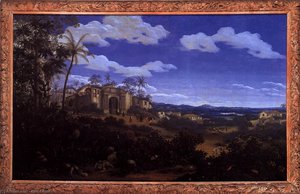
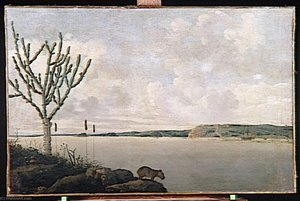
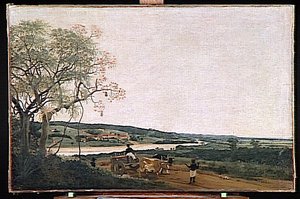
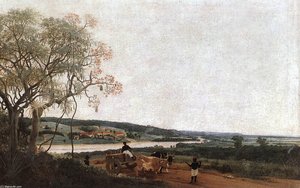
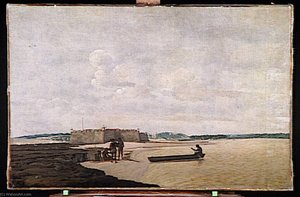
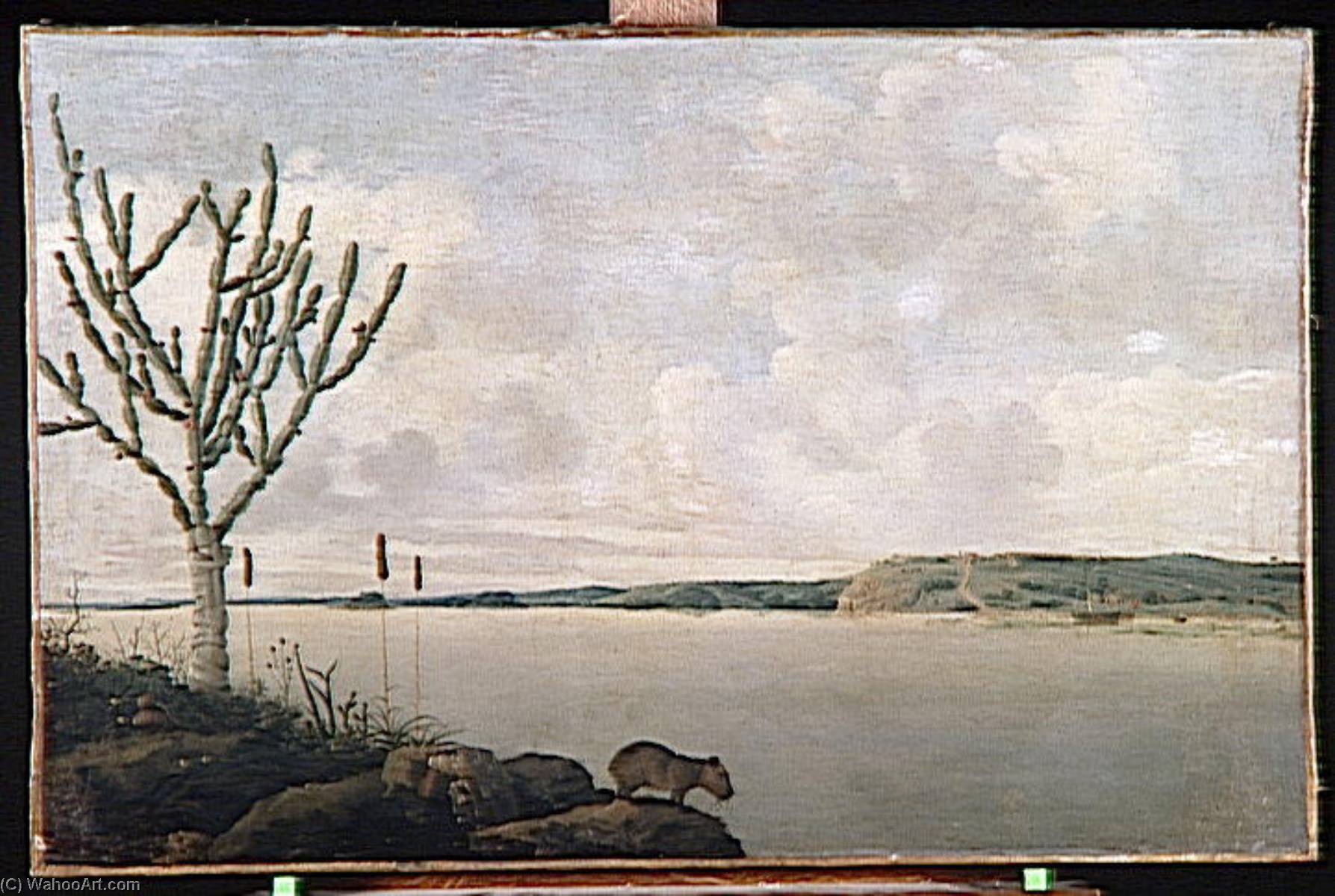
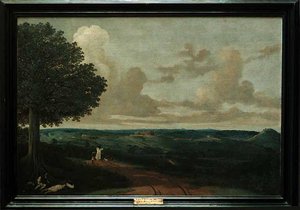
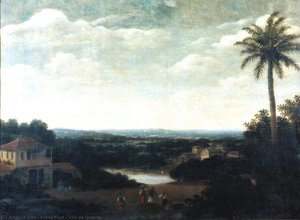
LE RIO SAN FRANCISCO ET LE FORT MAURICE, AU BRESIL


 Read More
Hand Made Oil Reproduction
Hand-painted oil on canvas in your size and frame, made to order by our artists. ( Buy Print Buy Image)




P118B $10

P118H $10

P118W $10

P438Z $10

P508JH $12

P508YH $12

P805H $10

P805Z $10

P919BZ $10

P919G $10

P919XJ $10

P959ZH $10

P968JZ $12

W106C $8

W218G $10

W218JH $8

W218Y $10

W307PJ $10

W316G $10

W316PJ $8

W316Y $10

W398PJ $8

W4111J $10

W500HY $15

W500JH $15

W692G $12

W849H $8

W940BG $15

W953PJ $8




Pick from our preset sizes that match the artwork's original proportions.

You may enter your own dimensions to fit a specific frame or space. If your selected size does not match the original image's proportions, we will either crop the artwork or extend the painting with additional hand-painted elements. A digital mockup will be sent for your approval before production begins.
Please note that the on-screen preview does not reflect the actual cropping or extension. Only the mockup will accurately show the final composition.
While custom sizes are available, we recommend selecting a dimension from the predefined list to preserve the original proportions.
After order, ArtsDot.com team will email client for instructions and provide a mockup preview
Worldwide Delivery () in 3/4 weeks instead of standard 5 weeks. (16 August). No compromise on quality.

Free Worldwide Express Shipping

High-Quality Linen Canvas

Full Shipping Insurance

Customs Tax Refund Guarantee

True Color Matching Guarantee

60-Day Return Policy (Defects Only)

100% Money-Back Guarantee

Bulk Discount Offer
 Glass option is only available in size under 110 CM

LE RIO SAN FRANCISCO ET LE FORT MAURICE, AU BRESIL
Reproduction Medium
Reproduction Size
-


Total Price
$ 263
Artwork Description
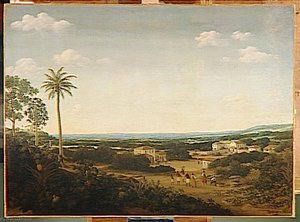
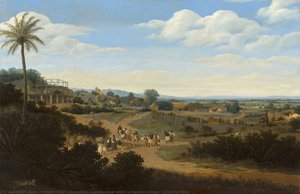
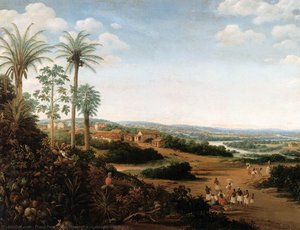
LE RIO SAN FRANCISCO ET LE FORT MAURICE, AU BRESIL – A Pioneer’s Vision of Colonial Brazil
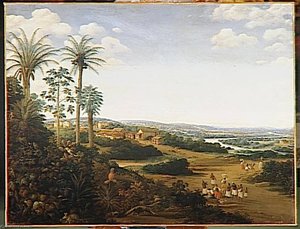
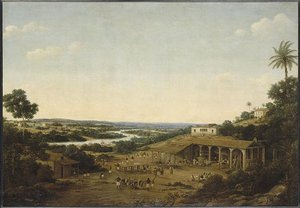
Frans Post stands apart in the annals of Dutch Golden Age painting not merely as another prolific artist but as the inaugural European explorer of Brazilian landscapes. Born in Haarlem in 1612 into a family steeped in artistic tradition—his father a glass painter, his brother a prominent architect—Post embarked on an extraordinary journey that transcended geographical boundaries and irrevocably altered our understanding of seventeenth-century visual culture. His pioneering spirit propelled him to Brazil in 1637 at the invitation of Johan Maurits van Nassau-Siegen, marking the genesis of a unique artistic endeavor: documenting the New World’s splendor through the lens of Dutch realism. This wasn't simply about depicting scenery; it was about forging a connection between Europe and America, presenting a meticulously observed portrayal of colonial Brazil that continues to captivate audiences today.A Landscape Steeped in Symbolism
Post’s Brazilian canvases are more than just topographical representations; they resonate with profound symbolic significance. The overcast sky dominating the compositions—a recurring motif throughout his oeuvre—evokes a mood of melancholy and contemplation, mirroring the solitude inherent in exploring uncharted territories. Dominating the left side of many paintings is a majestic tree, symbolizing resilience and permanence amidst the transient beauty of nature – a deliberate choice reflecting Post’s artistic sensibilities. The careful positioning of the rocky shoreline serves as a grounding element, anchoring the viewer's gaze within the scene while simultaneously emphasizing the raw power of the natural world. Scattered across the water are distant landmasses rendered with atmospheric haze, creating an illusion of depth and subtly hinting at the vastness of Brazil’s unexplored expanse. Lines converge horizontally—the surface of the lake or bay—and vertically—the trunk of the tree—establishing a balanced composition that guides the eye through the artwork.Technique and Style: Embracing Impasto
Post's artistic approach was characterized by unwavering dedication to realism blended with an intuitive grasp of tonal painting techniques. He skillfully employed impasto – applying paint thickly onto the canvas – creating textural surfaces that convey palpable physicality and capturing the nuances of light and shadow with remarkable precision. This technique, inherited from his predecessors like Rembrandt and Hals, lends a sense of immediacy and vibrancy to his landscapes, inviting viewers to immerse themselves in the sensory experience of the Brazilian environment. The muted color palette—dominated by grays, blues, and browns—reflects the subdued atmosphere of the overcast skies and underscores Post’s commitment to conveying an honest depiction of nature's grandeur.Historical Context: Witnessing Colonial Brazil
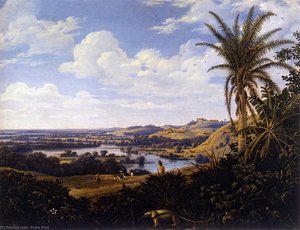
Post’s artistic output coincided with the zenith of Dutch colonial rule in Brazil, a period marked by ambitious expansion and fraught with political tensions. His paintings offer invaluable insight into this era, capturing not only the visual splendor of Brazilian landscapes but also the social dynamics of colonial society. Notably, he depicted a kangaroo—a creature unfamiliar to European audiences at the time—representing the exotic allure of the New World and highlighting the fascination with natural wonders that fueled scientific exploration during the seventeenth century. The inclusion of elements like cacti – rare in Brazil – further underscores Post’s meticulous attention to detail and his desire to convey an accurate portrayal of Brazilian flora. His work was commissioned by Johan Maurits van Nassau-Siegen, who sought to commemorate the Dutch presence in Brazil through artistic representation.A Legacy Enduring Through Reproduction
Today, Frans Post's ‘Le Rio San Francisco et le Fort Maurice’ stands as a testament to artistic innovation and historical significance. Its enduring appeal lies not only in its masterful depiction of Brazilian landscape but also in its ability to evoke emotions of tranquility and contemplation—qualities that resonate deeply with contemporary viewers. ArtsDot.com offers high-quality reproductions of this iconic artwork, allowing enthusiasts worldwide to experience the beauty and artistry of Post’s vision firsthand.Related Artworks
Artist Biography
A Pioneer of the American Landscape: The Life and Art of Frans Post
Frans Janszoon Post, a name perhaps less instantly recognizable than his Dutch Golden Age contemporaries like Rembrandt or Vermeer, occupies a unique and vital position in art history. Born in Haarlem in 1612, into a family steeped in artistic tradition – his father a glass painter, his brother a prominent architect – Post would become the first European artist to dedicate himself to depicting the landscapes of the Americas, specifically those of Dutch Brazil. His journey wasn’t merely geographical; it was a pioneering act that bridged two worlds and offered Europe its earliest sustained visual encounter with the New World's exotic beauty and complex colonial reality. While initially overshadowed by other masters of his time, Post’s work is now celebrated for its historical significance, artistic innovation, and captivating blend of observation and imagination.Early Training and the Call of Brazil
Post’s formative years unfolded amidst the vibrant art scene of Haarlem, a city brimming with talent. He likely received initial instruction from both his father and brother, absorbing their respective skills in color and design, and architectural principles. Though formal guild records are lacking, it is widely believed that Pieter de Molijn served as his master, imparting a foundation in landscape painting that would prove crucial to Post’s future endeavors. He moved within the same circles as Frans Hals, and shared artistic kinship with other Haarlem landscape painters like Jacob and Salomon van Ruysdael, Adriaen and Isaac van Ostade, and Pieter de Molijn himself. The outbreak of plague in Haarlem may have been a catalyst for his departure, but it was an invitation from Johan Maurits van Nassau-Siegen, the governor-general of Dutch Brazil, that truly altered the course of his artistic life. In 1637, Post embarked on a transformative voyage to northeastern South America, carrying with him not only brushes and paints but also the weight of expectation – to visually document this newly acquired colonial territory for European audiences.Documenting a New World: The Brazilian Period (1637-1644)
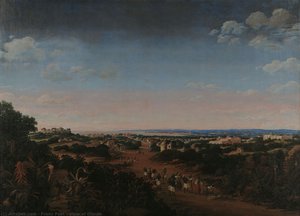
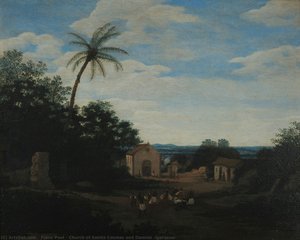
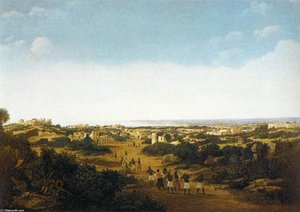
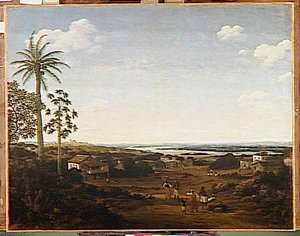
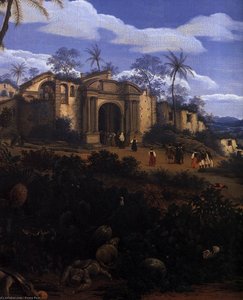
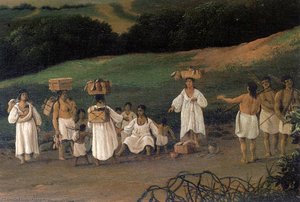
The seven years Post spent in Brazil were pivotal. Commissioned by Frederick Henry, Prince of Orange, he meticulously recorded the landscapes, settlements, and daily life of Dutch Brazil through sketches, etchings, and approximately six completed paintings during his time there. These early Brazilian works are remarkable for their blend of Dutch artistic conventions with novel subject matter. Wolfgang Stechow famously described Post’s style as “the old bottle filled with new wine,” aptly capturing this synthesis. He depicted recognizable locations, local topography, and the burgeoning colonial infrastructure, all rendered with a keen eye for detail. The inclusion of Brazilian vegetation – palm trees, sugarcane plantations – and occasional wildlife, possibly inspired by the naturalist Georg Marggraf who accompanied the expedition, added an exotic allure to his compositions. A distinctive feature of these paintings is the often-dominant gray sky, which lends a somber, atmospheric quality, perhaps reflecting the inherent complexities and uncertainties of colonial life. These weren’t simply picturesque views; they were records of conquest, labor, and cultural exchange.Return to Haarlem and Artistic Transformation
Upon his return to the Netherlands in 1644, Post integrated himself into the artistic community of Haarlem, joining the Guild of St. Luke and taking on leadership roles within it. However, his experiences in Brazil had profoundly altered his artistic vision. While his earlier works prioritized realism and detailed observation, his later paintings embraced a more imaginative and idealized approach. The landscapes became more expansive and resource-rich, imbued with a sense of abundance and conquest. Brighter colors replaced the somber tones of his Brazilian period, and exotic elements were incorporated to enhance the allure of the New World. He emphasized depth and perspective, creating lush, verdant scenes populated by vibrant flora and fauna. The use of deep blue hues, potentially resulting from pigment degradation over time, created striking contrasts and further heightened the sense of drama and spectacle. Post produced roughly 140 paintings throughout his lifetime, about half of which are dated, allowing art historians to trace the evolution of his style with precision.Legacy and Historical Significance
Frans Post’s legacy extends far beyond his artistic skill. His work stands as an invaluable visual document of Dutch colonial Brazil, offering insights into its landscape, settlements, economy, and social dynamics. Though later years were marked by personal struggles – including potential alcohol dependency – he remains a unique figure in art history: the pioneering European artist who brought the landscapes of the Americas to the attention of Europe, forever altering perceptions of the New World. His paintings weren’t merely aesthetic creations; they were instruments of colonial discourse, shaping European understanding of Brazil and its possibilities. Today, his works are treasured not only for their artistic merit but also for their historical significance, providing a window into a pivotal moment in global history – a time of exploration, colonization, and cultural exchange that continues to resonate today.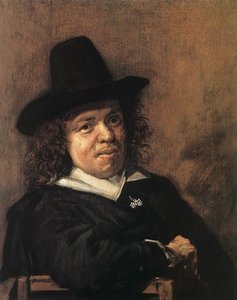
Frans Post
1612 - 1680 , Netherlands
Quick Facts
- Artistic Movement Or Style: Dutch Golden Age painting
- Artists Or Movements Influenced By This Artist: ['Brazilian landscape art']
- Artists Who Influenced This Artist:
- Pieter de Molijn
- Frans Hals
- Date Of Birth: 1612
- Date Of Death: 1680
- Full Name: Frans Janszoon Post
- Nationality: Dutch
- Notable Artworks:
- The Home of a 'Labrador'
- UNE HABITATION DE PLANTEURS
- View of Itamaracá
- Place Of Birth: Haarlem, Netherlands
Related Articles

Beyond the Horizon: 10 Landscape Masterpieces for Your Home Decor
Journey through 10 breathtaking landscape paintings by Monet, Van Gogh & more! Explore iconic artworks, artistic techniques & find inspiration for your home decor. Museum-quality reproductions at ArtsDot.com. Discover all masterpieces on ArtsDot.com
Jan van Goyen: Master of Dutch Landscape & Atmospheric Perspective
Discover Jan van Goyen, the master of Dutch landscape painting. Explore his subtle technique, atmospheric realism & lasting influence on art history. Learn about this 17th-century pioneer at ArtsDot.
Golden Light & Dutch Skies: Bringing the Magic of Dutch Golden Age Landscapes into Your Home
Transform your home with the breathtaking light of Dutch Golden Age landscapes. Discover how hand-painted oil reproductions of masterworks like Ruisdael and Vermeer bring timeless elegance, atmosphere, and soulful texture to modern interiors. Elevate your space with museum-quality art.
Nicolaes Berchem: Dutch Golden Age Pastoralism & the Evolution of Landscape Painting
Explore the captivating world of Nicolaes Berchem, a leading Dutch Golden Age painter. Discover his idyllic landscapes, masterful technique & lasting influence on art history. Learn more at ArtsDot.
Jacob van Ruisdael: Master of Dutch Landscape & the Evocation of National Identity
Explore the life & work of Jacob van Ruisdael, the preeminent Dutch landscape painter. Discover his technical brilliance, symbolic depth, and lasting influence on art history. Learn about collecting Ruisdael's masterpieces.