 Preview
 Send
Send Share
Share
 Details

 Download
 Similars
 X-Ray
X-Ray Diaporama
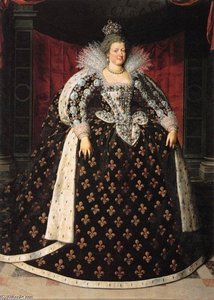
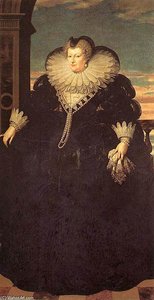
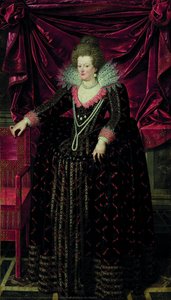
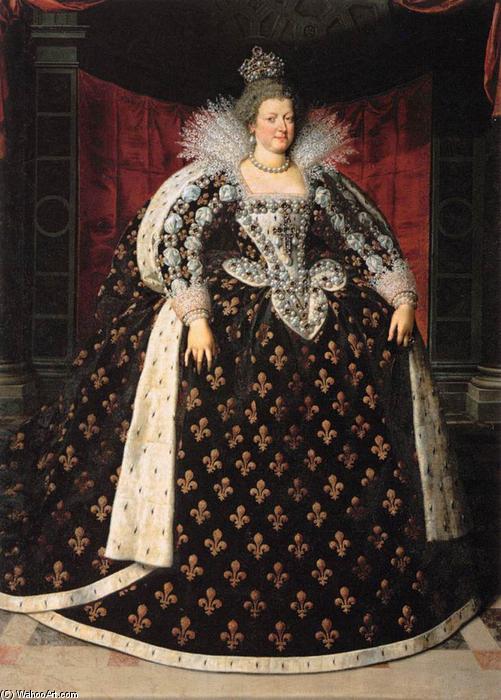
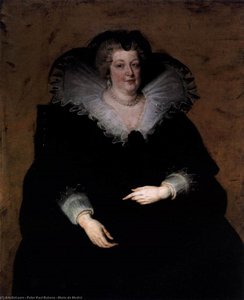
Marie de Médicis, Queen of France
 Oil On Canvas
- WallArt
- Baroque Portraiture
 1609
1609 307.0 x 186.0 cm
 The Louvre
 Read More
Hand Made Oil Reproduction
Hand-painted oil on canvas in your size and frame, made to order by our artists. ( Buy Print Buy Image)




P118B $10

P118H $10

P118W $10

P438Z $10

P508JH $12

P508YH $12

P805H $10

P805Z $10

P919BZ $10

P919G $10

P919XJ $10

P959ZH $10

P968JZ $12

W106C $8

W218G $10

W218JH $8

W218Y $10

W307PJ $10

W316G $10

W316PJ $8

W316Y $10

W398PJ $8

W4111J $10

W500HY $15

W500JH $15

W692G $12

W849H $8

W940BG $15

W953PJ $8




Pick from our preset sizes that match the artwork's original proportions.

You may enter your own dimensions to fit a specific frame or space. If your selected size does not match the original image's proportions, we will either crop the artwork or extend the painting with additional hand-painted elements. A digital mockup will be sent for your approval before production begins.
Please note that the on-screen preview does not reflect the actual cropping or extension. Only the mockup will accurately show the final composition.
While custom sizes are available, we recommend selecting a dimension from the predefined list to preserve the original proportions.
After order, ArtsDot.com team will email client for instructions and provide a mockup preview
Worldwide Delivery () in 3/4 weeks instead of standard 5 weeks. (16 August). No compromise on quality.

Free Worldwide Express Shipping

High-Quality Linen Canvas

Full Shipping Insurance

Customs Tax Refund Guarantee

True Color Matching Guarantee

60-Day Return Policy (Defects Only)

100% Money-Back Guarantee

Bulk Discount Offer
 Glass option is only available in size under 110 CM

Marie de Médicis, Queen of France
Reproduction Medium
Reproduction Size
-


Total Price
$ 263
Artwork Description
The Regal Presence: Marie de’ Medici and Frans Pourbus the Younger
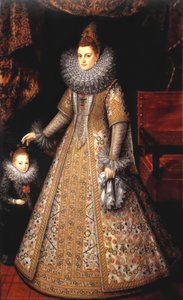
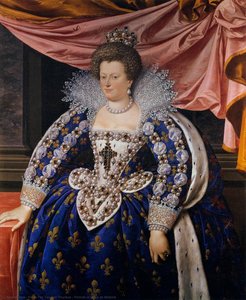
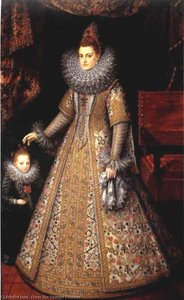
Frans Pourbus the Younger’s portrait of Marie de’ Medici, Queen of France, is more than a simple likeness; it's a carefully constructed tableau of power, piety, and the calculated grace demanded by her position. Painted in 1609, this oil-on-canvas masterpiece offers a glimpse into the opulent world of the French court during the early Baroque period, revealing both the queen’s inherent dignity and the meticulous artistry that defined Pourbus's style. The painting isn’t merely a representation of a woman; it’s an embodiment of her role as sovereign, a testament to her influence, and a subtle declaration of her lineage – a direct link to the powerful Medici family of Florence.
Pourbus, a master portraitist working across Europe for influential patrons including Archdukes Albert and Isabella, the Duke of Mantua, and ultimately Queen Marie herself, possessed an exceptional ability to capture the nuances of human expression and the luxurious details of attire. His work is characterized by a refined realism, a careful attention to texture – from the shimmering silk of her gown to the delicate folds of her headdress – and a subtle use of light and shadow that lends depth and volume to his subjects. Unlike some of his contemporaries who favored dramatic poses or elaborate backgrounds, Pourbus often opted for a more restrained approach, focusing instead on conveying an aura of quiet authority and serene composure.
A Symphony of Silk and Shadow: Technique and Composition
The painting’s composition is meticulously balanced. Marie de' Medici dominates the canvas, her figure rendered in exquisite detail against a dark, almost velvety background. This strategic use of darkness serves to heighten the impact of her presence, drawing the viewer’s eye directly to her face – a portrait of controlled elegance and subtle melancholy. The artist skillfully employs chiaroscuro, the dramatic contrast between light and shadow, to sculpt her features, emphasizing the delicate curve of her jawline, the gentle slope of her eyes, and the slight upward tilt of her head.
Pourbus’s technique is equally impressive. He masterfully renders the textures of the fabrics – the intricate lace at the neckline, the heavy velvet of her robe, the shimmering pearls adorning her headdress – with remarkable precision. The folds and drapes are depicted with a sense of weight and volume, creating a tactile quality that invites the viewer to reach out and touch the painting. The use of layered glazes builds up the colors gradually, resulting in a rich, luminous surface that captures the light beautifully.
Symbolism and Context: A Queen's Narrative
Beyond its technical brilliance, the portrait is laden with symbolic meaning. The white headdress, a traditional symbol of royalty, underscores Marie’s status as queen. The crown or tiara further reinforces this assertion of power. The elaborate gown, adorned with rich fabrics and intricate embellishments, speaks to her wealth and influence – a reflection of the vast resources at her disposal during her reign. Even the dark background can be interpreted symbolically, representing the weight of responsibility and the challenges she faced as regent of France.
Marie de’ Medici's position was inherently complex. She arrived in France as a refugee after the death of her husband, Henry IV, navigating a court rife with political intrigue and religious tensions. The portrait, therefore, can be seen not just as an image of a queen, but also as a statement of resilience and determination – a visual declaration of her enduring power amidst turbulent times. It’s a poignant reminder of the delicate balance between personal ambition and public duty, a theme that resonated deeply within the lives of European monarchs during the 17th century.
A Legacy Preserved: Reproduction and Artistic Appreciation
Originally housed at the Louvre in Paris, this iconic portrait has captivated viewers for centuries. Today, high-quality reproductions, such as those offered by ArtsDot.com, allow art lovers to experience the beauty and artistry of Pourbus’s masterpiece firsthand. The meticulous attention to detail – faithfully recreated through modern printing techniques – captures the essence of the original painting, offering a tangible connection to this remarkable work of Baroque portraiture. Exploring the works of Frans Pourbus the Younger further reveals his mastery of capturing the spirit of his subjects and his significant contribution to the artistic landscape of Europe.
Related Artworks
Artist Biography
Pieter Bruegel the Elder: A Vision of Humanity
Pieter Bruegel the Elder, a name synonymous with the vibrant tapestry of Flemish life in the 16th century, remains one of the most profoundly influential and enduring figures in Western art. Born around 1525 in Breda – though his precise birthplace is debated – he rose from humble origins to become the greatest painter of his time, leaving behind a legacy that continues to resonate with viewers today. His work transcends mere representation; it’s a window into a world teeming with humanity, imbued with both humor and poignant observation, offering a uniquely accessible and deeply felt perspective on life, death, and the rhythms of rural existence.
Bruegel's artistic journey began within the established framework of the Flemish Renaissance, yet he swiftly forged his own distinctive path. Initially apprenticed to Pieter Coecke van Aelst in Antwerp – a master known for his intricate designs and diverse talents – Bruegel’s early works demonstrate a clear debt to the traditions of landscape painting prevalent at the time. However, it was not long before he began to inject his own radical vision into these landscapes, transforming them from static backdrops into dynamic stages upon which the drama of everyday life unfolded. This shift marked a pivotal moment in art history, laying the groundwork for what would later be termed “genre painting” – the depiction of scenes from ordinary life with remarkable realism and psychological insight.
The Painter of Peasants and Proverbs
Bruegel’s most celebrated subjects were undoubtedly those found within the rural communities of Flanders. He eschewed the grand narratives favored by many of his contemporaries, instead focusing on the lives of peasants, farmers, and laborers – a deliberate choice that challenged the prevailing artistic conventions of the era. His paintings are populated with an astonishing array of figures engaged in their daily routines: threshing wheat, celebrating weddings, playing games, tending to livestock, or simply going about their business. These scenes aren’t merely picturesque; they're imbued with a keen awareness of human behavior, capturing both the joys and sorrows, the triumphs and tribulations, of peasant life.
Furthermore, Bruegel possessed a remarkable talent for incorporating moral and satirical commentary into his work. He frequently employed proverbs – short, pithy sayings that encapsulated common wisdom – as visual metaphors, embedding them within his landscapes to offer subtle critiques of human folly and societal norms. His masterpiece, *Netherlandish Proverbs* (1563), is a particularly brilliant example of this technique, depicting over one hundred different proverbs in a single, sprawling composition—a testament to Bruegel’s artistic ingenuity and his ability to distill complex ideas into accessible visual forms. The painting's sheer scale and intricate detail invite repeated viewing, revealing new layers of meaning with each encounter.
A Journey to Italy and the Influence of Bosch
Around 1548, Bruegel embarked on a significant journey to Italy, a formative experience that profoundly shaped his artistic development. While he admired the grandeur and classical ideals of Italian art, he found himself particularly drawn to the works of Hieronymus Bosch – another master of fantastical imagery and moral allegory. Bosch’s unsettling visions of hellish landscapes and grotesque figures exerted a powerful influence on Bruegel, inspiring him to incorporate elements of surrealism and symbolic representation into his own work. This connection is evident in paintings like *The Fall of Icarus*, where the tragic hero's demise unfolds against a vast, desolate landscape reminiscent of Bosch’s nocturnal visions.
However, Bruegel didn’t simply imitate Bosch; he adapted and transformed these influences to suit his own artistic vision. He retained Bosch’s interest in symbolism and moral allegory but infused his work with a distinctly Flemish sensibility – a focus on the everyday lives of ordinary people and a keen awareness of the natural world. His landscapes, unlike those of many of his contemporaries, are not idealized or romanticized; they are gritty, realistic depictions of rural life, capturing both its beauty and its hardships.
Legacy and Lasting Significance
Pieter Bruegel the Elder died in Brussels in September 1569, leaving behind a remarkably extensive body of work. His paintings were initially appreciated for their technical skill and striking imagery, but it wasn’t until the late 18th century that his true genius was fully recognized. Artists such as Jean-Auguste-Dominique Ingres and Francisco Goya championed Bruegel's work, elevating him to the status of a master alongside Rembrandt and Rubens. Today, Bruegel is celebrated for his unparalleled ability to capture the essence of human experience – his empathy for the common man, his sharp wit, and his profound understanding of the natural world.
His influence extends far beyond the realm of painting. Bruegel’s focus on everyday life paved the way for the development of Realism in 19th-century art, while his masterful use of landscape as a narrative device continues to inspire artists today. More than simply depicting scenes from rural Flanders, Bruegel created a timeless portrait of humanity – a testament to our shared joys, sorrows, and struggles, rendered with unparalleled skill and profound insight.
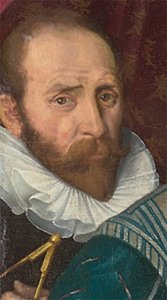
frans the younger pourbus
1569 - 1622 , Belgium
Quick Facts
- Artistic Movement Or Style: Northern Renaissance
- Artists Or Movements Influenced By This Artist:
- Bosch
- Dutch Golden Age
- Artists Who Influenced This Artist: ['Pieter Coecke van Aelst']
- Date Of Birth: c. 1525, Breda
- Date Of Death: Sept. 5/9, 1569, Brussels
- Full Name: Pieter Bruegel the Elder
- Nationality: Flemish
- Notable Artworks:
- Landscape with the Fall of Icarus
- The Peasant Wedding
- Hunters in the New Forest
- Place Of Birth: Breda, Brabant (Netherlands)
Related Articles

Demandes Commerciales
APS ofrece reproducciones de bellas artes y encargos personalizados desde 2004. Confían en nosotros corporaciones, hoteles y coleccionistas selectos para obras de arte de calidad museística, servicio discreto y soluciones artísticas completas. ¡Póngase en contacto con nosotros para obtener un presupuesto personalizado!

Goya's Masterpieces: Explore 25 Iconic Paintings & Art Prints | ArtsDot
Delve into the world of Francisco Goya with ArtsDot. Explore 25 iconic paintings – from 'The Third of May' to his haunting Black Paintings. Discover the stories, techniques & emotions behind these Spanish masterpieces. Find museum-quality art reproductions for your home at ArtsDot.com!

A riguardo di noi
Découvrez notre histoire ! Nous apportons l'art de classe mondiale dans votre vie grâce à une sélection experte, des créations personnalisées et des aperçus gratuits. Approuvé par les particuliers et les entreprises depuis 2000.
Pierre Puvis de Chavannes: Symbolism, Mural Painting, and the Pursuit of Ideal Beauty
Explore the life & work of Pierre Puvis de Chavannes, a pivotal Symbolist painter renowned for his monumental murals. Discover his aesthetic principles, key artworks like 'Hope,' and lasting influence on modern art. A deep dive into 19th-century French painting.
Jacob Henricus Maris: A Master of Dutch Atmospheric Realism & the Intimate Landscape
Explore the captivating world of Jacob Henricus Maris, a leading figure of the Dutch Hague School. Discover his atmospheric landscapes, signature brushstrokes & lasting influence on 19th-century art. Learn more at ArtsDot.