 Preview
 Send
Send Share
Share
 Details

 Download
 Similars
 X-Ray
X-Ray Diaporama
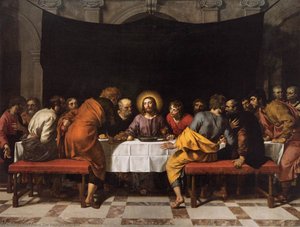
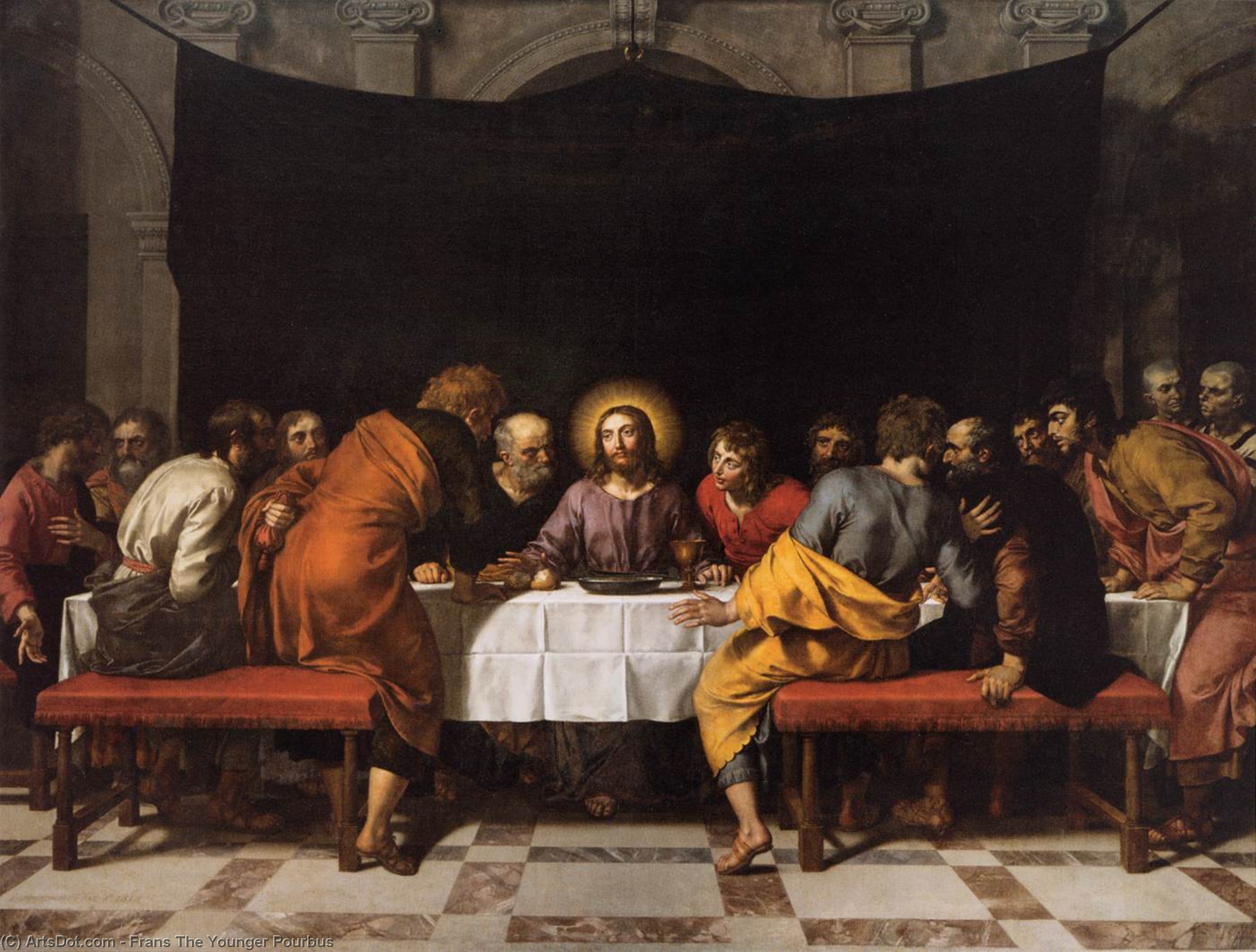
The Last Supper
 Oil On Canvas
- WallArt
- Baroque
 1618
1618- Early Modern
 287.0 x 370.0 cm
 The Louvre
 Read More
Hand Made Oil Reproduction
Hand-painted oil on canvas in your size and frame, made to order by our artists. ( Buy Print Buy Image)




P118B $10

P118H $10

P118W $10

P438Z $10

P508JH $12

P508YH $12

P805H $10

P805Z $10

P919BZ $10

P919G $10

P919XJ $10

P959ZH $10

P968JZ $12

W106C $8

W218G $10

W218JH $8

W218Y $10

W307PJ $10

W316G $10

W316PJ $8

W316Y $10

W398PJ $8

W4111J $10

W500HY $15

W500JH $15

W692G $12

W849H $8

W940BG $15

W953PJ $8




Pick from our preset sizes that match the artwork's original proportions.

You may enter your own dimensions to fit a specific frame or space. If your selected size does not match the original image's proportions, we will either crop the artwork or extend the painting with additional hand-painted elements. A digital mockup will be sent for your approval before production begins.
Please note that the on-screen preview does not reflect the actual cropping or extension. Only the mockup will accurately show the final composition.
While custom sizes are available, we recommend selecting a dimension from the predefined list to preserve the original proportions.
After order, ArtsDot.com team will email client for instructions and provide a mockup preview
Worldwide Delivery () in 3/4 weeks instead of standard 5 weeks. (16 August). No compromise on quality.

Free Worldwide Express Shipping

High-Quality Linen Canvas

Full Shipping Insurance

Customs Tax Refund Guarantee

True Color Matching Guarantee

60-Day Return Policy (Defects Only)

100% Money-Back Guarantee

Bulk Discount Offer
 Glass option is only available in size under 110 CM

The Last Supper
Reproduction Medium
Reproduction Size
-


Total Price
$ 538
Artwork Description
A Divine Gathering: Exploring the Drama of The Last Supper
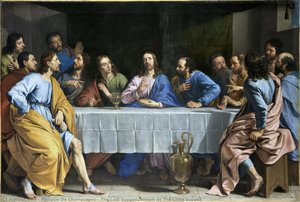
To stand before this monumental depiction of The Last Supper is to be enveloped in an atmosphere thick with profound significance and hushed drama. It is more than merely a painting; it is a frozen moment of ultimate human reckoning, rendered with a Baroque intensity that pulls the viewer directly into the sacred circle. The composition immediately commands attention, drawing the eye inexorably toward the central figures seated around the long table. One senses not just the weight of history, but the palpable tension preceding an irreversible turning point in faith and fellowship. The sheer scale of this work—a breathtaking 287 x 370 cm—lends itself to grand architectural settings, making it a centerpiece that speaks volumes about devotion and human drama.
Mastery of Light and Shadow: Technique and Style
The technical brilliance employed here is nothing short of masterful. The artist has utilized the dramatic vocabulary of chiaroscuro, allowing light to function not merely as illumination, but as a narrative device itself. Key figures, particularly Christ and those nearest him, are bathed in an almost divine luminescence, causing them to emerge from the surrounding depths of shadow. This interplay between brilliant highlights and deep umbra creates a visceral sense of volume and emotional weight. The style leans heavily into Baroque conventions—a period obsessed with emotion, movement, and grandeur. Observe the drapery; the folds of fabric are not static but seem caught in an invisible current, lending a dynamic, flowing quality to every gesture. While the overall structure employs a stable pyramidal composition, the individual lines defining the figures’ forms and the architectural arches behind them provide a restless energy.
Symbolism Woven into Every Detail
The symbolism inherent in this scene is rich and multi-layered, inviting contemplation for generations of viewers. The meal itself transcends mere sustenance; it becomes a communion—a final, sacred gathering. The arrangement around the table speaks to fellowship under duress. The warm palette, dominated by deep reds, burnished golds, and earthy browns, establishes an immediate tone of solemn reverence, while subtle cooler tones in select garments provide necessary visual contrast, guiding the eye through the narrative beats. Every object, every gesture—from the placement of hands to the architectural backdrop suggesting a grand hall—is imbued with meaning, speaking eloquently of sacrifice, divine presence, and the enduring power of faith.
An Echo of Flemish Grandeur
While the subject matter is deeply rooted in Christian iconography, the execution carries echoes of the great traditions of Northern European painting. The meticulous brushwork suggests a dedication to realism, yet this realism is elevated into something idealized and profoundly emotional. For those seeking an artwork that marries historical weight with breathtaking visual drama, this piece offers unparalleled depth. Reproducing such a monumental work allows one to bring the grandeur of a pivotal moment—a testament to human connection under divine scrutiny—into a contemporary space, transforming any room into a chapel of contemplation.
Related Artworks
Artist Biography
Pieter Bruegel the Elder: A Vision of Humanity
Pieter Bruegel the Elder, a name synonymous with the vibrant tapestry of Flemish life in the 16th century, remains one of the most profoundly influential and enduring figures in Western art. Born around 1525 in Breda – though his precise birthplace is debated – he rose from humble origins to become the greatest painter of his time, leaving behind a legacy that continues to resonate with viewers today. His work transcends mere representation; it’s a window into a world teeming with humanity, imbued with both humor and poignant observation, offering a uniquely accessible and deeply felt perspective on life, death, and the rhythms of rural existence.
Bruegel's artistic journey began within the established framework of the Flemish Renaissance, yet he swiftly forged his own distinctive path. Initially apprenticed to Pieter Coecke van Aelst in Antwerp – a master known for his intricate designs and diverse talents – Bruegel’s early works demonstrate a clear debt to the traditions of landscape painting prevalent at the time. However, it was not long before he began to inject his own radical vision into these landscapes, transforming them from static backdrops into dynamic stages upon which the drama of everyday life unfolded. This shift marked a pivotal moment in art history, laying the groundwork for what would later be termed “genre painting” – the depiction of scenes from ordinary life with remarkable realism and psychological insight.
The Painter of Peasants and Proverbs
Bruegel’s most celebrated subjects were undoubtedly those found within the rural communities of Flanders. He eschewed the grand narratives favored by many of his contemporaries, instead focusing on the lives of peasants, farmers, and laborers – a deliberate choice that challenged the prevailing artistic conventions of the era. His paintings are populated with an astonishing array of figures engaged in their daily routines: threshing wheat, celebrating weddings, playing games, tending to livestock, or simply going about their business. These scenes aren’t merely picturesque; they're imbued with a keen awareness of human behavior, capturing both the joys and sorrows, the triumphs and tribulations, of peasant life.
Furthermore, Bruegel possessed a remarkable talent for incorporating moral and satirical commentary into his work. He frequently employed proverbs – short, pithy sayings that encapsulated common wisdom – as visual metaphors, embedding them within his landscapes to offer subtle critiques of human folly and societal norms. His masterpiece, *Netherlandish Proverbs* (1563), is a particularly brilliant example of this technique, depicting over one hundred different proverbs in a single, sprawling composition—a testament to Bruegel’s artistic ingenuity and his ability to distill complex ideas into accessible visual forms. The painting's sheer scale and intricate detail invite repeated viewing, revealing new layers of meaning with each encounter.
A Journey to Italy and the Influence of Bosch
Around 1548, Bruegel embarked on a significant journey to Italy, a formative experience that profoundly shaped his artistic development. While he admired the grandeur and classical ideals of Italian art, he found himself particularly drawn to the works of Hieronymus Bosch – another master of fantastical imagery and moral allegory. Bosch’s unsettling visions of hellish landscapes and grotesque figures exerted a powerful influence on Bruegel, inspiring him to incorporate elements of surrealism and symbolic representation into his own work. This connection is evident in paintings like *The Fall of Icarus*, where the tragic hero's demise unfolds against a vast, desolate landscape reminiscent of Bosch’s nocturnal visions.
However, Bruegel didn’t simply imitate Bosch; he adapted and transformed these influences to suit his own artistic vision. He retained Bosch’s interest in symbolism and moral allegory but infused his work with a distinctly Flemish sensibility – a focus on the everyday lives of ordinary people and a keen awareness of the natural world. His landscapes, unlike those of many of his contemporaries, are not idealized or romanticized; they are gritty, realistic depictions of rural life, capturing both its beauty and its hardships.
Legacy and Lasting Significance
Pieter Bruegel the Elder died in Brussels in September 1569, leaving behind a remarkably extensive body of work. His paintings were initially appreciated for their technical skill and striking imagery, but it wasn’t until the late 18th century that his true genius was fully recognized. Artists such as Jean-Auguste-Dominique Ingres and Francisco Goya championed Bruegel's work, elevating him to the status of a master alongside Rembrandt and Rubens. Today, Bruegel is celebrated for his unparalleled ability to capture the essence of human experience – his empathy for the common man, his sharp wit, and his profound understanding of the natural world.
His influence extends far beyond the realm of painting. Bruegel’s focus on everyday life paved the way for the development of Realism in 19th-century art, while his masterful use of landscape as a narrative device continues to inspire artists today. More than simply depicting scenes from rural Flanders, Bruegel created a timeless portrait of humanity – a testament to our shared joys, sorrows, and struggles, rendered with unparalleled skill and profound insight.
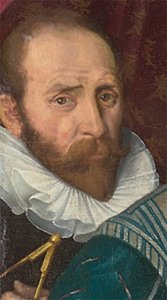
frans the younger pourbus
1569 - 1622 , Belgium
Quick Facts
- Artistic Movement Or Style: Northern Renaissance
- Artists Or Movements Influenced By This Artist:
- Bosch
- Dutch Golden Age
- Artists Who Influenced This Artist: ['Pieter Coecke van Aelst']
- Date Of Birth: c. 1525, Breda
- Date Of Death: Sept. 5/9, 1569, Brussels
- Full Name: Pieter Bruegel the Elder
- Nationality: Flemish
- Notable Artworks:
- Landscape with the Fall of Icarus
- The Peasant Wedding
- Hunters in the New Forest
- Place Of Birth: Breda, Brabant (Netherlands)
Related Articles

The Dramatic Flourish: Exploring the Baroque Movement's Enduring Legacy in Art History
Explore the dramatic world of Baroque art! Discover iconic artists like Caravaggio & Rubens, defining techniques, and its lasting impact on art history. Expert insights for collectors & enthusiasts at ArtsDot.

The Visceral Stage: Exploring Dramatic Narratives & Emotional Intensity in Baroque Art
Explore the dramatic world of Baroque art! Discover iconic masters like Caravaggio & Rembrandt, their techniques, and the movement's lasting impact. Expert insights for collectors & enthusiasts at ArtsDot.

The Enduring Power of Painting: A Historical & Contemporary Exploration of Form and Emotion
Explore the rich history & enduring techniques of oil painting with ArtsDot. Discover masterpieces, learn about art collecting, and find authentic handmade reproductions crafted by skilled artists.

Baroque Drama: Bringing Opulence & Emotion into Contemporary Interiors
Explore the opulent world of Baroque interior design! Discover key elements, modern applications & how to bring dramatic elegance into your home with 's authentic reproductions.

Baroque Masterpieces: 10 Paintings That Defined an Era |
Journey through the drama & grandeur of Baroque art! Explore 10 masterpieces by Caravaggio, Rembrandt, Rubens & more. Discover stunning oil paintings, rich colors & timeless stories. Find museum-quality reproductions at .