

 Preview
 Send
Send Share
Share
 Details

 Download
 Similars
 X-Ray
X-Ray Diaporama
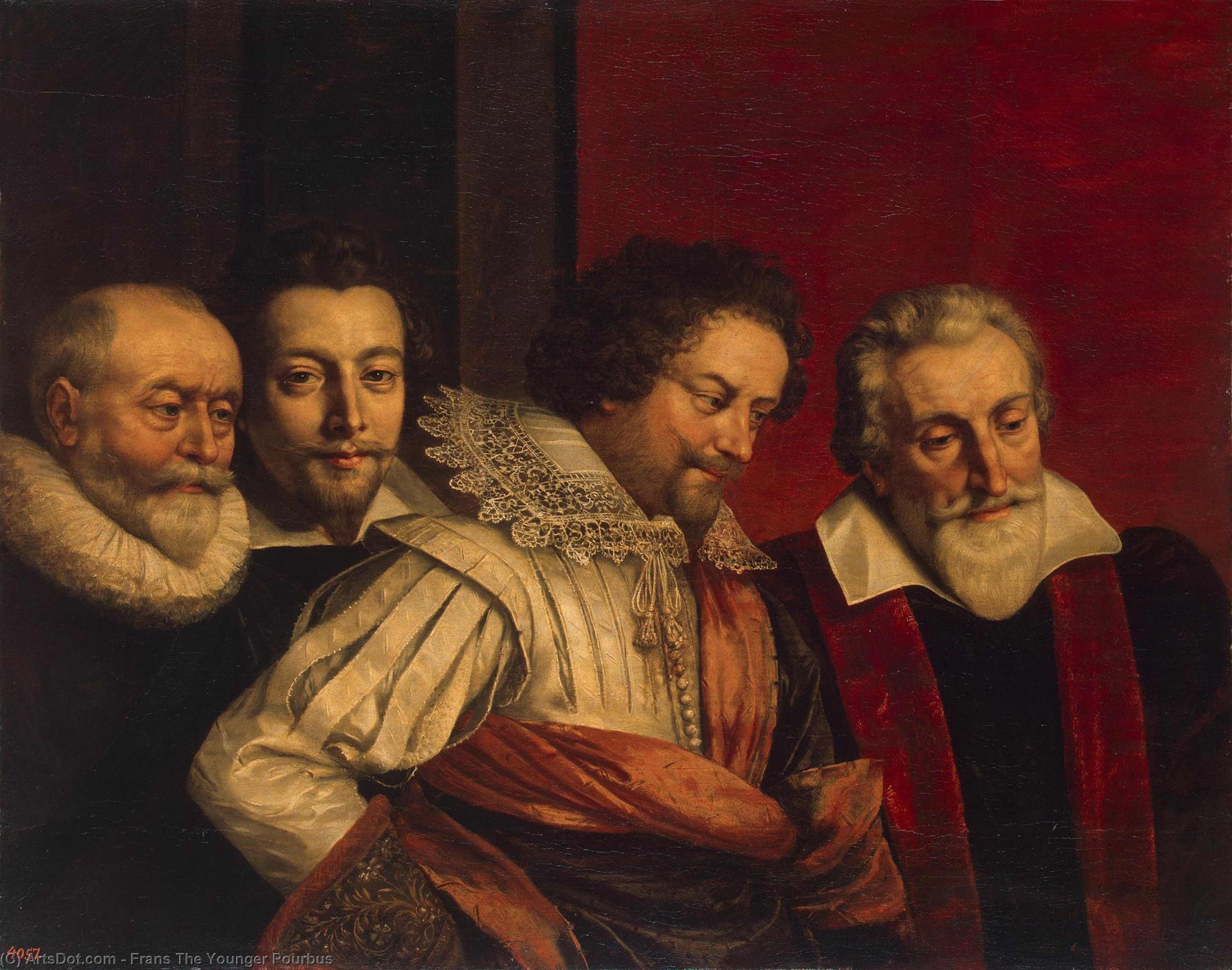
Portrait of Four Members of the Paris Council
 Oil On Canvas
- WallArt
- Baroque Renaissance
 1616
1616- Early Modern
 73.0 x 92.0 cm
 Hermitage Museum
 Read More
Purchase a high-resolution, enhanced digital image, far superior to the online preview.
Each file is meticulously prepared by our in-house specialists using advanced tools and expert manual retouching. We ensure every image has exceptional clarity, precise color accuracy, and fine detail.
The final file is delivered via email within 72 hours, optimized for immediate use in professional, editorial, and print environments. This is the same quality trusted by top-tier design studios, publishers, and galleries.
Digital Image
Download a high-resolution file for personal display, printing, and creative projects. ( Buy Print Buy Hand Made Painting)
Included in Every Digital Image Order
Expert Digital Delivery, Guaranteed
When you choose ArtsDot.com, you're not just getting an image - you're receiving a professionally enhanced digital artwork, crafted with precision and backed by a satisfaction guarantee. Here's everything that comes with your order, automatically:

Fast Email Delivery
Your high-resolution digital image file will be emailed to you within 72 hours of ordering - ready for immediate use.

AI-Enhanced Digital File
Your artwork is professionally optimized using advanced AI tools and manual editing, ensuring maximum detail, clarity, and color accuracy.

Free Lifetime Re-Delivery
Accidentally deleted or lost your file? No worries - we'll resend it to you anytime, free of charge.

No Import Fees - Ever
Enjoy your artwork instantly with zero customs, duties, or delivery fees - digital downloads are always tax-free.

Color Accuracy Guarantee
We ensure your digital image reflects the original colors as closely as possible using professional tools and color management.

60-Day Satisfaction Guarantee
If you're not satisfied with your digital image, we'll revise it or refund 100% within 60 days - no questions asked.

100% Money-Back Guarantee
Not satisfied? Get a full refund within 60 days of receiving your digital file - no questions asked.

Bulk Order Discounts
Buy 3 images, save 10% - Buy 5, save 15% - Buy 10+, save 20%. Great for creative projects, galleries, and agencies.
A Glimpse into Aristocratic Grandeur
In the quiet, commanding presence of Frans Pourbus the Younger’s Portrait of Four Members of the Paris Council, we find ourselves transported to the heart of the early seventeenth century. This masterful composition, completed in 1616, serves as much more than a mere record of faces; it is a profound window into the dignity and social architecture of the era. The painting captures four distinguished gentlemen, their figures arranged with a deliberate, stately rhythm that speaks to the stability and importance of the Parisian administrative class. Dressed in the height of contemporary fashion, they are adorned with exquisite lace collars and meticulously detailed suits, an ensemble that signals not only wealth but a profound sense of civic duty and intellectual standing.
As one gazes upon the canvas, the eye is immediately drawn to the intricate textures that define the subjects' attire. The artist’s ability to render the delicate, frothy edges of the lace against the heavy, dark fabrics of their garments creates a tactile experience that feels almost tangible. There is a palpable sense of ceremony in their posture—a collective confidence that reflects the rigid social hierarchies and the burgeoning sophistication of the French courtly life during this period. For the collector or the interior designer, this piece offers an anchor of historical weight, bringing a sense of established prestige and timeless elegance to any curated space.
Mastery of Technique and Flemish Tradition
The technical brilliance of this work lies in Pourbus’s command over the medium of oil on canvas. Following in the footsteps of a prominent lineage of Flemish painters, he utilizes a meticulous layering process to achieve an astonishing depth of color and light. Each brushstroke is purposeful, contributing to a surface that possesses both a smooth, polished finish and a rich, luminous quality. This technique allows for the subtle play of light across the men's faces, highlighting the psychological nuance and individual character etched into their features. Unlike the idealized, often ethereal portraits of the Italian Renaissance, Pourbus embraces a grounded realism, capturing the weight of the fabric and the true, unvarnished presence of his subjects.
Beyond the physical rendering, the painting embodies the transition from the late Renaissance to the early Baroque period. While the composition retains a certain formal, almost static dignity characteristic of court portraiture, there is an underlying vitality found in the detailed depiction of costume and jewelry. The artist’s focus on the material world—the sheen of silk, the crispness of linen, and the intricate patterns of embroidery—serves to celebrate the prosperity of the age. This dedication to detail ensures that the artwork remains a captivating subject for study, offering endless layers of visual discovery for those who linger before its surface.
An Enduring Legacy for the Discerning Eye
To possess a reproduction of such a significant work is to invite a piece of history into one's environment. The Portrait of Four Members of the Paris Council does not merely decorate a room; it enriches the atmosphere with an aura of intellectual discourse and historical gravity. It is a piece that resonates with the themes of legacy, identity, and the enduring human desire to be remembered through art. Whether placed in a formal study, a grand hallway, or a sophisticated living area, the painting acts as a conversation starter, bridging the gap between the seventeenth-century council chambers and the modern aesthetic.
For those seeking to infuse their interiors with a sense of cultured refinement, this work provides an unparalleled opportunity. It embodies a perfect harmony of technical skill and historical narrative, making it an ideal choice for art lovers who appreciate the intersection of fine craftsmanship and the profound stories of human history. In every fold of lace and every steady gaze of the council members, there lies an invitation to contemplate the enduring spirit of excellence that defines the great masters of the Flemish tradition.
Related Artworks


Artist Biography
Pieter Bruegel the Elder: A Vision of Humanity
Pieter Bruegel the Elder, a name synonymous with the vibrant tapestry of Flemish life in the 16th century, remains one of the most profoundly influential and enduring figures in Western art. Born around 1525 in Breda – though his precise birthplace is debated – he rose from humble origins to become the greatest painter of his time, leaving behind a legacy that continues to resonate with viewers today. His work transcends mere representation; it’s a window into a world teeming with humanity, imbued with both humor and poignant observation, offering a uniquely accessible and deeply felt perspective on life, death, and the rhythms of rural existence.
Bruegel's artistic journey began within the established framework of the Flemish Renaissance, yet he swiftly forged his own distinctive path. Initially apprenticed to Pieter Coecke van Aelst in Antwerp – a master known for his intricate designs and diverse talents – Bruegel’s early works demonstrate a clear debt to the traditions of landscape painting prevalent at the time. However, it was not long before he began to inject his own radical vision into these landscapes, transforming them from static backdrops into dynamic stages upon which the drama of everyday life unfolded. This shift marked a pivotal moment in art history, laying the groundwork for what would later be termed “genre painting” – the depiction of scenes from ordinary life with remarkable realism and psychological insight.
The Painter of Peasants and Proverbs
Bruegel’s most celebrated subjects were undoubtedly those found within the rural communities of Flanders. He eschewed the grand narratives favored by many of his contemporaries, instead focusing on the lives of peasants, farmers, and laborers – a deliberate choice that challenged the prevailing artistic conventions of the era. His paintings are populated with an astonishing array of figures engaged in their daily routines: threshing wheat, celebrating weddings, playing games, tending to livestock, or simply going about their business. These scenes aren’t merely picturesque; they're imbued with a keen awareness of human behavior, capturing both the joys and sorrows, the triumphs and tribulations, of peasant life.
Furthermore, Bruegel possessed a remarkable talent for incorporating moral and satirical commentary into his work. He frequently employed proverbs – short, pithy sayings that encapsulated common wisdom – as visual metaphors, embedding them within his landscapes to offer subtle critiques of human folly and societal norms. His masterpiece, *Netherlandish Proverbs* (1563), is a particularly brilliant example of this technique, depicting over one hundred different proverbs in a single, sprawling composition—a testament to Bruegel’s artistic ingenuity and his ability to distill complex ideas into accessible visual forms. The painting's sheer scale and intricate detail invite repeated viewing, revealing new layers of meaning with each encounter.
A Journey to Italy and the Influence of Bosch
Around 1548, Bruegel embarked on a significant journey to Italy, a formative experience that profoundly shaped his artistic development. While he admired the grandeur and classical ideals of Italian art, he found himself particularly drawn to the works of Hieronymus Bosch – another master of fantastical imagery and moral allegory. Bosch’s unsettling visions of hellish landscapes and grotesque figures exerted a powerful influence on Bruegel, inspiring him to incorporate elements of surrealism and symbolic representation into his own work. This connection is evident in paintings like *The Fall of Icarus*, where the tragic hero's demise unfolds against a vast, desolate landscape reminiscent of Bosch’s nocturnal visions.
However, Bruegel didn’t simply imitate Bosch; he adapted and transformed these influences to suit his own artistic vision. He retained Bosch’s interest in symbolism and moral allegory but infused his work with a distinctly Flemish sensibility – a focus on the everyday lives of ordinary people and a keen awareness of the natural world. His landscapes, unlike those of many of his contemporaries, are not idealized or romanticized; they are gritty, realistic depictions of rural life, capturing both its beauty and its hardships.
Legacy and Lasting Significance
Pieter Bruegel the Elder died in Brussels in September 1569, leaving behind a remarkably extensive body of work. His paintings were initially appreciated for their technical skill and striking imagery, but it wasn’t until the late 18th century that his true genius was fully recognized. Artists such as Jean-Auguste-Dominique Ingres and Francisco Goya championed Bruegel's work, elevating him to the status of a master alongside Rembrandt and Rubens. Today, Bruegel is celebrated for his unparalleled ability to capture the essence of human experience – his empathy for the common man, his sharp wit, and his profound understanding of the natural world.
His influence extends far beyond the realm of painting. Bruegel’s focus on everyday life paved the way for the development of Realism in 19th-century art, while his masterful use of landscape as a narrative device continues to inspire artists today. More than simply depicting scenes from rural Flanders, Bruegel created a timeless portrait of humanity – a testament to our shared joys, sorrows, and struggles, rendered with unparalleled skill and profound insight.
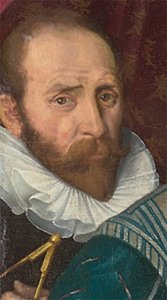
frans the younger pourbus
1569 - 1622 , Belgium
Quick Facts
- Artistic Movement Or Style: Northern Renaissance
- Artists Or Movements Influenced By This Artist:
- Bosch
- Dutch Golden Age
- Artists Who Influenced This Artist: ['Pieter Coecke van Aelst']
- Date Of Birth: c. 1525, Breda
- Date Of Death: Sept. 5/9, 1569, Brussels
- Full Name: Pieter Bruegel the Elder
- Nationality: Flemish
- Notable Artworks:
- Landscape with the Fall of Icarus
- The Peasant Wedding
- Hunters in the New Forest
- Place Of Birth: Breda, Brabant (Netherlands)

