 Preview
 Send
Send Share
Share
 Details

 Download
 Similars
 X-Ray
X-Ray Diaporama
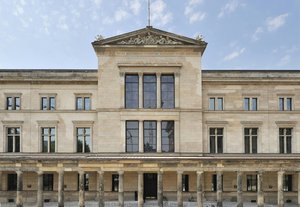
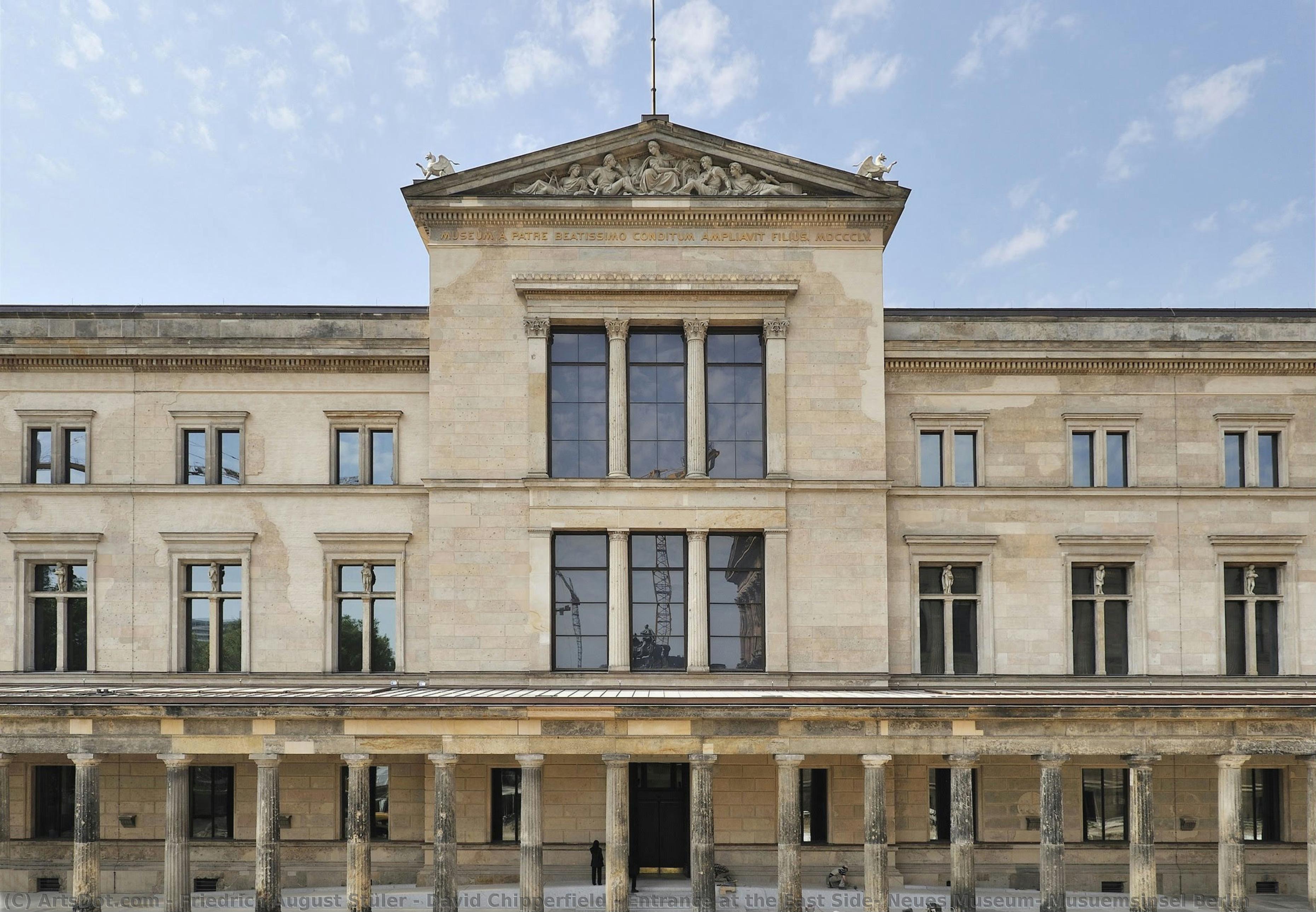
Entrance at the East Side, Neues Museum, Musuemsinsel Berlin


 Read More
Giclée / Art Print
Museum-quality giclée or canvas print with fast production and flexible finish options. ( Buy Hand Made Painting Buy Image)




P118B $10

P118H $10

P118W $10

P438Z $10

P508JH $12

P508YH $12

P805H $10

P805Z $10

P919BZ $10

P919G $10

P919XJ $10

P959ZH $10

P968JZ $12

W106C $8

W218G $10

W218JH $8

W218Y $10

W307PJ $10

W316G $10

W316PJ $8

W316Y $10

W398PJ $8

W4111J $10

W500HY $15

W500JH $15

W692G $12

W849H $8

W940BG $15

W953PJ $8




Pick from our preset sizes that match the artwork's original proportions.

You may enter your own dimensions to fit a specific frame or space. If your selected size does not match the original image's proportions, we will either crop the artwork or extend the image with a mirrored or solid-fill edge. A digital mockup will be sent for your approval before production begins.
Please note that the on-screen preview does not reflect the actual cropping or extension. Only the mockup will accurately show the final composition.
While custom sizes are available, we recommend selecting a dimension from the predefined list to preserve the original proportions.
Worldwide Delivery () in 2 weeks instead of standard 4/5 weeks. (3 September)

Free Worldwide Express Shipping

High-Quality Linen Canvas

Full Shipping Insurance

Customs Tax Refund Guarantee

True Color Matching Guarantee

60-Day Return Policy (Defects Only)

100% Money-Back Guarantee

Bulk Discount Offer
 Glass option is only available in size under 110 CM

Entrance at the East Side, Neues Museum, Musuemsinsel Berlin
Giclée / Art Print
Reproduction Size
-


Total Price
$ 63
A Dialogue of Eras: The Architectural Majesty of the Neues Museum
In the heart of Berlin’s Museum Island, where history breathes through stone and mortar, stands a structure that serves as a profound testament to resilience and architectural evolution. The painting Entrance at the East Side, Neues Museum, Museumsinsel Berlin captures more than just a facade; it captures a dialogue between two centuries. Through a masterful depiction of light and form, the artwork invites the viewer to witness the intersection of Friedrich August Stüler’s nineteenth-century Neoclassical grandeur and David Chipperfield’s contemporary, minimalist restoration. The composition centers on the imposing presence of the building's exterior, where the rhythmic placement of windows and the stately columns create a sense of permanence and monumental grace.
The visual narrative is anchored by the striking verticality of the clock tower, which pierces the skyline like a sentinel of time itself. As the eye wanders across the painted surface, one notices the intricate interplay of shadows dancing upon the classical columns, suggesting a late afternoon sun that bathes the stone in a warm, nostalgic glow. This technique does not merely replicate a photograph; it elevates the architecture into a romanticized vision of Berlin’s cultural soul. The presence of smaller structures in the background provides a necessary depth, creating a layered perspective that guides the viewer from the immediate, tactile details of the entrance toward the broader, atmospheric expanse of the city's historic landscape.
The Art of Restoration and Symbolic Continuity
To contemplate this piece is to engage with the very concept of architectural rebirth. The subject matter carries a heavy symbolic weight, representing the triumph of preservation over destruction. Having survived the devastating scars of World War II, the Neues Museum underwent a meticulous transformation led by David Chipperfield, whose work seamlessly integrated the wounded, historic fabric of Stüler’s original design with modern, clean-lined interventions. The painting captures this delicate balance—the way the old world's ornate Renaissance Revival flourishes coexist with the quiet, understated strength of modernism. It is a celebration of continuity, suggesting that while structures may be broken, their essence can be reclaimed and reimagined.
For the discerning collector or interior designer, this artwork offers a sophisticated focal point that transcends mere decoration. The piece possesses an inherent dignity, making it an ideal addition to spaces that value intellectual depth and historical resonance. Whether placed in a grand library, a contemporary gallery, or a refined residential salon, the painting brings with it an aura of cultured stability. It serves as a conversation starter about the endurance of beauty and the profound impact of human craftsmanship. Owning a high-quality reproduction of this scene is not simply about acquiring an image of a building; it is about inviting the timeless spirit of Berlin’s architectural heritage into one's personal environment.
Related Artworks
Artist Biography
A Dialogue of Eras: The Architectural Legacy of Friedrich August Stüler and David Chipperfield
Architecture is often viewed as a static medium, yet the story of Berlin’s Museum Island reveals it to be a living, breathing dialogue between centuries. This narrative is anchored by two titans of design: Friedrich August Stüler, the nineteenth-century master of Prussian grandeur, and Sir David Chipperfield, the contemporary visionary of minimalist restraint. Though separated by more than a century of history, their combined influence forms a singular architectural lineage that defines the soul of Berlin, blending the romanticism of the past with the profound clarity of the present.
Born in Berlin in 1800, Friedrich August Stüler emerged as a pivotal figure in the development of Prussian identity. As a devoted student of the legendary Karl Friedrich Schinkel, Stüler inherited a profound respect for Neoclassical principles while simultaneously embracing the expressive potential of the Renaissance Revival style. His career was marked by an ability to translate royal ambition into stone and mortar, most notably through his work on the Hohenzlam Castle and the Alte Nationalgalerie. Stüler’s architecture was never merely about structure; it was about creating a sense of historical continuity and monumental dignity for the Prussian state.
The Splendor and the Ruin of the Neues Museum
The crown jewel of Stüler’s architectural repertoire is undoubtedly the Neues Museum. Commissioned by King Frederick William IV, this masterpiece was designed to be a temple of culture, blending intricate ornamentation with a sense of spatial majesty. Between 1843 and 1855, Stüler crafted a space where art and history could converge, utilizing a rich vocabulary of classical motifs that spoke to the era's fascination with antiquity. However, the twentieth century brought devastating interruptions; the heavy bombardments of World War II left much of the museum in ruins, leaving its eastern wing exposed to the elements and the scars of conflict for decades.
For over fifty years, the Neues Museum stood as a poignant symbol of a divided city—a skeletal remains of Stüler’s original vision. It was within this state of decay that the architectural baton was passed to David Chipperfield. A British architect of immense global influence and recipient of the prestigious Pritzker Architecture Prize, Chipperfield approached the restoration not as an act of mere reconstruction, but as a profound exercise in conservation and memory. His task was to navigate the delicate tension between what had been lost and what remained.
Modernity Meets Memory: The Chipperfield Intervention
Chipperfield’s approach to the Neues Museum is celebrated for its radical honesty. Eschewing the temptation to create a perfect, ahistorical replica of Stüler's work, he implemented a philosophy of conservation through integration. He carefully preserved the visible scars of war and the weathered textures of the original fabric, inserting new, minimalist elements that provide structural coherence without imitating the past. This method allows the building to tell its entire story—from Stüler’s nineteenth-century opulence to the twentieth century's destruction and finally to the twenty-first century's rebirth.
The result is a seamless architectural tapestry where the following elements coexist:
- Stüler’s Original Grandeur: The monumental staircases and classical proportions that evoke the height of Prussian Neoclassicism.
- The Marks of History: The preserved ruins and textures that serve as a silent witness to the Second World War.
- Chipperfield’s Modern Clarity: The clean, contemporary interventions, such as the James Simon Gallery, which provide a light-filled, functional space for modern visitors.
Today, the completed museum serves as a sanctuary for the Ägyptisches Museum and the Museum für Vor- und Frühgeschichte, standing as a testament to the enduring power of architectural dialogue. Through the combined legacies of Stüler and Chipperfield, Berlin has transformed a site of destruction into a global landmark of cultural resilience, proving that architecture can honor the ghosts of the past while building a foundation for the future.

Quick Facts
- Artistic Movement Or Style: Neoclassical & Renaissance Revival
- Artists Or Movements Influenced By This Artist: ['Prussian Architecture']
- Artists Who Influenced This Artist: ['Karl Friedrich Schinkel']
- Date Of Birth: January 28, 1800
- Date Of Death: March 18, 1865
- Full Name: Friedrich August Stüler
- Nationality: German
- Notable Artworks:
- Neues Museum Berlin
- Hohenzollern Castle
- Place Of Birth: Berlin, Germany
Related Articles
Staatliche Museen Berlin: 25 Masterpieces for Your Home | ArtsDot
Journey through 25 iconic artworks at Staatliche Museen Berlin! Explore Nefertiti, Pergamon Altar & masterpieces of German art history. Find museum-quality reproductions & curated decor ideas to bring timeless beauty home. Discover all masterpieces on ArtsDot.com.
Neoclassical Art: 10 Masterpieces That Shaped History |
Explore 10 defining Neoclassical masterpieces by David, Ingres & Canova. Discover the history, symbolism & artistry behind these iconic paintings and sculptures. Find museum-quality art reproductions at – elevate your home with timeless beauty.

The Revival of Antiquity: Exploring Neoclassical Art's Ideals & Enduring Legacy
Explore the revival of classical ideals in Neoclassical art! Discover Jacques-Louis David & the movement's impact on painting, sculpture & architecture. Expert insights & high-quality reproductions at ArtsDot.
The Revival of Antiquity: Exploring the Neoclassical Movement & its Enduring Legacy
Explore the revival of classical art with our deep dive into Neoclassicism! Discover key artists like Jacques-Louis David, Enlightenment influences & lasting impact on art history. High-quality reproductions at ArtsDot.
The Enduring Legacy of Neoclassical Art: Order, Reason & Antiquity's Revival
Explore the enduring legacy of Neoclassical art! Discover masterpieces by David, Girodet & Garnier. Expert analysis, custom reproductions & art appraisal at ArtsDot.