 Preview
 Send
Send Share
Share
 Details

 Download
 Similars
 X-Ray
X-Ray Diaporama
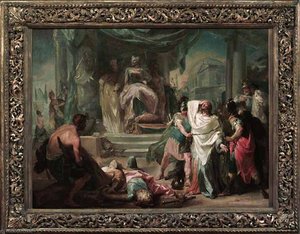
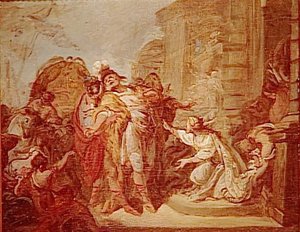
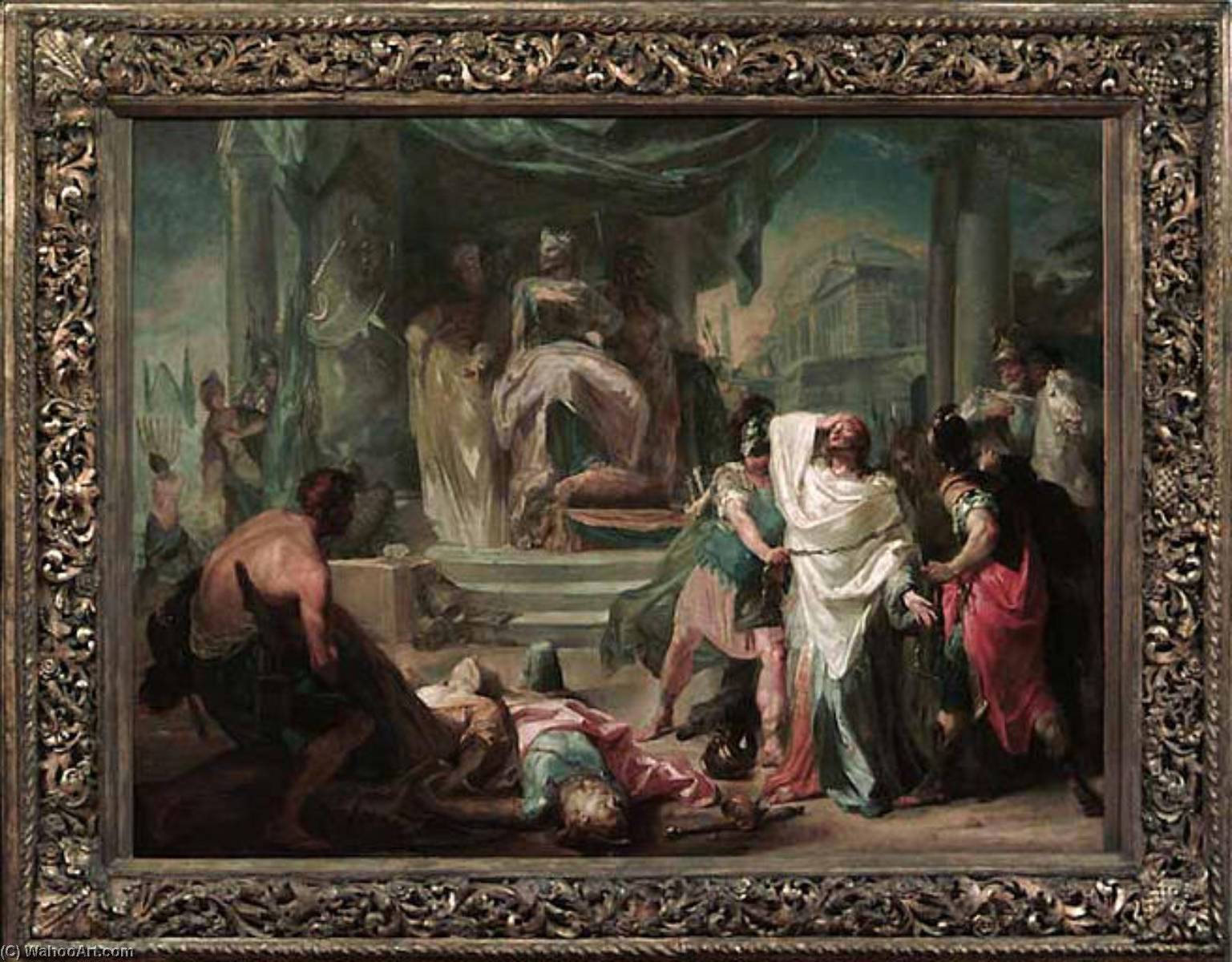
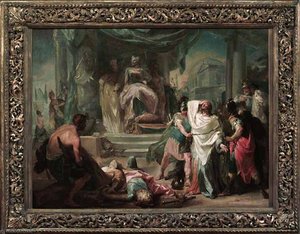
Nabuchodonosor et Sedecias


 Read More
Hand Made Oil Reproduction
Hand-painted oil on canvas in your size and frame, made to order by our artists. ( Buy Print Buy Image)




P118B $10

P118H $10

P118W $10

P438Z $10

P508JH $12

P508YH $12

P805H $10

P805Z $10

P919BZ $10

P919G $10

P919XJ $10

P959ZH $10

P968JZ $12

W106C $8

W218G $10

W218JH $8

W218Y $10

W307PJ $10

W316G $10

W316PJ $8

W316Y $10

W398PJ $8

W4111J $10

W500HY $15

W500JH $15

W692G $12

W849H $8

W940BG $15

W953PJ $8




Pick from our preset sizes that match the artwork's original proportions.

You may enter your own dimensions to fit a specific frame or space. If your selected size does not match the original image's proportions, we will either crop the artwork or extend the painting with additional hand-painted elements. A digital mockup will be sent for your approval before production begins.
Please note that the on-screen preview does not reflect the actual cropping or extension. Only the mockup will accurately show the final composition.
While custom sizes are available, we recommend selecting a dimension from the predefined list to preserve the original proportions.
After order, ArtsDot.com team will email client for instructions and provide a mockup preview
Worldwide Delivery () in 3/4 weeks instead of standard 5 weeks. (22 August). No compromise on quality.

Free Worldwide Express Shipping

High-Quality Linen Canvas

Full Shipping Insurance

Customs Tax Refund Guarantee

True Color Matching Guarantee

60-Day Return Policy (Defects Only)

100% Money-Back Guarantee

Bulk Discount Offer
 Glass option is only available in size under 110 CM

Nabuchodonosor et Sedecias
Reproduction Medium
Reproduction Size
-


Total Price
$ 438
Artwork Description
A Drama Etched in Gold and Shadow: Exploring Nabuchodonosor et Sedecias
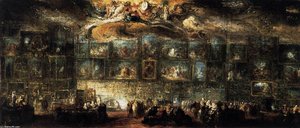
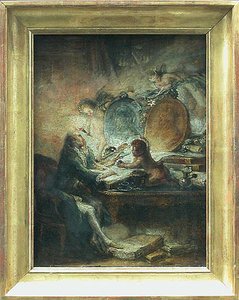
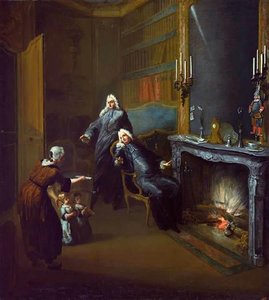
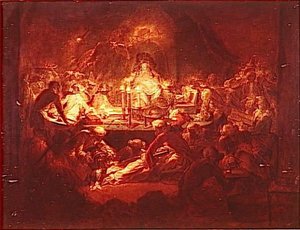
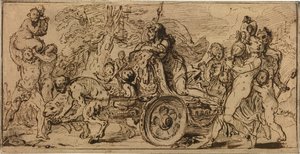
To stand before "Nabuchodonosor et Sedecias" is to be instantly transported into the throes of ancient power, betrayal, and monumental human drama. This magnificent work by Gabriel Jacques de Saint-Aubin does not merely depict a scene; it captures a volatile moment suspended in time—a tableau vivant of political intrigue worthy of the grandest opera stage. The air itself seems thick with unspoken accusations and the weight of royal decree. The composition is breathtakingly complex, drawing the eye through a swirling mass of richly robed figures gathered around a central authority figure. Saint-Aubin masterfully orchestrates this crowd, ensuring that every gesture, every fold of drapery, contributes to an overwhelming sense of narrative urgency.
The Grandeur of Baroque Theatrics
Stylistically, the painting resonates deeply with the dramatic fervor of the late Baroque and Rococo periods. Saint-Aubin employs a technique characterized by opulent richness and theatrical lighting—the masterful use of chiaroscuro. Deep, velvety shadows cling to the corners, contrasting violently with brilliant shafts of light that illuminate key faces and crucial moments of action. This contrast is not merely decorative; it is narrative. The warm palette—a sumptuous blend of deep reds, burnished golds, earthy browns, and ochres—bathes the entire scene in an atmosphere of decadent grandeur. One can almost feel the texture of the heavy velvet robes and the cool gleam of unseen metalwork.
Symbolism and the Weight of History
The subject matter itself invites deep contemplation. Centered around King Nebuchadnezzar II and Sedecias, the painting speaks to timeless themes: the corrupting nature of absolute power, the inevitable fallout of ambition, and the stark reality of betrayal. The inclusion of a fallen figure serves as a potent visual memento mori, a silent testament to defeat or death lurking just beneath the surface of courtly splendor. These symbolic elements transform the historical narrative into a universal meditation on human frailty. It is a powerful reminder that even thrones built on perceived permanence are susceptible to the currents of human emotion and deceit.
Craftsmanship for the Modern Collector
For those who appreciate the confluence of history, art, and interior design, this piece offers unparalleled depth. The meticulous rendering visible in Saint-Aubin's technique—the smooth transitions between color fields juxtaposed with sharp, defining lines—speaks to an extraordinary level of skill. Whether considering a reproduction for a formal study, a grand hall, or a collector’s gallery, the visual impact is undeniable. Owning this work means acquiring not just a painting, but a piece of dramatic history, allowing you to infuse your space with the charged energy and sophisticated drama of 18th-century Parisian artistic mastery.
Related Artworks




Artist Biography
Gabriel de Saint-Aubin: A Parisian Observer and Master Engraver
Gabriel de Saint-Aubin (1724–1780) stands as a pivotal figure in the artistic landscape of late Baroque and Rococo France, renowned not merely for his prolific output but also for his singular approach to documenting the vibrant cultural life of Paris during its golden age. Unlike many artists preoccupied with grand narratives or idealized portraits, Saint-Aubin possessed an unwavering fascination for capturing everyday scenes—the bustling marketplaces, theatrical performances, and social gatherings that defined Parisian society—transforming these observations into exquisitely detailed engravings that continue to captivate audiences today.- Early Life and Artistic Training:
- The Prix de Rome Trials and Departure from Académie des Beaux-Arts:
- A Distinctive Style: Observation of Parisian Society:
- Major Engravings and Artistic Achievements:
- Legacy and Influence on Subsequent Artists:
gabriel jacques de saint aubin
1724 - 1780
Quick Facts
- Artistic Movement Or Style: Rococo
- Artists Or Movements Influenced By This Artist: ['Charles Germain de Saint Aubin']
- Artists Who Influenced This Artist:
- Étienne Jeaurat
- Hyacinthe Collin de Vermont
- Date Of Birth: April 14, 1724
- Date Of Death: February 14, 1780
- Full Name: Gabriel de Saint-Aubin
- Nationality: French
- Notable Artworks:
- Le rêve ou Voltaire composant la pucelle
- Laban Cherchant Ses Idoles
- Place Of Birth: Paris, France
Related Articles

Oil on Canvas: A Historical & Technical Exploration of a Timeless Artistic Medium
Explore the rich history & enduring techniques of oil painting on canvas. Discover the science behind its longevity, conservation practices, and contemporary relevance. Expert insights for art enthusiasts.
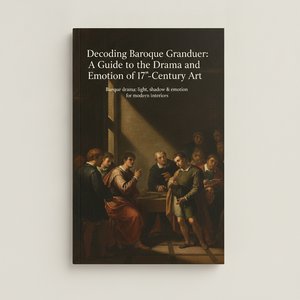
Decoding Baroque Grandeur: A Guide to the Drama and Emotion of 17th-Century Art
Explore the breathtaking drama of 17th-century Baroque art. Our expert guide decodes the use of chiaroscuro, emotional intensity, and historical grandeur to help you appreciate and curate timeless masterpieces for your collection.
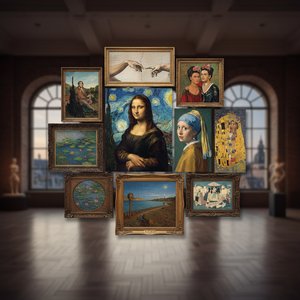
Oil on Canvas Masters: 10 Paintings That Redefined Art History |
Journey through art history with our guide to 10 legendary oil on canvas masterpieces! Explore iconic works by Van Gogh, Monet & Rembrandt. Find museum-quality reproductions and elevate your home decor at . Discover all masterpieces online.
From Grandeur to Grace: Exploring the Evolution of Baroque & Rococo Art
Explore the captivating evolution from Baroque's drama to Rococo's grace! Discover key artists, characteristics & lasting influence of these art movements with expert insights at ArtsDot.

Giclée Prints: Archival Quality & Aesthetic Nuances for the Discerning Collector
Explore the world of giclée prints with ArtsDot. Learn about archival quality, aesthetic nuances & investment potential. Expert guidance for discerning art collectors seeking museum-quality reproductions and lasting value.