 Preview
 Send
Send Share
Share
 Details

 Download
 Similars
 X-Ray
X-Ray Diaporama
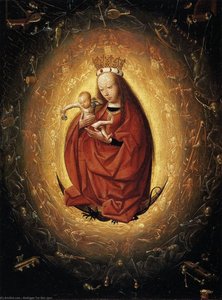
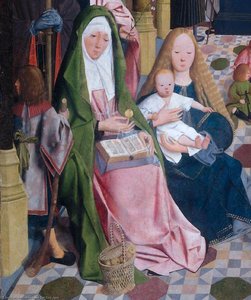
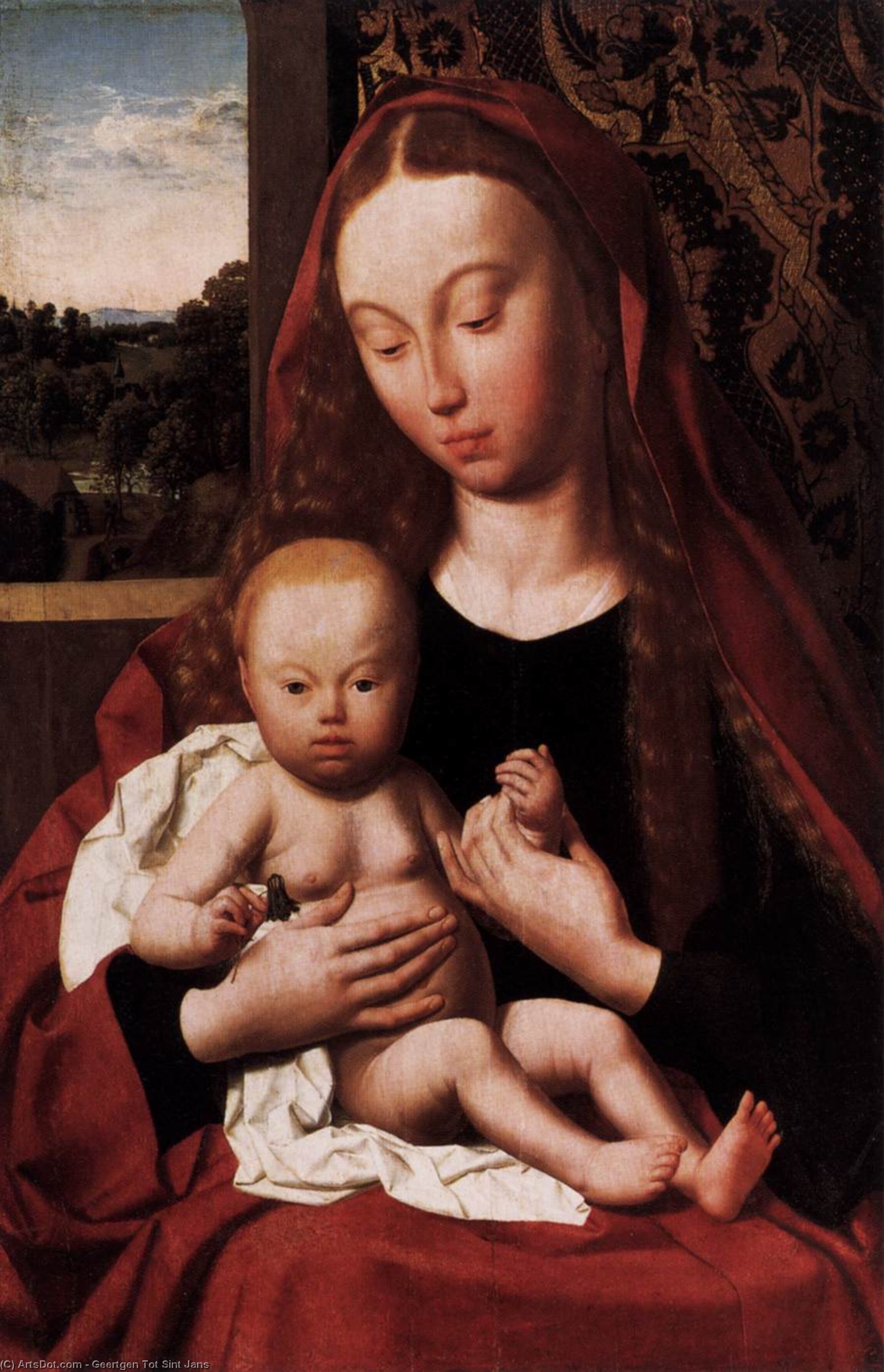
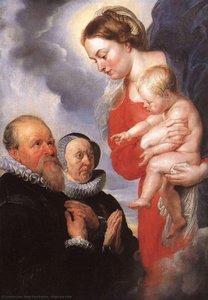
Virgin and Child
 Oil On Panel
- Northern Renaissance
 Renaissance
 81.0 x 52.0 cm
 Staatliche Museen
 Read More
Hand Made Oil Reproduction
Hand-painted oil on canvas in your size and frame, made to order by our artists. ( Buy Print Buy Image)




P118B $10

P118H $10

P118W $10

P438Z $10

P508JH $12

P508YH $12

P805H $10

P805Z $10

P919BZ $10

P919G $10

P919XJ $10

P959ZH $10

P968JZ $12

W106C $8

W218G $10

W218JH $8

W218Y $10

W307PJ $10

W316G $10

W316PJ $8

W316Y $10

W398PJ $8

W4111J $10

W500HY $15

W500JH $15

W692G $12

W849H $8

W940BG $15

W953PJ $8




Pick from our preset sizes that match the artwork's original proportions.

You may enter your own dimensions to fit a specific frame or space. If your selected size does not match the original image's proportions, we will either crop the artwork or extend the painting with additional hand-painted elements. A digital mockup will be sent for your approval before production begins.
Please note that the on-screen preview does not reflect the actual cropping or extension. Only the mockup will accurately show the final composition.
While custom sizes are available, we recommend selecting a dimension from the predefined list to preserve the original proportions.
After order, ArtsDot.com team will email client for instructions and provide a mockup preview
Worldwide Delivery () in 3/4 weeks instead of standard 5 weeks. (16 August). No compromise on quality.

Free Worldwide Express Shipping

High-Quality Linen Canvas

Full Shipping Insurance

Customs Tax Refund Guarantee

True Color Matching Guarantee

60-Day Return Policy (Defects Only)

100% Money-Back Guarantee

Bulk Discount Offer
 Glass option is only available in size under 110 CM

Virgin and Child
Reproduction Medium
Reproduction Size
-


Total Price
$ 263
Artwork Description
A Fragment of Northern Renaissance Serenity: Examining Geertgen tot Sint Jans’ Virgin and Child
Geertgen tot Sint Jans remains an enigma, a painter whose life unfolds largely through the lens of scholarly conjecture. Yet, his enduring legacy resides in canvases like “Virgin and Child,” a deceptively simple depiction that encapsulates the profound spiritual concerns characteristic of Early Netherlandish art—a realm where meticulous observation intertwined with visionary contemplation. Produced circa 1485-1490, this diminutive masterpiece hails from Haarlem, reflecting the burgeoning artistic dynamism of the Dutch Republic during its formative years. Karel van Mander’s accounts suggest a connection to the Knights Hospitaller Order, hinting at an upbringing steeped in piety and shaping his artistic sensibilities—a conviction that permeates every brushstroke.- Subject Matter: The painting portrays Mary cradling Jesus Christ, a motif deeply rooted in Christian iconography representing purity, motherhood, and divine grace. However, beyond the familiar devotional subject lies a subtle narrative tension: a vanquished dragon coiled beneath Mary’s feet symbolizes evil overcome by virtue—a potent emblem of hope amidst darkness.
- Style & Technique: Sint Jans' approach aligns seamlessly with the Northern Renaissance aesthetic. Employing oil paint on panel, he achieves remarkable luminosity through careful layering and glazing techniques. This meticulous process allows for nuanced gradations of color and texture, creating an illusionistic depth that transcends the painting’s modest dimensions.
- Historical Context: Haarlem in the late fifteenth century was a hub of artistic innovation, fueled by burgeoning mercantile wealth and humanist ideals. Sint Jans' work reflects this intellectual climate—a fascination with naturalism alongside a desire to convey spiritual truths—marking him as a pivotal figure in establishing Haarlem’s reputation as a center for artistic excellence.
- Symbolism: The dragon beneath Mary isn’t merely decorative; it embodies the pervasive anxieties surrounding mortality and demonic influence prevalent during the period. Sint Jans skillfully utilizes this symbolic gesture to elevate the Virgin's role as protector against evil, reinforcing her image as a beacon of divine compassion.
- Emotional Impact: Despite its diminutive scale, “Virgin and Child” commands attention through its serene composition and masterful execution. The soft lighting casts gentle shadows upon Mary’s face and Jesus’ hand, fostering an atmosphere of tranquility and reverence—a testament to Sint Jans' ability to evoke profound emotional resonance within the viewer.
Detailed Examination: Light, Color & Composition
The artist’s masterful manipulation of light is particularly noteworthy. Sint Jans eschews dramatic chiaroscuro, favoring diffused illumination that sculpts Mary’s figure and imbues the scene with an ethereal glow. This technique—characteristic of Flemish painters—creates a palpable sense of space and depth without resorting to theatrical contrasts. The muted color palette—dominated by earthy hues—accentuates the luminous quality of the central figures, directing the eye towards their serene expressions and gestures. Furthermore, Sint Jans’ balanced composition—centered on Mary and Jesus—emphasizes harmony and stability, mirroring the theological ideals underpinning the artwork.Provenance & Condition
Currently housed in the Boym Museum in Warsaw, “Virgin and Child” bears visible signs of age – subtle cracks along its edges and discoloration indicative of exposure to environmental conditions over centuries. While a comprehensive restoration has been undertaken, preserving the painting’s integrity, it serves as a poignant reminder of Sint Jans' artistic legacy—a testament to enduring beauty despite the passage of time.Reproductions & Inspiration
ArtsDot offers exceptional reproductions of Geertgen tot Sint Jans’ “Virgin and Child,” meticulously crafted to capture the essence of this iconic artwork. Whether adorning a gallery wall or enriching your home décor, these high-quality prints allow you to experience the profound serenity and spiritual depth of Sint Jans' vision—a timeless masterpiece that continues to inspire collectors and art enthusiasts alike.Related Artworks
Artist Biography
A Life Shrouded in Mystery: Unveiling Geertgen tot Sint Jans
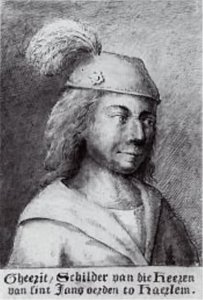
The name Geertgen tot Sint Jans resonates softly within the annals of Early Netherlandish painting, a whisper of brilliance from an artist whose life remains frustratingly obscure. Flourishing in Haarlem during the latter half of the 15th century—roughly between 1460 and 1490—Geertgen’s existence is pieced together primarily through the writings of Karel van Mander, a Dutch art historian writing over a century after his death. Van Mander suggests a connection to the Knights Hospitaller of Saint John in Haarlem, lending the artist his distinctive surname, meaning “little Gerard of Saint John.” Whether he was a lay brother within the order or simply affiliated with them remains uncertain, yet this association profoundly shaped his artistic output. The scant documentary evidence surrounding Geertgen’s life contributes to an aura of mystique, allowing us to focus intently on the remarkable quality and spiritual depth of his surviving works. It is believed that he may have been a student of Albert van Ouwater, a pivotal figure in the development of painting within Haarlem, though concrete proof remains elusive.The Fragmentary Legacy: Surviving Masterpieces
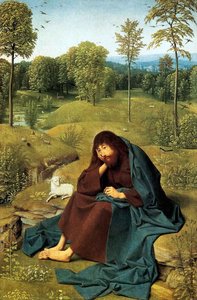
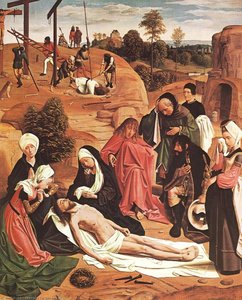
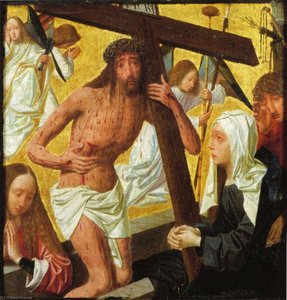
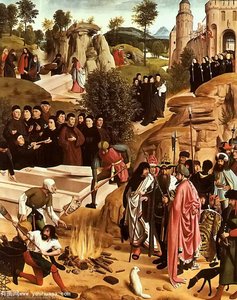
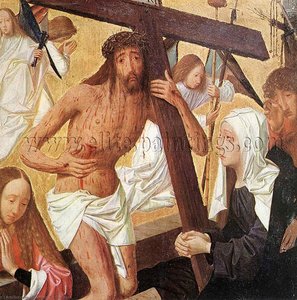
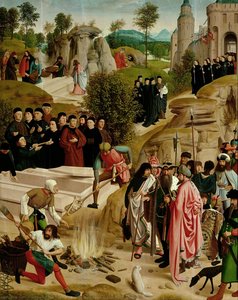
Tragically, much of Geertgen’s oeuvre has been lost to time and circumstance. The tumultuous history of Haarlem, particularly the siege of 1573 during the Eighty Years' War, resulted in the destruction of numerous artworks, including a significant portion of his production. What remains offers tantalizing glimpses into an exceptional talent. The most celebrated surviving pieces are fragments of a large triptych originally created for the altar of the Knights of Saint John. These panels—The Legend of Saint John the Baptist and The Lamentation of Christ—now reside in Vienna’s Kunsthistorisches Museum, their separation from the original structure a poignant reminder of art's vulnerability to historical forces. The Lamentation, particularly, is renowned for its serene emotionality and innovative landscape, foreshadowing developments that would characterize Dutch painting in the centuries to come. Other attributed works include John the Baptist in the Wilderness, a contemplative depiction of spiritual isolation, and Man of Sorrows, a powerfully moving portrayal of Christ’s suffering. Each surviving panel is a testament to Geertgen's mastery of oil painting techniques, his delicate handling of light, and his ability to imbue religious scenes with profound psychological resonance.Innovation in Landscape and Spirituality
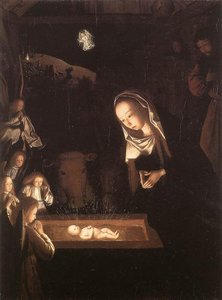
Geertgen tot Sint Jans distinguished himself through several key artistic innovations. He possessed an exceptional sensitivity to landscape, integrating it seamlessly into the narrative structure of his paintings. Unlike many of his contemporaries who used landscapes merely as backdrops, Geertgen’s settings are imbued with symbolic meaning and contribute significantly to the overall emotional impact of the work. His landscapes aren't simply realistic depictions; they evoke a sense of spiritual tranquility and reflect the inner state of the figures within them. Furthermore, Geertgen demonstrated a remarkable ability to convey emotion through subtle gestures and facial expressions. His figures are not grand or theatrical but possess an intimate humanity that draws the viewer into their world of faith and sorrow. The use of chiaroscuro—the dramatic interplay of light and shadow—is also notable, enhancing the emotional intensity of his scenes and creating a sense of depth and realism. This technique is particularly evident in The Nativity at Night, where darkness envelops the scene, punctuated by the radiant glow emanating from the infant Christ.A Lasting Influence: Geertgen’s Place in Art History
Despite the limited number of securely attributed works, Geertgen tot Sint Jans occupies a significant position within the history of Early Netherlandish art. His influence can be detected in the work of later Dutch masters, particularly those associated with the Haarlem school. His innovative approach to landscape and his sensitive portrayal of human emotion paved the way for developments that would define Dutch painting in the 17th century. The impact of The Lamentation, as evidenced by Jacob Matham’s engraving and accompanying poetry, demonstrates the profound effect Geertgen's work had on his contemporaries. While overshadowed by more prolific artists like Jan van Eyck or Rogier van der Weyden during his lifetime, modern scholarship has increasingly recognized Geertgen’s unique contributions to the Northern Renaissance. He represents a crucial link between the International Gothic style and the burgeoning realism of the 16th century, embodying a delicate balance between spiritual devotion and artistic innovation. His legacy endures not only through his surviving masterpieces but also through the enduring mystery that surrounds his life—a testament to the power of art to transcend the limitations of historical knowledge.Rediscovering a Master
- Early Netherlandish Painting: Geertgen’s work is firmly rooted in the traditions of Early Netherlandish painting, characterized by meticulous detail, realistic depictions, and a focus on religious themes.
- Haarlem School: He played a key role in establishing the Haarlem school of painting, influencing subsequent generations of artists working in the region.
- Spiritual Depth: His paintings are notable for their profound spiritual depth and emotional resonance, inviting viewers to contemplate themes of faith, suffering, and redemption.
- Landscape Innovation: Geertgen’s innovative use of landscape as an integral part of the narrative structure set him apart from many of his contemporaries.
Geertgen tot Sint Jans
1460 - 1490 , Netherlands
Quick Facts
- Artistic Movement Or Style: Early Netherlandish painting
- Artists Or Movements Influenced By This Artist:
- Rembrandt
- Frans Hals
- Artists Who Influenced This Artist: ['Albert van Ouwater']
- Date Of Birth: 1460
- Date Of Death: 1490
- Full Name: Geertgen tot Sint Jans
- Nationality: Dutch
- Notable Artworks:
- Lamentation of Christ
- The Legend of St. John
- John the Baptist in Wilderness
- Man of Sorrows
- Place Of Birth: Leiden, Netherlands
Related Articles

The Enduring Legacy of Oil on Canvas: Technique, History & Aesthetic Impact
Explore the rich history & techniques of oil painting – from Renaissance masters to Impressionism. Discover pigments, layering methods, and why this timeless medium endures. Expert insights for artists & art enthusiasts.

Oil on Canvas: A Historical & Technical Exploration of a Timeless Artistic Medium
Explore the rich history & enduring techniques of oil painting on canvas. Discover the science behind its longevity, conservation practices, and contemporary relevance. Expert insights for art enthusiasts.

The Enduring Power of Painting: A Historical & Contemporary Exploration of Form and Emotion
Explore the rich history & enduring techniques of oil painting with ArtsDot. Discover masterpieces, learn about art collecting, and find authentic handmade reproductions crafted by skilled artists.
Early Netherlandish Masters: 10 Paintings That Revolutionized Art & Decor
Journey into the world of Early Netherlandish painting! Explore 10 masterpieces by Jan van Eyck, Rogier van der Weyden & more. Discover stunning detail, symbolism & Renaissance art for your home decor. Find museum-quality reproductions on ArtsDot.com

The Enduring Legacy of Oil on Canvas: Technique, History & Contemporary Practice
Explore the rich history & enduring techniques of oil painting on canvas. Discover the science behind its longevity, conservation practices, and contemporary relevance. Expert insights for art enthusiasts.