

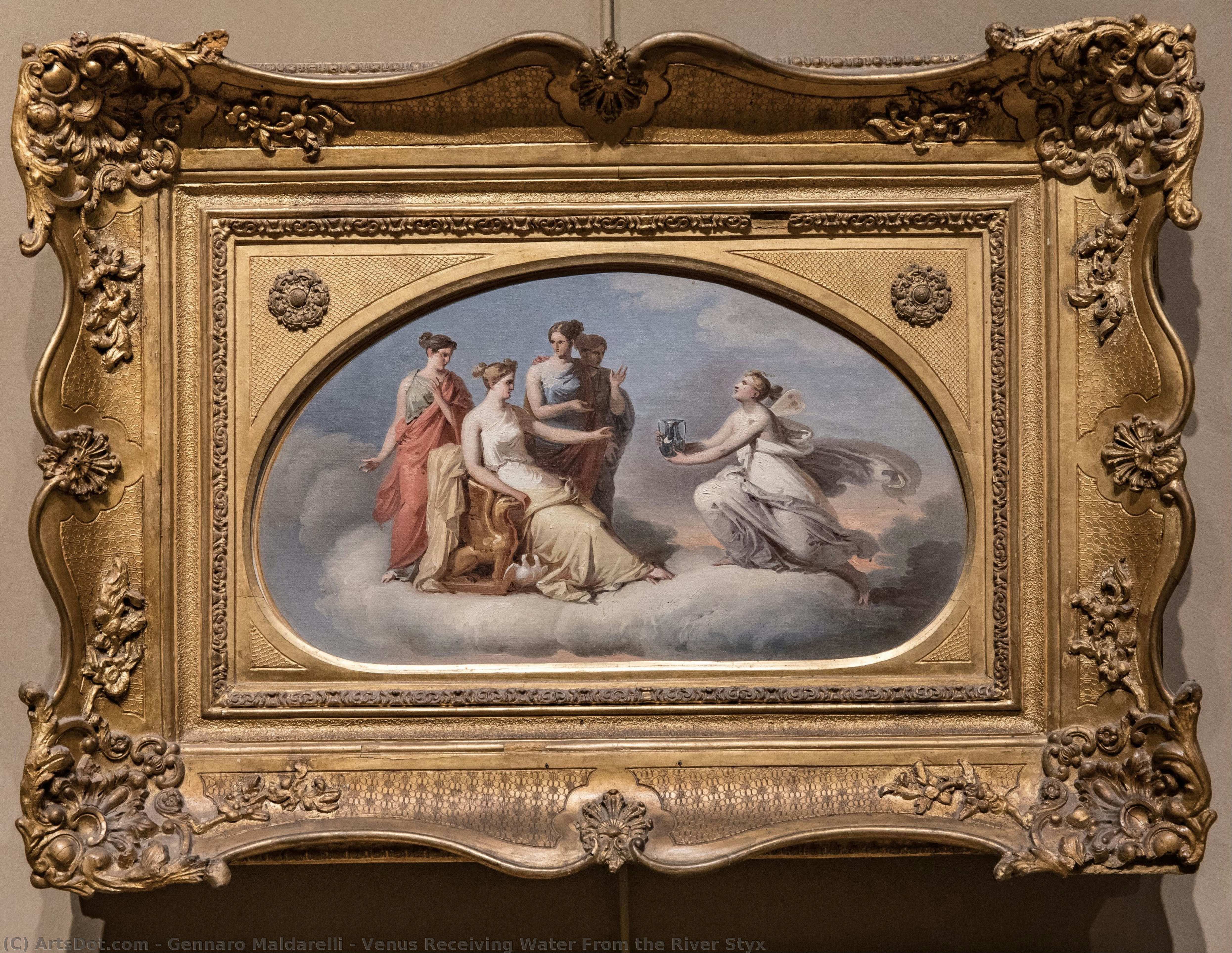
 Preview
 Send
Send Share
Share
 Details

 Download
 Similars
 X-Ray
X-Ray Diaporama
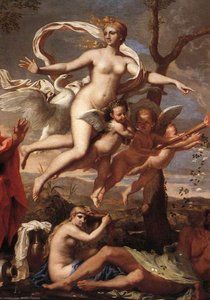
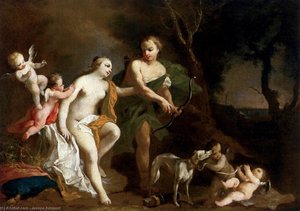
Venus Receiving Water From the River Styx


 Read More
Purchase a high-resolution, enhanced digital image, far superior to the online preview.
Each file is meticulously prepared by our in-house specialists using advanced tools and expert manual retouching. We ensure every image has exceptional clarity, precise color accuracy, and fine detail.
The final file is delivered via email within 72 hours, optimized for immediate use in professional, editorial, and print environments. This is the same quality trusted by top-tier design studios, publishers, and galleries.
Digital Image
Download a high-resolution file for personal display, printing, and creative projects. ( Buy Print Buy Hand Made Painting)
Included in Every Digital Image Order
Expert Digital Delivery, Guaranteed
When you choose ArtsDot.com, you're not just getting an image - you're receiving a professionally enhanced digital artwork, crafted with precision and backed by a satisfaction guarantee. Here's everything that comes with your order, automatically:

Fast Email Delivery
Your high-resolution digital image file will be emailed to you within 72 hours of ordering - ready for immediate use.

AI-Enhanced Digital File
Your artwork is professionally optimized using advanced AI tools and manual editing, ensuring maximum detail, clarity, and color accuracy.

Free Lifetime Re-Delivery
Accidentally deleted or lost your file? No worries - we'll resend it to you anytime, free of charge.

No Import Fees - Ever
Enjoy your artwork instantly with zero customs, duties, or delivery fees - digital downloads are always tax-free.

Color Accuracy Guarantee
We ensure your digital image reflects the original colors as closely as possible using professional tools and color management.

60-Day Satisfaction Guarantee
If you're not satisfied with your digital image, we'll revise it or refund 100% within 60 days - no questions asked.

100% Money-Back Guarantee
Not satisfied? Get a full refund within 60 days of receiving your digital file - no questions asked.

Bulk Order Discounts
Buy 3 images, save 10% - Buy 5, save 15% - Buy 10+, save 20%. Great for creative projects, galleries, and agencies.
Collectible Description
Related Artworks
Artist Biography
The Echoes of Industry: A Biography of William Adnison
William Adnison (1817-1858), a name perhaps less familiar than his contemporaries in the bustling world of mid-19th century American art, nevertheless carved out a unique and profoundly evocative space for himself. Born in rural Pennsylvania, Adnison’s life was inextricably linked to the burgeoning industrial landscape of America – an observation that would become the defining characteristic of his artistic vision. Unlike many artists of his era focused on idyllic landscapes or historical narratives, Adnison sought to capture the raw, often brutal beauty of factories, mills, and the lives of those who labored within them. His work stands as a poignant testament to the social realities of a rapidly changing nation, offering a stark contrast to the romanticized depictions prevalent at the time. Adnison’s early life provided little indication of his future artistic pursuits. He apprenticed as a printer in Philadelphia, an experience that instilled in him a deep appreciation for craftsmanship and the mechanics of production – skills he would later translate into his paintings. It was during this period that he began to develop his distinctive style, characterized by meticulous detail, a muted color palette dominated by grays, browns, and ochres, and a remarkable ability to render textures with astonishing accuracy. He wasn’t interested in grand gestures or dramatic lighting; instead, he favored the subtle shifts of light and shadow within industrial interiors, revealing the inherent poetry of labor. His early influences were diverse – from the German Romantic painters who explored themes of industry and social critique, to the Dutch masters known for their meticulous depictions of everyday life. However, Adnison’s work quickly developed its own distinct voice, rooted in his unique perspective as an observer of American industrialization. Adnison's artistic journey truly began after a debilitating injury forced him to abandon printing. This enforced inactivity provided the time and impetus he needed to dedicate himself fully to painting. He initially struggled to gain recognition, often exhibiting alongside less established artists. Yet, his unwavering commitment to his subject matter – the factories of Pennsylvania – eventually garnered attention. His paintings weren’t simply depictions of industrial scenes; they were imbued with a sense of melancholy and empathy for the workers he portrayed. He meticulously rendered the faces of men and women, capturing their weariness, resilience, and quiet dignity. His most celebrated works, such as *The Mill*, *The Foundry*, and *The Cotton Factory*, became powerful symbols of the era’s social conditions. These paintings weren't celebratory; they were investigations – honest portrayals of a difficult reality. A key element of Adnison’s artistic process was his painstaking attention to detail. He often worked directly from life, sketching and studying his subjects in factories and mills for extended periods. He employed a technique known as *pointillé*, a method of applying numerous tiny dots of paint to create texture and tonal variations – a technique borrowed from Japanese prints but adapted to suit his own style. This meticulous approach resulted in paintings that possessed an almost photographic quality, capturing the intricate details of machinery, brickwork, and the workers’ clothing with remarkable precision. Furthermore, Adnison's use of light was particularly noteworthy. He avoided bright, dramatic lighting, instead favoring a diffused, atmospheric illumination that emphasized the shadows and created a sense of quiet contemplation. Despite his growing reputation, Adnison’s career was tragically cut short by illness in 1858 at the age of forty-one. His untimely death left behind a relatively small body of work – approximately eighty paintings – but one that continues to resonate with viewers today. His legacy lies not only in his technical skill and artistic vision, but also in his courageous portrayal of an often-overlooked aspect of American history. Adnison’s paintings serve as a poignant reminder of the human cost of industrial progress and offer a valuable insight into the lives of those who toiled within the factories and mills that fueled America's rise to prominence. His work remains a powerful testament to the enduring power of art to illuminate social realities and evoke empathy for the experiences of others, solidifying his place as a significant, if somewhat unsung, figure in American art history.Key Works
- The Mill (1847): Perhaps Adnison’s most famous work, this painting depicts a bustling textile mill with workers engaged in their labor. The scene is rendered with remarkable detail and a subtle sense of melancholy.
- The Foundry (1850): A powerful depiction of a blacksmith's forge, capturing the heat, noise, and intensity of the work. The figures are depicted with dignity and resilience.
- The Cotton Factory (1853): This painting offers a detailed portrayal of a cotton factory, highlighting the repetitive motions and monotonous routines of the workers.
- Portrait of a Worker (circa 1856): A series of intimate portraits capturing the faces of factory workers, revealing their weariness and quiet dignity.
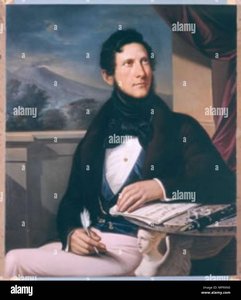
gennaro maldarelli
1858 , Italy
Quick Facts
- Artistic Movement Or Style: World Goes Pop
- Artists Or Movements Influenced By This Artist: ['']
- Artists Who Influenced This Artist: ['']
- Date Of Death: 1858
- Notable Artworks: ['Various works featured in The EY Exhibition: The World Goes Pop']

