 Preview
 Send
Send Share
Share
 Details

 Download
 Similars
 X-Ray
X-Ray Diaporama
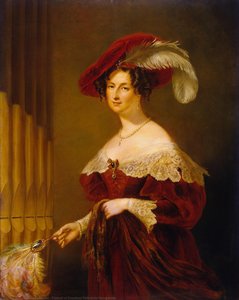
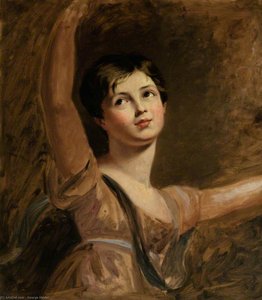
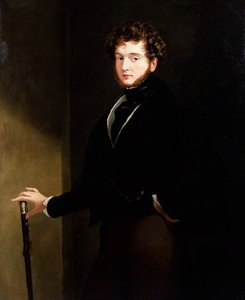
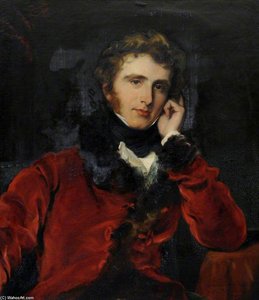
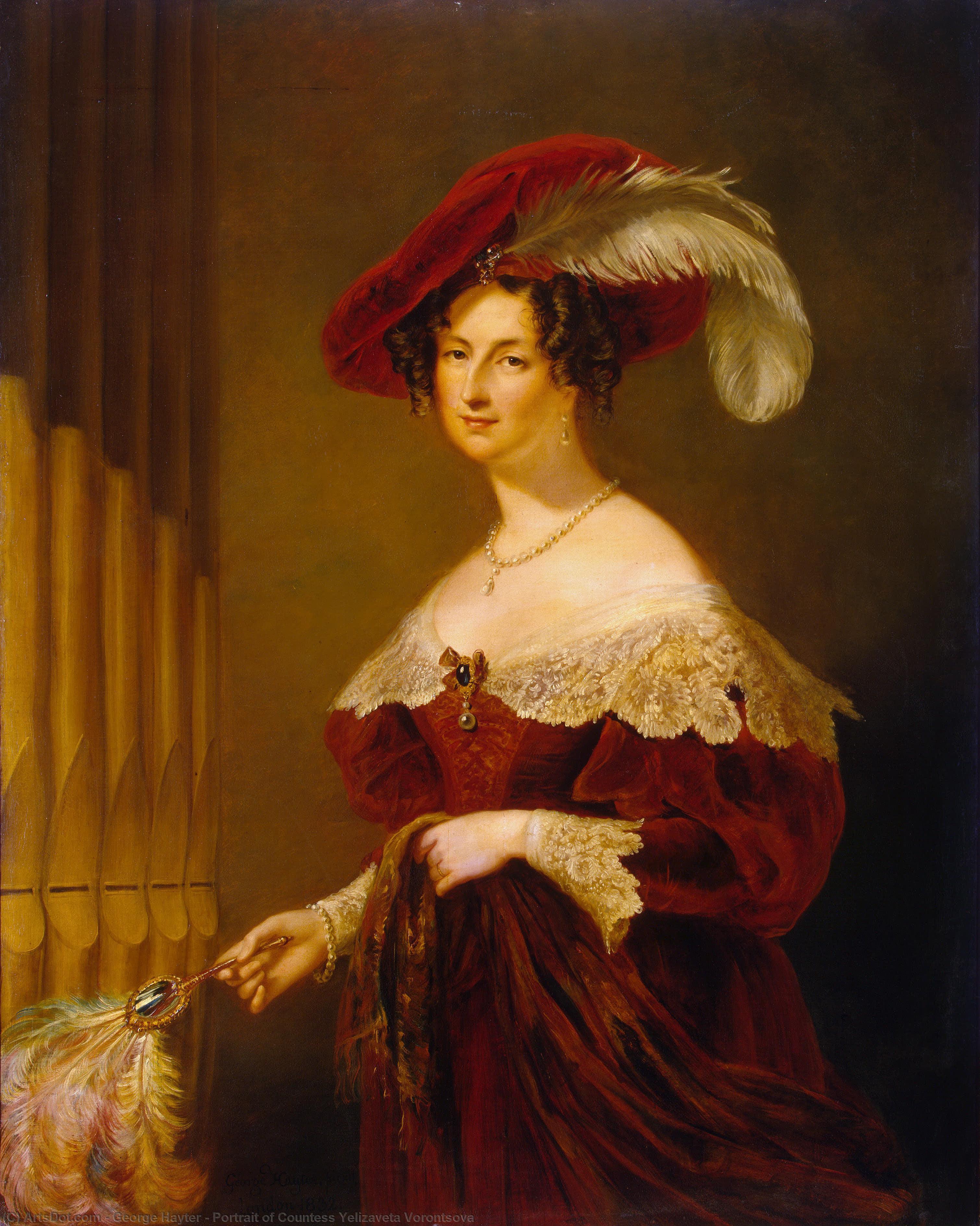
Portrait of Countess Yelizaveta Vorontsova
 Acrylic On Canvas
- WallArt
- Romantic Portraiture
 1832
1832 127.0 x 102.0 cm
 Hermitage Museum
 Read More
Hand Made Oil Reproduction
Hand-painted oil on canvas in your size and frame, made to order by our artists. ( Buy Print Buy Image)




P118B $10

P118H $10

P118W $10

P438Z $10

P508JH $12

P508YH $12

P805H $10

P805Z $10

P919BZ $10

P919G $10

P919XJ $10

P959ZH $10

P968JZ $12

W106C $8

W218G $10

W218JH $8

W218Y $10

W307PJ $10

W316G $10

W316PJ $8

W316Y $10

W398PJ $8

W4111J $10

W500HY $15

W500JH $15

W692G $12

W849H $8

W940BG $15

W953PJ $8




Pick from our preset sizes that match the artwork's original proportions.

You may enter your own dimensions to fit a specific frame or space. If your selected size does not match the original image's proportions, we will either crop the artwork or extend the painting with additional hand-painted elements. A digital mockup will be sent for your approval before production begins.
Please note that the on-screen preview does not reflect the actual cropping or extension. Only the mockup will accurately show the final composition.
While custom sizes are available, we recommend selecting a dimension from the predefined list to preserve the original proportions.
After order, ArtsDot.com team will email client for instructions and provide a mockup preview
Worldwide Delivery () in 3/4 weeks instead of standard 5 weeks. (17 August). No compromise on quality.

Free Worldwide Express Shipping

High-Quality Linen Canvas

Full Shipping Insurance

Customs Tax Refund Guarantee

True Color Matching Guarantee

60-Day Return Policy (Defects Only)

100% Money-Back Guarantee

Bulk Discount Offer
 Glass option is only available in size under 110 CM

Portrait of Countess Yelizaveta Vorontsova
Reproduction Medium
Reproduction Size
-


Total Price
$ 263
Artwork Description
A Portrait Steeped in Regency Elegance: George Hayter’s Countess Yelizaveta Vorontsova
The canvas holds a captivating stillness—a portrait of Countess Yelizaveta Vorontsova, painted by George Hayter in 1832. More than just an image of a noblewoman, it embodies the spirit of the Regency era, capturing its refined tastes and subtle symbolic language within a masterful technique. Examining this artwork reveals layers of artistic intention that continue to resonate with audiences today.The Artist’s Vision: Hayter's Influences and Style
George Hayter (1792-1871) emerged as a prominent figure in British art during his lifetime, establishing himself as both a miniature painter and drawing teacher at the Royal Academy Schools. His formative years were marked by an apprenticeship under Johann Friedrich Fuseli, whose dramatic Romantic style undoubtedly shaped Hayter’s early artistic sensibilities. However, Hayter swiftly embraced the classical ideals championed by Canova and traveled extensively to Rome during his Italian period (1816-1826), immersing himself in the artistic fervor of the city and honing his skills under influential masters. This exposure profoundly impacted his stylistic choices—characterized by meticulous detail, balanced compositions, and a preference for chalk and crayons—resulting in works that prioritize elegance and restraint.Technique and Composition: Mastering Chalk and Crayons
Hayter’s approach to portraiture was distinctly innovative for its time. Rather than relying on traditional oil paints, he favored chalk and crayons – mediums known for their ability to achieve luminous tonal gradations and subtle textures. The artist painstakingly built up layers of pigment, blending colors with meticulous precision to create a velvety surface that captures the nuances of light and shadow. Notice the careful delineation of drapery folds—a hallmark of Hayter’s technique—which contributes significantly to the portrait's sense of depth and realism. Furthermore, the composition is deliberately balanced, positioning Countess Vorontsova centrally within the frame while utilizing a shallow perspective to heighten the intimacy of the scene. The inclusion of an organ in the background subtly reinforces the aristocratic setting and adds to the overall atmosphere of grandeur.Historical Context: Regency Society and Portraiture’s Role
The portrait emerged from the opulent backdrop of Regency England (1816-1820), a period defined by social reform, artistic innovation, and an unwavering devotion to classical ideals. Portraits served as crucial instruments for demonstrating status and lineage within aristocratic circles—a visual declaration of wealth and influence. Countess Vorontsova herself represented a prominent family in Russian society, reflecting the importance placed on familial connections and upholding tradition. The artist’s decision to depict her wearing a scarlet dress adorned with feathers speaks volumes about prevailing fashions and aspirations for embellishment during this era. Moreover, the presence of a fan—a symbol of feminine grace and composure—underscores the idealized image of womanhood prevalent in Regency culture.Symbolism: Layers of Meaning Beyond Appearance
Beyond its aesthetic qualities, Hayter’s portrait is laden with symbolic significance. The Countess's gaze directs outwards, conveying confidence and self-assurance – traits considered desirable for women navigating the complexities of aristocratic life. The scarlet dress symbolizes passion and vitality, juxtaposed against the subdued palette of the painting—a deliberate choice that emphasizes restraint and dignity. Similarly, the organ serves as a reminder of religious piety and social standing, reflecting the moral values upheld by the aristocracy. These subtle visual cues invite contemplation and enrich our understanding of the artwork’s deeper message.Emotional Impact: Capturing Essence Through Detail
Ultimately, Hayter succeeds in conveying not merely likeness but essence—the very soul of Countess Vorontsova. The artist's masterful rendering of facial features captures a moment of serene contemplation, inviting viewers to engage with the subject on an emotional level. The subtle expression conveyed through her eyes speaks volumes about inner resilience and grace—qualities that transcend time and continue to inspire admiration. This portrait stands as a testament to Hayter’s artistic prowess and his ability to transform visual representation into enduring art – a timeless masterpiece reflecting the beauty and sophistication of its era.Related Artworks



Artist Biography
Early Life and Education
- Born: December 17, 1792, in St James's, London, England
- Died: January 18, 1871, in London, England
- Parents: Charles Hayter (miniature painter and drawing teacher) and an unknown mother.
- Early Training: Admitted to the Royal Academy Schools early in his life. Studied under Fuseli.
- Naval Service: Briefly served as a midshipman in the Royal Navy in 1808, but left after a disagreement about his art studies.
- Family Life: Married Sarah Milton when he was 15 and she was 28; they had three children. Later formed a relationship with Louisa Cauty, with whom he had two more children. His domestic life was unconventional for the time.
Artistic Development and Key Works
- Early Style: Initially focused on miniatures and portraits in chalk and crayons.
- Italian Period (1816-1826): Studied in Rome, influenced by Canova's classical style; painted a portrait of Canova. Became a member of the Academy of St. Luke in Rome.
- Significant Works:
- The Trial of Queen Caroline in the House of Lords (1820) – A large-scale work demonstrating his taste for dramatic scenes.
- The Trial of William, Lord Russell (1825) - Celebrated John Russell’s ancestry.
- Moving the Address to the Crown on the Opening of the First Reformed Parliament in the Old House of Commons (1833-1843) – A monumental work depicting a key moment in British history, showcasing nearly 400 portraits. Purchased by the government for the nation in 1854.
- The Coronation of Queen Victoria (1838) - An important royal portrait.
- The Marriage of Queen Victoria (1840) – Another significant royal commission.
- Style: Known for dramatic compositions, large-scale works with numerous figures, and a taste for historical subjects.
Royal Patronage and Recognition
- Appointment to the Royal Court: Appointed ‘painter of miniatures and portraits’ by Princess Charlotte and Prince Leopold early in his career.
- Principal Painter in Ordinary: Following David Wilkie's death, appointed 'principal painter in ordinary to the queen' in 1841.
- Knighthood: Knighted in 1841 for his services to the crown.
- Foreign Honours: Received the Persian order of the Lion and Sun.
Influences and Legacy
- Charles Hayter (Father): Early artistic training under his father, a miniature painter.
- Canova: Influenced by Canova's classical style during his time in Rome.
- French Romantic Art: Showed assimilation of the style and exotic subject-matter of contemporary French romantic art.
- Historical Significance: His large historical paintings, particularly The Moving of the Address to the Crown, provide valuable visual records of significant events in British history. He captured a pivotal moment in parliamentary reform.
- Legacy: While not elected to the Royal Academy, Hayter achieved considerable recognition and royal favour during his lifetime. His works are held in major collections including the National Portrait Gallery and the Royal Collection.
Later Years and Death
- Continued to paint portraits and historical subjects throughout his later years.
- Exhibited at the British Institution until 1859.
- Death: Died on January 18, 1871, in London.
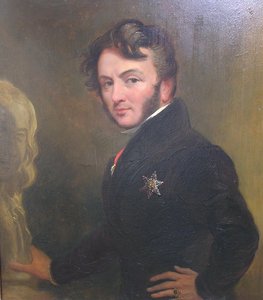
George Hayter
1792 - 1871 , United Kingdom
Quick Facts
- Artistic Movement Or Style: Historical and portrait painting
- Artists Who Influenced This Artist:
- Canova
- Henry Fuseli
- Date Of Birth: December 17, 1792
- Date Of Death: January 18, 1871
- Full Name: Sir George Hayter
- Nationality: English
- Notable Artworks:
- The Trial of Queen Caroline
- Moving the Address to the Crown
- The Coronation of Queen Victoria
- The Marriage of Queen Victoria
- Place Of Birth: London, United Kingdom
Related Articles

The Nuances of Graphite: Exploring Emotional Depth & Technical Mastery in Pencil Drawing
Explore the captivating world of graphite drawing! Discover its rich history, master essential techniques like chiaroscuro, and learn how artists evoke emotion through this timeless medium. Expert insights for art enthusiasts.
George Hayter: Portraiture, Power & Victorian Society's Canvas
Explore the life & work of George Hayter, Queen Victoria’s Principal Painter. Discover his iconic Victorian portraits, historical masterpieces, and lasting impact on British art history. Learn more at ArtsDot.
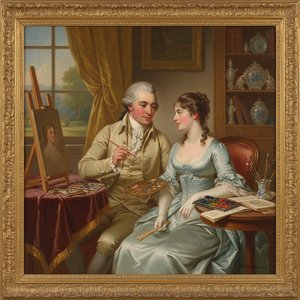
Richard Cosway: Capturing Regency Elegance & Intimacy Through Portraiture
Explore the captivating world of Richard Cosway, Regency society's celebrated portrait miniaturist. Discover his exquisite art, aristocratic patrons & lasting legacy with ArtsDot.

The Enduring Power of Line: Exploring Themes & Techniques in Drawing Across Art History
Explore the rich history of drawing! Discover key techniques like linear perspective & iconic artists from the Renaissance to modern times. Enhance your art appreciation with ArtsDot.
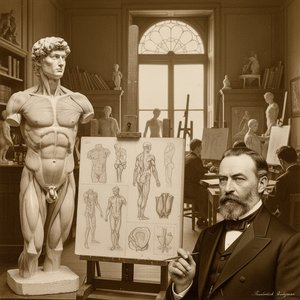
Frederick Bridgman: Anatomical Mastery & the Evolution of Figure Drawing Instruction
Explore the anatomical mastery of George B. Bridgman & his revolutionary figure drawing techniques. Discover how his methods transformed art instruction and continue to inspire artists today. Learn more at ArtsDot.