 Preview
 Send
Send Share
Share
 Details

 Download
 Similars
 X-Ray
X-Ray Diaporama
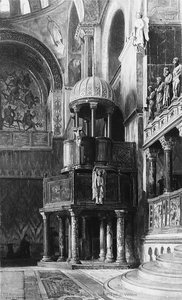
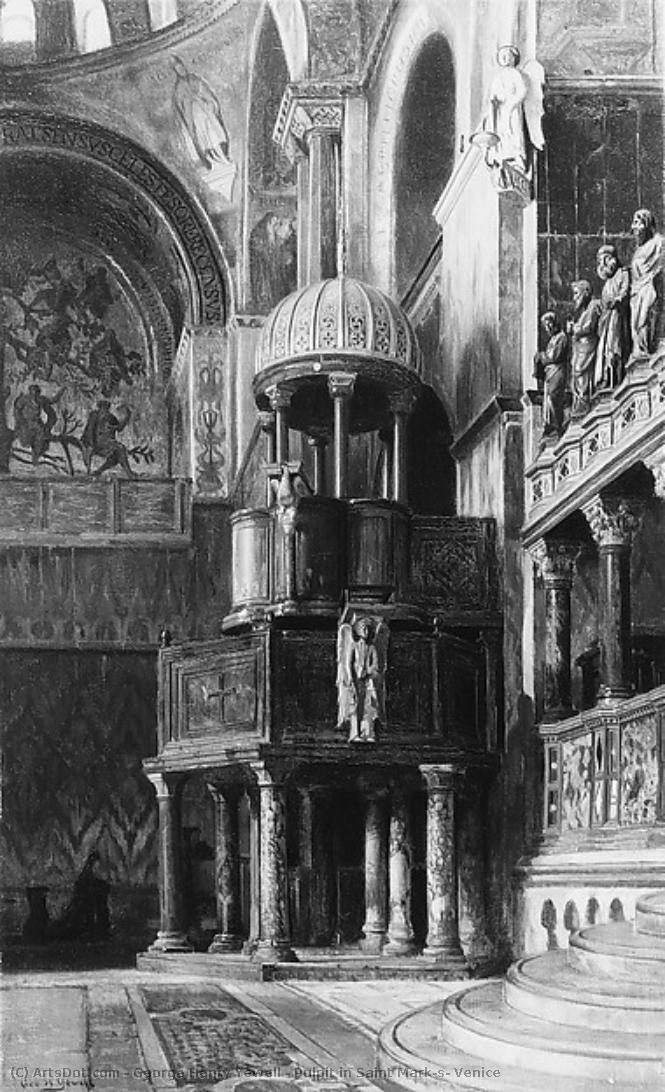
Pulpit in Saint Mark's, Venice
 Graphite Pencil
- WallArt
- Academic Realism
 1870
1870- 19th Century
 55.0 x 32.0 cm
 Metropolitan Museum of Art
 Read More
Hand Made Oil Reproduction
Hand-painted oil on canvas in your size and frame, made to order by our artists. ( Buy Print Buy Image)




P118B $10

P118H $10

P118W $10

P438Z $10

P508JH $12

P508YH $12

P805H $10

P805Z $10

P919BZ $10

P919G $10

P919XJ $10

P959ZH $10

P968JZ $12

W106C $8

W218G $10

W218JH $8

W218Y $10

W307PJ $10

W316G $10

W316PJ $8

W316Y $10

W398PJ $8

W4111J $10

W500HY $15

W500JH $15

W692G $12

W849H $8

W940BG $15

W953PJ $8




Pick from our preset sizes that match the artwork's original proportions.

You may enter your own dimensions to fit a specific frame or space. If your selected size does not match the original image's proportions, we will either crop the artwork or extend the painting with additional hand-painted elements. A digital mockup will be sent for your approval before production begins.
Please note that the on-screen preview does not reflect the actual cropping or extension. Only the mockup will accurately show the final composition.
While custom sizes are available, we recommend selecting a dimension from the predefined list to preserve the original proportions.
After order, ArtsDot.com team will email client for instructions and provide a mockup preview
Worldwide Delivery () in 3/4 weeks instead of standard 5 weeks. (21 August). No compromise on quality.

Free Worldwide Express Shipping

High-Quality Linen Canvas

Full Shipping Insurance

Customs Tax Refund Guarantee

True Color Matching Guarantee

60-Day Return Policy (Defects Only)

100% Money-Back Guarantee

Bulk Discount Offer
 Glass option is only available in size under 110 CM

Pulpit in Saint Mark's, Venice
Reproduction Medium
Reproduction Size
-


Total Price
$ 288
Artwork Description
The Grandeur Captured: A Study in Venetian Devotion
To gaze upon this depiction of the Pulpit in Saint Mark's Basilica is to step across the threshold of time and into the hushed, echoing grandeur of Renaissance Venice. This work, rendered with painstaking detail by George Henry Yewell, transcends mere architectural documentation; it is a meditation on faith, craftsmanship, and the enduring power of sacred space. The composition immediately draws the eye toward the ornate pulpit, which dominates the scene from a slightly elevated, yet intimately framed perspective. One can almost hear the echoes of sermons once delivered from this very spot, imagining the weight of history settling upon the carved stone.
Mastery in Line and Shadow: Technical Brilliance
What elevates this piece beyond simple illustration is Yewell’s masterful handling of line work. The artist employs a technique reminiscent of meticulous academic drawing—a pencil or charcoal rendering that speaks volumes through its graphite whispers. Observe how the varying densities of hatching and cross-hatching are deployed; they do not merely shade, but they build texture. The rough grain of ancient stone contrasts beautifully with the implied smoothness of polished marble, while the delicate patterns suggested in the background mosaics shimmer under an unseen light source. The use of linear perspective is breathtakingly effective, drawing the viewer deep into the basilica's vast interior, making the space feel both monumental and deeply personal.
Historical Echoes and Artistic Context
Dating to 1870, this work places us in a period where artistic study often merged rigorous observation with romantic reverence for antiquity. George Henry Yewell’s background suggests an artist deeply invested in the traditions of draftsmanship, skills honed through years of dedicated practice. The subject matter—a key feature within one of the world's most significant religious sites—grounds the piece firmly in 19th-century artistic documentation, yet its emotional resonance feels timeless. It speaks to a culture that valued visible artistry as an extension of spiritual devotion.
Symbolism and Emotional Resonance for the Modern Collector
For the contemporary collector or designer, this reproduction offers more than just decorative appeal; it is an artifact imbued with symbolic weight. The pulpit itself symbolizes proclamation—the sharing of profound ideas and enduring truths. The overall atmosphere evoked is one of awe and quiet contemplation. Imagine this piece gracing a library, a study, or a grand hall; it instantly bestows an air of cultivated intellect and deep cultural appreciation upon the space. It invites moments of pause, encouraging the viewer to look closer, to trace the lines, and to feel the weight of history in their own home.
Related Artworks
Artist Biography
Early Life and Education
George Henry Yewell (January 20, 1830 – September 26, 1923) was an American painter and etcher born in Havre de Grace, Maryland. His father, Solomon Yewell, died when he was a young boy, leaving him and his mother to relocate to Cincinnati, Ohio, where Harriet Carver Yewell had family connections. Recognizing the importance of artistic training, Harriet enrolled her son in Theodore S. Parvin’s school in Iowa City, Iowa—Parvin would later become a respected educator and editor of *The Annals of Iowa*. This formative experience instilled in Yewell an appreciation for observation and meticulous draftsmanship, qualities that would characterize his entire oeuvre.- Iowa City Years: From 1841 to 1848, Yewell honed his artistic skills through apprenticeship with a tailor while simultaneously cultivating his passion for art.
- Thomas Cole’s Influence: A pivotal moment arrived when he encountered Thomas Cole's *The Voyage of Life*, sparking an enduring fascination with Romantic landscape painting and its exploration of spiritual themes.
Breakthrough Career and Political Cartoons
Yewell’s artistic breakthrough occurred in 1848 when he drew a satirical cartoon about the contentious debate surrounding Iowa City's relocation of its state capital to Des Moines—a scene rendered with remarkable dynamism and symbolic representation. As Yewell himself recounted, “At the height of the excitement, I drew a large caricature, representing the capitol building on wheels, and oxen pulling one way, upon whose shoulders were placed heads of members who voted for removal. On the other end of the building were those members who voted against the bill, represented by oxen whose feeble chain had broken and tumbled them in a heap.” This piece garnered widespread acclaim and cemented Yewell’s reputation as a gifted caricaturist—a skill he would continue to employ throughout his career.- Charles Mason's Patronage: The influential Judge Charles Mason recognized Yewell’s talent and generously financed his move to New York City, where he enrolled in the studio of William Makepeace Thackeray.
- Early Artistic Training: Thackeray’s guidance provided Yewell with invaluable insight into artistic technique and aesthetic sensibilities.
Formal Studies and Parisian Atelier
Driven by a desire for comprehensive artistic development, Yewell pursued formal studies at the National Academy of Design from 1851 to 1853—a period during which he studied under Thomas Hicks, whose pupil he became. Hicks’s studio fostered an environment conducive to mastering tonal contrasts and capturing the essence of light and shade—principles that would inform Yewell's later paintings. Furthermore, he traveled by stagecoach and rail to Manhattan on October 9, 1851, establishing himself in New York City and embarking upon a new chapter of his artistic journey.- Thomas Hicks’ Influence: Hicks instilled in Yewell the importance of meticulous observation and stylistic refinement—skills honed through copying Old Master works at the Louvre and the Luxembourg Palace.
Mature Artistic Output and Recognition
Yewell's artistic output spanned decades, encompassing portraits, genre scenes, and Orientalist landscapes inspired by his travels in Europe and Egypt. He achieved considerable acclaim from contemporary critics such as Henry T. Tuckerman, who lauded Yewell’s ability to portray architectural elements with “elaborate care.” Notably, he was elected an Academician of the National Academy of Design in 1881—a testament to his enduring artistic merit and contribution to American art history. His landscapes, particularly those depicting serene Italian countryside vistas, continue to captivate viewers today.- Rome Years: From 1867 to 1875 Yewell resided in Rome alongside Mary Elizabeth Coast, immersing himself in the vibrant artistic milieu of the city and collaborating with fellow American artists like Elihu Vedder and Charles Caryl Coleman.
Legacy and Artistic Style
George Henry Yewell’s artistic style—characterized by meticulous draftsmanship, tonal contrasts, and a restrained palette—reflects the influence of Romanticism and Academic Realism. His paintings convey a profound appreciation for observation and an unwavering commitment to capturing the beauty and grandeur of the natural world. He remains remembered as one of Iowa's most prominent artists, whose work continues to inspire admiration and scholarly study.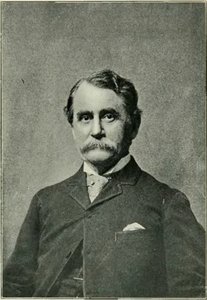
George Henry Yewell
1830 - 1923 , United States of America
Quick Facts
- Artistic Movement Or Style: Orientalist
- Artists Or Movements Influenced By This Artist: ['Henry T. Tuckerman']
- Artists Who Influenced This Artist:
- Thomas Cole
- Charles Mason
- Date Of Birth: January 20, 1830
- Date Of Death: September 26, 1923
- Full Name: George Henry Yewell
- Nationality: American
- Notable Artworks:
- Convent near Rome
- Pulpit in Saint Mark's, Venice
- Place Of Birth: Havre de Grace, Maryland
Related Articles
Georges Braque's Masterpieces: 25 Paintings That Defined Cubism & Modern Art | ArtsDot
Explore 25 iconic Georges Braque paintings that revolutionized Cubism & modern art. Discover the stories behind his masterpieces, from Fauvism to Analytical Cubism. Find museum-quality reproductions & elevate your home decor with ArtsDot.com.
Henri Matisse's Masterpieces: Explore 25 Iconic Paintings & Art Decor Ideas
Journey through Henri Matisse's 25 most iconic paintings! Explore Fauvism, vibrant colors & the stories behind masterpieces like 'The Dance'. Find museum-quality art reproductions and curated decor ideas to elevate your space. Discover all masterpieces on ArtsDot.com.
Georges Seurat's Masterpieces: 25 Paintings That Defined Pointillism | ArtsDot
Explore 25 iconic Georges Seurat paintings & discover the brilliance of Pointillism. From 'La Grande Jatte' to his harbor scenes, delve into art history with ArtsDot.com. Find museum-quality reproductions for your home decor. Explore the full collection online!

The Enduring Legacy of Oil on Canvas: Technique, History & Aesthetic Impact
Explore the rich history & techniques of oil painting – from Renaissance masters to Impressionism. Discover pigments, layering methods, and why this timeless medium endures. Expert insights for artists & art enthusiasts.

Oil on Canvas: A Historical & Technical Exploration of a Timeless Artistic Medium
Explore the rich history & enduring techniques of oil painting on canvas. Discover the science behind its longevity, conservation practices, and contemporary relevance. Expert insights for art enthusiasts.