Preview
 Send
Send Share
Share
 Details

 Download
 Similars
 X-Ray
X-Ray Diaporama
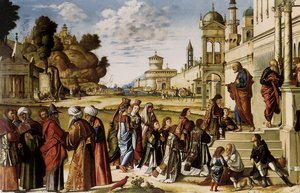
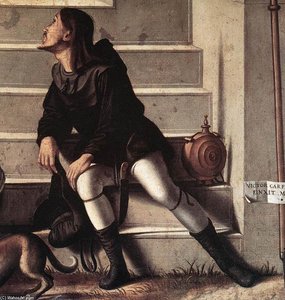
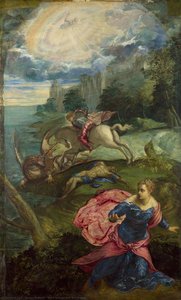
St George and the Dragon (detail)


 Read More
Hand Made Oil Reproduction
Hand-painted oil on canvas in your size and frame, made to order by our artists. ( Buy Print Buy Image)




P118B $10

P118H $10

P118W $10

P438Z $10

P508JH $12

P508YH $12

P805H $10

P805Z $10

P919BZ $10

P919G $10

P919XJ $10

P959ZH $10

P968JZ $12

W106C $8

W218G $10

W218JH $8

W218Y $10

W307PJ $10

W316G $10

W316PJ $8

W316Y $10

W398PJ $8

W4111J $10

W500HY $15

W500JH $15

W692G $12

W849H $8

W940BG $15

W953PJ $8




Pick from our preset sizes that match the artwork's original proportions.

You may enter your own dimensions to fit a specific frame or space. If your selected size does not match the original image's proportions, we will either crop the artwork or extend the painting with additional hand-painted elements. A digital mockup will be sent for your approval before production begins.
Please note that the on-screen preview does not reflect the actual cropping or extension. Only the mockup will accurately show the final composition.
While custom sizes are available, we recommend selecting a dimension from the predefined list to preserve the original proportions.
After order, ArtsDot.com team will email client for instructions and provide a mockup preview
Worldwide Delivery () in 3/4 weeks instead of standard 5 weeks. (16 August). No compromise on quality.

Free Worldwide Express Shipping

High-Quality Linen Canvas

Full Shipping Insurance

Customs Tax Refund Guarantee

True Color Matching Guarantee

60-Day Return Policy (Defects Only)

100% Money-Back Guarantee

Bulk Discount Offer
 Glass option is only available in size under 110 CM

St George and the Dragon (detail)
Reproduction Medium
Reproduction Size
-


Total Price
$ 263
Artwork Description
A Grim Testament of Faith: Vittore Carpaccio’s St George and the Dragon
Vittore Carpaccio's *St George and the Dragon* (1502), housed in the Galleria dell’Accademia in Venice, stands as a cornerstone of Venetian Renaissance painting—a dramatic depiction steeped in religious allegory and executed with meticulous attention to detail. More than just a narrative recounting the saint’s triumph over evil, it embodies Carpaccio's distinctive artistic vision: conservative, emotionally resonant, and profoundly influenced by the stylistic precedents established by Antonello da Messina and early Netherlandish masters. This painting isn’t merely observed; it’s felt—a chilling reminder of mortality intertwined with unwavering devotion.The Narrative Landscape
The scene unfolds against a bleak, mountainous backdrop – a deliberate choice mirroring the desolate terrain of spiritual struggle. Saint George, clad in gleaming armor, confronts the colossal dragon, its serpentine form dominating the composition. The dragon's gaping maw is positioned centrally, conveying palpable menace and embodying primal darkness. Beneath him lies the fallen warrior—a figure rendered lifeless, symbolizing vulnerability to sin and awaiting divine redemption. Two birds – one perched atop Saint George’s helmet and another fluttering near the dragon’s head – serve as emblems of hope and vigilance, representing God's watchful eye safeguarding Christendom. Carpaccio skillfully weaves these symbolic elements into a compelling visual narrative that adheres closely to medieval legend.Carpaccio’s Style: A Quiet Revolution
Unlike many contemporaries embracing humanist ideals and experimenting with innovative techniques, Carpaccio remained steadfast in his adherence to Byzantine influences and the stylistic conventions of Messina and Bruges. This conservatism is evident in the muted palette—primarily ochres, reds, and blues—which prioritizes tonal harmony over vibrant color contrasts. The artist’s brushstrokes are deliberate and controlled, creating a surface texture that emphasizes form rather than illusionistic depth. Carpaccio's technique relies on layering thin glazes of pigment upon gesso panels, resulting in luminous surfaces that capture the subtle nuances of light and shadow—a hallmark of Venetian painting during his era.Symbolism: Beyond Simple Heroic Tale
The dragon itself represents evil incarnate – specifically Satan attempting to corrupt Saint George’s soul. The warrior's death symbolizes humanity’s susceptibility to temptation and the necessity of faith to overcome darkness. However, Carpaccio imbues the scene with deeper theological significance. The birds symbolize divine providence—God protecting Saint George from harm and guiding him towards salvation. Furthermore, the skulls scattered throughout the painting serve as poignant reminders of mortality and the ultimate triumph of God over death. These elements elevate *St George and the Dragon* beyond a mere retelling of biblical lore into a profound meditation on faith, courage, and spiritual redemption.Emotional Resonance: A Masterpiece of Dramatic Intensity
Carpaccio’s masterful portrayal captures the visceral horror of Saint George's confrontation with the dragon—a palpable tension conveyed through expressive gestures and meticulous anatomical detail. The artist skillfully utilizes chiaroscuro – dramatic contrasts between light and dark – to heighten the emotional impact of the scene, emphasizing Saint George’s heroic posture and highlighting the dragon’s terrifying presence. Viewing *St George and the Dragon* evokes a feeling of solemn contemplation—a recognition of humanity's struggle against evil and an affirmation of God’s unwavering compassion. It remains a testament to Carpaccio’s ability to transform biblical narrative into emotionally charged visual art, securing its place as one of Venice’s most enduring treasures.Related Artworks
Artist Biography
early life and training
vittore carpaccio, a prominent italian painter, was born in venice around 1465. he studied under the tutelage of gentile bellini, a renowned artist of the venetian school. this apprenticeship laid the foundation for carpaccio's future success.artistic style and influences
carpaccio's style was characterized by its conservative nature, showing minimal influence from the humanist trends that transformed italian renaissance painting during his lifetime. his work was influenced by antonello da messina's style and early netherlandish art. this unique blend of styles resulted in a distinctive approach to venetian painting.notable works
- the legend of saint ursula, a cycle of nine paintings, is carpaccio's most famous work. this series, now housed in the gallerie dell'accademia, showcases his mastery of narrative painting.
- glory of st. ursula altarpiece (1491) demonstrates carpaccio's skill in capturing light and color, reminiscent of giovanni bellini's style.
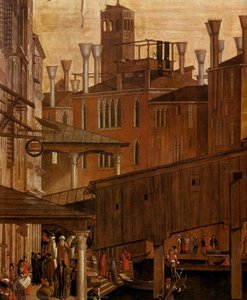
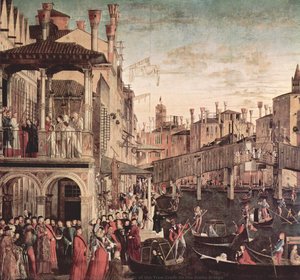
- miracle of the relic of the cross at the ponte di rialto (1494) highlights carpaccio's ability to balance composition and narrative.
career highlights and legacy
- carpaccio's principal works were executed between 1490 and 1519, ranking him among the early masters of the venetian renaissance.
- his orientalist style, as seen in st. george baptizing the selenites, reflects a new fascination with the levant.
- carpaccio's work has been somewhat overlooked in comparison to his contemporaries, such as giovanni bellini or giorgione.
references and further reading
discover more about vittore carpaccio and the venetian school on ArtsDot.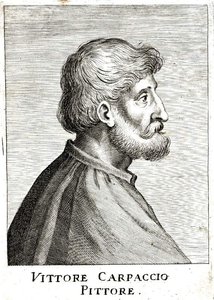
Vittore Carpaccio
1465 - 1526 , Italy
Quick Facts
- Artistic Movement Or Style: Early Venetian Renaissance
- Artists Or Movements Influenced By This Artist: ['Early Netherlandish Painting']
- Artists Who Influenced This Artist:
- Antonello da Messina
- Gentile Bellini
- Date Of Birth: Venice, Italy (c. 1465)
- Date Of Death: 1526
- Full Name: Vittore Carpaccio
- Nationality: Italian
- Notable Artworks:
- The Legend of Saint Ursula
- Glory of St. Ursula Altarpiece
- Miracle of the Relic of the Cross at the Ponte di Rialto
- Place Of Birth: Venice
Related Articles

Georges Braque's Masterpieces: 25 Paintings That Defined Cubism & Modern Art | ArtsDot
Explore 25 iconic Georges Braque paintings that revolutionized Cubism & modern art. Discover the stories behind his masterpieces, from Fauvism to Analytical Cubism. Find museum-quality reproductions & elevate your home decor with ArtsDot.com.

Georges Seurat's Masterpieces: 25 Paintings That Defined Pointillism | ArtsDot
Explore 25 iconic Georges Seurat paintings & discover the brilliance of Pointillism. From 'La Grande Jatte' to his harbor scenes, delve into art history with ArtsDot.com. Find museum-quality reproductions for your home decor. Explore the full collection online!
Vittore Carpaccio: Venetian Renaissance Narrative & the Poetics of Detail
Explore the captivating world of Vittore Carpaccio, a master storyteller of the Venetian Renaissance. Discover his intricate details, narrative cycles like 'The Legend of St. Ursula,' and unique artistic style.
High Medieval Art: 10 Masterpieces That Shaped an Era | ArtsDot
Journey through High Medieval Art! Explore 10 iconic masterpieces – from Giotto's frescoes to stunning Gothic cathedrals. Discover the stories behind these timeless paintings, sculptures & illuminated manuscripts. Find museum-quality art reproductions at ArtsDot.com.

Jacopo Tintoretto's Masterpieces: 25 Paintings That Define Venetian Drama | ArtsDot
Explore 25 breathtaking masterpieces by Jacopo Tintoretto, the Venetian master of drama and light. Discover the stories behind iconic Renaissance paintings & find museum-quality art reproductions to elevate your home decor on ArtsDot.com.