


A Venetian Sanctuary of Slavic Heritage
Nestled in the heart of Venice’s Castello district, the Scuola di San Giorgio degli Schiavoni is more than just a museum; it is a whispered secret, an intimate portal into a fascinating chapter of Venetian history and Renaissance artistry. Founded in 1451 by the Schiavoni —Slavic merchants and artisans primarily from Dalmatia—this confraternity served as a vital social and religious hub for a community that profoundly shaped Venice’s commercial landscape. The Scuola was not merely a guild; it was a lifeline for those far from home, offering mutual support, spiritual solace, and a vibrant cultural identity within the bustling Venetian Republic. Stepping inside is akin to entering a world suspended in time, where the air seems heavy with the devotion of centuries.
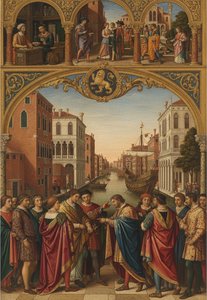
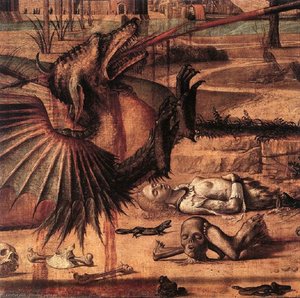
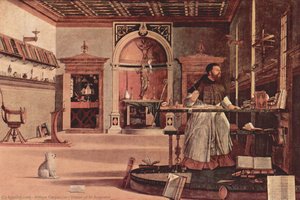
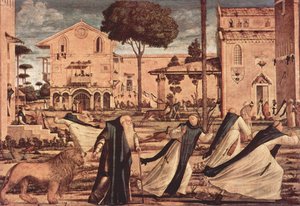
The true treasure of this sanctuary lies within its breathtaking collection of paintings by Vittore Carpaccio , commissioned between 1502 and 1508. These are not simply religious depictions but vibrant narratives, meticulously crafted scenes from the lives of the Scuola’s patron saints—St. George, St. Jerome, St. Tryphon, and St. Augustine. Carpaccio's genius resides in his ability to imbuidade these sacred stories with a remarkable sense of realism and human emotion. In St. George and the Dragon , one finds a captivating drama unfolding against a meticulously rendered Venetian landscape, filled with curious onlookers and subtle details that draw the viewer into the very heart of the combat. Similarly, The Burial of St. Jerome serves as a poignant meditation on mortality, showcasing Carpaccio's mastery of composition and his profound sensitivity to human grief. The cycle as a whole, inspired by Jacobus de Voragine’s Golden Legend , offers an unparalleled glimpse into the devotional practices and artistic tastes of 16th-century Venice.
Architectural Elegance and Historical Legacy
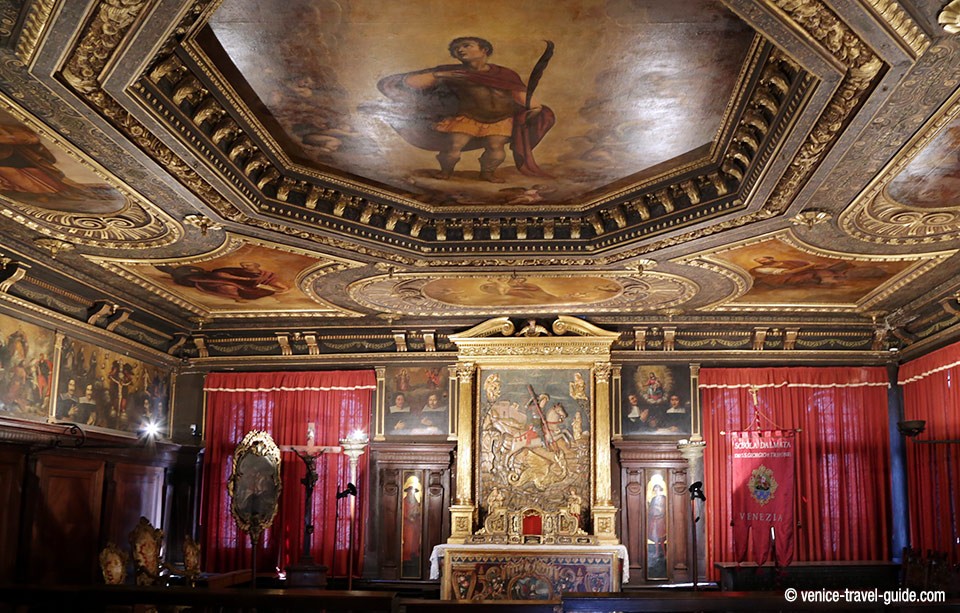
The architecture of the Scuola tells a compelling story of evolution, reflecting both its humble origins and its rising status within Venetian society. The façade, rebuilt in 1551 by Giovanni De Zan, draws inspiration from the refined designs of Jacopo Sansovino, embodying the classical elegance that was transforming Venice during the Renaissance. Constructed with elegant Istrian stone—a durable limestone that has weathered centuries of salt air and sea spray—the exterior exudes an understated grandeur. Above the entrance, Pietro di Salento’s relief sculpture depicting St. George slaying the dragon serves as a powerful symbol of courage and faith for all who pass by. Inside, the Sala dell'Albergo continues this sensory journey, boasting a beautifully decorated wooden ceiling by Bastian de Muran that enhances the sense of opulent intimacy.
Beyond its aesthetic beauty, the Scuola represents a crucial element in Venice’s multicultural heritage. The Slavic immigrants who formed this brotherhood were essential to the city's maritime and economic strength, establishing a thriving guild that fostered prosperity alongside spiritual devotion. Throughout its history, the institution has hosted significant exhibitions that have illuminated Venetian art history, exploring themes of patronage and innovation that continue to attract scholars and art lovers from around the globe. For the collector or the interior designer, the Scuola offers a masterclass in how art and architecture can be woven together to create a space of profound meaning.
An Intimate Encounter with the Past
What truly sets the Scuola di San Giorgio degli Schiavoni apart from the sprawling grandeur of larger museums is its intimate scale and contemplative atmosphere. It offers a rare, personal encounter with art history, free from the overwhelming crowds of more famous landmarks. Here, one can linger before Carpaccio’s masterpieces in quiet solitude, allowing oneself to be fully immersed in their intricate symbolism and luminous colors. The Scuola is not merely a place for seeing art; it is a place for experiencing it—feeling the weight of history, appreciating the meticulous skill of the Renaissance masters, and connecting with the enduring spirit of a community that left an indelible mark on the soul of Venice. It remains a sanctuary where the echoes of the past resonate clearly in the present.