

 Preview
 Send
Send Share
Share
 Details

 Download
 Similars
 X-Ray
X-Ray Diaporama
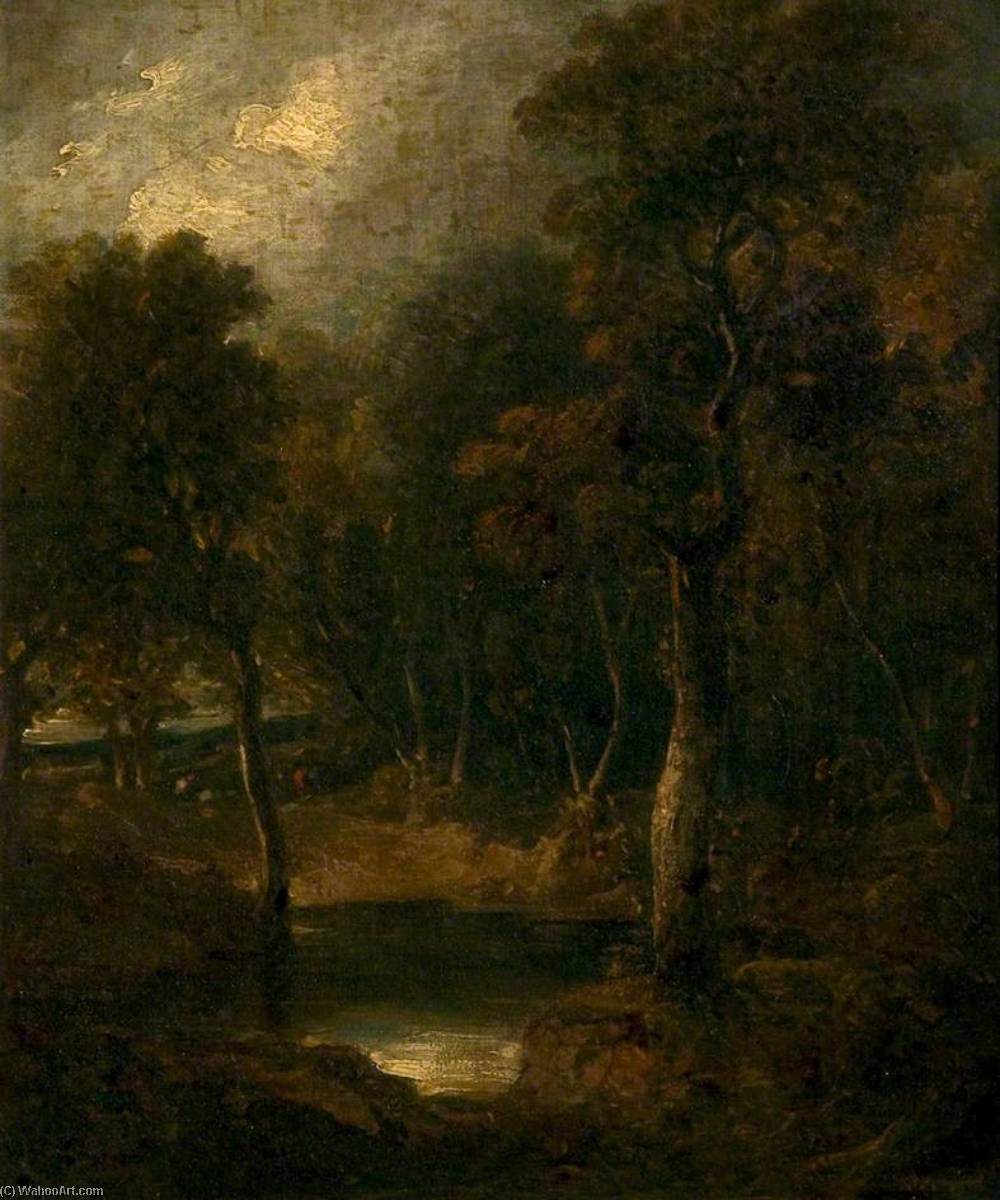
Wooded Landscape
 Oil On Canvas
- WallArt
- Romanticism
 1810
1810- 19th Century
 37.0 x 32.0 cm
 New Walk Museum - Art Gallery
 Read More
Purchase a high-resolution, enhanced digital image, far superior to the online preview.
Each file is meticulously prepared by our in-house specialists using advanced tools and expert manual retouching. We ensure every image has exceptional clarity, precise color accuracy, and fine detail.
The final file is delivered via email within 72 hours, optimized for immediate use in professional, editorial, and print environments. This is the same quality trusted by top-tier design studios, publishers, and galleries.
Digital Image
Download a high-resolution file for personal display, printing, and creative projects. ( Buy Print Buy Hand Made Painting)
Included in Every Digital Image Order
Expert Digital Delivery, Guaranteed
When you choose ArtsDot.com, you're not just getting an image - you're receiving a professionally enhanced digital artwork, crafted with precision and backed by a satisfaction guarantee. Here's everything that comes with your order, automatically:

Fast Email Delivery
Your high-resolution digital image file will be emailed to you within 72 hours of ordering - ready for immediate use.

AI-Enhanced Digital File
Your artwork is professionally optimized using advanced AI tools and manual editing, ensuring maximum detail, clarity, and color accuracy.

Free Lifetime Re-Delivery
Accidentally deleted or lost your file? No worries - we'll resend it to you anytime, free of charge.

No Import Fees - Ever
Enjoy your artwork instantly with zero customs, duties, or delivery fees - digital downloads are always tax-free.

Color Accuracy Guarantee
We ensure your digital image reflects the original colors as closely as possible using professional tools and color management.

60-Day Satisfaction Guarantee
If you're not satisfied with your digital image, we'll revise it or refund 100% within 60 days - no questions asked.

100% Money-Back Guarantee
Not satisfied? Get a full refund within 60 days of receiving your digital file - no questions asked.

Bulk Order Discounts
Buy 3 images, save 10% - Buy 5, save 15% - Buy 10+, save 20%. Great for creative projects, galleries, and agencies.
Collectible Description
A Nocturnal Symphony in Shadow and Light
In the quiet depths of George Howland Beaumont’s Wooded Landscape, one finds oneself transported to a realm where the boundaries between reality and dream begin to dissolve. Painted around 1810, this evocative work captures a dense, primordial forest clinging to the edge of a silent riverbank. The composition is masterfully orchestrated to evoke a sense of profound solitude; there is no human presence to disrupt the sanctity of the scene, only the rhythmic interplay of ancient trees and the subtle movement of water. The palette is dominated by a somber, nocturnal spectrum of deep umbers, mossy greens, and obsidian blacks, creating an atmosphere that is at once mysterious and deeply tranquil. As the eye wanders through the thicket, it encounters a diffused, ethereal glow—perhaps the soft light of a hidden moon—which dances upon the water’s surface, providing a singular point of luminous relief amidst the surrounding gloom.
The technique employed by Beaumont is a testament to the expressive power of the Romantic movement. Rather than striving for the clinical precision of topographical realism, the artist utilizes a loose, painterly approach that prioritizes emotional resonance over mere imitation. Visible, textured brushstrokes build layers of pigment upon the canvas, lending a tactile quality to the foliage and a sense of organic vitality to the river’s edge. This heavy emphasis on texture allows the viewer to feel the ruggedness of the bark and the fluid weight of the water. The flattened perspective, characteristic of the era's landscape traditions, draws the observer into a more intimate, almost claustrophobic encounter with nature, forcing a confrontation with the sublime power of the untamed wild.
Symbolism and the Romantic Spirit
Beyond its visual allure, Wooded Landscape serves as a profound meditation on the human condition and our relationship with the natural world. Within the context of early 19th-century Romanticism, the darkness of the forest can be interpreted as a symbol of introspection or the vast, unexplored territories of the subconscious mind. The river, flowing steadily through the shadows, acts as a powerful metaphor for transition, time, and the inexorable flow of life. There is a palpable tension between the heavy, grounded presence of the trees and the fleeting, ephemeral light reflecting off the water—a duality that speaks to the struggle between permanence and change.
For the discerning collector or interior designer, this piece offers more than just aesthetic beauty; it provides an emotional anchor for a space. Its moody, atmospheric qualities make it an ideal centerpiece for a study, a library, or a sophisticated lounge where one seeks to cultivate an environment of reflection and quiet grandeur. As a high-quality reproduction, it brings the historical weight and soulful depth of Beaumont’s vision into the modern home, offering a window into a bygone era of artistic passion and a timeless appreciation for the mysteries held within the shadows of the natural world.
Related Artworks
Artist Biography
A Life Dedicated to Art: The World of George Howland Beaumont
Sir George Howland Beaumont, born in 1753 amidst the tranquil Essex countryside of Great Dunmow, was a figure whose life embodied the evolving tastes and passions of late 18th and early 19th-century Britain. Inheriting both a baronetcy and an estate at a young age, Beaumont’s path wasn't immediately destined for artistic pursuits. However, his education at Eton College included initial training in landscape painting under Alexander Cozens, sparking a lifelong fascination with the visual arts. This early exposure was merely a prelude to the transformative experience of the Grand Tour undertaken in 1782 alongside his wife, Margaret. Italy and its rich artistic heritage proved pivotal; Beaumont’s eyes were opened to the masterpieces of the Old Masters, igniting within him not only an appreciation but also a fervent desire to collect and understand these works. This journey laid the foundation for a life dedicated to art—both as a discerning collector and a committed, though often self-critical, painter.Cultivating Taste: Collection, Patronage, and Artistic Development
Upon his return to England, Beaumont embarked on building an impressive collection of Old Master paintings, a pursuit driven by genuine passion despite limited financial resources. Central to this collection was Claude Lorrain’s *A Landscape with Hagar and the Angel*, a painting that became deeply cherished and representative of Beaumont's aesthetic ideals. He wasn’t merely acquiring objects; he was assembling a visual library, a testament to his evolving understanding of artistic excellence. Simultaneously, Beaumont began exhibiting his own work at the Royal Academy from 1794 to 1825, establishing himself as a respected amateur within London’s art circles. His social life flourished alongside his artistic endeavors, centered around his residence at 34 Grosvenor Square and a period serving as Tory MP for Beer Alston (1790-1796). This position brought him into contact with influential figures—the Lake Poets, notably William Wordsworth who became a lifelong friend, Uvedale Price, and others whose ideas shaped the Picturesque movement and Beaumont’s growing appreciation for Flemish and Dutch painting. His artistic style was influenced by Richard Wilson and Thomas Hearne, leaning towards Romanticism as seen in works like *View near Keswick* (1779), yet he remained a staunch defender of academic traditions, often voicing criticism of more radical artists such as J.M.W. Turner. This conservative stance didn’t preclude all openness; Beaumont generously allowed the young John Constable access to his collection, fostering a relationship that culminated in Constable's poignant painting of the Cenotaph to Sir Joshua Reynolds at Coleorton Hall—a powerful tribute and a testament to Beaumont’s discerning eye.A Vision for Public Access: The Founding of the National Gallery
Perhaps Beaumont’s most enduring legacy lies in his instrumental role in establishing the National Gallery. Recognizing a critical need for a public gallery dedicated to showcasing Old Master paintings, he made a groundbreaking offer to the government in 1823: he would donate sixteen paintings from his personal collection on the condition that they also purchase John Julius Angerstein’s collection and secure suitable premises. This bold proposition spurred Parliament into action, leading to the acquisition of Angerstein's holdings and, ultimately, the opening of the National Gallery in May 1824. Beaumont’s own contributions followed shortly after in 1825, solidifying his place as a pivotal figure in British art history. He envisioned a space where great art would be accessible to all, democratizing artistic appreciation and enriching the cultural landscape for generations to come. This act wasn't simply philanthropy; it was an expression of Beaumont’s deep belief in the transformative power of art and its importance to national identity.Lasting Influence and Artistic Legacy
Sir George Howland Beaumont passed away in 1827, leaving behind a legacy that extends far beyond his own artistic creations. His dedication to collecting and promoting Old Masters significantly enriched the British art landscape, while his patronage of emerging artists like Constable helped nurture new talent. The founding of the National Gallery stands as an enduring monument to his vision and commitment—a testament to his belief in the power of art to inspire, educate, and unite. Beaumont’s influence can still be felt today, not only within the walls of the gallery he helped create but also in the ongoing dialogue surrounding artistic taste, public access to culture, and the importance of preserving our shared artistic heritage. He remains a compelling figure—a gentleman amateur who profoundly shaped the course of British art history through his passion, discernment, and unwavering dedication.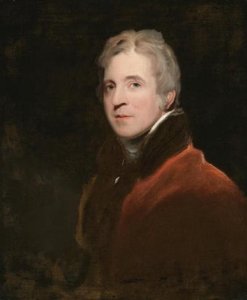
George Howland Beaumont
1753 - 1827 , United Kingdom
Quick Facts
- Artistic Movement Or Style: Romanticism, Picturesque
- Artists Or Movements Influenced By This Artist: ['John Constable']
- Artists Who Influenced This Artist:
- Richard Wilson
- Thomas Hearne
- Date Of Birth: 1753
- Date Of Death: 1827
- Full Name: George Howland Beaumont
- Nationality: British
- Notable Artworks:
- Wooded Landscape
- Landscape
- Broughton Castle
- Place Of Birth: Dunmow, United Kingdom

