 Preview
 Send
Send Share
Share
 Details

 Download
 Similars
 X-Ray
X-Ray Diaporama
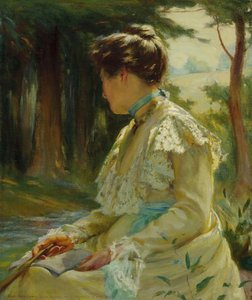
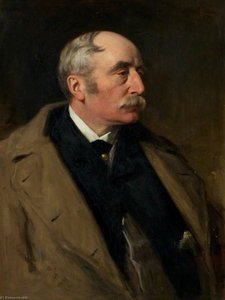
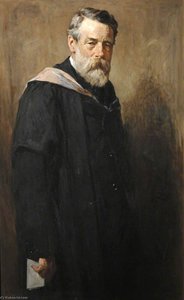
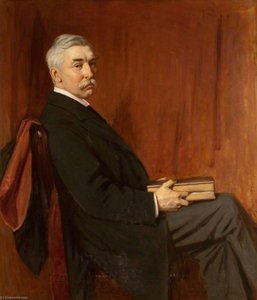
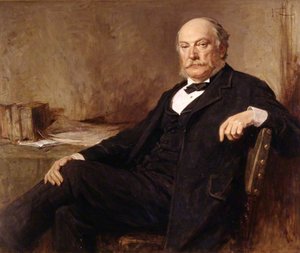
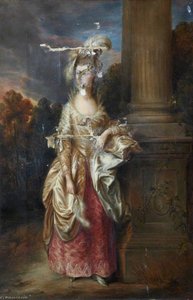
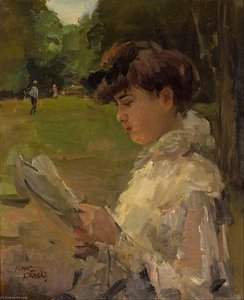
Portrait of Mrs. Reid


 Read More
Hand Made Oil Reproduction
Hand-painted oil on canvas in your size and frame, made to order by our artists. ( Buy Print Buy Image)




P118B $10

P118H $10

P118W $10

P438Z $10

P508JH $12

P508YH $12

P805H $10

P805Z $10

P919BZ $10

P919G $10

P919XJ $10

P959ZH $10

P968JZ $12

W106C $8

W218G $10

W218JH $8

W218Y $10

W307PJ $10

W316G $10

W316PJ $8

W316Y $10

W398PJ $8

W4111J $10

W500HY $15

W500JH $15

W692G $12

W849H $8

W940BG $15

W953PJ $8




Pick from our preset sizes that match the artwork's original proportions.

You may enter your own dimensions to fit a specific frame or space. If your selected size does not match the original image's proportions, we will either crop the artwork or extend the painting with additional hand-painted elements. A digital mockup will be sent for your approval before production begins.
Please note that the on-screen preview does not reflect the actual cropping or extension. Only the mockup will accurately show the final composition.
While custom sizes are available, we recommend selecting a dimension from the predefined list to preserve the original proportions.
After order, ArtsDot.com team will email client for instructions and provide a mockup preview
Worldwide Delivery () in 3/4 weeks instead of standard 5 weeks. (17 August). No compromise on quality.

Free Worldwide Express Shipping

High-Quality Linen Canvas

Full Shipping Insurance

Customs Tax Refund Guarantee

True Color Matching Guarantee

60-Day Return Policy (Defects Only)

100% Money-Back Guarantee

Bulk Discount Offer
 Glass option is only available in size under 110 CM

Portrait of Mrs. Reid
Reproduction Medium
Reproduction Size
-


Total Price
$ 263
Artwork Description
A Victorian Portrait Steeped in Quiet Contemplation
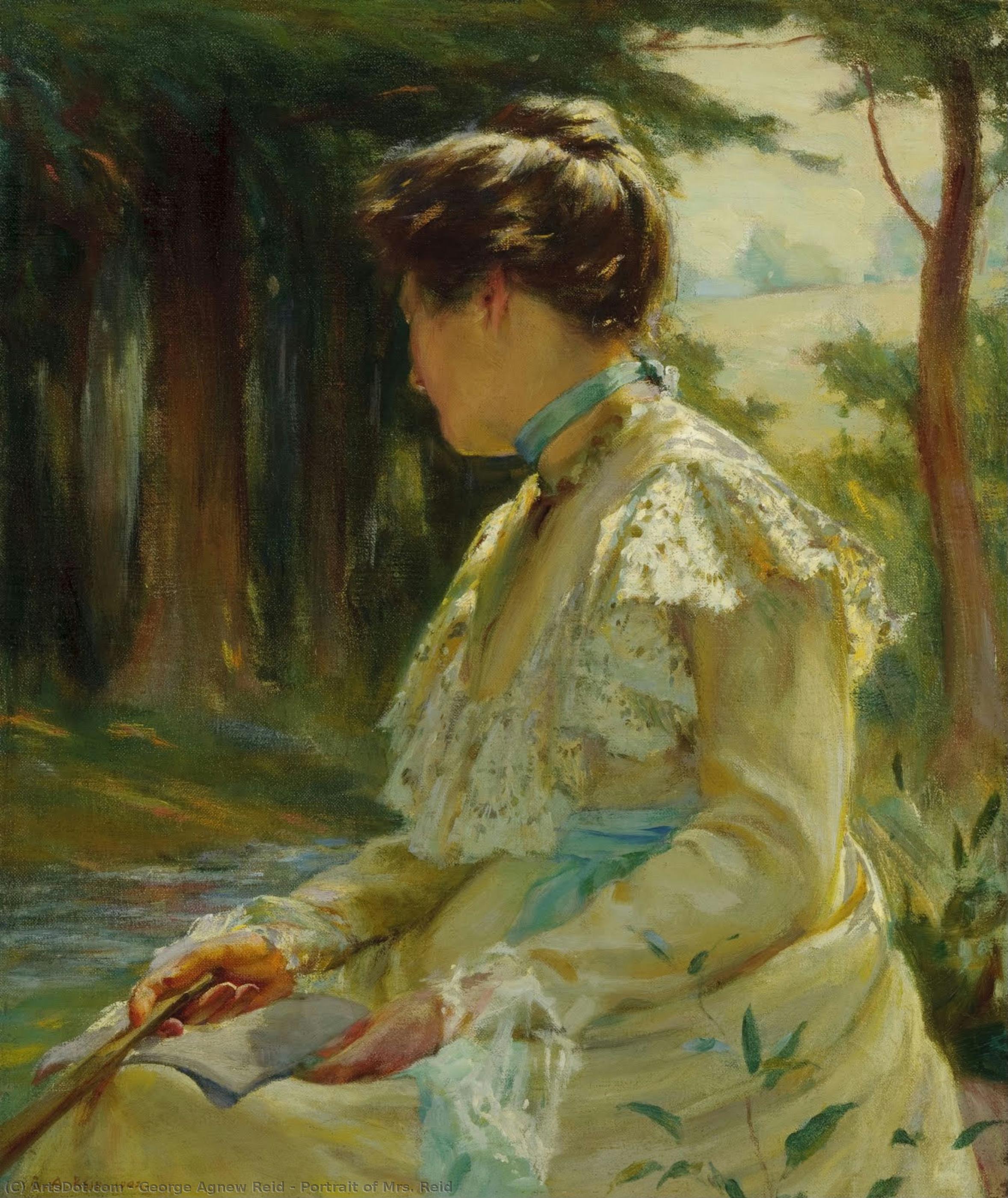
The painting “Portrait of Mrs. Reid,” executed by George Agnew Reid in 1902, stands as a testament to the meticulous craftsmanship and evocative storytelling characteristic of Victorian art. Created during a period marked by social conservatism yet brimming with artistic innovation, this piece transcends mere likeness—it captures a profound moment of inner life within a beautifully rendered exterior.Subject Matter and Composition
At its core lies a portrait of Mrs. Alexander Hay Moncur, a woman whose gaze meets the viewer’s with an understated dignity. Reid skillfully employs a pyramidal composition, anchoring the figure centrally while subtly directing the eye upwards towards her face—a deliberate gesture intended to convey serenity and introspection. The inclusion of a delicate lace collar and a ribbon around her neck speaks volumes about Victorian fashion sensibilities and underscores Mrs. Moncur's refined taste. Behind her sits a tree, its branches reaching skyward, mirroring the woman’s upward gaze and symbolizing resilience and growth amidst stillness.Style and Technique: Impressionistic Influences
Despite adhering to traditional portraiture conventions, Reid demonstrates an undeniable fascination with Impressionistic techniques—a movement that prioritized capturing fleeting moments of light and color over precise anatomical detail. Noticeable brushstrokes create a textured surface, subtly blurring edges and lending the painting an ethereal quality. The muted palette—primarily blues and greens—harmoniously blends with the natural surroundings, fostering a sense of tranquility and conveying the emotional atmosphere of the scene. Reid’s masterful blending of pigments achieves remarkable luminosity, illuminating Mrs. Moncur's face with soft radiance.Historical Context: Victorian Society and Artistic Expression
The painting emerged from Victorian society, where domestic interiors were considered spaces of comfort and refinement—a reflection of prevailing ideals concerning femininity and family life. Artists like Reid sought to portray women not merely as decorative objects but as individuals possessing inner depth and emotional complexity. Furthermore, the burgeoning interest in psychological realism within art circles fueled a desire to explore the subtleties of human experience beyond outward appearances. Reid’s work exemplifies this trend, inviting viewers to contemplate the quiet beauty of contemplation and the enduring power of visual storytelling.Symbolism: The Tree and Serenity
The tree itself serves as a potent symbol—representing strength, stability, and connection to nature. Its upward reaching branches echo Mrs. Moncur's gaze, suggesting an aspiration for spiritual enlightenment and inner peace. Simultaneously, the tranquil setting reinforces this theme, creating an immersive experience that transports the viewer into a realm of contemplative serenity. Reid’s careful attention to detail—from the lace collar to the ribbon around her neck—further enhances the painting’s symbolic resonance.Emotional Impact: A Moment Frozen in Time
Ultimately, “Portrait of Mrs. Reid” succeeds in conveying an emotional depth rarely achieved in Victorian portraiture. The woman's gaze invites empathy and contemplation, prompting viewers to consider themes of resilience, grace, and inner harmony. Reid’s artistic vision captures a fleeting moment frozen in time—a testament to the enduring beauty of simplicity and the transformative power of visual art. It remains an inspiring example of how artists can communicate profound ideas through masterful technique and evocative composition.Related Artworks
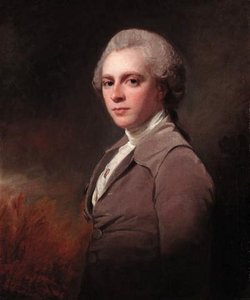
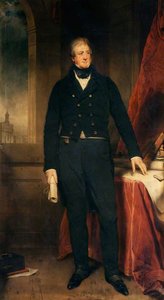
Artist Biography
Early Life and Artistic Foundations
George Agnew Reid emerged from the fertile landscapes of rural Canada West, born in 1860 in Wingham, Ontario, a place that would indelibly shape his artistic vision. His beginnings were steeped not in formal training but in the rhythms of farm life—a setting he’d later revisit with poignant detail and emotional depth in his paintings. Though initially hesitant about his son's aspirations, Reid’s father eventually recognized and supported his burgeoning talent, allowing him to pursue studies at the Central Ontario School of Art in Toronto in 1879 under the tutelage of Robert Harris. This foundational period instilled a respect for established techniques and representational art, yet it also ignited within Reid a desire to explore beyond imitation. He sought further refinement at Philadelphia’s Pennsylvania Academy of the Fine Arts from 1882 to 1885, where he fell under the powerful influence of Thomas Eakins—a master of realism and anatomical accuracy whose dedication to truthful representation would remain a guiding principle throughout Reid's career. Equally significant during this time was his meeting and subsequent marriage to Mary Hiester Reid, herself a gifted artist; their union forged a lifelong artistic partnership built on mutual respect and creative exchange. Reid’s artistic journey continued across the Atlantic, immersing himself in the vibrant art scenes of Paris at the Académies Julian and Colarossi, and undertaking focused study at the Prado Museum in Madrid between 1888-1889, broadening his understanding of European masters and enriching his stylistic vocabulary.A Blossoming Style: Genre Painting and Narrative Depth
Upon returning to Canada, Reid’s artistic focus shifted from portraiture towards genre painting—a style that allowed him to explore the narratives embedded within everyday life. This wasn't merely a change in subject matter; it represented a deepening of his artistic intent. The Foreclosure of the Mortgage (1893) stands as a landmark achievement, garnering significant recognition and establishing Reid’s reputation as a storyteller through paint. The painting is a deeply moving depiction of rural hardship, capturing a moment of profound emotional weight with remarkable sensitivity. Reid masterfully blended the precision he had absorbed during his Parisian academic training with subtle Impressionistic touches—a delicate interplay of light and atmosphere that imbued his canvases with realism and emotional resonance. He wasn’t simply recording scenes; he was interpreting them, imbuing them with a psychological depth that resonated deeply with viewers. His paintings became windows into the lives of ordinary Canadians, particularly those in rural Ontario, offering glimpses into their joys, struggles, and enduring spirit. He possessed an exceptional ability to observe and capture the nuances of human emotion, translating these observations onto canvas with remarkable skill. This period saw him create works that weren’t just aesthetically pleasing but also socially conscious, reflecting a growing awareness of the challenges faced by rural communities.Career Highlights and Educational Leadership
Reid's artistic achievements were paralleled by a distinguished career in art education and administration. His election to the Royal Canadian Academy of Arts in 1889 solidified his position within the burgeoning Canadian art community, recognizing his contributions and influence. However, perhaps his most significant contribution lay in his role as Principal of the Central Ontario School of Art and Design (later OCAD University) from 1912 to 1918. During this period, he spearheaded crucial reforms, shaping the institution into a leading center for artistic training in Canada. He passionately believed in the power of art education to nurture creativity and foster a vibrant cultural landscape. Beyond his administrative duties, Reid continued to produce significant works, including murals and commissioned pieces for public buildings—most notably contributing to the decoration of Toronto’s third City Hall. In 1922, following the passing of Mary Hiester Reid, he entered into another important artistic partnership with Mary E. Wrinch, further enriching his creative life and expanding his artistic horizons. His interests extended beyond painting, encompassing architectural projects influenced by the Arts and Crafts movement—a testament to his holistic approach to art and design. He envisioned a world where beauty and functionality were seamlessly integrated, influencing not only his artwork but also his educational philosophy.Legacy and Lasting Influence
George Agnew Reid’s legacy extends far beyond his individual paintings; he was a catalyst for change within the Canadian art world, fostering a distinctly national artistic identity while simultaneously embracing international influences. His mentor, Thomas Eakins, instilled in him a commitment to realism and anatomical accuracy, while his time in Paris exposed him to the innovative techniques of Impressionism—elements that he skillfully integrated into his own unique style. He played a crucial role in establishing a visual language that reflected the Canadian experience, depicting Ontario landscapes and rural life with both sensitivity and authenticity. As an educator and administrator, Reid nurtured generations of Canadian artists, shaping the future of art education within the country. His artworks continue to be held in esteemed public and private collections across Canada, including the Art Gallery of Ontario and the National Gallery of Canada—a testament to their enduring artistic merit and historical significance. He died in 1947, leaving behind a body of work that continues to captivate and inspire, solidifying his place as one of Canada’s most important and influential artists. His ability to combine academic rigor with emotional depth created works that resonate with viewers on a profound level, reflecting the social realities of his time and offering enduring insights into the human condition.Notable Works
- Spynie Castle and Loch, Moray (1866): A captivating Scottish landscape painting showcasing dramatic light and detail.
- Mrs Alexander Hay Moncur (1887): A stunning Victorian portrait exhibiting rich detail and luxurious elegance.
- John Ritchie Findlay of Aberlour (1899): An academic realist portrait capturing wisdom and experience.
- The Foreclosure of the Mortgage (1893): A poignant depiction of rural hardship, considered a landmark achievement in Canadian art.
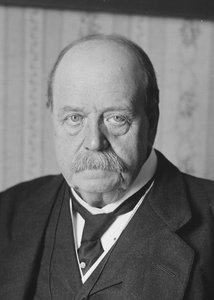
george reid
1860 - 1947 , Canada
Quick Facts
- Artistic Movement Or Style: Genre painting, Realism
- Artists Or Movements Influenced By This Artist: Canadian artists
- Artists Who Influenced This Artist: ['Thomas Eakins']
- Date Of Birth: July 25, 1860
- Date Of Death: August 23, 1947
- Full Name: George Agnew Reid
- Nationality: Canadian
- Notable Artworks:
- Foreclosure of Mortgage
- Spynie Castle and Loch
- Mrs. A.H. Moncur
- Place Of Birth: Wingham, Canada
Related Articles

Georges Braque's Masterpieces: 25 Paintings That Defined Cubism & Modern Art | ArtsDot
Explore 25 iconic Georges Braque paintings that revolutionized Cubism & modern art. Discover the stories behind his masterpieces, from Fauvism to Analytical Cubism. Find museum-quality reproductions & elevate your home decor with ArtsDot.com.

George Agnew Reid: A Canadian Impressionist's Pursuit of Light, Colour, and National Identity
Explore the life & work of George Agnew Reid, a pivotal figure in Canadian Impressionism. Discover his genre paintings, mural commissions, and lasting influence on art education & national identity. A comprehensive guide for collectors & enthusiasts.

Georges Seurat's Masterpieces: 25 Paintings That Defined Pointillism | ArtsDot
Explore 25 iconic Georges Seurat paintings & discover the brilliance of Pointillism. From 'La Grande Jatte' to his harbor scenes, delve into art history with ArtsDot.com. Find museum-quality reproductions for your home decor. Explore the full collection online!
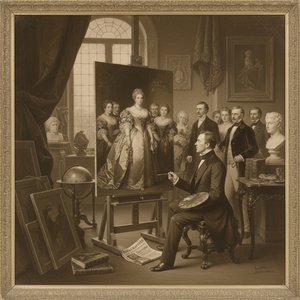
George Hayter: Portraiture, Power & Victorian Society's Canvas
Explore the life & work of George Hayter, Queen Victoria’s Principal Painter. Discover his iconic Victorian portraits, historical masterpieces, and lasting impact on British art history. Learn more at ArtsDot.
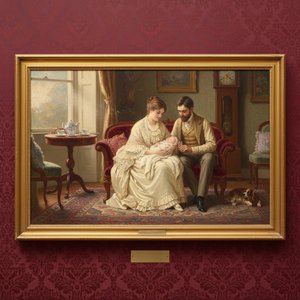
George Goodwin Kilburne: Capturing Victorian Sentimentality Through Genre Painting
Explore the evocative Victorian paintings of George Goodwin Kilburne. Discover his detailed scenes of domestic life, masterful use of light, and lasting impact on British genre painting. Learn more at ArtsDot.