 Preview
 Send
Send Share
Share
 Details

 Download
 Similars
 X-Ray
X-Ray Diaporama
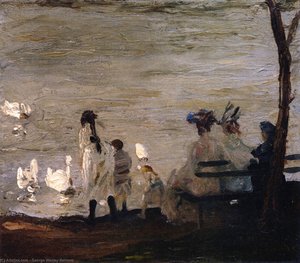
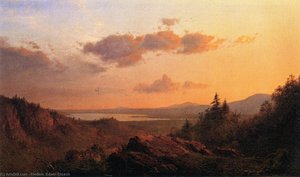
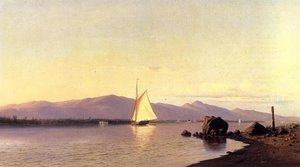
Hudson at Saugerties


 Read More
Hand Made Oil Reproduction
Hand-painted oil on canvas in your size and frame, made to order by our artists. ( Buy Print Buy Image)




P118B $10

P118H $10

P118W $10

P438Z $10

P508JH $12

P508YH $12

P805H $10

P805Z $10

P919BZ $10

P919G $10

P919XJ $10

P959ZH $10

P968JZ $12

W106C $8

W218G $10

W218JH $8

W218Y $10

W307PJ $10

W316G $10

W316PJ $8

W316Y $10

W398PJ $8

W4111J $10

W500HY $15

W500JH $15

W692G $12

W849H $8

W940BG $15

W953PJ $8




Pick from our preset sizes that match the artwork's original proportions.

You may enter your own dimensions to fit a specific frame or space. If your selected size does not match the original image's proportions, we will either crop the artwork or extend the painting with additional hand-painted elements. A digital mockup will be sent for your approval before production begins.
Please note that the on-screen preview does not reflect the actual cropping or extension. Only the mockup will accurately show the final composition.
While custom sizes are available, we recommend selecting a dimension from the predefined list to preserve the original proportions.
After order, ArtsDot.com team will email client for instructions and provide a mockup preview
Worldwide Delivery () in 3/4 weeks instead of standard 5 weeks. (16 August). No compromise on quality.

Free Worldwide Express Shipping

High-Quality Linen Canvas

Full Shipping Insurance

Customs Tax Refund Guarantee

True Color Matching Guarantee

60-Day Return Policy (Defects Only)

100% Money-Back Guarantee

Bulk Discount Offer
 Glass option is only available in size under 110 CM

Hudson at Saugerties
Reproduction Medium
Reproduction Size
-


Total Price
$ 263
Artwork Description
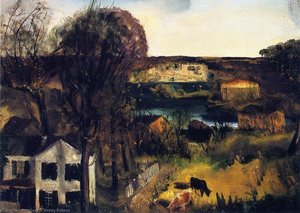
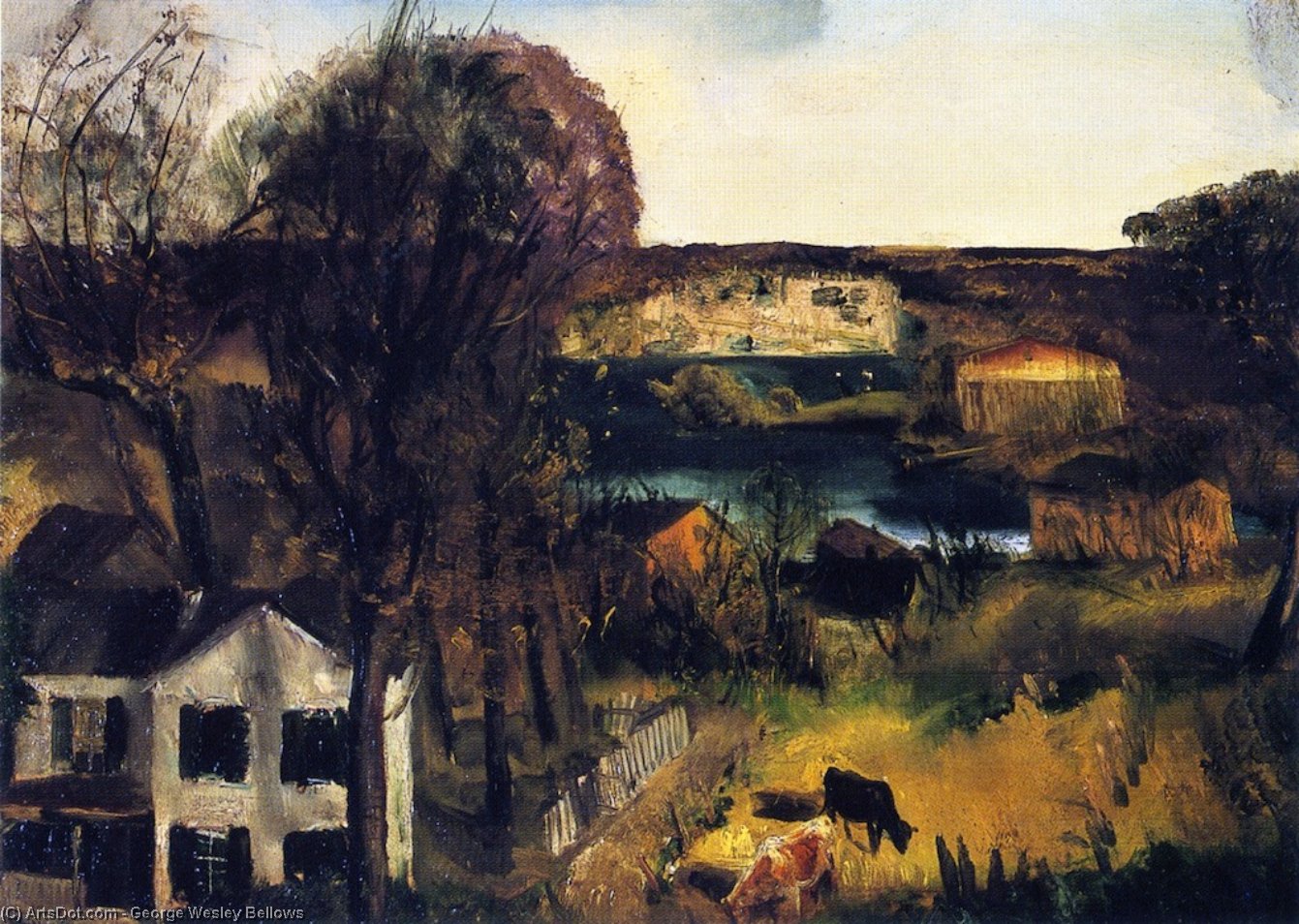
The Serene Majesty of George Bellows’ “Hudson at Saugerties”
George Wesley Bellows' "Hudson at Saugerties," painted in 1920, isn't merely a depiction of a river landscape; it’s a carefully constructed tableau of light, atmosphere, and the quiet dignity of rural life. Housed originally within the Columbia Museum of Art in Columbus, Ohio, this oil on canvas transports the viewer to the heart of the Hudson River Valley, capturing a fleeting moment of tranquility amidst the burgeoning energy of early 20th-century America. The painting’s enduring appeal lies not just in its technical brilliance but also in its ability to evoke a profound sense of peace and connection with nature – a feeling that continues to resonate deeply with viewers today.
A Study in Light and Brushstroke: Bellows’ Technique
Bellows was a master of capturing the ephemeral qualities of light, and “Hudson at Saugerties” is a testament to this skill. He employs a loose, expressive brushstroke – a hallmark of his Ashcan School style – that avoids rigid detail in favor of conveying mood and atmosphere. Notice how he uses broad sweeps of color to define the distant trees, creating an impressionistic haze that softens the edges of the landscape. The dappled sunlight filtering through the foliage is rendered with remarkable sensitivity, suggesting movement and depth without resorting to photographic realism. The artist’s layering technique – applying thin glazes over a dark underpainting – builds up rich textures and subtle color variations, adding to the painting's luminous quality. The composition itself is carefully balanced, drawing the eye across the scene from the foreground houses to the expansive river and distant hills.
Echoes of Rural Life: Symbolism and Context
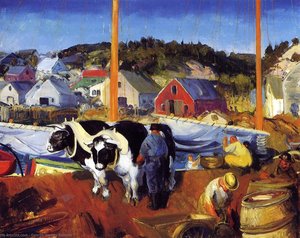
Beyond its purely aesthetic qualities, “Hudson at Saugerties” offers a glimpse into the social and cultural landscape of the time. The inclusion of two cows grazing peacefully in the foreground subtly anchors the scene to rural life – a counterpoint to the increasingly industrialized world of New York City. These animals represent a connection to the land, a reminder of simpler times, and perhaps even a commentary on the relationship between humanity and nature. The painting was created during a period of significant social change in America, as cities grew rapidly and traditional ways of life were challenged. Bellows’ work reflects this tension, capturing both the beauty and the anxieties of a nation undergoing transformation. The painting's setting, Saugerties, New York, further adds to its historical significance – a region renowned for its natural beauty and rich cultural heritage.
A Legacy of Impressionism: Reproduction and Beyond
Today, meticulously crafted reproductions of “Hudson at Saugerties” are available through platforms like ArtsDot.com, allowing art lovers to bring this iconic masterpiece into their homes or offices. These reproductions strive to faithfully recreate Bellows’ original vision, capturing not only the painting's visual elements but also its emotional resonance. The attention to detail – from the subtle variations in color to the expressive brushstrokes – ensures that each reproduction is a worthy tribute to one of America’s greatest artists. For those seeking to delve deeper into George Bellows’ life and work, we encourage you to visit the Columbia Museum of Art or explore resources like Wikipedia (linked above) for further insights. The painting remains a powerful reminder of the enduring beauty of the Hudson Valley and the artistic genius of George Wesley Bellows.
Related Artworks
Artist Biography
A Bold Vision of American Life: The World of George Bellows
George Wesley Bellows, a name synonymous with the raw energy and burgeoning modernity of early 20th-century America, emerged as a pivotal figure in realist painting. Born in Columbus, Ohio, on August 12 or 19, 1882, his journey from athletic promise to artistic renown is a testament to the power of passion and unwavering dedication. Even before formal schooling, young George displayed an innate talent for drawing, filling notebooks with sketches that hinted at the observant eye and burgeoning skill within. His upbringing wasn’t solely focused on art; he excelled in sports, playing both baseball and basketball at Ohio State University – a duality that would profoundly influence his artistic perspective, imbuing his work with a sense of dynamic movement and physicality. This athletic background instilled in him not only discipline but also an appreciation for the human form in action, a theme that would become central to his most celebrated paintings. He left university just before graduating, driven by an irresistible pull towards New York City and the promise of artistic training.Forging a Path: The Ashcan School and Beyond
Arriving in New York in 1904, Bellows quickly found mentorship under Robert Henri, a leading figure of the Ashcan School. This group of artists – including John Sloan, William Glackens, and George Luks – deliberately turned away from academic conventions, choosing instead to depict the gritty realities of urban life: crowded tenements, bustling streets, and the everyday struggles of working-class Americans. Bellows embraced this ethos wholeheartedly, initially mirroring Henri’s loose brushwork and commitment to social realism. However, he wasn't content merely to replicate his teacher’s style; he possessed an ambition to forge his own distinct artistic voice. He established a studio with fellow artist Edward Keefe in 1906, marking the beginning of a prolific period of experimentation and growth. His early works, like those exhibited in 1908, were met with mixed reactions – some critics found them crude, while others recognized their audacious boldness and innovative spirit. Bellows’s subject matter was often controversial for its time, challenging prevailing notions of what constituted “acceptable” art. He didn't shy away from portraying the less glamorous aspects of city life, capturing scenes of poverty, labor, and leisure with unflinching honesty.The Arena of Life: Boxing and Urban Spectacle
While Bellows’s oeuvre encompassed a wide range of subjects – portraits, landscapes, seascapes – he is perhaps best known for his powerful depictions of boxing matches. These weren't merely sporting events to him; they were microcosms of human drama, embodying themes of struggle, resilience, and the primal instincts that drive competition. He frequented smoky boxing clubs, meticulously studying the movements of fighters, the intensity of their gaze, and the raw energy of the crowd. Paintings like *Both Members of This Club* (1909) and *Stag at Sharkey’s* (1909) are masterful examples of his ability to capture this atmosphere, utilizing dramatic lighting, dynamic compositions, and a palpable sense of tension. The boxing scenes weren't simply about the sport itself; they were metaphors for life’s battles, reflecting the social Darwinism prevalent in American society at the time. Beyond boxing, Bellows also found inspiration in other spectacles of urban life – parades, circuses, and crowded streets – all offering opportunities to explore themes of movement, energy, and the collective experience.Evolving Style and Lasting Legacy
As Bellows matured as an artist, his style underwent a subtle but significant evolution. While he retained his commitment to realism, he began to move away from the loose brushwork of his early years, adopting a more stylized aesthetic characterized by smooth curves, monumental forms, and a heightened sense of drama. This shift is evident in later works like *Dempsey and Firpo* (1924), a monumental canvas that captures the climactic moment of a legendary boxing match with breathtaking intensity. He also experimented with lithography, producing a series of striking prints that showcased his mastery of line and tone. Despite achieving considerable success during his lifetime – including election to the National Academy of Design in 1913 – Bellows remained committed to pushing artistic boundaries and challenging conventional norms. His untimely death in 1925 at the age of 42 cut short a promising career, but his legacy endures as one of America’s most important realist painters. He left behind a body of work that continues to resonate with audiences today, offering a powerful and unflinching portrait of American life in the early 20th century – a world brimming with energy, conflict, and the enduring spirit of humanity. His influence can be seen in subsequent generations of artists who sought to capture the dynamism and complexity of modern urban experience. George Bellows wasn’t just painting pictures; he was documenting an era.Major Works & Recognition
- *Both Members of This Club* (1909) – A seminal work capturing the atmosphere of a boxing club.
- *Stag at Sharkey’s* (1909) – Another iconic depiction of a boxing match, renowned for its dramatic lighting and composition.
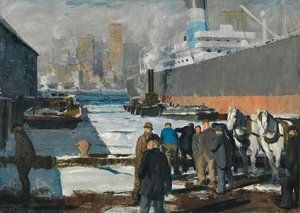
- *Men of the Docks* (1912) – A powerful portrayal of working-class laborers, showcasing Bellows's skill in capturing physicality and texture.
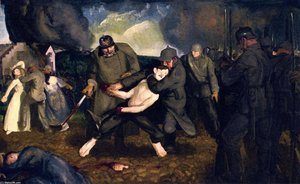
- *The Germans Arrive* (1918) – A series of lithographs depicting the atrocities committed during World War I, demonstrating his engagement with social and political issues.
- *Dempsey and Firpo* (1924) – A monumental canvas capturing a pivotal moment in boxing history, showcasing Bellows’s evolved style and mastery of composition.
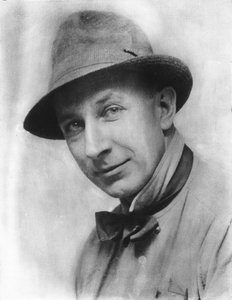
George Wesley Bellows
1882 - 1925 , United States of America
Quick Facts
- Artistic Movement Or Style: Ashcan School, Realism
- Artists Who Influenced This Artist: ['Robert Henri']
- Date Of Birth: 1882
- Date Of Death: 1925
- Full Name: George Wesley Bellows
- Nationality: American
- Notable Artworks:
- Central Park
- The Germans Arrive
- Men of the Docks
- Tennis Tournament
- Place Of Birth: Columbus, USA
Related Articles
Hudson River School: 10 Masterpieces That Capture America's Wild Beauty | ArtsDot
Journey through America's breathtaking landscapes with our guide to the Top 10 Hudson River School masterpieces. Explore Thomas Cole, Frederic Church & more! Find museum-quality art reproductions and elevate your home decor at ArtsDot.com.

Beyond the Horizon: 10 Landscape Masterpieces for Your Home Decor
Journey through 10 breathtaking landscape paintings by Monet, Van Gogh & more! Explore iconic artworks, artistic techniques & find inspiration for your home decor. Museum-quality reproductions at ArtsDot.com. Discover all masterpieces on ArtsDot.com

The Sublime Landscape: Exploring the Hudson River School Movement
Explore the captivating world of the Hudson River School! Discover the history, artists, and defining characteristics of this iconic American art movement. Learn about Romanticism's influence & find inspiration for your collection.

Robert Spencer: Luminism, Narrative & the American Landscape Tradition
Explore the captivating world of Luminism & the Hudson River School with our expert analysis. Discover the history, artists, and enduring beauty of 19th-century American landscape painting. Find museum-quality reproductions at ArtsDot.

Echoes of Arcadia: Nostalgia & Transformation in Vintage Landscape Art
Explore the evocative world of vintage landscape art! Discover the history, artists & emotional power behind masterpieces from the Hudson River School & beyond. Expert insights for collectors & enthusiasts.