 Preview
 Send
Send Share
Share
 Details

 Download
 Similars
 X-Ray
X-Ray Diaporama
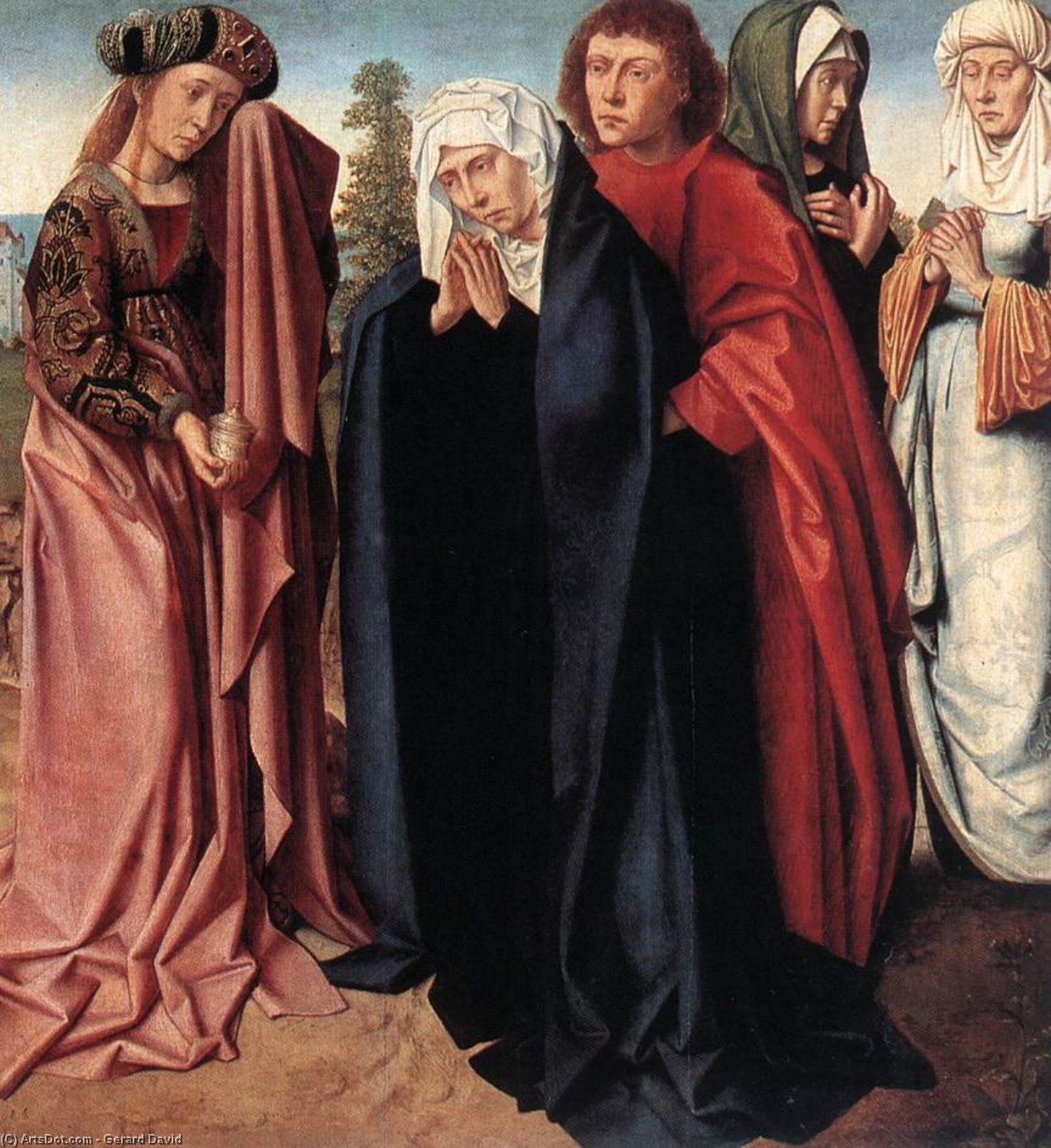
The Holy Women and St John at Golgotha
 Oil On Canvas
- WallArt
- Northern Renaissance
 1480
1480 45.0 x 42.0 cm
 Koninklijk Museum voor Schone Kunsten
 Read More
Hand Made Oil Reproduction
Hand-painted oil on canvas in your size and frame, made to order by our artists. ( Buy Print Buy Image)




P118B $10

P118H $10

P118W $10

P438Z $10

P508JH $12

P508YH $12

P805H $10

P805Z $10

P919BZ $10

P919G $10

P919XJ $10

P959ZH $10

P968JZ $12

W106C $8

W218G $10

W218JH $8

W218Y $10

W307PJ $10

W316G $10

W316PJ $8

W316Y $10

W398PJ $8

W4111J $10

W500HY $15

W500JH $15

W692G $12

W849H $8

W940BG $15

W953PJ $8




Pick from our preset sizes that match the artwork's original proportions.

You may enter your own dimensions to fit a specific frame or space. If your selected size does not match the original image's proportions, we will either crop the artwork or extend the painting with additional hand-painted elements. A digital mockup will be sent for your approval before production begins.
Please note that the on-screen preview does not reflect the actual cropping or extension. Only the mockup will accurately show the final composition.
While custom sizes are available, we recommend selecting a dimension from the predefined list to preserve the original proportions.
After order, ArtsDot.com team will email client for instructions and provide a mockup preview
Worldwide Delivery () in 3/4 weeks instead of standard 5 weeks. (16 August). No compromise on quality.

Free Worldwide Express Shipping

High-Quality Linen Canvas

Full Shipping Insurance

Customs Tax Refund Guarantee

True Color Matching Guarantee

60-Day Return Policy (Defects Only)

100% Money-Back Guarantee

Bulk Discount Offer
 Glass option is only available in size under 110 CM

The Holy Women and St John at Golgotha
Reproduction Medium
Reproduction Size
-


Total Price
$ 263
Artwork Description
The Profound Reverie of Golgotha: Gerard David’s “The Holy Women and St John at Golgotha”
Gerard David's "The Holy Women and St John at Golgotha," painted circa 1480-85, isn’t merely a depiction of a biblical scene; it’s an immersion into a profound emotional landscape. This masterpiece, housed within the Royal Museum of Fine Arts in Antwerp, transcends simple religious illustration, offering a glimpse into the anxieties and spiritual yearning of the late Northern Renaissance. David, a master whose life remains shrouded in intriguing mystery – a deliberate artist's choice perhaps – eschews overt grandeur for a deeply human portrayal of grief, contemplation, and nascent faith.
The painting immediately draws the eye with its masterful use of light and shadow, characteristic of what’s known as Flemish Light. David employs a subtle, almost ethereal illumination that doesn’t simply illuminate the figures but seems to emanate from within them. This isn't the bright, optimistic light of Italian Renaissance art; instead, it’s a muted, melancholic glow, perfectly mirroring the somber atmosphere of Golgotha. The composition is carefully orchestrated: the women, draped in dark, flowing robes, form a central group clustered around the foot of the cross, their faces etched with sorrow and quiet reverence. The two men observing from afar – one on the left, another on the right – represent the wider world, distanced yet bearing witness to this pivotal moment. A small book rests near the upper-right corner, a potent symbol of scripture and the unfolding narrative of salvation.
A Tapestry of Symbolism and Flemish Tradition
David’s genius lies not just in his technical skill but also in his ability to imbue every element with symbolic weight. The women themselves are often interpreted as representing Mary, Elizabeth, and Anna – figures from the Old Testament prophesying the coming of Christ. Their postures—leaning forward, hands clasped together—express a shared grief and an intense desire for connection with the divine. The cross itself is not depicted in its entirety; instead, it’s partially obscured, suggesting both the physical suffering endured by Jesus and the spiritual darkness that envelops humanity. The presence of the two men adds another layer of complexity. They are likely representing Pontius Pilate and a Roman centurion, figures who witnessed Christ's crucifixion but remained ambivalent to his fate. Their detached observation underscores the indifference of worldly power to the profound mysteries of faith.
The painting is firmly rooted in Flemish artistic tradition, particularly the influence of Jan van Eyck. David’s meticulous attention to detail—the folds of the women’s robes, the texture of their garments, the subtle variations in skin tone—demonstrates a commitment to realism that was unparalleled at the time. Furthermore, the use of oil paint allowed for layering and blending techniques that created an astonishingly luminous effect, capturing the nuances of light and shadow with remarkable precision. The background is deliberately vague, focusing attention on the central figures and their emotional experience.
The Heart of a Renaissance Master
“The Holy Women and St John at Golgotha” offers more than just a visual representation of a biblical event; it’s a meditation on human suffering, faith, and redemption. David masterfully captures the psychological intensity of this scene, conveying not only the physical pain of Christ's crucifixion but also the emotional turmoil experienced by those who witnessed it. The painting resonates with a quiet dignity and profound empathy, inviting viewers to contemplate their own relationship with faith and mortality.
The work’s enduring appeal lies in its ability to transcend time and culture. It speaks to universal themes of loss, hope, and the search for meaning—qualities that continue to captivate audiences centuries after its creation. Gerard David's legacy rests not just on his technical brilliance but also on his profound understanding of the human spirit, a quality powerfully expressed in this unforgettable depiction of Golgotha.
Further Exploration & Resources
- Original Artwork Location: Royal Museum of Fine Arts, Antwerp
- Website: WGA - Gerard David
- WikiArt: WikiArt - The Holy Women and St John at Golgotha
- Wikipedia: Wikipedia - Gerard David
Related Artworks
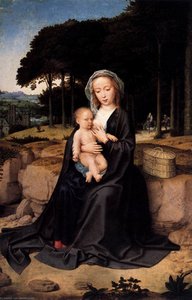
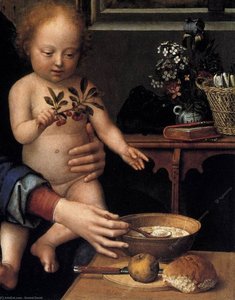
Artist Biography
A Master of Flemish Light: The Enigmatic World of Gerard David
Gerard David, a name that resonates with the brilliance of early Netherlandish painting, remains an artist shrouded in intriguing mystery. Born around 1460 in Oudewater, Netherlands, his life story is pieced together from fragmented archival records and the eloquent testimony of his art. Unlike some contemporaries whose lives are richly documented, David’s personal narrative is sparse, allowing his paintings to speak volumes where biographical details fall silent. What is known suggests a remarkably successful career, likely managing workshops in both Antwerp and Bruges – centers of artistic innovation during the Renaissance. His reputation experienced an ebb in the 17th century, only to be gloriously resurrected by 19th-century art historians who recognized his unique contributions to the Northern Renaissance. He was inducted as a free master into the Corporation of Imagemakers and Saddlers in Bruges in 1484, marking a pivotal moment in his ascent. His later involvement with the Antwerp guild in 1515 further solidifies his standing within the artistic community.Formative Influences and Artistic Development
David’s artistic journey began under influences that shaped the very foundation of his style. Early works reveal a clear debt to painters like Jacob Janszoon, Dieric Bouts, and Geertgen tot Sint Jans – masters who instilled in him a meticulous attention to detail and a sensitivity to religious narrative. It is believed he spent time in Haarlem absorbing these lessons before relocating to Bruges, a vibrant hub of artistic exchange attracting talent from across Europe. Here, David encountered the masterpieces of Jan van Eyck, Rogier van der Weyden, and Hans Memling, absorbing their techniques while forging his own distinct path. He didn't merely imitate; he synthesized these influences into something uniquely his own – a style characterized by luminous color, serene compositions, and an increasingly sophisticated understanding of landscape. His early paintings demonstrate this evolution, moving from the doll-like figures reminiscent of Haarlem traditions towards more sculptural forms grounded in their environment. This transition is visible in works like *Christ Nailed to the Cross*, where the influence of Bouts’ spatial construction blends with David's emerging coloristic sensibility.Innovation in Landscape and Religious Narrative
Gerard David’s artistic signature lies in his innovative approach to both landscape and religious subject matter. He wasn't simply depicting backgrounds; he was creating immersive environments that enhanced the emotional resonance of his scenes. His landscapes are not merely decorative, but integral components of the narrative, often imbued with symbolic meaning. This fascination with natural settings – dense forests, rolling hills, expansive skies – set him apart from many of his contemporaries and foreshadowed the development of landscape painting as an independent genre. Consider *View in a Forest*, outer wing of a triptych; it’s not simply a backdrop but a world unto itself, rendered with meticulous detail and atmospheric perspective. Within his religious works, David demonstrated a remarkable ability to convey both profound spirituality and human emotion. Paintings like *The Marriage of St. Catherine* exemplify this skill. The scene is rendered with exquisite detail, yet it's the subtle expressions on the figures' faces – their piety, contemplation, or gentle joy – that truly captivate the viewer. He possessed a gift for imbuing his sacred subjects with a sense of quiet dignity and relatable humanity. The *Triptych of the Madonna Enthroned and Saints* in Genoa showcases this mastery, presenting a harmonious composition filled with vibrant color and delicate detail. His *Virgin Among the Virgins*, donated to the Carmelite nuns of Sion at Bruges, is another testament to his skill, featuring a self-portrait within the painting itself – a rare and intimate gesture from an artist of his time.Legacy and Enduring Influence
Though his fame waned for a period after his death in 1523, Gerard David’s influence on subsequent generations of artists is undeniable. His innovative use of color, his masterful handling of light and shadow, and his pioneering approach to landscape all left an indelible mark on the development of Flemish painting. He paved the way for artists who would further explore the expressive potential of natural settings, such as Jacob Patinir and Jacob van Ruisdael.- A Bridge Between Traditions: David successfully bridged the gap between the late medieval tradition and the emerging Renaissance style.
- Influence on Landscape Painting: His detailed and atmospheric landscapes foreshadowed the development of landscape as a distinct genre.
- Masterful Colorist: He was renowned for his vibrant palette and skillful use of color to create emotional impact.
Exploring Further
- ArtsDot.com: Discover an extensive collection of Gerard David’s paintings, including *The Adoration of the Magi*.
- View in a Forest: Explore this stunning Northern Renaissance landscape painting.
- The Early Netherlandish Art Movement: Delve deeper into the artistic context of David’s work.
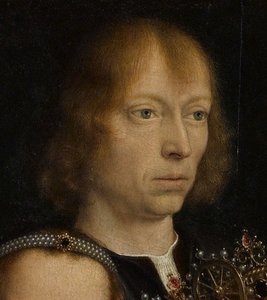
Gerard David
1450 - 1523 , Netherlands
Quick Facts
- Artistic Movement Or Style: Early Netherlandish painting
- Artists Or Movements Influenced By This Artist:
- Jacob Patinir
- Jacob van Ruisdael
- Artists Who Influenced This Artist:
- Jacob Janszoon
- Dieric Bouts
- Geertgen tot Sint Jans
- Jan van Eyck
- Rogier van der Weyden
- Hans Memling
- Date Of Birth: c. 1460
- Date Of Death: 1523
- Full Name: Gerard David
- Nationality: Netherlandish
- Notable Artworks:
- The Marriage of St. Catherine
- Triptych of the Madonna Enthroned
- Virgin Among the Virgins
- View in a Forest
- Place Of Birth: Oudewater, Netherlands
Related Articles
Gerard David: Bridging Late Medieval Tradition with Early Renaissance Humanism
Explore the captivating world of Gerard David, a pivotal figure bridging late medieval artistry with the Early Renaissance. Discover his innovative techniques, religious masterpieces, and enduring legacy – a must-read for discerning art collectors.

The Enduring Legacy of Oil on Canvas: Technique, History & Aesthetic Impact
Explore the rich history & techniques of oil painting – from Renaissance masters to Impressionism. Discover pigments, layering methods, and why this timeless medium endures. Expert insights for artists & art enthusiasts.

Oil on Canvas: A Historical & Technical Exploration of a Timeless Artistic Medium
Explore the rich history & enduring techniques of oil painting on canvas. Discover the science behind its longevity, conservation practices, and contemporary relevance. Expert insights for art enthusiasts.

The Enduring Power of Painting: A Historical & Contemporary Exploration of Form and Emotion
Explore the rich history & enduring techniques of oil painting with ArtsDot. Discover masterpieces, learn about art collecting, and find authentic handmade reproductions crafted by skilled artists.
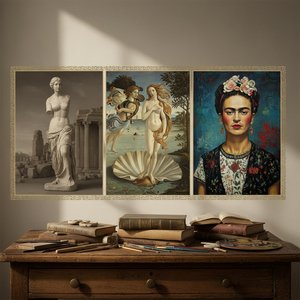
The Enduring Muse: Women as Subject & Symbol in Art History
Explore the rich history of women in art – from iconic muses to groundbreaking artists. Discover feminist movements, global perspectives & reclaim female narratives with ArtsDot.