 Preview
 Send
Send Share
Share
 Details

 Download
 Similars
 X-Ray
X-Ray Diaporama
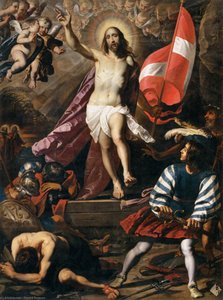
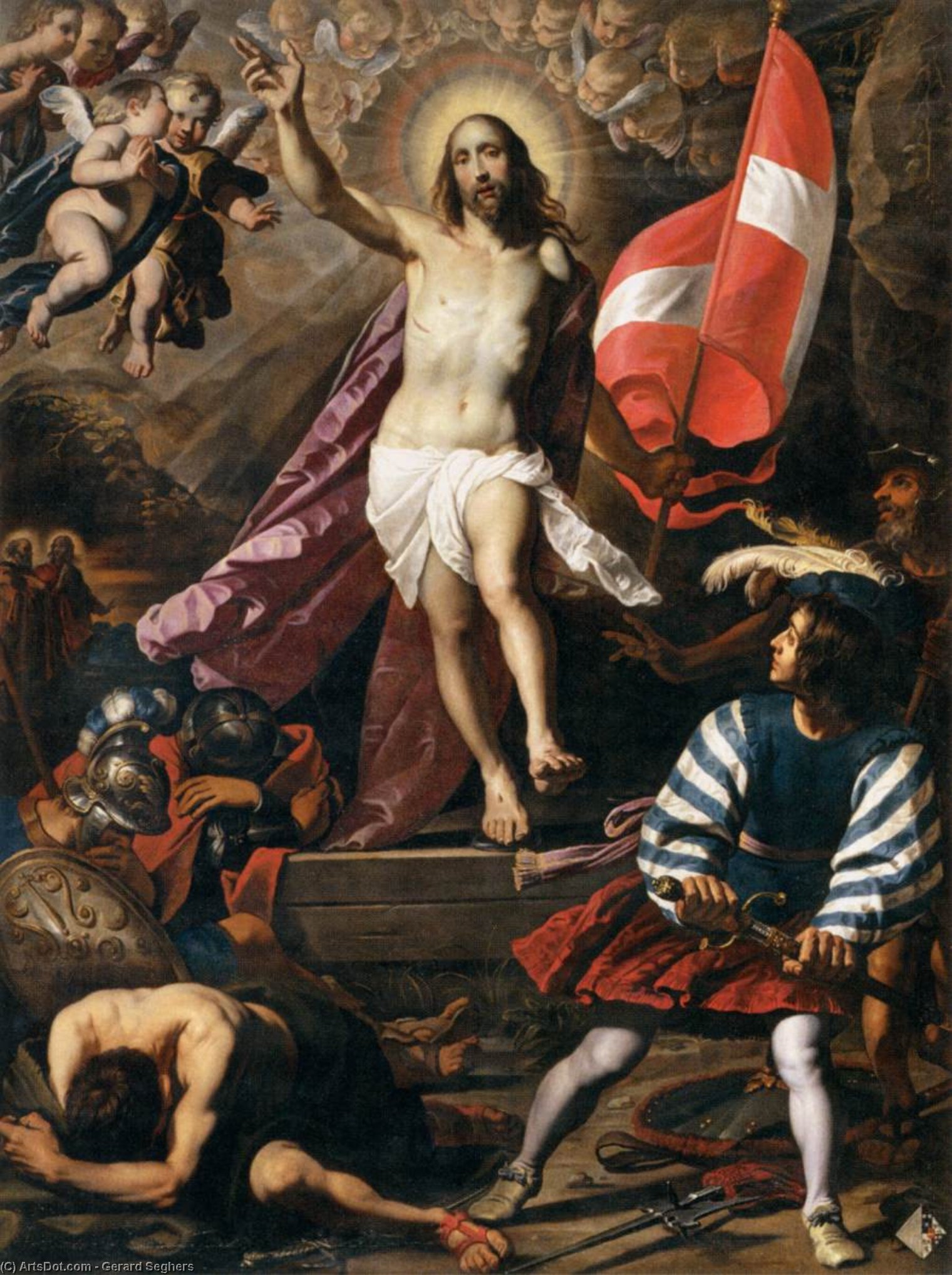
Resurrection of Christ
 Oil On Canvas
- WallArt
- Baroque
 1620
1620 324.0 x 240.0 cm
 The Louvre
 Read More
Hand Made Oil Reproduction
Hand-painted oil on canvas in your size and frame, made to order by our artists. ( Buy Print Buy Image)




P118B $10

P118H $10

P118W $10

P438Z $10

P508JH $12

P508YH $12

P805H $10

P805Z $10

P919BZ $10

P919G $10

P919XJ $10

P959ZH $10

P968JZ $12

W106C $8

W218G $10

W218JH $8

W218Y $10

W307PJ $10

W316G $10

W316PJ $8

W316Y $10

W398PJ $8

W4111J $10

W500HY $15

W500JH $15

W692G $12

W849H $8

W940BG $15

W953PJ $8




Pick from our preset sizes that match the artwork's original proportions.

You may enter your own dimensions to fit a specific frame or space. If your selected size does not match the original image's proportions, we will either crop the artwork or extend the painting with additional hand-painted elements. A digital mockup will be sent for your approval before production begins.
Please note that the on-screen preview does not reflect the actual cropping or extension. Only the mockup will accurately show the final composition.
While custom sizes are available, we recommend selecting a dimension from the predefined list to preserve the original proportions.
After order, ArtsDot.com team will email client for instructions and provide a mockup preview
Worldwide Delivery () in 3/4 weeks instead of standard 5 weeks. (17 August). No compromise on quality.

Free Worldwide Express Shipping

High-Quality Linen Canvas

Full Shipping Insurance

Customs Tax Refund Guarantee

True Color Matching Guarantee

60-Day Return Policy (Defects Only)

100% Money-Back Guarantee

Bulk Discount Offer
 Glass option is only available in size under 110 CM

Resurrection of Christ
Reproduction Medium
Reproduction Size
-


Total Price
$ 263
Artwork Description
The Resurrection of Christ – A Baroque Masterpiece by Gerard Seghers
Gerard Seghers’s “Resurrection of Christ,” painted around 1620, is not merely a depiction of a biblical event; it's a visceral embodiment of faith and hope rendered in the dramatic chiaroscuro characteristic of the Caravaggisti movement. This monumental work, now housed within the Louvre Museum in Paris, transcends its religious subject matter to become a profound exploration of human experience – the triumph over death, the promise of eternal life, and the sheer power of divine intervention. Seghers, born in Antwerp in 1591 and tragically passing away in 1651, skillfully bridged the transition between the High Renaissance and the burgeoning Baroque era, inheriting and adapting the stylistic innovations of Michelangelo Merisi da Caravaggio while forging his own distinct artistic identity.
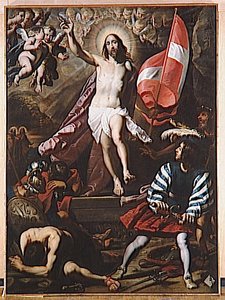
The painting immediately commands attention with its dynamic composition. At the center, Christ’s body, rendered in meticulous detail, is dramatically lifted from the stone tomb by a multitude of angels – not idealized figures of serene beauty, but powerful, muscular beings radiating an almost overwhelming energy. The scene unfolds within a richly textured interior, illuminated by a single, intensely focused light source that casts deep shadows and highlights the contours of the figures with startling realism. This masterful use of light and shadow, a hallmark of Caravaggio’s style, creates a theatrical atmosphere, drawing the viewer directly into the heart of the event.
A Caravaggisti Vision: Technique and Style
Seghers's artistic approach is deeply rooted in the principles of Caravaggism. He meticulously studied and emulated Caravaggio’s techniques – particularly his use of *tenebrismo*, a dramatic contrast between light and dark, and his preference for realistic depictions of human anatomy. The figures are not idealized; they possess a palpable physicality, their muscles strained with exertion as they bear the weight of Christ's ascent. The artist employs a loose, expressive brushstroke, contributing to the painting’s sense of immediacy and movement. Notice the subtle variations in color – the deep reds of the drapery, the earthy tones of the tombstone, and the luminous whites of the angels’ garments – all carefully orchestrated to heighten the emotional impact.
Symbolism and Narrative Depth
Beyond its immediate depiction of the resurrection, “Resurrection of Christ” is laden with symbolic meaning. The flag prominently displayed on the right side of the painting represents victory over death and the triumph of Christianity. The sword near Jesus’s feet symbolizes divine justice and the sacrifice he made for humanity's salvation. The kneeling figure at the base of the scene, often interpreted as a witness to this miraculous event, underscores the profound significance of Christ’s resurrection for all believers. Even the architectural details – the rough-hewn stone of the tomb, the simple yet sturdy construction – contribute to the painting’s narrative depth, grounding the divine in the earthly realm.
Historical Context and Artistic Legacy
Created during a period of intense religious fervor and artistic experimentation, “Resurrection of Christ” reflects the broader cultural landscape of 17th-century Flanders. The rise of Protestantism had fueled a renewed interest in biblical themes, while the influence of Caravaggio’s dramatic style spread rapidly throughout Europe. Seghers's work stands as a pivotal example of this artistic movement, demonstrating his ability to synthesize Caravaggio’s innovations with his own unique vision. His legacy extends beyond this single masterpiece; he was also a successful art dealer and collector, actively shaping the artistic climate of Antwerp and contributing significantly to the development of Flemish Baroque painting.
A Timeless Testament: Emotional Impact
Ultimately, “Resurrection of Christ” is more than just a historical or stylistic artifact. It’s an emotionally resonant work that continues to captivate viewers centuries after its creation. The sheer drama of the scene – the struggle, the triumph, the promise of eternal life – evokes a powerful sense of awe and wonder. Whether viewed as a religious icon or simply as a stunning example of Baroque artistry, this painting remains a testament to the enduring power of faith, hope, and the transformative potential of art.
Related Artworks

Artist Biography
Gerard Seghers: A Caravaggisti Pioneer of Flanders
Gerard Seghers, born in Antwerp in 1591 and tragically passing away in 1651, stands as a pivotal figure bridging the dynamic transition between the High Renaissance and the Baroque periods within Flemish art. More than simply a painter, he was an astute art collector, shrewd dealer, and a key representative of the Caravaggisti movement – artists deeply influenced by the dramatic style pioneered by Michelangelo Merisi da Caravaggio. His journey took him from the relative stability of Antwerp to the vibrant, challenging environment of Rome and Spain, ultimately shaping his distinctive artistic voice and leaving behind a legacy of powerful religious scenes, evocative genre paintings, and monumental altarpieces that continue to captivate viewers today.Early Life and Artistic Training
Seghers’s early life remains shrouded in some mystery, though we know he was the son of an innkeeper, Jan Seghers, and Ida de Neve. Remarkably, there's little evidence suggesting a direct familial connection to Daniel Seghers, the renowned Jesuit painter specializing in still lifes – a distinction that adds another layer of intrigue to his story. At the tender age of twelve, he enrolled as a pupil within the prestigious Guild of Saint Luke in Antwerp, an institution crucial for training aspiring artists. The identity of his initial teacher remains uncertain, with speculation pointing towards figures like Abraham Janssens, Hendrick van Balen, or Caspar de Crayer (the father of Gaspar de Crayer). This early period was foundational, providing him with the technical skills and artistic principles necessary to embark on his ambitious career.Rome and the Caravaggisti Influence
In 1608, at just seventeen years old, Seghers achieved master status within the Antwerp Guild, a remarkable accomplishment for someone so young. However, his true artistic development began with a pivotal journey to Italy around 1611. This period in Rome proved transformative, exposing him directly to the fervent followers of Caravaggio – artists who had themselves been deeply affected by the revolutionary style of the Italian master. Among these disciples was Bartolomeo Manfredi, whose dramatic use of light and shadow profoundly impacted Seghers’s early work. He immersed himself in their techniques, studying their compositions and absorbing their intense emotionalism. He also encountered other prominent Caravaggisti residing in Rome, including Gerard van Honthorst, Dirck van Baburen, and Jan Janssens, broadening his artistic horizons and solidifying his commitment to the Caravagist aesthetic.Return to Flanders and a Shift in Style
Returning to Antwerp around 1620, Seghers initially continued to produce works firmly rooted in the Caravaggisti style – characterized by tenebrism (extreme contrasts between light and dark), dynamic compositions, and a focus on realistic depictions of human emotion. However, as his career progressed, he gradually moved away from this purely Caravagist approach. He began to incorporate elements of Peter Paul Rubens’s distinctive style—a master painter who had profoundly influenced the artistic landscape of Antwerp—resulting in a more refined and polished aesthetic. This shift is particularly evident in his later altarpieces for local churches, where he created monumental works imbued with grandeur and emotional depth while retaining a sense of dramatic realism.Major Works and Legacy
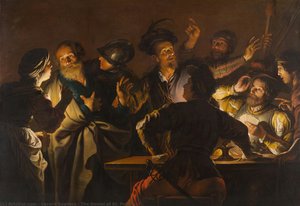
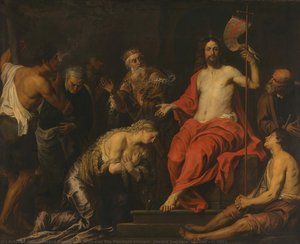
Seghers’s artistic output spanned a diverse range of subjects. His paintings are renowned for their powerful depictions of religious scenes, such as “Christ and the Penitent Sinners” (c. 1640-1651), which vividly portrays the suffering of Christ alongside his followers, showcasing his mastery of dramatic lighting and emotional intensity. “The Denial of St. Peter” exemplifies his ability to capture intense human drama through carefully rendered figures and a masterful use of chiaroscuro. “Saint Eloi au pied de la Vierge” demonstrates his skill in portraying religious iconography with both spiritual depth and artistic beauty. Beyond these iconic works, Seghers produced numerous genre scenes—depictions of everyday life—and contributed significantly to the decoration of important civic events, including the lavish celebrations surrounding Cardinal-Infante Ferdinand’s entry into Ghent in 1635. His legacy extends beyond his individual paintings; he was a respected art dealer and collector, contributing to the vibrant artistic culture of Antwerp during a period of significant change. Gerard Seghers remains a compelling figure—a testament to the dynamic interplay between artistic influences, personal evolution, and the enduring power of Baroque painting.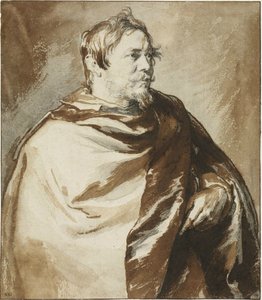
Gerard Seghers
1591 - 1651 , Belgium
Quick Facts
- Artistic Movement Or Style: Caravaggisti, Baroque
- Artists Or Movements Influenced By This Artist:
- Rubens
- Dutch Caravaggisti
- Artists Who Influenced This Artist:
- Bartolomeo Manfredi
- Caravaggio
- Date Of Birth: 1591 Antwerp, Belgium
- Date Of Death: 1651 Antwerp, Belgium
- Full Name: Gerard Seghers
- Nationality: Flemish
- Notable Artworks:
- Christ and Penitent Sinners
- The Denial of St. Peter
- Saint Eloi au pied de la Vierge
- Place Of Birth: Antwerp, Belgium
Related Articles

The Visceral Stage: Exploring Dramatic Narratives & Emotional Intensity in Baroque Art
Explore the dramatic world of Baroque art! Discover iconic masters like Caravaggio & Rembrandt, their techniques, and the movement's lasting impact. Expert insights for collectors & enthusiasts at ArtsDot.

The Dramatic Flourish: Exploring the Baroque Movement's Enduring Legacy in Art History
Explore the dramatic world of Baroque art! Discover iconic artists like Caravaggio & Rubens, defining techniques, and its lasting impact on art history. Expert insights for collectors & enthusiasts at ArtsDot.

Baroque Drama: Bringing Opulence & Emotion into Contemporary Interiors
Explore the opulent world of Baroque interior design! Discover key elements, modern applications & how to bring dramatic elegance into your home with 's authentic reproductions.

Baroque Masterpieces: 10 Paintings That Defined an Era |
Journey through the drama & grandeur of Baroque art! Explore 10 masterpieces by Caravaggio, Rembrandt, Rubens & more. Discover stunning oil paintings, rich colors & timeless stories. Find museum-quality reproductions at .
Baroque Classicism: Reconciling Drama & Order in 17th-Century Art
Explore the captivating world of Baroque Classicism! Discover its history, key artists like Caravaggio & Rubens, and defining characteristics. Expert insights & high-quality reproductions at ArtsDot.