 Preview
 Send
Send Share
Share
 Details

 Download
 Similars
 X-Ray
X-Ray Diaporama
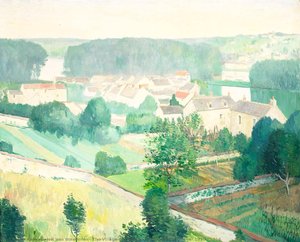
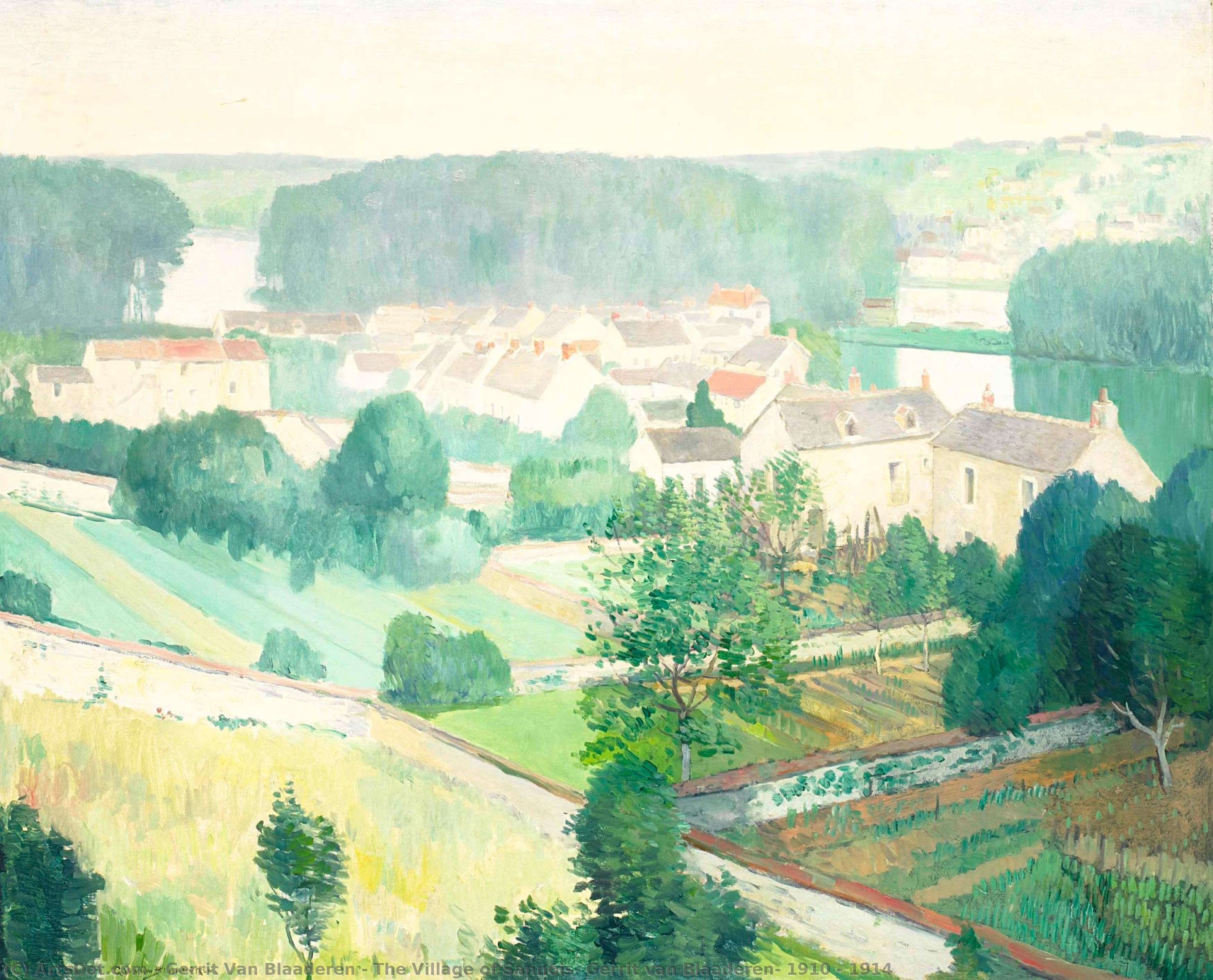
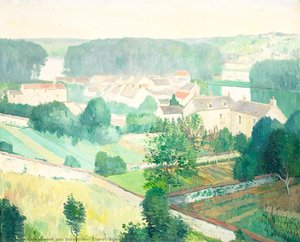
The Village of Sannois, Gerrit van Blaaderen, 1910 - 1914
 Impressionism
 1914
1914 85.0 x 104.0 cm
 Read More
Hand Made Oil Reproduction
Hand-painted oil on canvas in your size and frame, made to order by our artists. ( Buy Print Buy Image)




































Pick from our preset sizes that match the artwork's original proportions.

You may enter your own dimensions to fit a specific frame or space. If your selected size does not match the original image's proportions, we will either crop the artwork or extend the painting with additional hand-painted elements. A digital mockup will be sent for your approval before production begins.
Please note that the on-screen preview does not reflect the actual cropping or extension. Only the mockup will accurately show the final composition.
While custom sizes are available, we recommend selecting a dimension from the predefined list to preserve the original proportions.
After order, ArtsDot.com team will email client for instructions and provide a mockup preview
Worldwide Delivery () in 3/4 weeks instead of standard 5 weeks. (2 September). No compromise on quality.

Free Worldwide Express Shipping

High-Quality Linen Canvas

Full Shipping Insurance

Customs Tax Refund Guarantee

True Color Matching Guarantee

60-Day Return Policy (Defects Only)

100% Money-Back Guarantee

Bulk Discount Offer
 Glass option is only available in size under 110 CM

The Village of Sannois, Gerrit van Blaaderen, 1910 - 1914
Reproduction Medium
Reproduction Size
-


Total Price
$ 263
Related Artworks
Artist Biography
A Quiet Observer of Rural Life: Gerrit Van Blaaderen
Gerrit van Blaaderen remains a somewhat enigmatic figure in the landscape of early 20th-century art, yet his delicate watercolors offer a poignant glimpse into a disappearing world. While biographical details are scarce, what *is* known reveals an artist deeply attuned to the subtle beauty of the Dutch countryside and a master of capturing fleeting moments of light and atmosphere. He wasn’t a painter of grand historical narratives or bold experimentation; instead, Van Blaaderen found his subject matter in the everyday—the quiet villages, rolling fields, and gentle waterways that characterized the region surrounding Sannois, France, where he spent much of his artistic life. His work resonates with a sense of peaceful contemplation, inviting viewers to share in his appreciation for the simple rhythms of nature.Early Influences and Artistic Development
Van Blaaderen’s artistic journey likely began within the traditions of Dutch Impressionism, though he developed a distinctly personal style that moved beyond mere replication of light effects. The influence of artists like Johan Jongkind is palpable in his early works—a shared sensitivity to atmospheric perspective and a preference for muted color palettes. However, Van Blaaderen eschewed the more dynamic brushwork often associated with Impressionism, opting instead for a smoother, more controlled technique that allowed him to render intricate details with remarkable precision. His watercolors possess a luminosity achieved through layering washes of color, creating a sense of depth and transparency that is both captivating and serene. He wasn’t interested in capturing the *energy* of a scene so much as its inherent stillness—the quiet dignity of rural life unfolding at its own pace.The Village of Sannois: A Recurring Motif
“The Village of Sannois,” painted between 1910 and 1914, stands as perhaps Van Blaaderen’s most celebrated work. This watercolor is not simply a depiction of a place; it's an evocation of a feeling—a sense of belonging, tranquility, and the enduring power of nature. The composition is deceptively simple: a cluster of houses nestled amongst trees, bathed in the soft light of a late afternoon sun. Yet, within this simplicity lies a remarkable depth of observation. Van Blaaderen meticulously renders the textures of weathered wood, the delicate foliage of the trees, and the subtle variations in color that define the landscape. The painting’s enduring appeal stems from its ability to transport viewers to another time and place—a world untouched by the anxieties of modernity. It's a testament to his skill as a watercolorist and his profound connection to the natural world.Technique and Artistic Style
Van Blaaderen’s mastery of watercolor is undeniable. He employed a technique characterized by delicate layering, subtle gradations of color, and an exceptional attention to detail. Unlike many Impressionists who worked *en plein air* with rapid brushstrokes, Van Blaaderen appears to have favored a more deliberate approach, likely working from sketches made on location and completing his paintings in the studio. This allowed him to refine his compositions and achieve a level of precision that is rarely seen in watercolor painting. His color palette is typically restrained—muted greens, browns, and grays dominate his work, punctuated by occasional touches of warmer hues. This understated approach contributes to the overall sense of tranquility and harmony that characterizes his paintings. He wasn’t interested in dazzling displays of virtuosity; instead, he sought to create works that were both visually appealing and emotionally resonant.Historical Significance and Legacy
While Van Blaaderen may not be a household name, his work holds an important place within the broader context of early 20th-century art. He represents a quieter strand of Impressionism—one that prioritized observation, contemplation, and the celebration of everyday life. His paintings offer a valuable glimpse into a disappearing world—a rural landscape on the cusp of modernization. Though he didn’t actively seek fame or recognition, his work continues to captivate audiences with its serene beauty and remarkable technical skill.- His dedication to capturing the essence of the Dutch countryside.
- The delicate layering technique in his watercolors.
- The evocative atmosphere he creates in his paintings.
Quick Facts
- Artistic Movement Or Style: Impressionism
- Date Of Death: Living
- Full Name: Gerrit Van Blaaderen
- Notable Artworks: ['The Village of Sannois']
Related Articles

Watercolor Wonders: 10 Masterpieces That Redefined Art History | ArtsDot
Journey through 10 legendary watercolor masterpieces by Sargent, Turner & Homer! Explore iconic landscapes, portraits & floral art that redefined history. Find museum-quality reproductions and curated decor ideas at ArtsDot.com.

Ephemeral Visions: Exploring the Artistic Legacy & Contemporary Practice of Watercolor Painting
Explore the captivating world of watercolor painting! Discover its rich history, essential techniques, influential artists & collecting tips. A comprehensive guide for art enthusiasts from ArtsDot.
Impressionist Landscapes: 10 Masterpieces for Your Home | ArtsDot
Journey through 10 iconic Impressionist landscapes by Monet, Renoir & Degas. Explore the history, techniques & emotions behind these masterpieces. Find museum-quality reproductions for your home at ArtsDot.com – where art comes to life! Discover all masterpieces on ArtsDot.com

Ephemeral Visions: Exploring the History & Emotional Resonance of Watercolor Painting
Explore the captivating history of watercolor painting, from ancient techniques to modern masters like Kandinsky & Blake. Discover essential artists, collecting tips & the emotional power of this luminous medium. Expert insights for art enthusiasts.
Ephemeral Visions: Exploring the Artistic Legacy & Nuances of Watercolor Painting
Explore the captivating world of watercolor painting! Discover its rich history, essential techniques, influential artists & collecting tips from art experts. A comprehensive guide for enthusiasts.