 Preview
 Send
Send Share
Share
 Details

 Download
 Similars
 X-Ray
X-Ray Diaporama
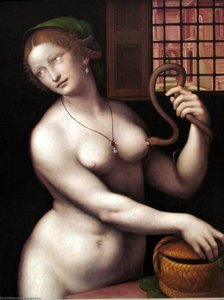
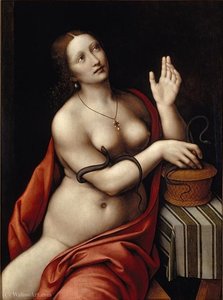
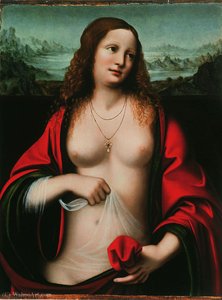
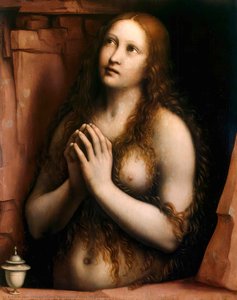
Repentant Mary Magdalene
 Oil On Panel
- Renaissance
 49.0 x 39.0 cm
 Hermitage Museum
 Read More
Hand Made Oil Reproduction
Hand-painted oil on canvas in your size and frame, made to order by our artists. ( Buy Print Buy Image)




P118B $10

P118H $10

P118W $10

P438Z $10

P508JH $12

P508YH $12

P805H $10

P805Z $10

P919BZ $10

P919G $10

P919XJ $10

P959ZH $10

P968JZ $12

W106C $8

W218G $10

W218JH $8

W218Y $10

W307PJ $10

W316G $10

W316PJ $8

W316Y $10

W398PJ $8

W4111J $10

W500HY $15

W500JH $15

W692G $12

W849H $8

W940BG $15

W953PJ $8




Pick from our preset sizes that match the artwork's original proportions.

You may enter your own dimensions to fit a specific frame or space. If your selected size does not match the original image's proportions, we will either crop the artwork or extend the painting with additional hand-painted elements. A digital mockup will be sent for your approval before production begins.
Please note that the on-screen preview does not reflect the actual cropping or extension. Only the mockup will accurately show the final composition.
While custom sizes are available, we recommend selecting a dimension from the predefined list to preserve the original proportions.
After order, ArtsDot.com team will email client for instructions and provide a mockup preview
Worldwide Delivery () in 3/4 weeks instead of standard 5 weeks. (17 August). No compromise on quality.

Free Worldwide Express Shipping

High-Quality Linen Canvas

Full Shipping Insurance

Customs Tax Refund Guarantee

True Color Matching Guarantee

60-Day Return Policy (Defects Only)

100% Money-Back Guarantee

Bulk Discount Offer
 Glass option is only available in size under 110 CM

Repentant Mary Magdalene
Reproduction Medium
Reproduction Size
-


Total Price
$ 263
Artwork Description
The Profound Sorrow of Repentance: Giampietrino’s “Repentant Mary Magdalene”
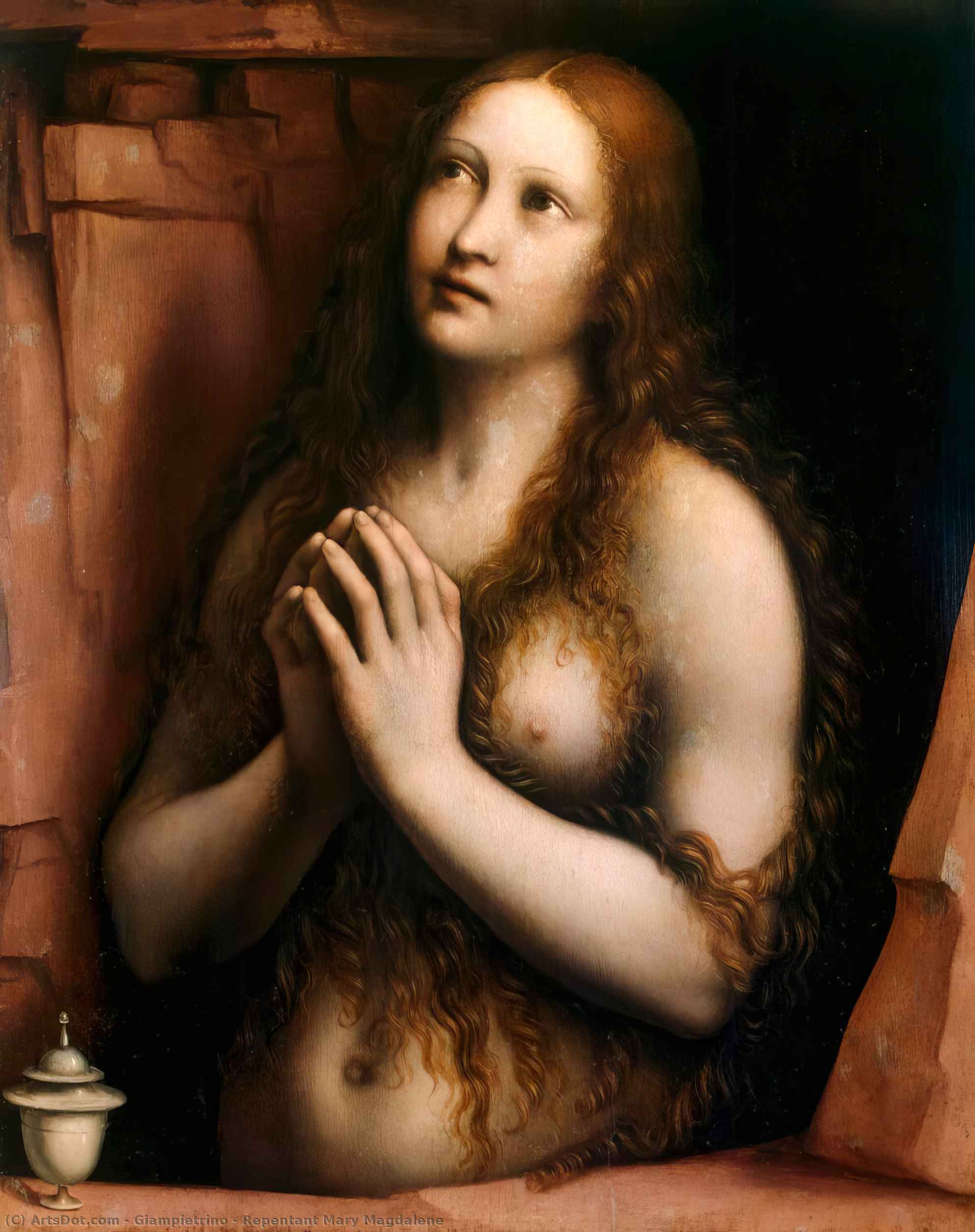
Giampietrino's "Repentant Mary Magdalene," a captivating oil on panel painting housed within the venerable halls of The Hermitage Museum in St. Petersburg, transcends mere portraiture; it is a profound meditation on remorse, faith, and the enduring power of redemption. Completed around 1530 during Giampietrino’s prolific period working alongside Leonardo da Vinci, this work stands as a testament to both the artist's technical skill and his ability to imbue a biblical scene with palpable emotional depth. The painting immediately draws the viewer in with its somber palette – deep browns, muted blues, and shadowed greens—creating an atmosphere of quiet introspection and spiritual contemplation.
The composition itself is masterfully executed. Mary Magdalene, depicted as a young woman radiating both vulnerability and resilience, occupies nearly the entire frame. Her posture, slumped slightly forward with her hands clasped in her lap, speaks volumes about her internal struggle. The architectural backdrop—a rugged, almost claustrophobic rock wall—further emphasizes her isolation and the weight of her past. Subtle hints of two figures, partially obscured within the darkness behind her, suggest a lingering presence of temptation or perhaps the ghosts of former transgressions, adding layers of complexity to the scene.
A Renaissance Master’s Techniques: Oil on Panel and Atmospheric Depth
Giampietrino's artistic approach is firmly rooted in the traditions of the Italian Renaissance, yet infused with a distinctly personal style. The choice of oil paint on panel—a technique favored for its rich textures and luminous colors—is crucial to the painting’s impact. Giampietrino skillfully employs glazing techniques, layering thin washes of color upon one another to build up depth and luminosity. Notice how the light catches the folds of her drapery, creating a tactile quality that invites the viewer to almost reach out and touch it. The artist's meticulous attention to detail is evident in every brushstroke, from the delicate rendering of her hair to the subtle nuances of expression on her face.
Furthermore, Giampietrino demonstrates an impressive understanding of atmospheric perspective. The background recedes into darkness, creating a sense of distance and emphasizing Mary Magdalene’s central position within the composition. This technique not only enhances the painting's visual appeal but also reinforces the emotional impact of the scene—drawing the viewer's eye directly to her face and allowing them to fully absorb her sorrowful expression.
Symbolism and Spiritual Resonance: The Magdalene’s Journey
The symbolism embedded within “Repentant Mary Magdalene” is rich and multifaceted. Mary Magdalene, a figure often misunderstood in Western art history, represents more than just a repentant prostitute. In the Gospels, she is portrayed as a devoted follower of Jesus, a witness to his crucifixion, and one of the first to proclaim his resurrection. Giampietrino’s painting captures this transformative journey—the woman who once sought solace in worldly pleasures now finds redemption through faith. The necklace she wears, a symbol of her devotion, serves as a poignant reminder of her past life and her commitment to a new path.
The rock wall behind her is not merely a decorative element; it symbolizes the harsh realities of sin and the arduous process of repentance. It represents the obstacles that must be overcome in order to achieve spiritual cleansing. The two figures glimpsed in the shadows may represent the temptations that still linger, urging her back towards her former life. Yet, Mary Magdalene’s unwavering gaze—cast downward in humility and reflection—suggests a resolute determination to remain steadfast on her path of redemption.
A Legacy of Devotion: Historical Context and Artistic Influence
The Hermitage Museum, where “Repentant Mary Magdalene” resides, is one of the world’s largest and most prestigious art museums, boasting an unparalleled collection spanning centuries and cultures. Founded by Catherine the Great in 1764, it has played a pivotal role in preserving and promoting artistic heritage. Giampietrino's work stands alongside masterpieces by Leonardo da Vinci, Gerard Ter Borch, and Louis Gallait—artists who were all associated with The Hermitage’s collection, highlighting the museum’s commitment to showcasing the breadth of Renaissance art.
The painting’s enduring appeal lies not only in its technical brilliance but also in its timeless themes of repentance, faith, and redemption. It resonates deeply with viewers across cultures and generations, offering a powerful reminder of the human capacity for transformation. Reproductions of this iconic work are available through Art Oyster, allowing art lovers to bring this profound meditation into their own homes.
Related Artworks

Artist Biography
giampietrino was a very productive painter of large altarpieces, madonnas, holy women in half figure, and mythological women. for a long time, the true identity of the artist was unknown; he was only known as a so-called "giampietrino" whose name appeared in lists of the members of leonardo's studio. in 1929, wilhelm suida suggested that he could perhaps be giovanni battista belmonte, since a madonna signed with this name and dated 1509 had been associated stylistically with giampietrino. since then, this assumption is considered outdated, and giampietrino is identified predominantly with giovanni pietro rizzoli, who is known through documents.
giampietrino has been regarded as a talented painter who contributed substantially to the distribution of the late style of leonardo da vinci. he copied numerous masterpieces by leonardo, as well as leaving behind numerous capable original compositions of his own. many of his works are preserved in multiple versions of the same subject.
giampietrino
1495 - 1549 , Italy
Quick Facts
- Artistic Movement Or Style: Lombard school, Renaissance
- Artists Or Movements Influenced By This Artist:
- Bernardino Luini
- Giulio Cesare Procaccini
- Artists Who Influenced This Artist: ['Leonardo da Vinci']
- Date Of Birth: 1495
- Date Of Death: 1549
- Full Name: Giovanni Pietro Rizzoli
- Nationality: Italian
- Notable Artworks:
- Madonna with Child
- Repentant Mary Magdalene
- The Death of Cleopatra
- Place Of Birth: Italy
Related Articles
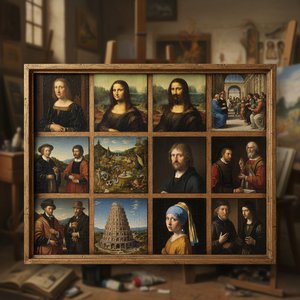
Oil on Panel Masters: 10 Paintings That Revolutionized Art |
Journey through 10 legendary 'Oil on Panel' masterpieces by Van Eyck, Bosch & Bruegel. Explore the stories behind these iconic Renaissance & Baroque paintings and find museum-quality art reproductions to elevate your home decor. Discover all masterpieces on !

Oil on Panel: A Historical Survey of Technique, Support & Aesthetic Evolution
Explore the rich history of oil on panel painting! Discover Renaissance techniques, support structures & aesthetic evolution. Expert insights for art collectors and enthusiasts.
Oil on Panel: A Historical Survey of Technique, Support, and Aesthetic Impact
Explore the rich history of oil on panel painting! Discover Renaissance techniques, support construction, & the enduring legacy of this masterful art form. Expert insights for collectors and enthusiasts.

The Enduring Power of Painting: A Historical & Contemporary Exploration of Form and Emotion
Explore the rich history & enduring techniques of oil painting with ArtsDot. Discover masterpieces, learn about art collecting, and find authentic handmade reproductions crafted by skilled artists.

The Enduring Legacy of Oil on Canvas: Technique, History & Aesthetic Impact
Explore the rich history & techniques of oil painting – from Renaissance masters to Impressionism. Discover pigments, layering methods, and why this timeless medium endures. Expert insights for artists & art enthusiasts.