 Preview
 Send
Send Share
Share
 Details

 Download
 Similars
 X-Ray
X-Ray Diaporama
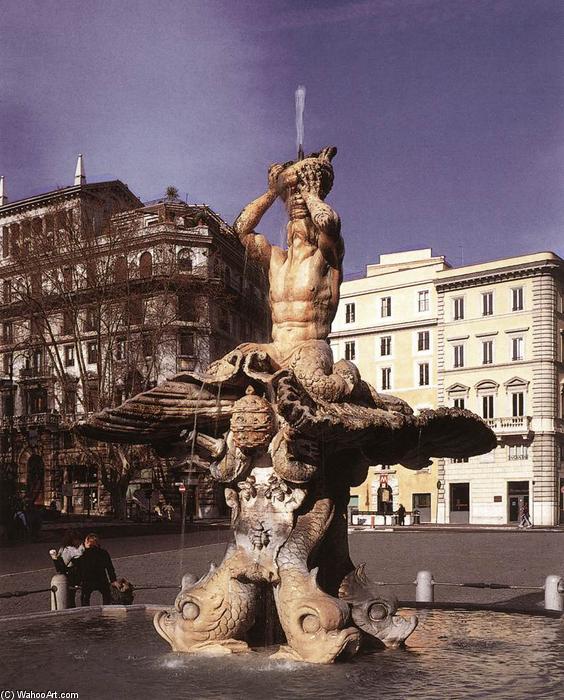
Fontana del Tritone


 Read More
Hand Made Oil Reproduction
Hand-painted oil on canvas in your size and frame, made to order by our artists. ( Buy Print Buy Image)




P118B $10

P118H $10

P118W $10

P438Z $10

P508JH $12

P508YH $12

P805H $10

P805Z $10

P919BZ $10

P919G $10

P919XJ $10

P959ZH $10

P968JZ $12

W106C $8

W218G $10

W218JH $8

W218Y $10

W307PJ $10

W316G $10

W316PJ $8

W316Y $10

W398PJ $8

W4111J $10

W500HY $15

W500JH $15

W692G $12

W849H $8

W940BG $15

W953PJ $8




Pick from our preset sizes that match the artwork's original proportions.

You may enter your own dimensions to fit a specific frame or space. If your selected size does not match the original image's proportions, we will either crop the artwork or extend the painting with additional hand-painted elements. A digital mockup will be sent for your approval before production begins.
Please note that the on-screen preview does not reflect the actual cropping or extension. Only the mockup will accurately show the final composition.
While custom sizes are available, we recommend selecting a dimension from the predefined list to preserve the original proportions.
After order, ArtsDot.com team will email client for instructions and provide a mockup preview
Worldwide Delivery () in 3/4 weeks instead of standard 5 weeks. (16 August). No compromise on quality.

Free Worldwide Express Shipping

High-Quality Linen Canvas

Full Shipping Insurance

Customs Tax Refund Guarantee

True Color Matching Guarantee

60-Day Return Policy (Defects Only)

100% Money-Back Guarantee

Bulk Discount Offer
 Glass option is only available in size under 110 CM

Fontana del Tritone
Reproduction Medium
Reproduction Size
-


Total Price
$ 263
Artwork Description
A Symphony in Stone: Gian Lorenzo Bernini’s Fontana del Tritone
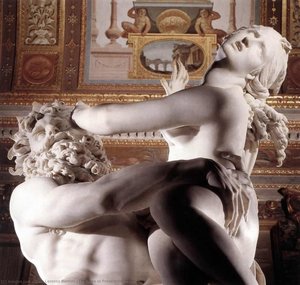
The heart of Piazza Barberini in Rome beats with a vibrant pulse – a pulse inextricably linked to the magnificent Fontana del Tritone, sculpted by the unparalleled genius of Gian Lorenzo Bernini. Completed in 1643, this colossal fountain isn't merely a decorative element; it’s a dramatic tableau vivant, a testament to Baroque artistry and a profound exploration of mythology and power. Standing before it is akin to stepping into a theatrical stage, where water, stone, and light converge to create an experience that transcends mere observation.
Bernini's mastery lies not just in his technical skill – though undeniably breathtaking – but in his ability to imbue inanimate stone with life and emotion. The centerpiece is Neptune, the Roman god of the sea, rendered in a state of dynamic action. His muscular physique, captured with astonishing realism, suggests both immense strength and a fierce, almost restless energy. He’s not a static deity; he's actively engaged in his domain, raising his right hand to unleash a torrent upon the monstrous sea serpent at his feet – a creature born from the depths of legend and embodying chaos itself. The tritons, Bernini’s youthful companions, are depicted with playful exuberance, adding a vital counterpoint to Neptune’s commanding presence.
The Baroque Embrace: Form, Movement, and Light
The Fontana del Tritone is the quintessential embodiment of the Baroque style. Bernini rejected the static formality of the Renaissance in favor of dramatic movement, intense emotion, and a masterful manipulation of light and shadow. The fountain’s design isn't simply about depicting a scene; it’s about creating an *illusion* of movement. The water itself is key to this effect – cascading down the sculpted figures, splashing against the surrounding pavement, and reflecting the sunlight in dazzling displays. Bernini employed a complex system of pipes and channels to ensure that the water flowed with a naturalistic rhythm, further enhancing the sense of dynamism.
The sculptor’s use of *contrapposto*, a technique borrowed from classical sculpture but dramatically amplified, is particularly evident in Neptune's pose. His weight shifts subtly, creating an impression of balance and power while simultaneously suggesting movement. The intricate details – the texture of the sea serpent’s scales, the individual droplets of water, the expressions on the tritons’ faces – are rendered with painstaking precision, demonstrating Bernini’s unparalleled attention to detail.
Mythological Roots and Papal Patronage
The subject matter itself is steeped in Roman mythology. The story depicted here draws upon ancient tales of Neptune battling a monstrous sea serpent. However, Bernini wasn't simply recreating a myth; he was using it as a vehicle to explore themes of power, control, and the triumph of order over chaos. The fountain was commissioned by Cardinal Maffeo Barberini, Pope Urban VIII’s nephew, who sought to elevate his family’s prestige and demonstrate his piety through a grand public work.
Interestingly, the choice of Neptune as the central figure reflects the Barberini family's own ambition – a desire for dominion and influence. The fountain became a powerful symbol of papal authority, strategically placed in the heart of Rome to impress visitors and reinforce the Church’s position at the center of European power.
A Legacy of Wonder: Emotional Resonance and Timeless Beauty
More than three centuries after its creation, the Fontana del Tritone continues to captivate audiences with its sheer scale, dramatic composition, and technical brilliance. It’s a work that speaks directly to the senses – the sound of rushing water, the sight of shimmering light, the feeling of being enveloped by a monumental sculpture. Bernini masterfully combined artistic skill with emotional depth, creating an experience that is both visually stunning and profoundly moving.
Reproductions of this iconic masterpiece offer a remarkable opportunity to bring its grandeur into any setting. Whether adorning a grand hall or adding a touch of theatrical drama to a contemporary space, the Fontana del Tritone remains a timeless symbol of artistic achievement and enduring beauty – a testament to the genius of Gian Lorenzo Bernini.
Related Artworks
Artist Biography
A Roman Genius: The Life and Legacy of Gian Lorenzo Bernini
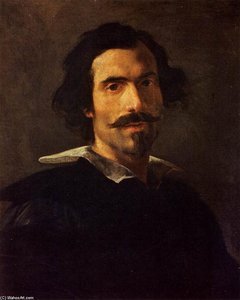
Born in Naples in 1598, Gian Lorenzo Bernini arrived into a world poised on the cusp of dramatic artistic change. His father, Pietro Bernini, was a respected sculptor in his own right, and it was within this familial workshop that young Gian Lorenzo’s prodigious talent first blossomed. The seeds of his future mastery were sown not merely through technical training—rigorous though it was—but also through an early immersion in the classical heritage of Rome. He devoured the sculptures housed within the Vatican collections, absorbing their forms and principles with a voracity that would define his artistic vision. Even as a child, Bernini’s skill surpassed that of his father, hinting at the revolutionary force he would become. This innate ability quickly attracted attention, most notably from Cardinal Maffeo Barberini, who would later ascend to the papacy as Urban VIII and become Bernini's most influential patron, shaping not only his career but also the very aesthetic landscape of Rome itself.Sculpting Emotion: The Birth of Baroque Drama
Bernini is unequivocally considered the preeminent sculptor of the Baroque period, a style characterized by its dynamism, emotional intensity, and sheer grandeur. He didn’t simply sculpt figures; he breathed life into marble, capturing moments of profound psychological depth and dramatic narrative with unparalleled skill. Where Renaissance sculpture often prioritized idealized form and static beauty, Bernini embraced movement, theatricality, and the raw power of human emotion. His work moved beyond mere representation to evoke a visceral response in the viewer. Key elements define his distinctive style: a masterful ability to convey complex emotions through facial expressions and body language; an astonishing technical proficiency that allowed him to render textures—flowing hair, delicate fabrics, smooth skin—with breathtaking realism; and above all, a commitment to dramatic narrative, depicting moments of intense action or spiritual climax. The Ecstasy of Saint Teresa, housed in the Cornaro Chapel, remains perhaps his most iconic achievement – a swirling composition of marble, bronze, and light that captures a mystical experience with an almost overwhelming emotional force. Other masterpieces like Apollo and Daphne and David showcase this same dynamic energy, transforming stone into fleeting moments of transformation and poised tension.Beyond Sculpture: Architecture and Urban Visions
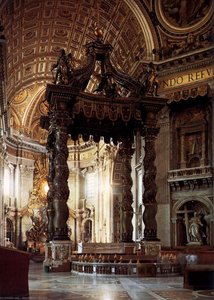
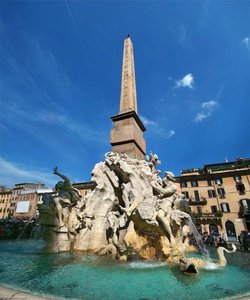
Bernini’s genius extended far beyond the realm of sculpture. He was a remarkably versatile artist who made significant contributions to architecture and urban planning, fundamentally reshaping the cityscape of Rome. His architectural designs were never conceived in isolation; they were always integrated with his sculptural work, creating unified artistic experiences that blurred the boundaries between disciplines. The monumental Baldacchino above the high altar of St. Peter’s Basilica is a testament to this holistic approach—a soaring bronze canopy that dominates the space and draws the eye upwards in awe. He also played a pivotal role in redesigning several Roman piazzas, transforming them into vibrant public spaces. The Fountain of the Four Rivers in Piazza Navona, with its allegorical figures representing major rivers from different continents, is a prime example of his ability to create dynamic and engaging urban environments. His work on St. Peter’s Basilica, including the expansive colonnade that embraces visitors as they approach, dramatically altered the basilica's appearance and created a grand ceremonial space befitting the heart of Christendom.A Lasting Influence: Bernini’s Historical Significance
Gian Lorenzo Bernini profoundly impacted the course of Western art. His innovative approach to sculpture established the Baroque style as a dominant force in European art for over a century, influencing generations of artists with his dramatic compositions and technical virtuosity. He wasn't merely an imitator of classical forms; he synthesized them with a new sense of dynamism and emotional intensity, creating something entirely original. His integration of sculpture, architecture, and painting into unified artistic experiences set a new standard for artistic expression, demonstrating the power of art to engage all the senses and evoke profound emotions. As Howard Hibbard eloquently noted, Bernini’s impact was so significant that he stands as “the greatest sculptor of the 17th century.” His works continue to inspire awe and admiration, solidifying his place as one of history's most important artists—a true *uomo universale* whose legacy continues to resonate today.Family & Further Achievements
- Pietro Bernini: Gian Lorenzo’s father, a sculptor who provided early training and guidance.
- Cardinal Scipione Borghese: An early patron whose commissions allowed Bernini to develop his signature style.
- Pope Urban VIII: Bernini's most significant patron, providing extensive opportunities for architectural and sculptural projects in Rome.
- Architectural Projects: Beyond St. Peter’s Basilica, Bernini designed churches like Sant’Andrea al Quirinale and contributed to the design of Palazzo Barberini.
- Theatrical Designs: He was also a playwright and stage designer, creating elaborate sets and machinery for theatrical productions.

Gian Lorenzo Bernini
1598 - 1680 , Italy
Quick Facts
- Artistic Movement Or Style: Baroque
- Artists Or Movements Influenced By This Artist:
- Baroque sculpture
- European art
- Artists Who Influenced This Artist:
- Pietro Bernini
- Michelangelo
- Date Of Birth: December 7, 1598
- Date Of Death: November 28, 1680
- Full Name: Gian Lorenzo Bernini
- Nationality: Italian
- Notable Artworks:
- Ecstasy of Saint Teresa
- Apollo and Daphne
- David
- The Baldacchino
- Fountain of Four Rivers
- Place Of Birth: Naples, Italy
Related Articles
Gian Lorenzo Bernini: Sculpting Baroque Emotion & the Roman Imagination
Explore the life & revolutionary art of Gian Lorenzo Bernini, the master sculptor of the Baroque era. Discover his iconic works like David and Ecstasy of Saint Teresa – a journey into Roman artistic genius.

Bronze Sculptures That Defined Art History | ArtsDot
Journey through art history with our Top 10 bronze sculptures! Explore masterpieces by Rodin, Michelangelo & more. Discover stories behind iconic statues and find museum-quality reproductions for your home decor at ArtsDot.com.
Theatricality & Triumph: Baroque Drama in Painting & Sculpture
Explore the dramatic world of Baroque art! Discover its history, defining characteristics, & lasting influence on painting & sculpture. Expert insights into Caravaggio, Zurbarán, and Bernini – plus high-quality reproductions at ArtsDot.

The Enduring Form: Exploring Themes & Techniques in Sculpture Across Historical Periods
Explore the rich history of sculpture from ancient masterpieces to contemporary innovations. Discover key techniques, influential artists & investment potential for discerning art collectors.
The Enduring Form: Sculpture Across History, Technique & Emotional Resonance
Explore the rich history of sculpture with ArtsDot. Discover key techniques, influential artists & investment potential for discerning collectors. Expert insights into valuing and collecting timeless masterpieces.