

 Send
Send Share
Share
 Details

 Download
 Similars
 Diaporama
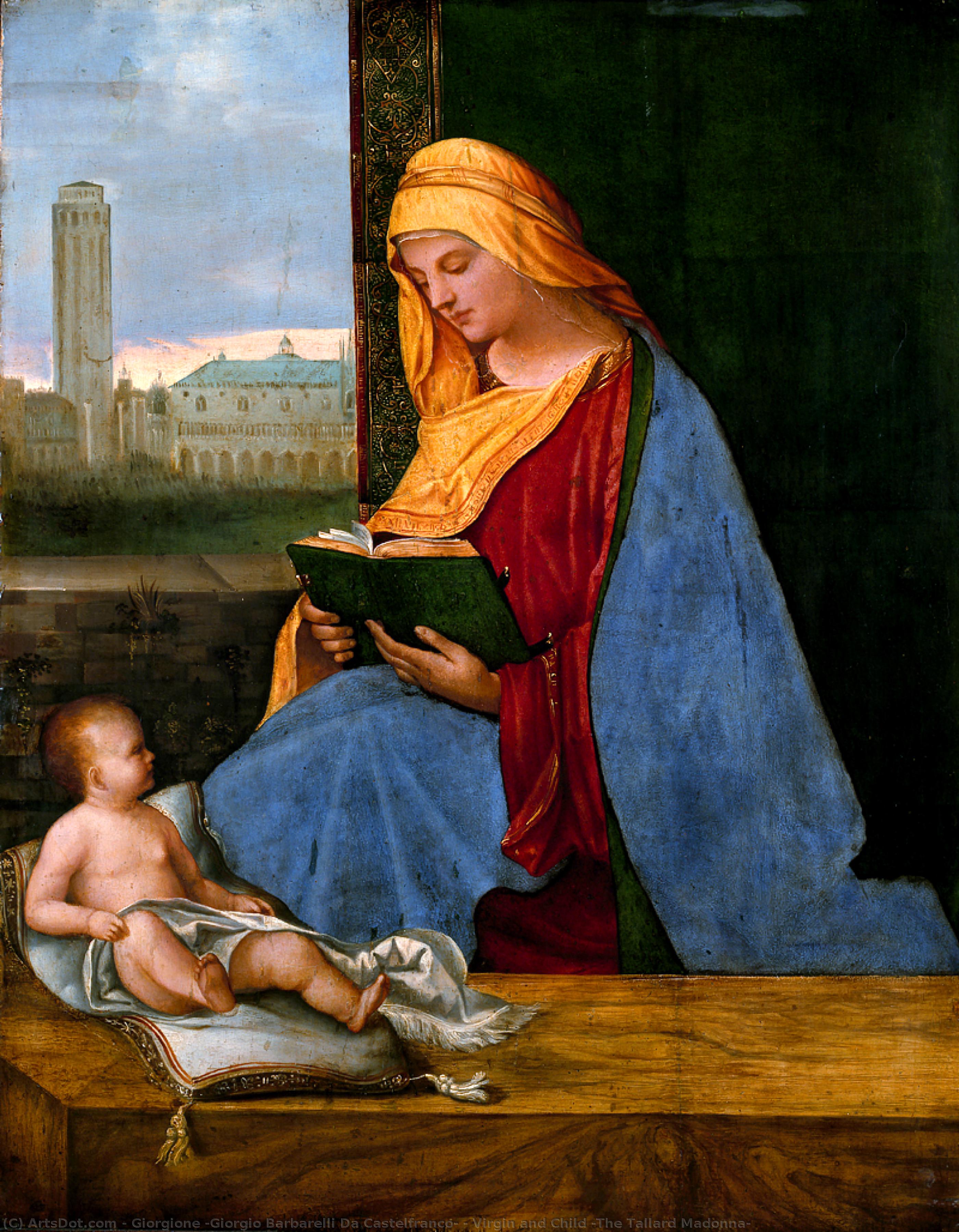
Virgin and Child (The Tallard Madonna)


 Read More
Purchase a high-resolution, enhanced digital image, far superior to the online preview.
Each file is meticulously prepared by our in-house specialists using advanced tools and expert manual retouching. We ensure every image has exceptional clarity, precise color accuracy, and fine detail.
The final file is delivered via email within 72 hours, optimized for immediate use in professional, editorial, and print environments. This is the same quality trusted by top-tier design studios, publishers, and galleries.
Digital Image
Download a high-resolution file for personal display, printing, and creative projects. ( Buy Print Buy Hand Made Painting)
Included in Every Digital Image Order
Expert Digital Delivery, Guaranteed
When you choose ArtsDot.com, you're not just getting an image - you're receiving a professionally enhanced digital artwork, crafted with precision and backed by a satisfaction guarantee. Here's everything that comes with your order, automatically:

Fast Email Delivery
Your high-resolution digital image file will be emailed to you within 72 hours of ordering - ready for immediate use.

AI-Enhanced Digital File
Your artwork is professionally optimized using advanced AI tools and manual editing, ensuring maximum detail, clarity, and color accuracy.

Free Lifetime Re-Delivery
Accidentally deleted or lost your file? No worries - we'll resend it to you anytime, free of charge.

No Import Fees - Ever
Enjoy your artwork instantly with zero customs, duties, or delivery fees - digital downloads are always tax-free.

Color Accuracy Guarantee
We ensure your digital image reflects the original colors as closely as possible using professional tools and color management.

60-Day Satisfaction Guarantee
If you're not satisfied with your digital image, we'll revise it or refund 100% within 60 days - no questions asked.

100% Money-Back Guarantee
Not satisfied? Get a full refund within 60 days of receiving your digital file - no questions asked.

Bulk Order Discounts
Buy 3 images, save 10% - Buy 5, save 15% - Buy 10+, save 20%. Great for creative projects, galleries, and agencies.
Collectible Description
A Venetian Secret Revealed: Giorgione’s “Virgin and Child” (The Tallard Madonna)
Giorgione's "Virgin and Child," often referred to as the “Tallard Madonna,” is not merely a painting; it’s an enigma wrapped in Venetian light, a whispered secret from one of art history’s most elusive figures. Painted in 1510, just before his untimely death at the age of thirty-two, this masterpiece offers a glimpse into the mind of a master who defied easy categorization and continues to captivate viewers centuries later. The work resides within the confines of a relatively small canvas – 76 x 60 cm – yet it explodes with an almost unbearable richness of color and detail, demanding prolonged contemplation.
The scene unfolds with a quiet intimacy: Mary, dressed in a sumptuous red and blue gown, holds her infant son close. Her expression is serene, thoughtful even, as she gazes down at the child. The boy, bathed in soft light, appears utterly absorbed in his mother’s presence, his small hand resting gently on her garment. The architectural backdrop – a stylized church with a soaring tower – isn't merely decorative; it subtly anchors the scene within a religious context, hinting at the sacred nature of this maternal bond. The cloudy sky above adds an atmospheric depth, suggesting both serenity and perhaps a touch of melancholy—a fitting reflection on the artist’s own brief life.
The Painter’s Palette: Technique and Venetian Innovation
Giorgione's genius lay not in dramatic gestures or bold outlines, but in his masterful manipulation of color and light. He employed a technique known as *sfumato*, perfected by Leonardo da Vinci, to create hazy, almost dreamlike effects. Observe how the edges of forms soften, blending seamlessly into one another—particularly noticeable in Mary’s drapery and the child's features. This deliberate blurring contributes significantly to the painting’s ethereal quality, evoking a sense of timelessness.
- The use of muted earth tones – ochres, siennas, and umbers – forms the foundation of the palette, creating a harmonious and subtly luminous effect.
- Bold splashes of red and blue draw the eye to Mary’s garments, emphasizing her importance within the composition.
- Giorgione's layering of thin glazes—a hallmark of Venetian painting—allows light to penetrate through the paint, creating a remarkable sense of depth and luminosity.
A Portrait of a Lost Master: Historical Context and Symbolism
Understanding Giorgione’s life is intrinsically linked to understanding his art. Born in Castelfranco Veneto, he was deeply rooted in the vibrant artistic community of Venice, a city renowned for its patronage of the arts and its embrace of sensual beauty. He likely apprenticed under Giovanni Bellini, absorbing the established Venetian style before developing his own distinctive approach – one characterized by an almost poetic sensibility.
The “Tallard Madonna” is believed to be inspired by a miraculous image of the Virgin Mary said to have appeared in the chapel of the Tallard family in France. This connection adds another layer of intrigue, suggesting that Giorgione was not simply depicting a religious scene but also engaging with a powerful devotional tradition. The book held open by Mary could symbolize her role as a teacher and guide, while the architectural setting subtly references the Church and its role as a sanctuary.
Capturing Emotion: The Enduring Appeal
Despite the mystery surrounding Giorgione’s life and artistic intentions, “Virgin and Child” continues to resonate with viewers today. Its quiet intimacy, luminous colors, and masterful use of *sfumato* create an atmosphere of profound serenity and contemplation. It's a painting that invites us to slow down, to observe closely, and to connect with the timeless beauty of motherhood and faith. ArtsDot’s meticulously crafted hand-painted reproductions offer a unique opportunity to experience this Venetian masterpiece in stunning detail, bringing Giorgione’s enigmatic vision into your home or studio.
Related Artworks
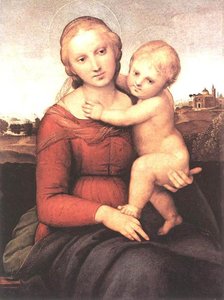
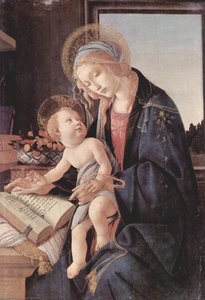
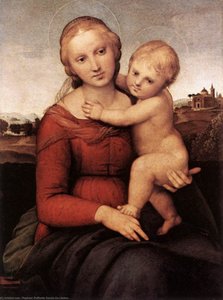
Artist Biography
A Venetian Enigma: The Life and Legacy of Giorgione
Giorgio Barbarelli da Castelfranco, known to the world as Giorgione, remains one of the most elusive and captivating figures in Renaissance art. Born in the small town of Castelfranco Veneto near Venice around 1477 or 1478 – the exact year is debated – his tragically short life, ending around 1510 at the age of thirty-two or thirty-three, belies an artistic impact that continues to resonate centuries later. Unlike many of his contemporaries whose lives are well documented, Giorgione’s story is shrouded in mystery, pieced together from scant historical records and the often romanticized accounts of Giorgio Vasari. What we do know suggests a man deeply immersed in the vibrant culture of Venice, a city that fostered both artistic innovation and a sensual appreciation for beauty. He likely apprenticed under Giovanni Bellini, a leading Venetian painter, absorbing the established traditions before forging his own unique path. Early commissions included portraits of prominent figures like Doge Agostino Barbarigo, demonstrating an immediate talent for capturing likeness and status. However, it was in his departure from conventional subject matter and his revolutionary approach to painting that Giorgione truly distinguished himself.Poetic Visions: Style and Innovation
Giorgione’s artistic style marked a significant break from the prevailing Florentine emphasis on linear perspective and precise draftsmanship. He championed color, atmosphere, and an evocative moodiness that became hallmarks of the Venetian school. His technique involved softening outlines, employing subtle gradations of tone – *sfumato* – to create atmospheric effects, and prioritizing overall harmony over meticulous detail. This approach wasn’t merely a technical choice; it reflected a fundamentally different artistic sensibility. Giorgione sought not to replicate reality but to capture its essence, its fleeting emotions, and its poetic resonance. His paintings often feature enigmatic subjects and ambiguous narratives, inviting viewers into a world of contemplation rather than offering clear-cut stories. The Tempest, perhaps his most famous work, exemplifies this perfectly. The scene – a soldier and a nursing mother amidst a stormy landscape – has baffled art historians for centuries, its meaning remaining tantalizingly out of reach. Similarly, Pastoral Concert (Fête champêtre) presents an idyllic gathering of musicians in a pastoral setting, celebrated not for any specific narrative but for its harmonious composition and lyrical quality. These works weren’t intended to be puzzles to solve; they were meant to evoke feelings, moods, and a sense of wonder.Masterpieces and Enduring Influence
Though his output was limited by his untimely death, Giorgione left behind a small but profoundly influential body of work. Sleeping Venus, likely completed with assistance from Titian after Giorgione’s passing, is an iconic depiction of the goddess, showcasing his mastery of color and form. The languid pose and soft flesh tones embody the Venetian appreciation for sensuality and beauty. Other notable works include Judith, an early example of his developing style, and portraits that reveal a keen ability to capture the character and essence of his subjects. Giorgione’s influence extended far beyond his own paintings. He was a mentor to Titian, who would become one of the most celebrated artists of the High Renaissance, carrying forward Giorgione's innovations in color and atmospheric painting. The emphasis on color and atmosphere profoundly impacted the development of Venetian painting, distinguishing it from the Florentine tradition and establishing Venice as a major center for artistic innovation.A Lasting Legacy: Giorgione’s Historical Significance
Despite his brief career, Giorgione occupies a pivotal position in art history. He bridged the gap between earlier Venetian traditions and the innovations of Titian and other later masters, fundamentally altering the course of Italian painting. His emphasis on poetic mood, atmospheric effects, and ambiguous narratives paved the way for new artistic explorations and inspired generations of artists. The very mystery surrounding his life and work has contributed to his enduring mystique and appeal. He remains a symbol of artistic freedom, innovation, and the power of suggestion – a painter who dared to prioritize feeling over form, atmosphere over accuracy, and poetry over narrative.Key Works by Giorgione
- The Tempest (c. 1506-1508)
- Pastoral Concert (Fête champêtre) (c. 1509)
- Sleeping Venus (c. 1510)
- Judith (1504)
- Portrait of a Venetian Gentleman
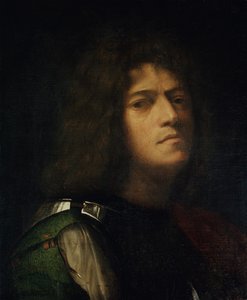
Giorgione
1477 - 1510 , Italy
Quick Facts
- Artistic Movement Or Style: High Renaissance, Venetian school
- Artists Or Movements Influenced By This Artist:
- Titian
- Venetian painting
- Artists Who Influenced This Artist:
- Giovanni Bellini
- Mantegna
- Date Of Birth: 1477/78 or 1473/74
- Date Of Death: 1510
- Full Name: Giorgio Barbarelli da Castelfranco
- Nationality: Italian
- Notable Artworks:
- The Tempest
- Pastoral Concert
- Sleeping Venus
- Judith
- Laura
- Place Of Birth: Castelfranco Veneto, Italy

