


A Legacy of Curiosity: The Soul of the Ashmolean
Nestled within the historic heart of Oxford, a city synonymous with intellectual pursuit and scholarly tradition, stands the Ashmolean Museum of Art and Archaeology. It is far more than a mere repository of artifacts; it is a living testament to human creativity spanning millennia. Established in 1683 as Britain’s first public museum, its origins are rooted in the eccentric and brilliant collections of Elias Ashmole, a wealthy Oxford antiquarian. This foundation created a continuous dialogue between scholarship, artistic patronage, and an unwavering fascination for understanding our shared human experience. To walk through its doors is to step into a narrative that intertwines the very fabric of the university with the evolution of global culture.
The museum’s early history was defined by a holistic approach to collecting, capturing echoes of bygone eras through a diverse assemblage of antique coins, illuminated manuscripts, and scientific curiosities. Perhaps most poignantly, it once safeguarded the last surviving specimen of a Dodo bird, serving as a haunting reminder of vanished worlds and the museum’s profound commitment to preserving not only beauty but also the fragile stories embedded within objects. This spirit of discovery has propelled the Ashmolean from its humble beginnings into a global beacon of archaeology, notably through its late 19th-century excavations in Crete, which fundamentally reshaped our modern comprehension of the Minoan civilization.
Architectural Grandeur and Artistic Splendor
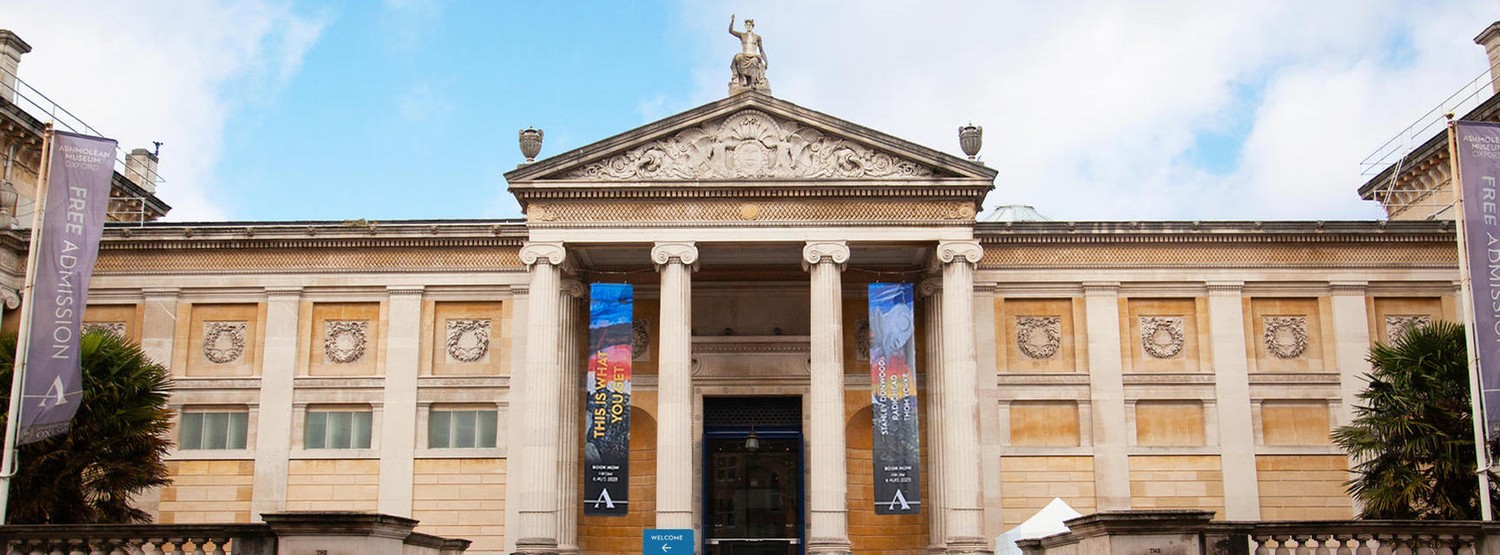
The physical presence of the Ashmolean is as much a masterpiece as the treasures it houses. Completed between 1841 and 1845 by the renowned architect Charles Cockerell, the building is a triumph of neoclassical design. Its grand proportions and elegant lines integrate seamlessly with Oxford's historic fabric, offering a sense of permanence and dignity. Recent renovations have meticulously enhanced the visitor experience, breathing new life into its halls while safeguarding the original architectural integrity that defines its character. For the admirer of classical aesthetics, the museum provides an atmosphere of quiet majesty, where the architecture itself prepares the soul for the encounter with greatness.
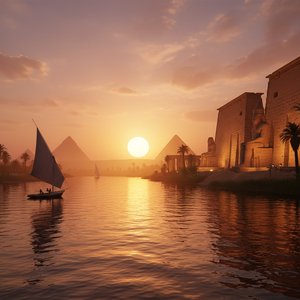
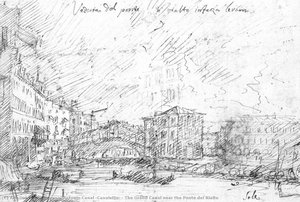
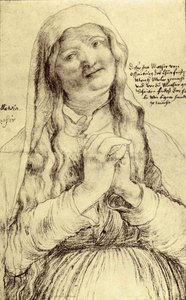
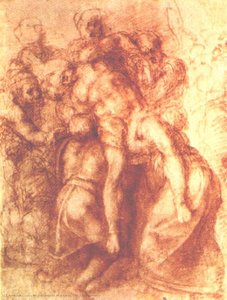
Within these walls, the collection traverses epochs and continents with breathtaking fluidity. One might find themselves captivated by the haunting gaze of ancient Egyptian mummies, their linen wrappings whispering tales of elaborate rituals and the eternal quest for the afterlife. The journey continues through the delicate brushstrokes of Pre-Raphaelite masterpieces, deeply rooted in the local artistic landscape, and into the serene beauty of the Chinese Picture Gallery, a stunning space dedicated to the artistry of East Asian painting. For collectors and interior designers alike, the museum serves as an infinite source of inspiration, showcasing how different eras utilize color, form, and texture to evoke profound emotion.
A Confluence of Science, Art, and Human Thought
What truly distinguishes the Ashmolean is its unique ability to bridge the gap between the scientific and the aesthetic. The museum’s history is inextricably linked to Oxford’s burgeoning scientific community, evidenced by an impressive array of historical scientific instruments that sit alongside classical Greek sculptures. These sculptures, showcasing the ideals of beauty and proportion that have shaped Western aesthetics for centuries, exist in a beautiful tension with the intricate Celtic artifacts that reveal the spirituality of Britain's earliest inhabitants.
A particular highlight that embodies this Renaissance-level intellectual ambition is the presence of works like Raphael’s "The School of Athens." This masterpiece, depicting a congregation of ancient philosophers, mathematicians, and scientists, serves as a perfect metaphor for the museum itself—a place where the pursuit of knowledge and the appreciation of art are one and the same. Whether exploring the rare manuscripts within the Bodleian Art, Archaeology and Ancient World Library or attending a scholarly lecture, visitors are invited to participate in an enduring narrative of human creativity. The Ashmolean remains an essential destination for anyone seeking to connect with the profound, multifaceted story of our world.