 Preview
 Send
Send Share
Share
 Details

 Download
 Similars
 X-Ray
X-Ray Diaporama
Self-Portrait
 Pastel
- Baroque Period
 1720
1720 72.0 x 57.0 cm
 Galleria degli Uffizi
 Read More
Hand Made Oil Reproduction
Hand-painted oil on canvas in your size and frame, made to order by our artists. ( Buy Print Buy Image)




P118B $10

P118H $10

P118W $10

P438Z $10

P508JH $12

P508YH $12

P805H $10

P805Z $10

P919BZ $10

P919G $10

P919XJ $10

P959ZH $10

P968JZ $12

W106C $8

W218G $10

W218JH $8

W218Y $10

W307PJ $10

W316G $10

W316PJ $8

W316Y $10

W398PJ $8

W4111J $10

W500HY $15

W500JH $15

W692G $12

W849H $8

W940BG $15

W953PJ $8




Pick from our preset sizes that match the artwork's original proportions.

You may enter your own dimensions to fit a specific frame or space. If your selected size does not match the original image's proportions, we will either crop the artwork or extend the painting with additional hand-painted elements. A digital mockup will be sent for your approval before production begins.
Please note that the on-screen preview does not reflect the actual cropping or extension. Only the mockup will accurately show the final composition.
While custom sizes are available, we recommend selecting a dimension from the predefined list to preserve the original proportions.
After order, ArtsDot.com team will email client for instructions and provide a mockup preview
Worldwide Delivery () in 3/4 weeks instead of standard 5 weeks. (17 August). No compromise on quality.

Free Worldwide Express Shipping

High-Quality Linen Canvas

Full Shipping Insurance

Customs Tax Refund Guarantee

True Color Matching Guarantee

60-Day Return Policy (Defects Only)

100% Money-Back Guarantee

Bulk Discount Offer
 Glass option is only available in size under 110 CM

Self-Portrait
Reproduction Medium
Reproduction Size
-


Total Price
$ 263
Artwork Description
A Glimpse of a Florentine Lady: The Self-Portrait by Giovanna Fratellini
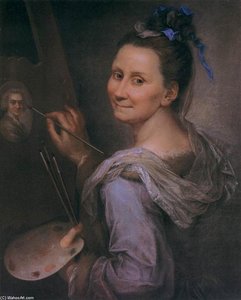
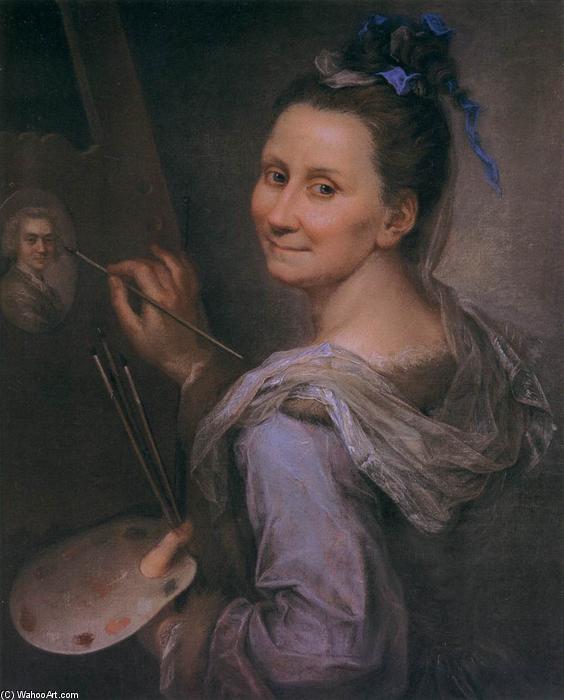
The pastel on paper “Self-Portrait” by Giovanna Fratellini, created in 1720 and now residing within the hallowed halls of the Galleria degli Uffizi in Florence, is more than just a likeness; it’s a carefully constructed invitation into the world of a remarkable artist. This intimate work transcends mere representation, offering a poignant glimpse into the life, artistic sensibilities, and quiet confidence of a woman navigating the complexities of courtly society during the height of the Baroque period. Measuring 72 x 57 cm, it’s a deceptively small canvas that holds within it a wealth of detail and emotional resonance.
Giovanna Fratellini's story is intertwined with the grandeur of the Medici court. As lady-in-waiting to Grand Duchess Vittoria della Rovere, she benefited from an unparalleled opportunity for artistic refinement – a privilege afforded to few women of her era. This position not only provided access to influential patrons but also immersed her in the vibrant cultural landscape of Florence, shaping her style and informing her subject matter. The portrait itself speaks volumes about this privileged existence, hinting at the elegance and sophistication that defined Florentine nobility during the 18th century.
The Language of Pastel: Technique and Atmosphere
What immediately captivates the viewer is Fratellini’s masterful use of pastel. Unlike the bolder hues often associated with Baroque painting, pastel lends a remarkable softness and delicacy to the portrait. The subtle gradations of color – from the blush of her cheeks to the delicate shading around her eyes – create an ethereal atmosphere, almost as if capturing a fleeting moment of contemplation. The technique itself is incredibly demanding, requiring meticulous layering and blending to achieve the desired effects. Notice how she builds up texture in the folds of her dress, suggesting both fabric’s weight and its luxurious quality.
Beyond the pastel medium, Fratellini's attention to detail is truly impressive. The intricate rendering of her hair – styled with a graceful blue ribbon or bow – speaks to her meticulous nature and her desire to capture every nuance of her subject’s appearance. The palette held in her left hand, a vibrant collection of colors, isn’t merely decorative; it's a symbolic representation of her profession as an artist, highlighting the tools of her trade. The careful positioning of these elements reinforces the portrait’s central theme: self-reflection and artistic identity.
Symbolism and Intimacy
The subject’s gentle smile and direct gaze are particularly striking. It's not a boisterous, theatrical expression; rather, it conveys a quiet confidence and an awareness of her own beauty and intelligence. Her eyes meet the viewer’s directly, creating a powerful connection that transcends time. The inclusion of the palette is significant – it’s a declaration of her profession, but also a subtle invitation to understand her creative process. It suggests she's not just presenting herself as an object of admiration, but as a woman engaged in a deeply personal and skilled craft.
The dark background serves to further emphasize the subject, drawing our attention entirely to her face and attire. This compositional choice is typical of portraiture during this period, prioritizing the sitter’s presence and personality. Ultimately, “Self-Portrait” by Giovanna Fratellini is a testament to her artistic skill, her understanding of Baroque aesthetics, and her ability to capture not just a likeness but also the essence of a woman living within a remarkable historical context. It remains a captivating work that continues to inspire appreciation for the artistry of this often-overlooked figure of the Florentine Baroque.
Related Artworks
Artist Biography
Giovanna Fratellini: Life and Artistic Development
Born Giovanna Marrmocchini Cortesi in Florence around 1666, Giovanna Fratellini lived through a period of significant artistic change within the Baroque era. Little is known about her early life or training, but it's believed she initially received instruction from local Florentine artists before developing her distinctive style. Her marriage to Guiliano Fratellini provided stability and likely influenced her social circle, exposing her to patrons who would later commission her works.
Fratellini’s Artistic Style and Techniques
Giovanna Fratellini is primarily recognized for her miniature portraits, a popular form of art during the Baroque period. Her style blended elements of realism with delicate ornamentation, creating captivating likenesses that captured both physical features and subtle personality traits. She skillfully employed pastel chalks and watercolor techniques to achieve vibrant colors and smooth transitions in her paintings. A defining characteristic of Fratellini’s work was her meticulous attention to detail, evident in the intricate rendering of clothing, jewelry, and facial expressions.
Major Works and Patronage
While a comprehensive catalog of Fratellini's works remains elusive, several notable pieces have been attributed to her. She received commissions from prominent Florentine families, including members of the Medici court.
- Her miniature portraits were highly sought after as gifts and keepsakes.
- She also created vedute (cityscape paintings) depicting scenes of Florence.
- Notably, she painted several portraits of family members, showcasing her ability to capture intimate likenesses.
Influences and Artistic Legacy
Fratellini’s artistic style was influenced by the broader trends within the Baroque period, particularly the emphasis on realism and emotional expression. She drew inspiration from contemporary Italian artists who specialized in miniature portraits, adapting their techniques to create her own distinctive style. Her legacy lies in her ability to capture the essence of her subjects, creating enduring likenesses that provide valuable insights into Florentine society during the Baroque era.
Later Life and Historical Significance
Giovanna Fratellini continued to paint throughout her life, receiving commissions from patrons across Florence. She passed away in 1731, leaving behind a body of work that reflects her artistic skill and dedication. Her contribution to the history of art is significant, as she helped shape the development of miniature portraiture during the Baroque period. While not as widely recognized as some of her contemporaries, Fratellini’s legacy endures through her captivating portraits, which offer a glimpse into the lives of Florentine citizens during a transformative era.
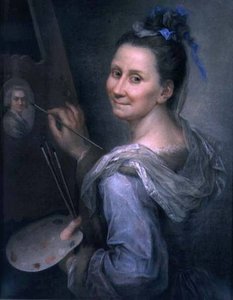
Giovanna Fratellini
1666 - 1731 , Italy
Quick Facts
- Artistic Movement Or Style: Baroque
- Date Of Birth: 1666
- Date Of Death: 1731
- Full Name: Giovanna Fratellini
- Nationality: Italian
- Notable Artworks: ['Portrait of her son Lorenzo']
- Place Of Birth: Florence, Italy
Related Articles
Uffizi's 25 Masterpieces: Renaissance Art & Timeless Decor Inspiration
Journey through the Uffizi Gallery's 25 most iconic Renaissance artworks! Explore Botticelli, Leonardo da Vinci & Michelangelo’s masterpieces. Find museum-quality art reproductions and curated decor ideas to bring timeless Italian beauty into your home. Discover all masterpieces on ArtsDot.com

Baroque Masterpieces: 10 Paintings That Defined an Era |
Journey through the drama & grandeur of Baroque art! Explore 10 masterpieces by Caravaggio, Rembrandt, Rubens & more. Discover stunning oil paintings, rich colors & timeless stories. Find museum-quality reproductions at .
The Subtleties of Pastel: A Comprehensive Exploration of Technique, History & Emotional Resonance
Explore the captivating world of pastel art! Discover its rich history, Impressionistic masters like Degas, emotional power & unique techniques. Find museum-quality reproductions at ArtsDot.

The Dramatic Flourish: Exploring the Baroque Movement's Enduring Legacy in Art History
Explore the dramatic world of Baroque art! Discover iconic artists like Caravaggio & Rubens, defining techniques, and its lasting impact on art history. Expert insights for collectors & enthusiasts at ArtsDot.

Baroque Drama: Bringing Opulence & Emotion into Contemporary Interiors
Explore the opulent world of Baroque interior design! Discover key elements, modern applications & how to bring dramatic elegance into your home with 's authentic reproductions.