 Preview
 Send
Send Share
Share
 Details

 Download
 Similars
 X-Ray
X-Ray Diaporama
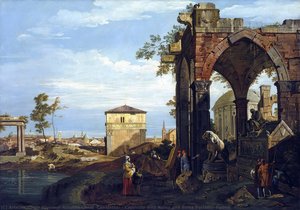
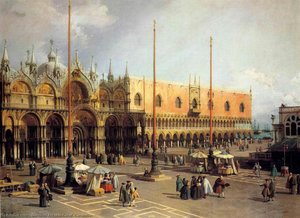
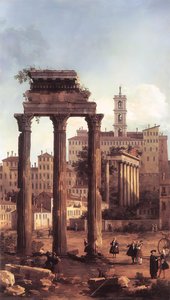
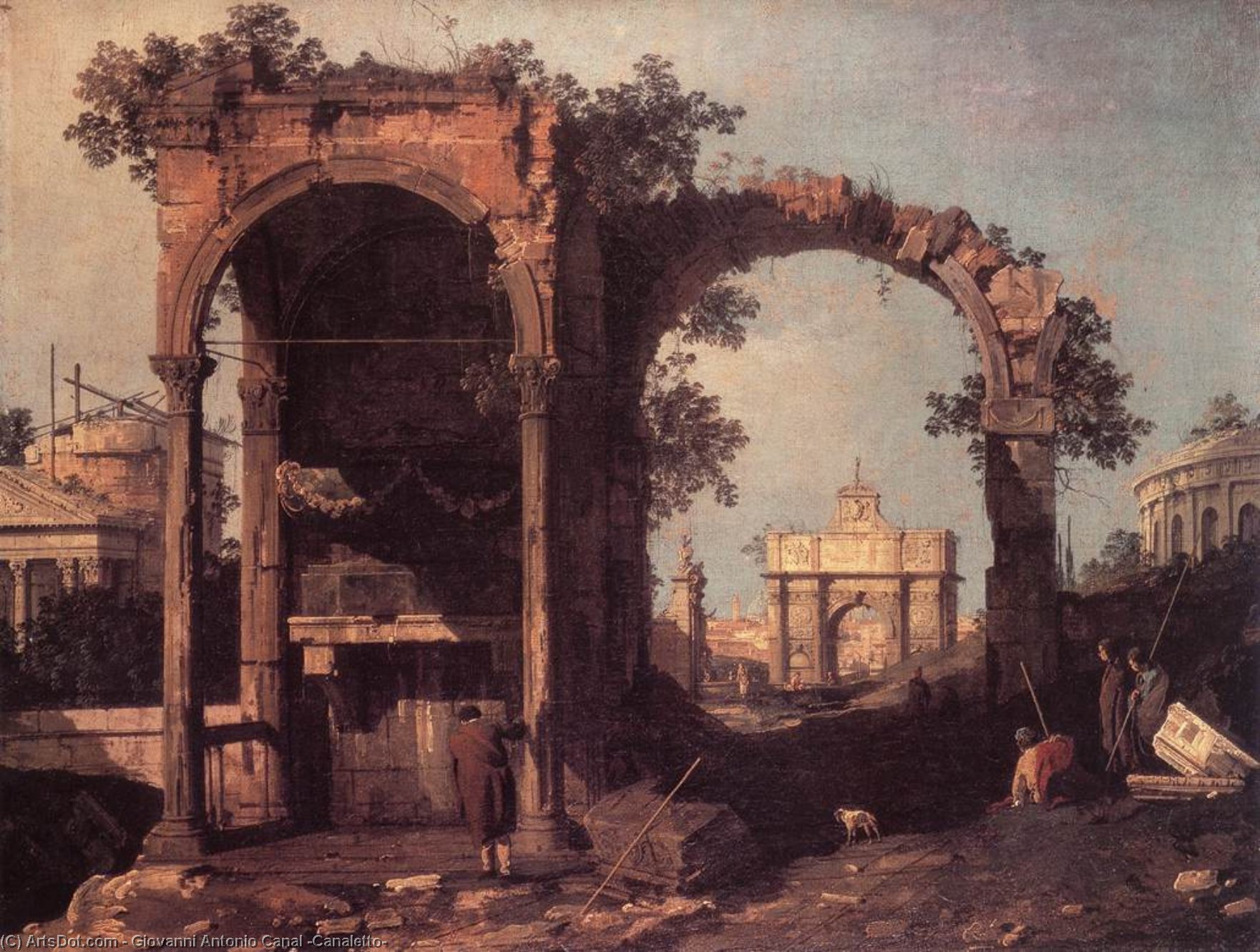
Capriccio: Ruins and Classic Buildings
 Oil On Canvas
- WallArt
- Baroque Landscape
 1730
1730- Renaissance
 87.0 x 120.0 cm
 Museo Poldi Pezzoli
 Read More
Hand Made Oil Reproduction
Hand-painted oil on canvas in your size and frame, made to order by our artists. ( Buy Print Buy Image)




P118B $10

P118H $10

P118W $10

P438Z $10

P508JH $12

P508YH $12

P805H $10

P805Z $10

P919BZ $10

P919G $10

P919XJ $10

P959ZH $10

P968JZ $12

W106C $8

W218G $10

W218JH $8

W218Y $10

W307PJ $10

W316G $10

W316PJ $8

W316Y $10

W398PJ $8

W4111J $10

W500HY $15

W500JH $15

W692G $12

W849H $8

W940BG $15

W953PJ $8




Pick from our preset sizes that match the artwork's original proportions.

You may enter your own dimensions to fit a specific frame or space. If your selected size does not match the original image's proportions, we will either crop the artwork or extend the painting with additional hand-painted elements. A digital mockup will be sent for your approval before production begins.
Please note that the on-screen preview does not reflect the actual cropping or extension. Only the mockup will accurately show the final composition.
While custom sizes are available, we recommend selecting a dimension from the predefined list to preserve the original proportions.
After order, ArtsDot.com team will email client for instructions and provide a mockup preview
Worldwide Delivery () in 3/4 weeks instead of standard 5 weeks. (16 August). No compromise on quality.

Free Worldwide Express Shipping

High-Quality Linen Canvas

Full Shipping Insurance

Customs Tax Refund Guarantee

True Color Matching Guarantee

60-Day Return Policy (Defects Only)

100% Money-Back Guarantee

Bulk Discount Offer
 Glass option is only available in size under 110 CM

Capriccio: Ruins and Classic Buildings
Reproduction Medium
Reproduction Size
-


Total Price
$ 263
Artwork Description
Giovanni Antonio Canaletto: A Venetian Master of Atmospheric Perspective
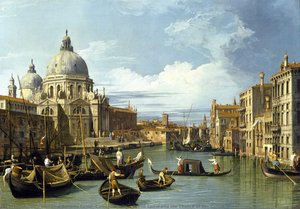
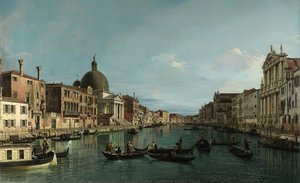
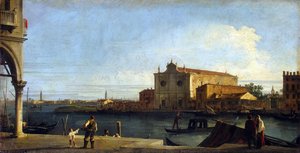
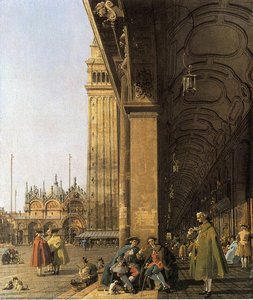
Canaletto’s “Capriccio with Classical Ruins and Buildings” (1750) stands as a quintessential example of Venetian topographical painting—a genre that flourished during the Enlightenment, capturing not just visual accuracy but also an idealized vision of beauty and architectural fantasy. Painted in London for wealthy patrons like Horace Walpole, this monumental canvas transports viewers to a realm where reality blends seamlessly with imagination, reflecting Canaletto’s profound influence on his contemporaries and cementing his legacy as one of the most celebrated artists of the era.- Subject Matter & Composition: The scene depicts a fantastical Venetian cityscape dominated by crumbling classical ruins—fragments of temples and monuments—interspersed amongst ornate buildings adorned with balconies and windows. Figures populate the composition, engaged in various activities, creating a dynamic tableau that captures the spirit of Venice as it transitioned into modernity.
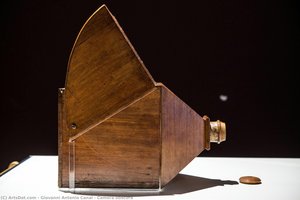
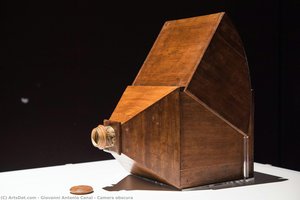
- Style & Technique: Canaletto employed his signature camera obscura technique – projecting an image onto paper through a darkened room – to achieve unparalleled precision and detail. His meticulous brushstrokes meticulously render textures and tonal variations, creating a remarkably convincing illusion of depth and atmosphere. The artist skillfully utilized atmospheric perspective, subtly blurring distant elements to convey the grandeur and serenity of the Venetian landscape.
- Historical Context: Canaletto’s work emerged during a period marked by intellectual curiosity and artistic experimentation. He was deeply influenced by Piranesi's etchings of Roman ruins, which championed the sublime—the awe-inspiring beauty of nature that inspires contemplation and humility. This fascination with ruin and grandeur aligns perfectly with the broader cultural preoccupation with mortality and the passage of time.
- Symbolism & Emotion: The ruins symbolize decay and impermanence, yet they are juxtaposed against vibrant architectural structures representing stability and prosperity—a visual metaphor for Venice’s enduring spirit. Canaletto's masterful depiction evokes a sense of melancholic beauty, inviting viewers to contemplate the fleeting nature of existence while appreciating the magnificence of art.
- Legacy & Influence: Canaletto’s “Capriccio” profoundly impacted subsequent generations of artists, establishing a precedent for combining realism with imaginative embellishment. His influence can be seen in landscapes by Turner and Constable, demonstrating his enduring contribution to the Romantic movement's aesthetic ideals. Today, reproductions of this masterpiece continue to inspire admiration for its technical brilliance and artistic vision.
Further Exploration: Giovanni Battista Piranesi & The Sublime Landscape
Consider examining the work of Giovanni Battista Piranesi—another Venetian artist who revolutionized etching with his haunting depictions of Roman ruins. Like Canaletto, Piranesi sought to capture the sublime—the awe-inspiring beauty of nature that transcends rational understanding—challenging conventional artistic conventions and paving the way for Romantic landscape painting. His intricate etchings offer a powerful counterpoint to Canaletto’s idealized Venetian vistas, prompting reflection on themes of decay, grandeur, and the human condition.Ezra Ames: Elegant Portraiture & The Pursuit of Ideal Beauty
Explore Ezra Ames's artistic output—a prolific American portrait painter active during the Enlightenment. Ames’s canvases exemplify the stylistic trends prevalent at the time, prioritizing refined elegance and capturing subjects with remarkable sensitivity. Studying Ames alongside Canaletto provides valuable insight into the broader artistic landscape of the era and illuminates the shared commitment to portraying beauty in its most idealized form.Related Artworks
Artist Biography
early life and training
giovanni antonio canal, commonly known as canaletto, was born on october 18, 1697, in venice, italy. he was the son of bernardo canal, a painter of theatrical scene settings, and artemisia barbieri. canaletto's early training in painting began with his father, who taught him the fundamentals of art.
the making of a master
in 1718, canaletto traveled to rome, where he worked on producing scenery for two operas by alessandro scarlatti. this experience had a profound impact on his development as an artist. upon returning to venice, canaletto began painting in his signature topographical style, which would eventually make him famous.
notable works and collaborations
some of canaletto's most notable works include:
- the stonemason's yard (c. 1725), a masterpiece showcasing his early skill.
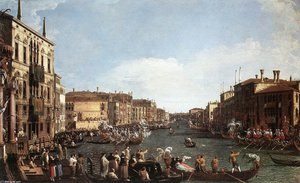
- regatta on the grand canal, a vivid depiction of venetian public ceremonies.
- eton college (1746-1756), a testament to his influence in england. collaboration with his nephew bellotto, who became an accomplished artist in his own right.
artistic style and technique
canaletto's use of precise perspective and meticulous preparatory drawings has led some experts to believe he may have employed a camera obscura for topographical accuracy. however, his primary concern remained the compositional design, ensuring his works were not merely accurate recordings but also visually stunning.
legacy and collections
canaletto's work can be found in various museums, including the national gallery, london, which showcases his influence on 18th-century art. his legacy extends to the numerous artists he inspired, cementing his place as a master of venetian landscapes.
- view canaletto's works at https://ArtsDot.com/@/giovanni-antonio-canal
- explore more about canaletto on wikipedia
- discover the beauty of venetian art at the palumbo-fossati collection (venice, italy)
key dates
- october 18, 1697: born in venice, italy
- 1718: traveled to rome
- 1725: painted the stonemason's yard
- 1746-1756: visited england, painting notable works like eton college
- april 19, 1768: passed away in venice, italy
remember to explore the world of art at https://ArtsDot.com for more biographies and artworks.
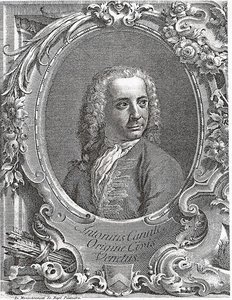
Canaletto
1697 - 1768 , Italy
Quick Facts
- Artistic Movement Or Style: Vedute Venice
- Artists Or Movements Influenced By This Artist: ['Tintoretto']
- Artists Who Influenced This Artist: ['Giovanni Paolo Pannini']
- Date Of Birth: October 18, 1697
- Date Of Death: April 19, 1768
- Full Name: Giovanni Antonio Canal
- Nationality: Italian
- Notable Artworks:
- The Stonemason's Yard
- Regatta on the Grand Canal
- Eton College
- Place Of Birth: Venice, Italy
Related Articles

Beyond the Horizon: 10 Landscape Masterpieces for Your Home Decor
Journey through 10 breathtaking landscape paintings by Monet, Van Gogh & more! Explore iconic artworks, artistic techniques & find inspiration for your home decor. Museum-quality reproductions at ArtsDot.com. Discover all masterpieces on ArtsDot.com

Hokusai's Masterpieces: 25 Iconic Prints & Paintings for Art Lovers | ArtsDot
Journey through Katsushika Hokusai’s 25 most iconic artworks, including *The Great Wave*. Explore the ukiyo-e master's history, style & timeless Japanese woodblock prints. Find museum-quality reproductions for your home at ArtsDot.com.

Romantic Landscapes: 10 Masterpieces for Your Home | ArtsDot
Journey through 10 Romantic landscape masterpieces by Friedrich, Turner & Cole. Explore emotional art, sublime nature scenes & iconic 19th-century paintings. Find museum-quality reproductions for your home at ArtsDot.com – discover the full collection online!
Giclée Prints: Archival Quality & Aesthetic Nuances for the Discerning Collector
Explore the world of giclée prints with ArtsDot. Learn about archival quality, aesthetic nuances & investment potential. Expert guidance for discerning art collectors seeking museum-quality reproductions and lasting value.
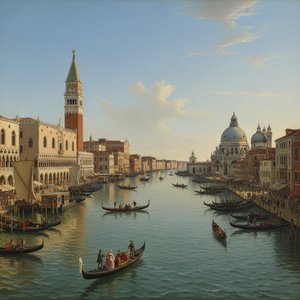
Giovanni Antonio Canal (Canaletto): A Venetian Master of Light, Space & Societal Observation
Explore the life & art of Giovanni Antonio Canal (Canaletto), a Venetian master renowned for his breathtaking cityscapes. Discover his techniques, legacy, and captivating depictions of 18th-century Venice & London.