 Preview
 Send
Send Share
Share
 Details

 Download
 Similars
 X-Ray
X-Ray Diaporama
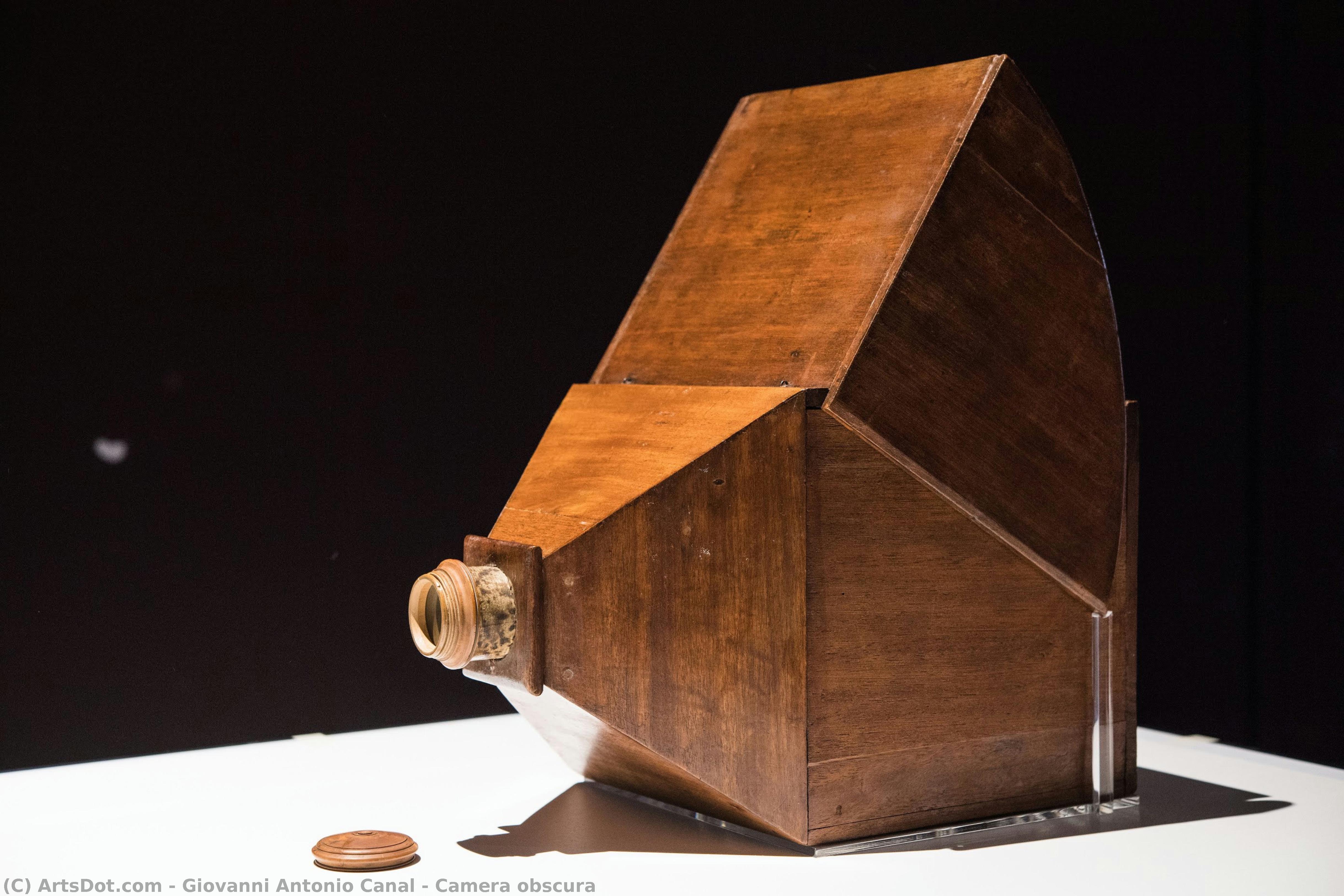
Camera obscura
 Acrylic
- WallArt
- Impressionism
 1700
1700 22.0 x 38.0 cm
 Museo Correr
 Read More
Hand Made Oil Reproduction
Hand-painted oil on canvas in your size and frame, made to order by our artists. ( Buy Print Buy Image)




P118B $10

P118H $10

P118W $10

P438Z $10

P508JH $12

P508YH $12

P805H $10

P805Z $10

P919BZ $10

P919G $10

P919XJ $10

P959ZH $10

P968JZ $12

W106C $8

W218G $10

W218JH $8

W218Y $10

W307PJ $10

W316G $10

W316PJ $8

W316Y $10

W398PJ $8

W4111J $10

W500HY $15

W500JH $15

W692G $12

W849H $8

W940BG $15

W953PJ $8




Pick from our preset sizes that match the artwork's original proportions.

You may enter your own dimensions to fit a specific frame or space. If your selected size does not match the original image's proportions, we will either crop the artwork or extend the painting with additional hand-painted elements. A digital mockup will be sent for your approval before production begins.
Please note that the on-screen preview does not reflect the actual cropping or extension. Only the mockup will accurately show the final composition.
While custom sizes are available, we recommend selecting a dimension from the predefined list to preserve the original proportions.
After order, ArtsDot.com team will email client for instructions and provide a mockup preview
Worldwide Delivery () in 3/4 weeks instead of standard 5 weeks. (16 August). No compromise on quality.

Free Worldwide Express Shipping

High-Quality Linen Canvas

Full Shipping Insurance

Customs Tax Refund Guarantee

True Color Matching Guarantee

60-Day Return Policy (Defects Only)

100% Money-Back Guarantee

Bulk Discount Offer
 Glass option is only available in size under 110 CM

Camera obscura
Reproduction Medium
Reproduction Size
-


Total Price
$ 263
Artwork Description
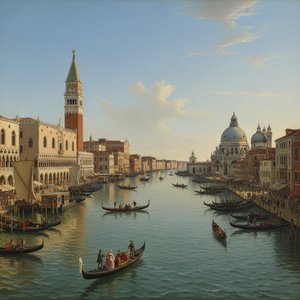
Canaletto’s Camera Obscura: A Window Into Venetian Vision
The artist Giovanni Antonio Canaletto, commonly known as Canaletto (1697 – 1768), stands as one of the most celebrated figures in eighteenth-century Venetian painting. His meticulous depictions of Venice—the canals shimmering under sunlight, the palaces adorned with opulent decoration—captivate viewers even today. But beyond their aesthetic beauty lies a fascinating secret: Canaletto’s unparalleled accuracy stems from a technique that predates photography – the camera obscura. This ingenious device, essentially a darkened room equipped with a pinhole aperture and a mirror, allowed him to capture the essence of his surroundings with remarkable precision, shaping not only his artistic output but also influencing the broader understanding of perspective and visual representation.- The Device Itself: Canaletto’s camera obscura wasn't merely a tool; it was a conceptual breakthrough. Constructed from wood and glass, it functioned by projecting an inverted image of the outside world onto a surface within—typically tracing paper or canvas—positioned opposite to the pinhole. This method ensured that the artist could faithfully reproduce architectural details and atmospheric effects without resorting to laborious sketching techniques.
- A Reflection of Scientific Curiosity: Canaletto’s embrace of the camera obscura reflects the burgeoning scientific interest in optics during his lifetime. Astronomers and mathematicians alike were experimenting with similar instruments, attempting to unravel the mysteries of light and vision. Canaletto's use of this technique wasn't simply artistic expediency; it represented a conscious engagement with contemporary intellectual debates about how we perceive reality.
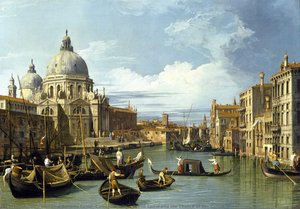
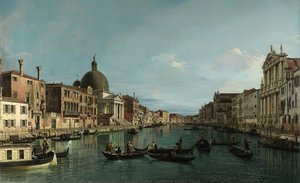
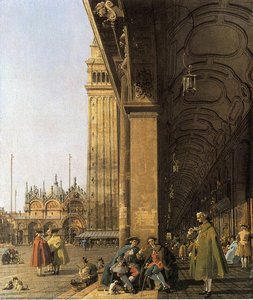
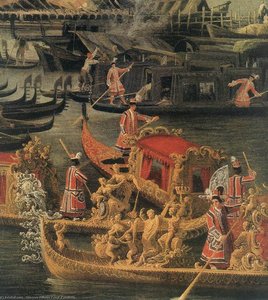
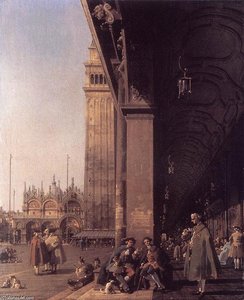
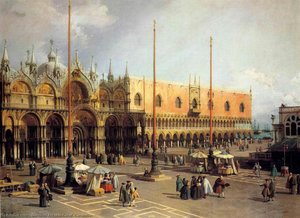
- Venetian Landscape Painting: The camera obscura profoundly impacted Canaletto’s style. By allowing him to observe the scene from multiple viewpoints simultaneously, he achieved a level of realism previously unattainable. His paintings—particularly those capturing the grandeur of St Mark's Square and the Doge’s Palace—are characterized by subtle gradations of color, masterful shading, and an astonishingly accurate depiction of architectural proportions.
- Symbolism Beyond Technique: Canaletto’s camera obscura technique wasn’t just about achieving visual accuracy; it also conveyed a deeper symbolic message. The darkened room represented introspection and contemplation—a deliberate distancing from the immediate sensory experience to gain access to a more profound understanding of the world around him. This approach mirrored the philosophical currents of the Enlightenment, emphasizing reason and observation as pathways to knowledge.
- Legacy in Photography: Canaletto’s pioneering use of the camera obscura foreshadowed the invention of photography centuries later. By demonstrating that it was possible to capture an image without direct contact with the subject matter—a feat previously considered impossible—he fundamentally altered our conception of artistic representation and paved the way for a new era of visual art.
Notable Works Featuring Camera Obscura Technique
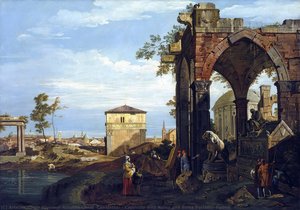
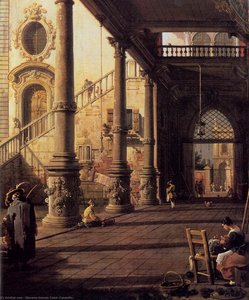
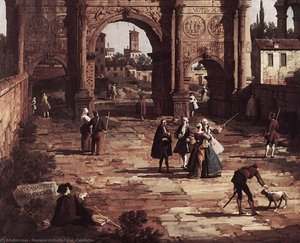
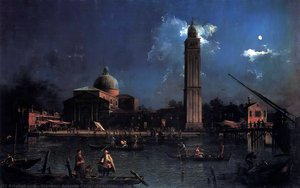
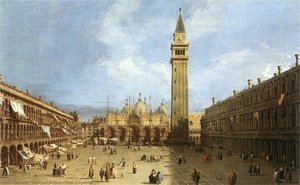
Canaletto’s mastery of perspective is evident in several iconic paintings, including “The Stonemason’s Yard” (c. 1725), where he meticulously rendered the textures and colors of the building materials with astonishing detail. Similarly, his depiction of St Mark's Square—particularly the Doge’s Palace—captures the shimmering light reflecting off the facades and windows, achieved through careful observation and skillful blending of pigments. These paintings stand as testament to Canaletto’s unwavering commitment to capturing the beauty and complexity of Venice with unparalleled accuracy – a feat made possible by his ingenious use of the camera obscura.Exploring Canaletto's Influence on Later Artists
Canaletto’s innovative approach to landscape painting resonated deeply with artists who followed him, notably Francesco Guardi and Michele Marieschi. These painters adopted similar techniques—primarily employing atmospheric perspective and meticulous detail—to convey the grandeur of Venetian vistas. Canaletto’s legacy extends beyond his own artistic achievements; he established a precedent for realistic representation that continues to inspire artists today, demonstrating that observation and careful technique can unlock profound insights into capturing the essence of visual experience.Reproductions & Inspiration
High-quality reproductions of Canaletto's paintings offer an exceptional opportunity to appreciate his artistic genius and immerse oneself in the atmosphere of eighteenth-century Venice. Consider framing a print alongside a photograph taken from one of Canaletto’s original viewpoints—a powerful gesture that honors both the artist’s pioneering technique and the enduring beauty of Venetian landscapes. Let Canaletto's Camera Obscura serve as a reminder that true artistic vision requires not only skill but also an unwavering dedication to observing and interpreting the world around us.Related Artworks
Artist Biography
early life and training
giovanni antonio canal, commonly known as canaletto, was born on october 18, 1697, in venice, italy. he was the son of bernardo canal, a painter of theatrical scene settings, and artemisia barbieri. canaletto's early training in painting began with his father, who taught him the fundamentals of art.
the making of a master
in 1718, canaletto traveled to rome, where he worked on producing scenery for two operas by alessandro scarlatti. this experience had a profound impact on his development as an artist. upon returning to venice, canaletto began painting in his signature topographical style, which would eventually make him famous.
notable works and collaborations
some of canaletto's most notable works include:
- the stonemason's yard (c. 1725), a masterpiece showcasing his early skill.
- regatta on the grand canal, a vivid depiction of venetian public ceremonies.
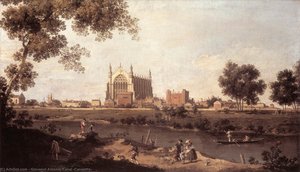
- eton college (1746-1756), a testament to his influence in england. collaboration with his nephew bellotto, who became an accomplished artist in his own right.
artistic style and technique
canaletto's use of precise perspective and meticulous preparatory drawings has led some experts to believe he may have employed a camera obscura for topographical accuracy. however, his primary concern remained the compositional design, ensuring his works were not merely accurate recordings but also visually stunning.
legacy and collections
canaletto's work can be found in various museums, including the national gallery, london, which showcases his influence on 18th-century art. his legacy extends to the numerous artists he inspired, cementing his place as a master of venetian landscapes.
- view canaletto's works at https://ArtsDot.com/@/giovanni-antonio-canal
- explore more about canaletto on wikipedia
- discover the beauty of venetian art at the palumbo-fossati collection (venice, italy)
key dates
- october 18, 1697: born in venice, italy
- 1718: traveled to rome
- 1725: painted the stonemason's yard
- 1746-1756: visited england, painting notable works like eton college
- april 19, 1768: passed away in venice, italy
remember to explore the world of art at https://ArtsDot.com for more biographies and artworks.
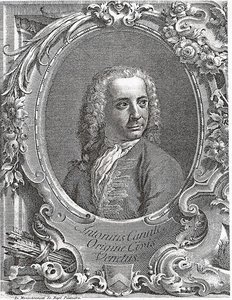
Canaletto
1697 - 1768 , Italy
Quick Facts
- Artistic Movement Or Style: Vedute Venice
- Artists Or Movements Influenced By This Artist: ['Tintoretto']
- Artists Who Influenced This Artist: ['Giovanni Paolo Pannini']
- Date Of Birth: October 18, 1697
- Date Of Death: April 19, 1768
- Full Name: Giovanni Antonio Canal
- Nationality: Italian
- Notable Artworks:
- The Stonemason's Yard
- Regatta on the Grand Canal
- Eton College
- Place Of Birth: Venice, Italy
Related Articles
Giovanni Antonio Canal (Canaletto): A Venetian Master of Light, Space & Societal Observation
Explore the life & art of Giovanni Antonio Canal (Canaletto), a Venetian master renowned for his breathtaking cityscapes. Discover his techniques, legacy, and captivating depictions of 18th-century Venice & London.

The Enduring Power of Painting: A Historical & Contemporary Exploration of Form and Emotion
Explore the rich history & enduring techniques of oil painting with ArtsDot. Discover masterpieces, learn about art collecting, and find authentic handmade reproductions crafted by skilled artists.

Baroque Drama: Bringing Opulence & Emotion into Contemporary Interiors
Explore the opulent world of Baroque interior design! Discover key elements, modern applications & how to bring dramatic elegance into your home with 's authentic reproductions.

The Enduring Legacy of Oil on Canvas: Technique, History & Aesthetic Impact
Explore the rich history & techniques of oil painting – from Renaissance masters to Impressionism. Discover pigments, layering methods, and why this timeless medium endures. Expert insights for artists & art enthusiasts.

The Dramatic Flourish: Exploring the Baroque Movement's Enduring Legacy in Art History
Explore the dramatic world of Baroque art! Discover iconic artists like Caravaggio & Rubens, defining techniques, and its lasting impact on art history. Expert insights for collectors & enthusiasts at ArtsDot.