 Preview
 Send
Send Share
Share
 Details

 Download
 Similars
 X-Ray
X-Ray Diaporama
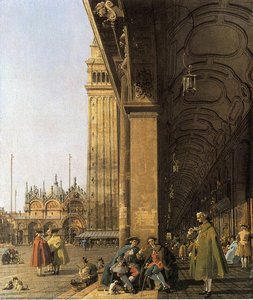
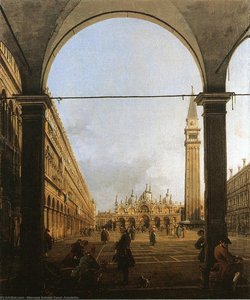
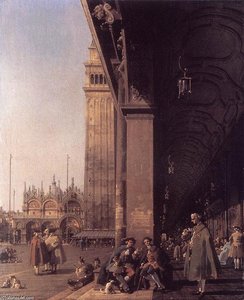
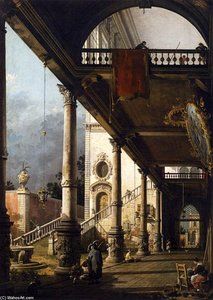
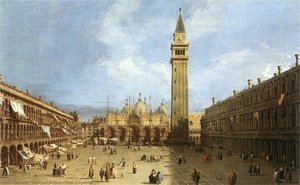
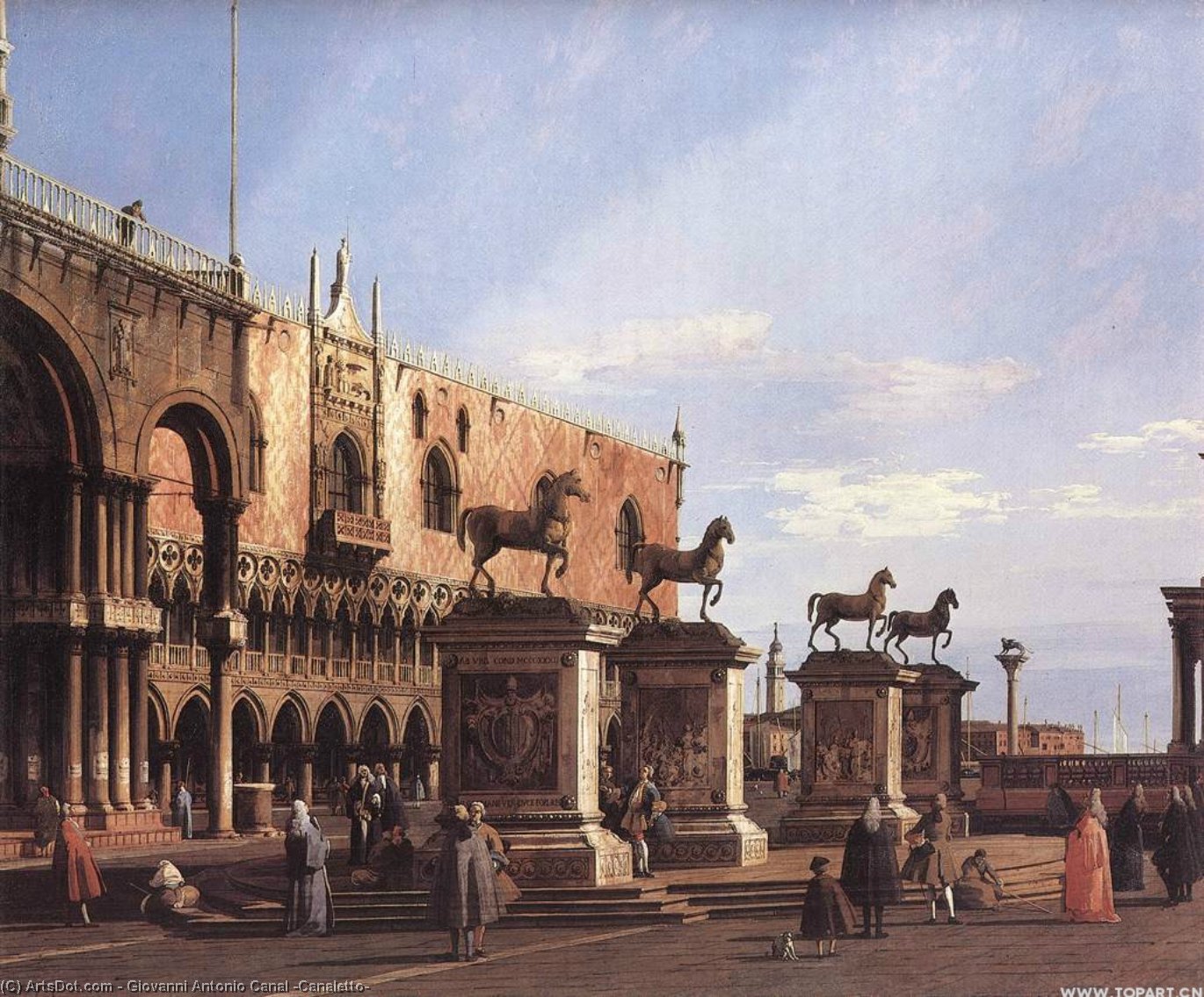
Capriccio: The Horses of San Marco in the Piazzetta
 Oil On Canvas
- WallArt
- Rococo
 1743
1743- Early Modern
 108.0 x 129.0 cm
 Read More
Giclée / Art Print
Museum-quality giclée or canvas print with fast production and flexible finish options. ( Buy Hand Made Painting Buy Image)




P118B $10

P118H $10

P118W $10

P438Z $10

P508JH $12

P508YH $12

P805H $10

P805Z $10

P919BZ $10

P919G $10

P919XJ $10

P959ZH $10

P968JZ $12

W106C $8

W218G $10

W218JH $8

W218Y $10

W307PJ $10

W316G $10

W316PJ $8

W316Y $10

W398PJ $8

W4111J $10

W500HY $15

W500JH $15

W692G $12

W849H $8

W940BG $15

W953PJ $8




Pick from our preset sizes that match the artwork's original proportions.

You may enter your own dimensions to fit a specific frame or space. If your selected size does not match the original image's proportions, we will either crop the artwork or extend the image with a mirrored or solid-fill edge. A digital mockup will be sent for your approval before production begins.
Please note that the on-screen preview does not reflect the actual cropping or extension. Only the mockup will accurately show the final composition.
While custom sizes are available, we recommend selecting a dimension from the predefined list to preserve the original proportions.
Worldwide Delivery () in 2 weeks instead of standard 4/5 weeks. (16 August)

Free Worldwide Express Shipping

High-Quality Linen Canvas

Full Shipping Insurance

Customs Tax Refund Guarantee

True Color Matching Guarantee

60-Day Return Policy (Defects Only)

100% Money-Back Guarantee

Bulk Discount Offer
 Glass option is only available in size under 110 CM

Capriccio: The Horses of San Marco in the Piazzetta
Giclée / Art Print
Reproduction Size
-


Total Price
$ 63
Collectible Description
A Venetian Dream in Stone and Pigment
To gaze upon Canaletto's Capriccio: The Horses of San Marco in the Piazzetta is to step, quite literally, into a sun-drenched moment suspended in time. This painting is not merely a depiction of a courtyard; it is an immersion into the very spirit of veduta—the breathtaking view—as filtered through the exquisite lens of Rococo elegance. The scene unfolds with an almost theatrical richness, presenting a lively confluence of architectural grandeur and pastoral life. Statues of magnificent horses stand sentinel alongside casually gathered figures, all bathed in the luminous quality only Venice seems capable of capturing. It evokes the pleasure of leisure, the quiet drama of daily life played out against the backdrop of monumental art.
The Mastery of Rococo Light and Movement
Canaletto’s handling of light here is nothing short of miraculous. The Oil On Canvas medium allows him to render textures—the cool, hard stone of the piazzetta, the glossy sheen on a horse's mane, the soft folds of drapery—with breathtaking verisimilitude. This piece exemplifies the Rococo style in its playful yet sophisticated execution. While the subject matter is grand, the overall tone remains light and airy, avoiding heavy melodrama for instead embracing an atmosphere of graceful activity. Notice how the composition guides the eye: from the foreground where details beckon, past the scattered figures interacting with a dog near the right edge, and deep into the receding space defined by the architecture. This careful orchestration creates a palpable sense of energy and movement.
Historical Echoes and Venetian Life
Painted in 1743, this work captures Venice during a period where its artistic life was at its zenith, yet also one that saw the rise of sophisticated leisure culture. Canaletto himself, having honed his craft by painting scenery for operas in Rome, understood how to stage a scene. He imbued this courtyard with a sense of curated perfection—a perfect postcard moment made tangible. The inclusion of classical statuary alongside contemporary figures suggests a dialogue across centuries; the past observing the present. It speaks to the enduring romance of Venice, where art and daily existence are inextricably intertwined.
Bringing the Piazza Home
For the collector or designer seeking an anchor piece for a grand hall, drawing-room, or gallery space, this reproduction offers unparalleled depth. Owning a piece echoing Canaletto’s genius means acquiring more than just decoration; it is acquiring a narrative of light, culture, and enduring beauty. The scale of 108 x 129 cm allows the entire vibrant tableau to breathe, ensuring that every statue, every person, and every sunbeam contributes to a cohesive, emotionally resonant whole. It promises not just visual splendor, but an emotional transport back to the golden age of Venetian artistry.
Related Artworks
Artist Biography
early life and training
giovanni antonio canal, commonly known as canaletto, was born on october 18, 1697, in venice, italy. he was the son of bernardo canal, a painter of theatrical scene settings, and artemisia barbieri. canaletto's early training in painting began with his father, who taught him the fundamentals of art.
the making of a master
in 1718, canaletto traveled to rome, where he worked on producing scenery for two operas by alessandro scarlatti. this experience had a profound impact on his development as an artist. upon returning to venice, canaletto began painting in his signature topographical style, which would eventually make him famous.
notable works and collaborations
some of canaletto's most notable works include:
- the stonemason's yard (c. 1725), a masterpiece showcasing his early skill.
- regatta on the grand canal, a vivid depiction of venetian public ceremonies.
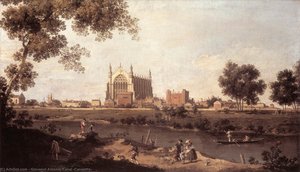
- eton college (1746-1756), a testament to his influence in england. collaboration with his nephew bellotto, who became an accomplished artist in his own right.
artistic style and technique
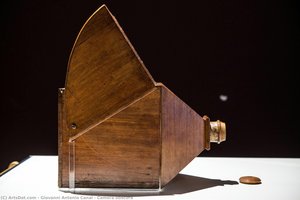
canaletto's use of precise perspective and meticulous preparatory drawings has led some experts to believe he may have employed a camera obscura for topographical accuracy. however, his primary concern remained the compositional design, ensuring his works were not merely accurate recordings but also visually stunning.
legacy and collections
canaletto's work can be found in various museums, including the national gallery, london, which showcases his influence on 18th-century art. his legacy extends to the numerous artists he inspired, cementing his place as a master of venetian landscapes.
- view canaletto's works at https://ArtsDot.com/@/giovanni-antonio-canal
- explore more about canaletto on wikipedia
- discover the beauty of venetian art at the palumbo-fossati collection (venice, italy)
key dates
- october 18, 1697: born in venice, italy
- 1718: traveled to rome
- 1725: painted the stonemason's yard
- 1746-1756: visited england, painting notable works like eton college
- april 19, 1768: passed away in venice, italy
remember to explore the world of art at https://ArtsDot.com for more biographies and artworks.
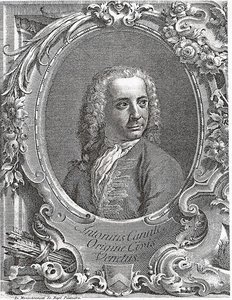
Canaletto
1697 - 1768 , Italy
Quick Facts
- Artistic Movement Or Style: Vedute Venice
- Artists Or Movements Influenced By This Artist: ['Tintoretto']
- Artists Who Influenced This Artist: ['Giovanni Paolo Pannini']
- Date Of Birth: October 18, 1697
- Date Of Death: April 19, 1768
- Full Name: Giovanni Antonio Canal
- Nationality: Italian
- Notable Artworks:
- The Stonemason's Yard
- Regatta on the Grand Canal
- Eton College
- Place Of Birth: Venice, Italy
Related Articles
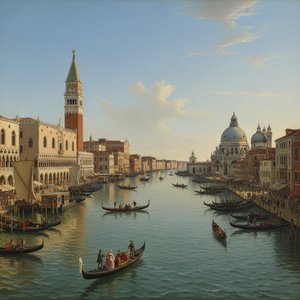
Giovanni Antonio Canal (Canaletto): A Venetian Master of Light, Space & Societal Observation
Explore the life & art of Giovanni Antonio Canal (Canaletto), a Venetian master renowned for his breathtaking cityscapes. Discover his techniques, legacy, and captivating depictions of 18th-century Venice & London.

The Rococo Aesthetic: Opulence, Rebellion & the Pursuit of Pleasure in 18th-Century Art
Explore the opulent world of Rococo art! Discover its origins, key artists like Watteau & Boucher, and lasting influence on design. Expert insights for collectors & enthusiasts.

Rococo's Radiant Legacy: 10 Masterpieces for Your Home |
Indulge in the elegance of Rococo! Explore 10 masterpieces by Fragonard, Boucher & Watteau. Discover the stories behind these iconic paintings and bring timeless art to your home with museum-quality reproductions from .

Giclée Prints: Archival Quality & Aesthetic Nuances for the Discerning Collector
Explore the world of giclée prints with ArtsDot. Learn about archival quality, aesthetic nuances & investment potential. Expert guidance for discerning art collectors seeking museum-quality reproductions and lasting value.
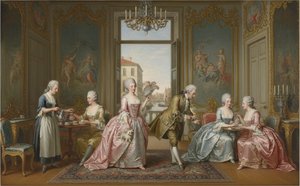
Pietro Longhi's Venetian Scenes: A Study of Rococo Society & Domestic Life
Explore the captivating world of Pietro Longhi's Venetian scenes! Discover insightful analysis of his Rococo masterpieces & social commentary on 18th-century life. Learn about this 'Venetian Hogarth' and his lasting artistic legacy.