 Preview
 Send
Send Share
Share
 Details

 Download
 Similars
 X-Ray
X-Ray Diaporama
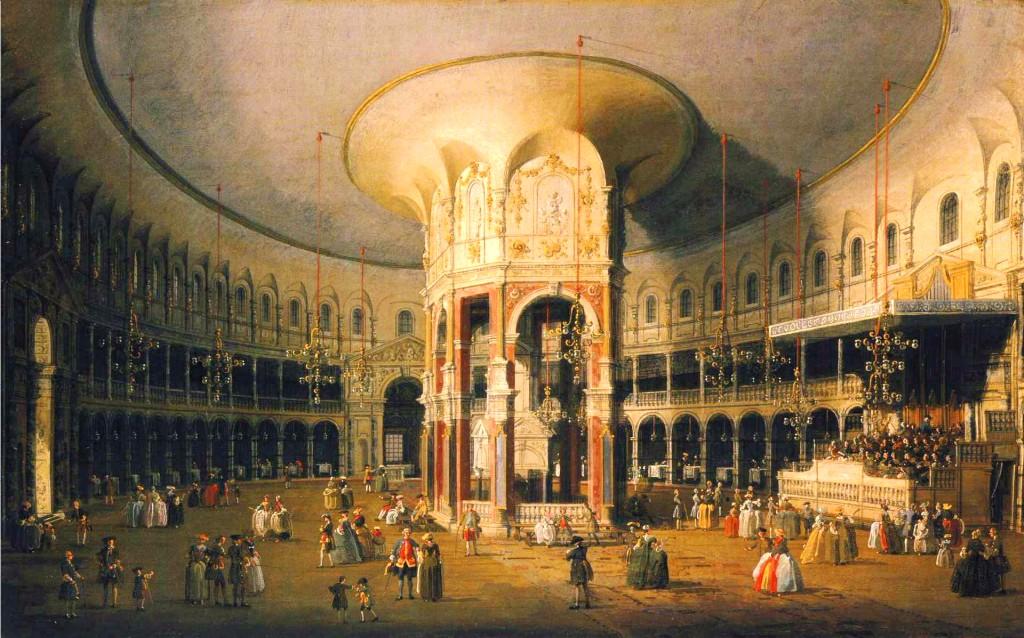
London, The Interior of the Rotunda at Ranelagh


 Read More
Hand Made Oil Reproduction
Hand-painted oil on canvas in your size and frame, made to order by our artists. ( Buy Print Buy Image)




P118B $10

P118H $10

P118W $10

P438Z $10

P508JH $12

P508YH $12

P805H $10

P805Z $10

P919BZ $10

P919G $10

P919XJ $10

P959ZH $10

P968JZ $12

W106C $8

W218G $10

W218JH $8

W218Y $10

W307PJ $10

W316G $10

W316PJ $8

W316Y $10

W398PJ $8

W4111J $10

W500HY $15

W500JH $15

W692G $12

W849H $8

W940BG $15

W953PJ $8




Pick from our preset sizes that match the artwork's original proportions.

You may enter your own dimensions to fit a specific frame or space. If your selected size does not match the original image's proportions, we will either crop the artwork or extend the painting with additional hand-painted elements. A digital mockup will be sent for your approval before production begins.
Please note that the on-screen preview does not reflect the actual cropping or extension. Only the mockup will accurately show the final composition.
While custom sizes are available, we recommend selecting a dimension from the predefined list to preserve the original proportions.
After order, ArtsDot.com team will email client for instructions and provide a mockup preview
Worldwide Delivery () in 3/4 weeks instead of standard 5 weeks. (16 August). No compromise on quality.

Free Worldwide Express Shipping

High-Quality Linen Canvas

Full Shipping Insurance

Customs Tax Refund Guarantee

True Color Matching Guarantee

60-Day Return Policy (Defects Only)

100% Money-Back Guarantee

Bulk Discount Offer
 Glass option is only available in size under 110 CM

London, The Interior of the Rotunda at Ranelagh
Reproduction Medium
Reproduction Size
-


Total Price
$ 263
Artwork Description
A Glimpse of Georgian Society: Canaletto’s “London, The Interior of the Rotunda at Ranelagh”
Giovanni Antonio Canal, universally known as Canaletto, possessed an extraordinary ability to capture not just the appearance of a scene but also its very essence. His 1754 painting, "London, The Interior of the Rotunda at Ranelagh," offers a remarkably intimate window into Georgian London’s vibrant social life and artistic sensibilities. More than simply a depiction of a pleasure garden, it's a meticulously observed tableau of wealth, leisure, and the burgeoning spirit of modernity that defined the era.
The painting transports us to Ranelagh Gardens in Chelsea, a fashionable entertainment destination favored by London’s elite. Canaletto masterfully renders the Rotunda itself – a grand, circular structure with a soaring dome, its intricate details illuminated by carefully considered light. The architecture speaks volumes about the era's fascination with classical forms and the desire for opulent display. Notice the precision of the perspective, the subtle gradations in tone that create a sense of depth, and the artist’s keen eye for capturing the play of light on polished surfaces – hallmarks of Canaletto’s distinctive style.
A Symphony of Observation: Technique and Detail
Canaletto's technique is characterized by an almost photographic realism, achieved through painstaking observation and a remarkable understanding of perspective. He employed a layered approach, beginning with a preliminary sketch to establish the composition and then building up the image in thin glazes of oil paint, allowing each layer to dry before applying the next. This method created a luminous quality and enhanced the sense of depth within the scene. The artist’s use of color is particularly noteworthy – rich reds, deep blues, and shimmering golds are juxtaposed with softer hues, creating a dynamic and engaging visual experience.
The level of detail is astonishing. From the elaborate embroidery on the ladies' gowns to the delicate patterns on the furniture, every element has been rendered with meticulous care. Canaletto wasn’t merely recording; he was celebrating the beauty and sophistication of London society. The inclusion of numerous figures – gentlemen in powdered wigs and elegant coats, ladies adorned with jewels and feathers – adds a sense of movement and life to the scene. It's as if we are eavesdropping on a lively conversation, witnessing a moment of shared enjoyment.
A Window into Georgian Life
“London, The Interior of the Rotunda at Ranelagh” offers more than just a visual record; it’s a cultural artifact that provides invaluable insights into Georgian London. Ranelagh Gardens were a crucial part of the city's social fabric, offering an escape from the bustle and grime of urban life. These gardens represented a space for refinement, entertainment, and socializing – a microcosm of the broader societal values of the time.
The painting’s subject matter—a gathering of fashionable Londoners enjoying music, conversation, and fine food—reflects the growing prosperity and optimism of the era. It's a testament to the city’s role as a center of commerce, culture, and innovation. The inclusion of musicians suggests an appreciation for the arts and entertainment, while the presence of wealthy patrons underscores the importance of social status and patronage in Georgian society.
Symbolism and Emotional Resonance
Beyond its factual depiction, the painting is imbued with a subtle sense of elegance and refinement. The carefully arranged furniture, the graceful poses of the figures, and the overall composition create an atmosphere of sophisticated leisure. The light streaming through the dome casts a warm glow over the scene, evoking feelings of warmth, conviviality, and social connection.
Canaletto’s ability to capture not just the outward appearance but also the underlying mood of a scene is what makes “London, The Interior of the Rotunda at Ranelagh” such a compelling work. It's an invitation to step back in time and experience a fleeting moment of Georgian London’s vibrant social life – a testament to the enduring power of art to transport us to another world.
Related Artworks
Artist Biography
early life and training
giovanni antonio canal, commonly known as canaletto, was born on october 18, 1697, in venice, italy. he was the son of bernardo canal, a painter of theatrical scene settings, and artemisia barbieri. canaletto's early training in painting began with his father, who taught him the fundamentals of art.
the making of a master
in 1718, canaletto traveled to rome, where he worked on producing scenery for two operas by alessandro scarlatti. this experience had a profound impact on his development as an artist. upon returning to venice, canaletto began painting in his signature topographical style, which would eventually make him famous.
notable works and collaborations
some of canaletto's most notable works include:
- the stonemason's yard (c. 1725), a masterpiece showcasing his early skill.
- regatta on the grand canal, a vivid depiction of venetian public ceremonies.
- eton college (1746-1756), a testament to his influence in england. collaboration with his nephew bellotto, who became an accomplished artist in his own right.
artistic style and technique
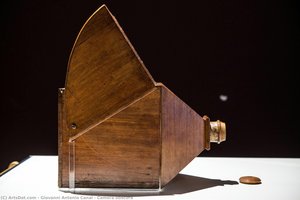
canaletto's use of precise perspective and meticulous preparatory drawings has led some experts to believe he may have employed a camera obscura for topographical accuracy. however, his primary concern remained the compositional design, ensuring his works were not merely accurate recordings but also visually stunning.
legacy and collections
canaletto's work can be found in various museums, including the national gallery, london, which showcases his influence on 18th-century art. his legacy extends to the numerous artists he inspired, cementing his place as a master of venetian landscapes.
- view canaletto's works at https://ArtsDot.com/@/giovanni-antonio-canal
- explore more about canaletto on wikipedia
- discover the beauty of venetian art at the palumbo-fossati collection (venice, italy)
key dates
- october 18, 1697: born in venice, italy
- 1718: traveled to rome
- 1725: painted the stonemason's yard
- 1746-1756: visited england, painting notable works like eton college
- april 19, 1768: passed away in venice, italy
remember to explore the world of art at https://ArtsDot.com for more biographies and artworks.
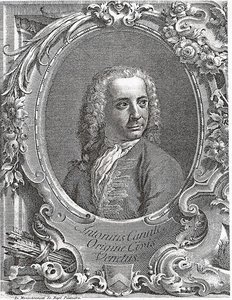
Canaletto
1697 - 1768 , Italy
Quick Facts
- Artistic Movement Or Style: Vedute Venice
- Artists Or Movements Influenced By This Artist: ['Tintoretto']
- Artists Who Influenced This Artist: ['Giovanni Paolo Pannini']
- Date Of Birth: October 18, 1697
- Date Of Death: April 19, 1768
- Full Name: Giovanni Antonio Canal
- Nationality: Italian
- Notable Artworks:
- The Stonemason's Yard
- Regatta on the Grand Canal
- Eton College
- Place Of Birth: Venice, Italy
Related Articles
Giovanni Antonio Canal (Canaletto): A Venetian Master of Light, Space & Societal Observation
Explore the life & art of Giovanni Antonio Canal (Canaletto), a Venetian master renowned for his breathtaking cityscapes. Discover his techniques, legacy, and captivating depictions of 18th-century Venice & London.

The Enduring Legacy of Oil on Canvas: Technique, History & Aesthetic Impact
Explore the rich history & techniques of oil painting – from Renaissance masters to Impressionism. Discover pigments, layering methods, and why this timeless medium endures. Expert insights for artists & art enthusiasts.

Oil on Canvas: A Historical & Technical Exploration of a Timeless Artistic Medium
Explore the rich history & enduring techniques of oil painting on canvas. Discover the science behind its longevity, conservation practices, and contemporary relevance. Expert insights for art enthusiasts.

The Enduring Power of Painting: A Historical & Contemporary Exploration of Form and Emotion
Explore the rich history & enduring techniques of oil painting with ArtsDot. Discover masterpieces, learn about art collecting, and find authentic handmade reproductions crafted by skilled artists.
The Golden Light of Innovation: Exploring the Venetian Renaissance Art Movement (1430–1580)
Explore the Golden Age of Venetian art (1430–1580). Discover Giorgione, Titian & Tintoretto's techniques, the 'colorito' revolution, and lasting influence. Expert insights for collectors & enthusiasts.