 Send
Send Share
Share
 Details

 Download
 Similars
 Diaporama
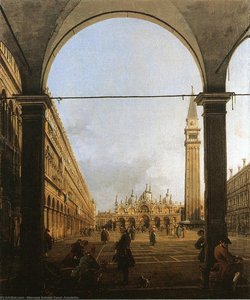
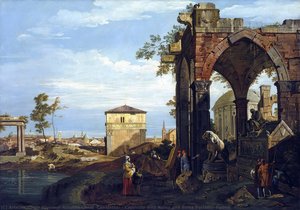
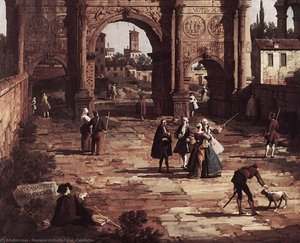
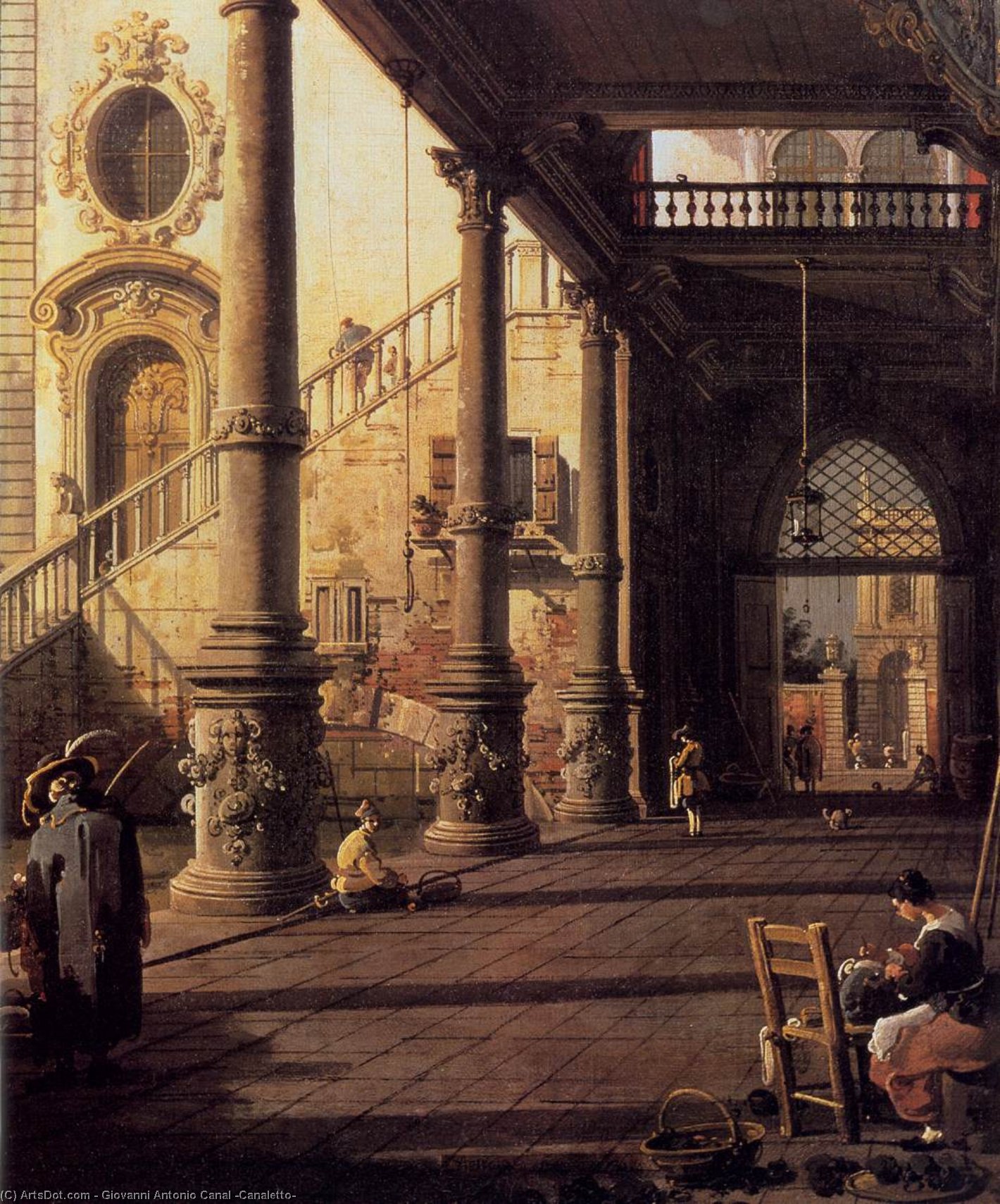
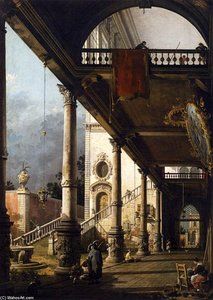
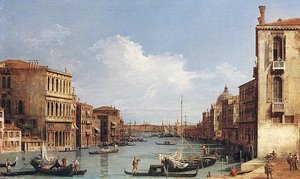
Perspective View with Portico (detail)


 Read More
Hand Made Oil Reproduction
Hand-painted oil on canvas in your size and frame, made to order by our artists. ( Buy Print Buy Image)




































Pick from our preset sizes that match the artwork's original proportions.

You may enter your own dimensions to fit a specific frame or space. If your selected size does not match the original image's proportions, we will either crop the artwork or extend the painting with additional hand-painted elements. A digital mockup will be sent for your approval before production begins.
Please note that the on-screen preview does not reflect the actual cropping or extension. Only the mockup will accurately show the final composition.
While custom sizes are available, we recommend selecting a dimension from the predefined list to preserve the original proportions.
After order, ArtsDot.com team will email client for instructions and provide a mockup preview
Worldwide Delivery () in 3/4 weeks instead of standard 5 weeks. (16 August). No compromise on quality.

Free Worldwide Express Shipping

High-Quality Linen Canvas

Full Shipping Insurance

Customs Tax Refund Guarantee

True Color Matching Guarantee

60-Day Return Policy (Defects Only)

100% Money-Back Guarantee

Bulk Discount Offer
 Glass option is only available in size under 110 CM

Perspective View with Portico (detail)
Reproduction Medium
Reproduction Size
-


Total Price
$ 263
Artwork Description
A Window Into Venetian Life: Canaletto’s Perspective View with Portico
Giovanni Antonio Canaletto, known universally as Canaletto, emerged from the vibrant artistic milieu of Venice in the mid-18th century, establishing himself as one of the foremost topographical painters of his era. Born in 1697 to Bernardo Canal and Artemisia Barbieri – a lineage steeped in artistic tradition – Canaletto’s formative years instilled within him an unwavering dedication to capturing the essence of urban landscapes with remarkable precision and evocative beauty. His journey began with apprenticeship under his father, honing foundational skills in theatrical scenery painting before venturing into Rome where he collaborated on opera productions, solidifying his understanding of composition and dramatic presentation. Returning to Venice, Canaletto embarked upon a prolific artistic career characterized by his distinctive topographical style – a technique that would propel him to international acclaim. Unlike many artists of his time who prioritized idealized representations, Canaletto meticulously documented the realities of Venetian life, focusing on architectural grandeur alongside everyday scenes of commerce and social interaction. This commitment to realism was underpinned by masterful brushwork and a profound grasp of perspective, creating images that transported viewers directly into the heart of the city. Notable amongst his achievements were monumental canvases depicting iconic locations such as The Stonemason’s Yard (circa 1725), which showcased Canaletto's early talent and demonstrated his ability to convey atmosphere with subtle tonal variations. Equally captivating was Regatta on the Grand Canal, a vibrant portrayal of Venetian ceremonial processions—a testament to Canaletto’s skill in capturing movement and conveying the dynamism of public life. His commissions extended beyond Venice, notably including Eton College (1746-1756), where he meticulously rendered the collegiate campus with painstaking detail, cementing his reputation as an artist capable of transporting viewers across geographical boundaries. The influence of Canaletto’s work resonated deeply within the artistic circles of Europe, particularly England, where his paintings served as inspiration for architectural designs and interior decoration. His canvases weren't merely visual records; they functioned as conduits of cultural understanding, presenting Venice as a beacon of sophistication and artistic excellence. The artist’s meticulous attention to detail—the precise rendering of stonework, the subtle interplay of light and shadow—served not only to document the physical environment but also to convey an emotional resonance that captured the spirit of its time. Canaletto's legacy continues to inspire artists and collectors alike, reminding us of the power of art to illuminate history and elevate our perception of beauty.- Style: Topographical
- Technique: Oil on canvas; meticulous brushwork; masterful perspective projection.
- Historical Context: Venetian Baroque; Enlightenment Era; Commissions from aristocratic patrons and educational institutions.
Related Artworks
Artist Biography
early life and training
giovanni antonio canal, commonly known as canaletto, was born on october 18, 1697, in venice, italy. he was the son of bernardo canal, a painter of theatrical scene settings, and artemisia barbieri. canaletto's early training in painting began with his father, who taught him the fundamentals of art.
the making of a master
in 1718, canaletto traveled to rome, where he worked on producing scenery for two operas by alessandro scarlatti. this experience had a profound impact on his development as an artist. upon returning to venice, canaletto began painting in his signature topographical style, which would eventually make him famous.
notable works and collaborations
some of canaletto's most notable works include:
- the stonemason's yard (c. 1725), a masterpiece showcasing his early skill.
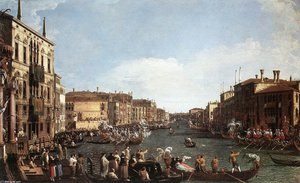
- regatta on the grand canal, a vivid depiction of venetian public ceremonies.
- eton college (1746-1756), a testament to his influence in england. collaboration with his nephew bellotto, who became an accomplished artist in his own right.
artistic style and technique
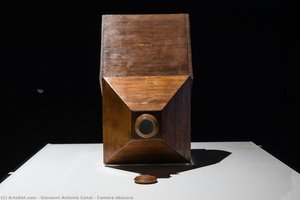
canaletto's use of precise perspective and meticulous preparatory drawings has led some experts to believe he may have employed a camera obscura for topographical accuracy. however, his primary concern remained the compositional design, ensuring his works were not merely accurate recordings but also visually stunning.
legacy and collections
canaletto's work can be found in various museums, including the national gallery, london, which showcases his influence on 18th-century art. his legacy extends to the numerous artists he inspired, cementing his place as a master of venetian landscapes.
- view canaletto's works at https://ArtsDot.com/@/giovanni-antonio-canal
- explore more about canaletto on wikipedia
- discover the beauty of venetian art at the palumbo-fossati collection (venice, italy)
key dates
- october 18, 1697: born in venice, italy
- 1718: traveled to rome
- 1725: painted the stonemason's yard
- 1746-1756: visited england, painting notable works like eton college
- april 19, 1768: passed away in venice, italy
remember to explore the world of art at https://ArtsDot.com for more biographies and artworks.
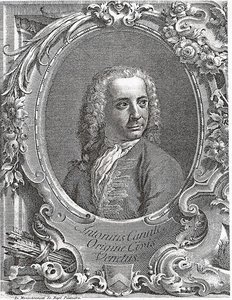
Canaletto
1697 - 1768 , Italy
Quick Facts
- Artistic Movement Or Style: Vedute Venice
- Artists Or Movements Influenced By This Artist: ['Tintoretto']
- Artists Who Influenced This Artist: ['Giovanni Paolo Pannini']
- Date Of Birth: October 18, 1697
- Date Of Death: April 19, 1768
- Full Name: Giovanni Antonio Canal
- Nationality: Italian
- Notable Artworks:
- The Stonemason's Yard
- Regatta on the Grand Canal
- Eton College
- Place Of Birth: Venice, Italy
Related Articles
Giovanni Antonio Canal (Canaletto): A Venetian Master of Light, Space & Societal Observation
Explore the life & art of Giovanni Antonio Canal (Canaletto), a Venetian master renowned for his breathtaking cityscapes. Discover his techniques, legacy, and captivating depictions of 18th-century Venice & London.

Giclée Prints: Archival Quality & Aesthetic Nuances for the Discerning Collector
Explore the world of giclée prints with ArtsDot. Learn about archival quality, aesthetic nuances & investment potential. Expert guidance for discerning art collectors seeking museum-quality reproductions and lasting value.

Echoes of Time: Exploring the Enduring Appeal & Historical Context of Vintage Art Prints
Explore the captivating world of vintage art prints! Discover their history, collecting tips & enduring appeal. Expert insights on chromolithography and building a legacy collection with ArtsDot.
Jacopo Tintoretto's Masterpieces: 25 Paintings That Define Venetian Drama | ArtsDot
Explore 25 breathtaking masterpieces by Jacopo Tintoretto, the Venetian master of drama and light. Discover the stories behind iconic Renaissance paintings & find museum-quality art reproductions to elevate your home decor on ArtsDot.com.

The Enduring Legacy of Fine Art Prints: Technique, History & Aesthetic Impact
Explore the rich history & techniques of fine art prints. Discover investment potential, assess authenticity, and learn how to preserve your collection with expert guidance. Trusted insights for discerning collectors.