 Preview
 Send
Send Share
Share
 Details

 Download
 Similars
 X-Ray
X-Ray Diaporama
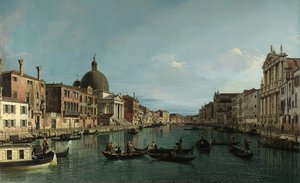
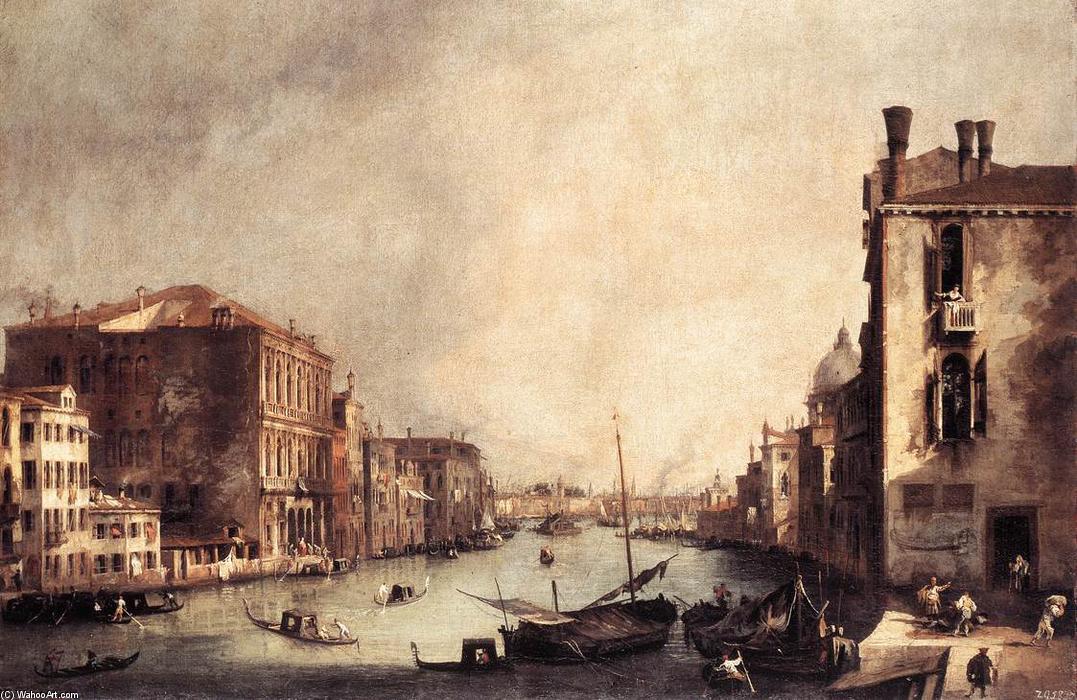
Rio dei Mendicanti: Looking South
 Oil On Canvas
- WallArt
- Baroque
 1725
1725- Early Modern
 69.0 x 97.0 cm
 Gemäldegalerie
 Read More
Hand Made Oil Reproduction
Hand-painted oil on canvas in your size and frame, made to order by our artists. ( Buy Print Buy Image)




P118B $10

P118H $10

P118W $10

P438Z $10

P508JH $12

P508YH $12

P805H $10

P805Z $10

P919BZ $10

P919G $10

P919XJ $10

P959ZH $10

P968JZ $12

W106C $8

W218G $10

W218JH $8

W218Y $10

W307PJ $10

W316G $10

W316PJ $8

W316Y $10

W398PJ $8

W4111J $10

W500HY $15

W500JH $15

W692G $12

W849H $8

W940BG $15

W953PJ $8




Pick from our preset sizes that match the artwork's original proportions.

You may enter your own dimensions to fit a specific frame or space. If your selected size does not match the original image's proportions, we will either crop the artwork or extend the painting with additional hand-painted elements. A digital mockup will be sent for your approval before production begins.
Please note that the on-screen preview does not reflect the actual cropping or extension. Only the mockup will accurately show the final composition.
While custom sizes are available, we recommend selecting a dimension from the predefined list to preserve the original proportions.
After order, ArtsDot.com team will email client for instructions and provide a mockup preview
Worldwide Delivery () in 3/4 weeks instead of standard 5 weeks. (25 August). No compromise on quality.

Free Worldwide Express Shipping

High-Quality Linen Canvas

Full Shipping Insurance

Customs Tax Refund Guarantee

True Color Matching Guarantee

60-Day Return Policy (Defects Only)

100% Money-Back Guarantee

Bulk Discount Offer
 Glass option is only available in size under 110 CM

Rio dei Mendicanti: Looking South
Reproduction Medium
Reproduction Size
-


Total Price
$ 263
Artwork Description
Rio dei Mendicanti: Looking South – A Venetian Masterpiece by Canaletto
The painting “Rio dei Mendicanti: Looking South,” created circa 1725 by Giovanni Antonio Canaletto, commonly known as Canaletto, stands as a quintessential example of Baroque veduta—a genre dedicated to capturing panoramic views of cities and landscapes with remarkable accuracy. Housed at the Gemäldegalerie Alte Meister in Dresden, Germany, this artwork transcends mere representation; it embodies Canaletto’s profound understanding of light, perspective, and the psychological impact of urban spaces on the human spirit. Measuring 69 x 97 cm and executed in oil on canvas, “Rio dei Mendicanti” offers a captivating glimpse into Venice during its golden age—a period marked by artistic flourishing and opulent patronage.A Window Into Venetian Life
The scene depicts a bustling canal lined with brick buildings reflecting the diffused sunlight of midday. Boats of varying sizes navigate the waterway, their hulls painted in muted hues that harmonize seamlessly with the cityscape’s palette. Canaletto meticulously rendered details—chimneys punctuating rooftops, windows gleaming with light, and even subtle variations in brickwork—demonstrating his mastery of camera obscura techniques. These devices allowed artists like Canaletto to project images onto canvases from darkened rooms, ensuring unparalleled precision and capturing fleeting atmospheric effects. The artist’s goal wasn't simply to depict what he saw; it was to convey the vibrancy and dynamism of Venetian daily life.Baroque Precision and Emotional Resonance
Canaletto’s stylistic approach firmly anchors “Rio dei Mendicanti” within the Baroque tradition, characterized by dramatic contrasts of light and shadow—chiaroscuro—and an emphasis on grandeur and theatricality. However, unlike many Baroque paintings focused solely on spectacle, Canaletto imbues his work with a palpable sense of tranquility and observation. The artist’s gaze seems to invite the viewer into the scene, fostering a feeling of immersion and prompting contemplation about the beauty inherent in everyday existence. This subtle emotional resonance distinguishes Canaletto's oeuvre from more overtly emotive styles prevalent during the period.Historical Context: Venice at Its Zenith
Venice in 1725 was arguably Europe’s wealthiest and most influential city, a maritime superpower controlling trade routes across the Mediterranean and boasting an unrivaled artistic heritage. Canaletto benefited enormously from this cultural climate, attracting commissions from wealthy patrons eager to commemorate Venetian splendor. His paintings served not only as decorative objects but also as powerful instruments of propaganda—celebrating Venice's prestige and reinforcing its position on the European stage. “Rio dei Mendicanti” thus encapsulates a pivotal moment in Venetian history, capturing the spirit of an era defined by artistic innovation and imperial ambition.Legacy and Influence
Canaletto’s meticulous observation and masterful technique profoundly impacted subsequent generations of artists—particularly landscape painters—establishing him as one of the foremost practitioners of veduta painting. His influence can be seen in works by artists such as Claude Lorrain and Nicolas Pocock, who adopted Canaletto's approach to capturing atmospheric perspective and conveying a sense of grandeur. Today, “Rio dei Mendicanti: Looking South” continues to inspire admiration for its beauty and intellectual depth—a testament to Canaletto’s enduring legacy as a visionary artist who transformed the genre of landscape painting forever.Related Artworks
Artist Biography
early life and training
giovanni antonio canal, commonly known as canaletto, was born on october 18, 1697, in venice, italy. he was the son of bernardo canal, a painter of theatrical scene settings, and artemisia barbieri. canaletto's early training in painting began with his father, who taught him the fundamentals of art.
the making of a master
in 1718, canaletto traveled to rome, where he worked on producing scenery for two operas by alessandro scarlatti. this experience had a profound impact on his development as an artist. upon returning to venice, canaletto began painting in his signature topographical style, which would eventually make him famous.
notable works and collaborations
some of canaletto's most notable works include:
- the stonemason's yard (c. 1725), a masterpiece showcasing his early skill.
- regatta on the grand canal, a vivid depiction of venetian public ceremonies.
- eton college (1746-1756), a testament to his influence in england. collaboration with his nephew bellotto, who became an accomplished artist in his own right.
artistic style and technique
canaletto's use of precise perspective and meticulous preparatory drawings has led some experts to believe he may have employed a camera obscura for topographical accuracy. however, his primary concern remained the compositional design, ensuring his works were not merely accurate recordings but also visually stunning.
legacy and collections
canaletto's work can be found in various museums, including the national gallery, london, which showcases his influence on 18th-century art. his legacy extends to the numerous artists he inspired, cementing his place as a master of venetian landscapes.
- view canaletto's works at https://ArtsDot.com/@/giovanni-antonio-canal
- explore more about canaletto on wikipedia
- discover the beauty of venetian art at the palumbo-fossati collection (venice, italy)
key dates
- october 18, 1697: born in venice, italy
- 1718: traveled to rome
- 1725: painted the stonemason's yard
- 1746-1756: visited england, painting notable works like eton college
- april 19, 1768: passed away in venice, italy
remember to explore the world of art at https://ArtsDot.com for more biographies and artworks.
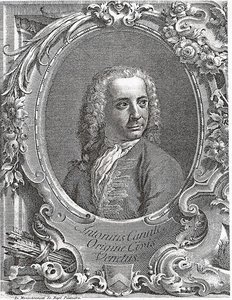
Canaletto
1697 - 1768 , Italy
Quick Facts
- Artistic Movement Or Style: Vedute Venice
- Artists Or Movements Influenced By This Artist: ['Tintoretto']
- Artists Who Influenced This Artist: ['Giovanni Paolo Pannini']
- Date Of Birth: October 18, 1697
- Date Of Death: April 19, 1768
- Full Name: Giovanni Antonio Canal
- Nationality: Italian
- Notable Artworks:
- The Stonemason's Yard
- Regatta on the Grand Canal
- Eton College
- Place Of Birth: Venice, Italy
Related Articles
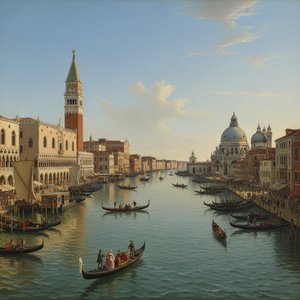
Giovanni Antonio Canal (Canaletto): A Venetian Master of Light, Space & Societal Observation
Explore the life & art of Giovanni Antonio Canal (Canaletto), a Venetian master renowned for his breathtaking cityscapes. Discover his techniques, legacy, and captivating depictions of 18th-century Venice & London.

Giclée Prints: Archival Quality & Aesthetic Nuances for the Discerning Collector
Explore the world of giclée prints with ArtsDot. Learn about archival quality, aesthetic nuances & investment potential. Expert guidance for discerning art collectors seeking museum-quality reproductions and lasting value.

The Enduring Legacy of Fine Art Prints: Technique, History & Aesthetic Impact
Explore the rich history & techniques of fine art prints. Discover investment potential, assess authenticity, and learn how to preserve your collection with expert guidance. Trusted insights for discerning collectors.

Baroque Drama: Bringing Opulence & Emotion into Contemporary Interiors
Explore the opulent world of Baroque interior design! Discover key elements, modern applications & how to bring dramatic elegance into your home with 's authentic reproductions.

Echoes of Time: Exploring the Enduring Appeal & Historical Context of Vintage Art Prints
Explore the captivating world of vintage art prints! Discover their history, collecting tips & enduring appeal. Expert insights on chromolithography and building a legacy collection with ArtsDot.