

 Preview
 Send
Send Share
Share
 Details

 Download
 Similars
 X-Ray
X-Ray Diaporama
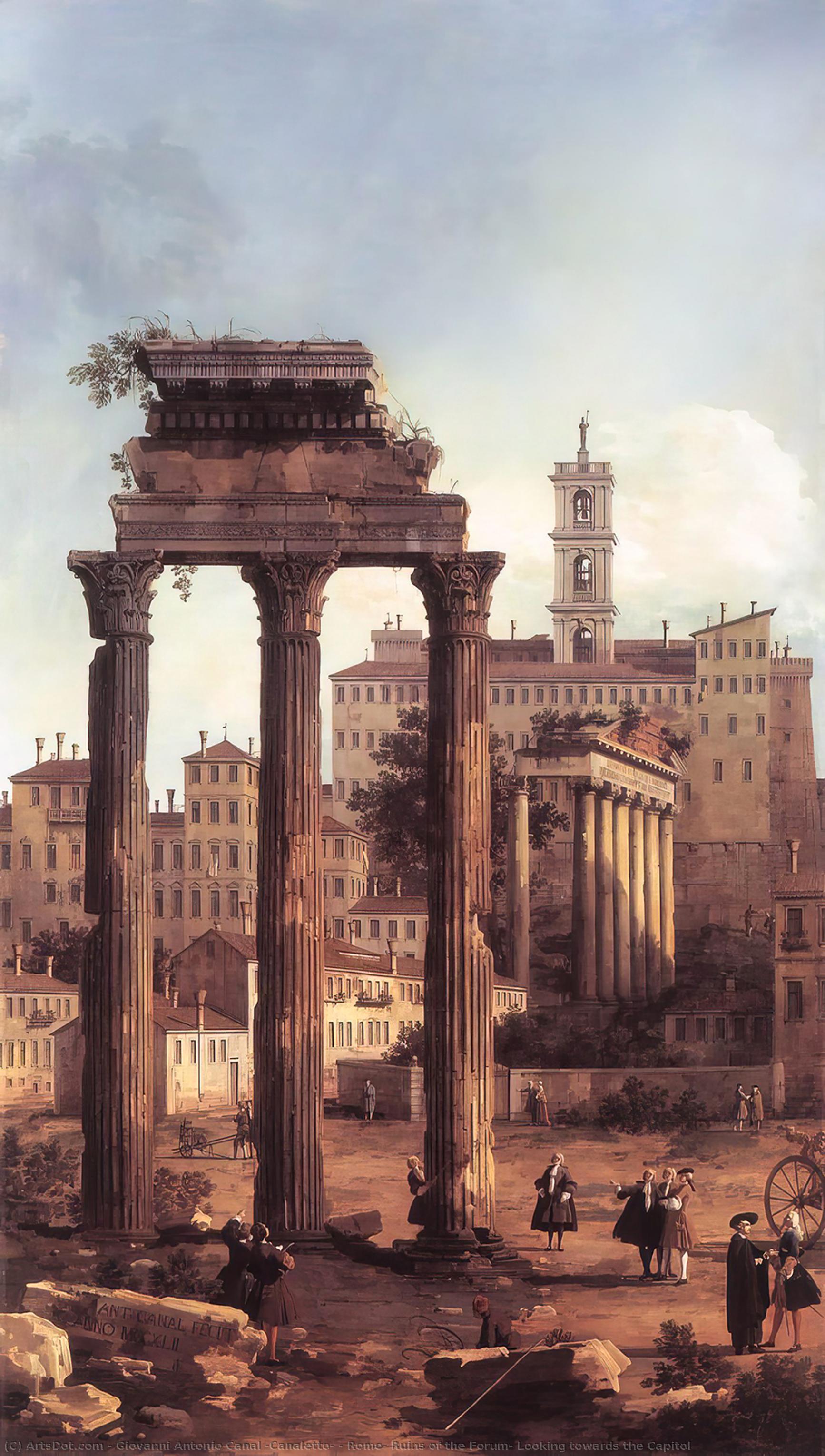
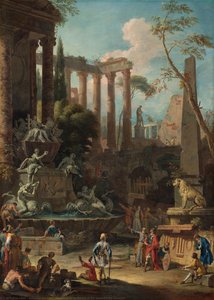
Rome: Ruins of the Forum, Looking towards the Capitol
 Oil On Canvas
- WallArt
- Romantic Style
 1742
1742 188.0 x 104.0 cm
 Royal Collection
 Read More
Purchase a high-resolution, enhanced digital image, far superior to the online preview.
Each file is meticulously prepared by our in-house specialists using advanced tools and expert manual retouching. We ensure every image has exceptional clarity, precise color accuracy, and fine detail.
The final file is delivered via email within 72 hours, optimized for immediate use in professional, editorial, and print environments. This is the same quality trusted by top-tier design studios, publishers, and galleries.
Digital Image
Download a high-resolution file for personal display, printing, and creative projects. ( Buy Print Buy Hand Made Painting)
Included in Every Digital Image Order
Expert Digital Delivery, Guaranteed
When you choose ArtsDot.com, you're not just getting an image - you're receiving a professionally enhanced digital artwork, crafted with precision and backed by a satisfaction guarantee. Here's everything that comes with your order, automatically:

Fast Email Delivery
Your high-resolution digital image file will be emailed to you within 72 hours of ordering - ready for immediate use.

AI-Enhanced Digital File
Your artwork is professionally optimized using advanced AI tools and manual editing, ensuring maximum detail, clarity, and color accuracy.

Free Lifetime Re-Delivery
Accidentally deleted or lost your file? No worries - we'll resend it to you anytime, free of charge.

No Import Fees - Ever
Enjoy your artwork instantly with zero customs, duties, or delivery fees - digital downloads are always tax-free.

Color Accuracy Guarantee
We ensure your digital image reflects the original colors as closely as possible using professional tools and color management.

60-Day Satisfaction Guarantee
If you're not satisfied with your digital image, we'll revise it or refund 100% within 60 days - no questions asked.

100% Money-Back Guarantee
Not satisfied? Get a full refund within 60 days of receiving your digital file - no questions asked.

Bulk Order Discounts
Buy 3 images, save 10% - Buy 5, save 15% - Buy 10+, save 20%. Great for creative projects, galleries, and agencies.
Collectible Description
A Window into Ancient Rome: Canaletto's "Rome: Ruins of the Forum, Looking towards the Capitol"
Canaletto’s “Rome: Ruins of the Forum, Looking towards the Capitol,” painted in 1742, is more than a simple cityscape; it’s a meticulously crafted window into a pivotal moment in Rome's history and a testament to Canaletto’s mastery of topographical art. This remarkable work captures the city’s enduring grandeur as it transitioned from ancient ruins to a burgeoning modern metropolis, offering a poignant dialogue between past and present. The painting depicts the Roman Forum, a sprawling complex of temples, basilicas, and public spaces that once formed the heart of the Roman Empire, now partially in ruin but still radiating an aura of immense historical significance. The inclusion of figures – at least twelve individuals scattered throughout the scene – adds a crucial layer of narrative, suggesting a contemporary audience engaging with this ancient space; perhaps tourists marveling at the remnants of imperial power or locals reflecting on their city’s rich heritage.
Technique and Style: The Canaletto Method
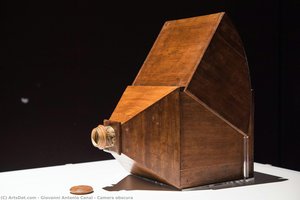
- Topographical Precision: Canaletto's signature style, honed over decades of meticulous observation, is immediately apparent. Every building, every column, every detail of the Forum’s ruins is rendered with astonishing accuracy. This wasn’t mere copying; it was a systematic process of measuring and sketching, often using a portable camera obscura to capture precise perspectives.
- Chiaroscuro Mastery: The artist skillfully employs chiaroscuro – the dramatic use of light and shadow – to create depth and volume within the scene. Light streams through the gaps in the ruins, illuminating key architectural features while casting long shadows that emphasize their scale and grandeur.
- Linear Perspective: Canaletto’s command of linear perspective is impeccable, drawing the viewer's eye into the receding depths of the Forum, creating a convincing illusion of space and distance.
Historical Context and Symbolism
Painted in 1742, this work reflects Rome’s position as a major European cultural and political center during the mid-18th century. The presence of modern elements – notably the parked carriages and figures – highlights the city's ongoing transformation. The ruins themselves are potent symbols: reminders of Rome’s imperial past, yet simultaneously offering a stage for contemporary life. The inclusion of horses further evokes classical imagery, connecting the present to the legacy of Roman power and military might. Canaletto was commissioned by various European courts, including that of King George III in England, demonstrating the widespread fascination with Italian art and architecture during this period.
Emotional Impact and Artistic Legacy
"Rome: Ruins of the Forum, Looking towards the Capitol" possesses a captivating emotional resonance. It evokes a sense of awe at the scale of ancient Rome, combined with a poignant awareness of its decline. The painting’s meticulous detail invites viewers to contemplate the passage of time and the enduring power of human endeavor. Canaletto's work profoundly influenced subsequent generations of landscape artists, particularly those interested in urban scenes and architectural representations. This reproduction offers an exceptional opportunity to own a piece of art history, bringing a touch of Roman grandeur into your home or office.
Related Artworks


Artist Biography
early life and training
giovanni antonio canal, commonly known as canaletto, was born on october 18, 1697, in venice, italy. he was the son of bernardo canal, a painter of theatrical scene settings, and artemisia barbieri. canaletto's early training in painting began with his father, who taught him the fundamentals of art.
the making of a master
in 1718, canaletto traveled to rome, where he worked on producing scenery for two operas by alessandro scarlatti. this experience had a profound impact on his development as an artist. upon returning to venice, canaletto began painting in his signature topographical style, which would eventually make him famous.
notable works and collaborations
some of canaletto's most notable works include:
- the stonemason's yard (c. 1725), a masterpiece showcasing his early skill.
- regatta on the grand canal, a vivid depiction of venetian public ceremonies.
- eton college (1746-1756), a testament to his influence in england. collaboration with his nephew bellotto, who became an accomplished artist in his own right.
artistic style and technique
canaletto's use of precise perspective and meticulous preparatory drawings has led some experts to believe he may have employed a camera obscura for topographical accuracy. however, his primary concern remained the compositional design, ensuring his works were not merely accurate recordings but also visually stunning.
legacy and collections
canaletto's work can be found in various museums, including the national gallery, london, which showcases his influence on 18th-century art. his legacy extends to the numerous artists he inspired, cementing his place as a master of venetian landscapes.
- view canaletto's works at https://ArtsDot.com/@/giovanni-antonio-canal
- explore more about canaletto on wikipedia
- discover the beauty of venetian art at the palumbo-fossati collection (venice, italy)
key dates
- october 18, 1697: born in venice, italy
- 1718: traveled to rome
- 1725: painted the stonemason's yard
- 1746-1756: visited england, painting notable works like eton college
- april 19, 1768: passed away in venice, italy
remember to explore the world of art at https://ArtsDot.com for more biographies and artworks.
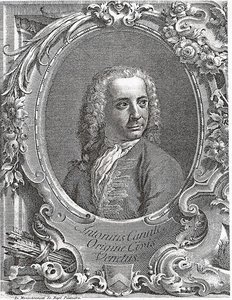
Canaletto
1697 - 1768 , Italy
Quick Facts
- Artistic Movement Or Style: Vedute Venice
- Artists Or Movements Influenced By This Artist: ['Tintoretto']
- Artists Who Influenced This Artist: ['Giovanni Paolo Pannini']
- Date Of Birth: October 18, 1697
- Date Of Death: April 19, 1768
- Full Name: Giovanni Antonio Canal
- Nationality: Italian
- Notable Artworks:
- The Stonemason's Yard
- Regatta on the Grand Canal
- Eton College
- Place Of Birth: Venice, Italy

