 Preview
 Send
Send Share
Share
 Details

 Download
 Similars
 X-Ray
X-Ray Diaporama
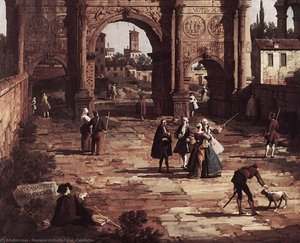
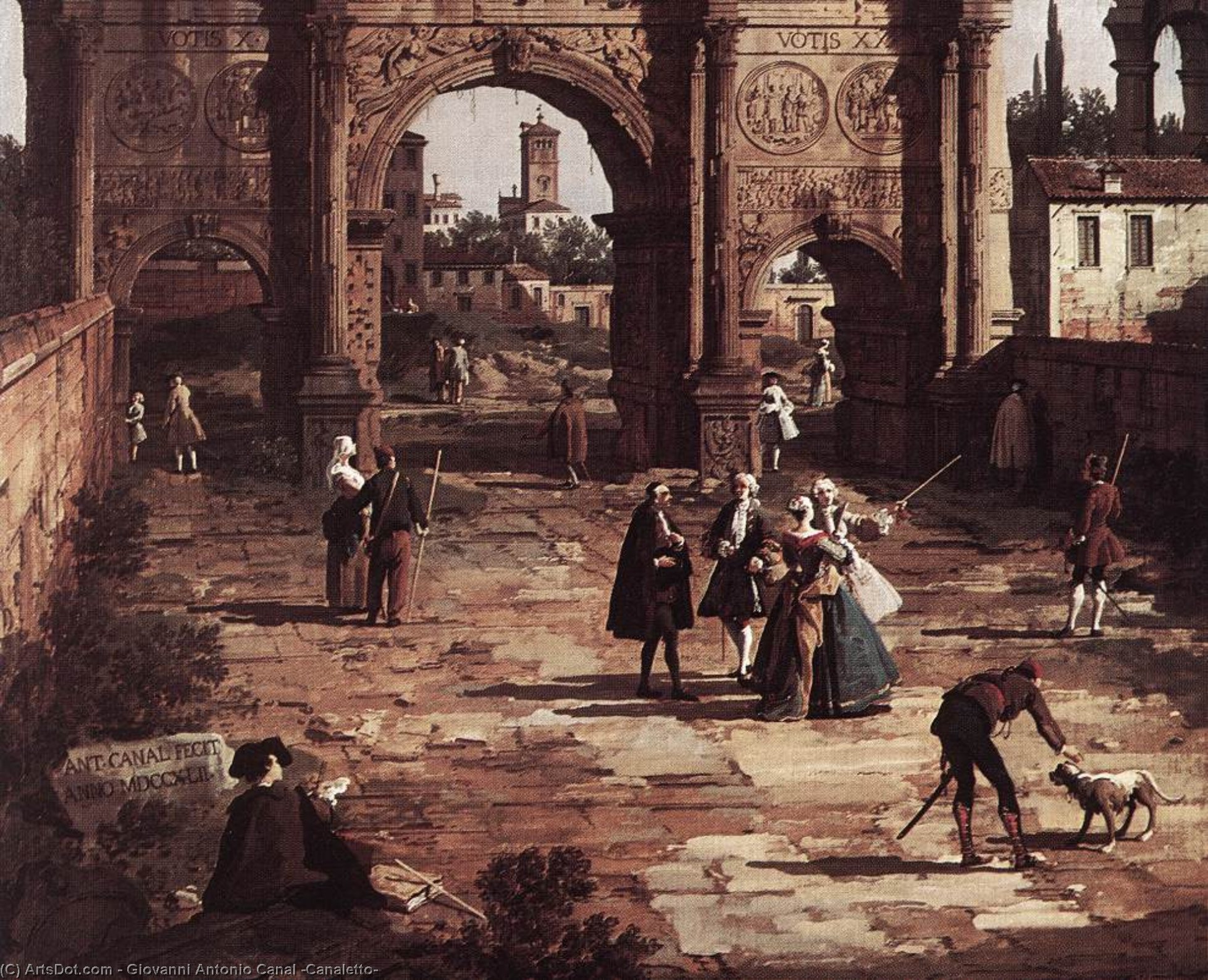
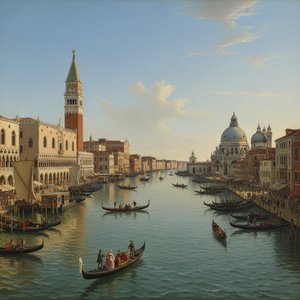
Rome: The Arch of Constantine (detail)


 Read More
Giclée / Art Print
Museum-quality giclée or canvas print with fast production and flexible finish options. ( Buy Hand Made Painting Buy Image)




P118B $10

P118H $10

P118W $10

P438Z $10

P508JH $12

P508YH $12

P805H $10

P805Z $10

P919BZ $10

P919G $10

P919XJ $10

P959ZH $10

P968JZ $12

W106C $8

W218G $10

W218JH $8

W218Y $10

W307PJ $10

W316G $10

W316PJ $8

W316Y $10

W398PJ $8

W4111J $10

W500HY $15

W500JH $15

W692G $12

W849H $8

W940BG $15

W953PJ $8




Pick from our preset sizes that match the artwork's original proportions.

You may enter your own dimensions to fit a specific frame or space. If your selected size does not match the original image's proportions, we will either crop the artwork or extend the image with a mirrored or solid-fill edge. A digital mockup will be sent for your approval before production begins.
Please note that the on-screen preview does not reflect the actual cropping or extension. Only the mockup will accurately show the final composition.
While custom sizes are available, we recommend selecting a dimension from the predefined list to preserve the original proportions.
Worldwide Delivery () in 2 weeks instead of standard 4/5 weeks. (16 August)

Free Worldwide Express Shipping

High-Quality Linen Canvas

Full Shipping Insurance

Customs Tax Refund Guarantee

True Color Matching Guarantee

60-Day Return Policy (Defects Only)

100% Money-Back Guarantee

Bulk Discount Offer
 Glass option is only available in size under 110 CM

Rome: The Arch of Constantine (detail)
Giclée / Art Print
Reproduction Size
-


Total Price
$ 63
Collectible Description
A Window Into Roman Grandeur: Canaletto’s Detailed Vision of Constantine’s Arch
Giovanni Antonio Canaletto, known universally as Canaletto, stands as one of the most celebrated Venetian painters of the Baroque era, renowned for his exquisitely rendered topographical views that captured the essence of European cities with unparalleled accuracy and beauty. His masterpiece, “Rome: The Arch of Constantine (detail),” painted in 1742, offers a captivating glimpse into the grandeur of imperial Rome during the reign of Emperor Constantine I – a pivotal moment in Christian history and architectural achievement. This painting isn’t merely a depiction; it's an immersive experience for the viewer, transporting them back to a time when Roman power was still palpable.The Style and Technique: Canaletto’s Signature Approach
Canaletto’s distinctive style—characterized by meticulous observation and painstaking execution—is immediately apparent in this detailed fragment. Unlike many of his contemporaries who favored dramatic theatricality, Canaletto prioritized realism, employing a technique that combined sfumato (subtle blending of tones) with precise hatching to convey texture and depth. The artist meticulously recreated the architectural elements of the archway – the weathered stone blocks, the ornate carvings adorning its surface, and the interplay of light and shadow—creating an illusionistic space that feels remarkably authentic. His use of muted colors—primarily ochres, browns, and creams—reinforced this sense of realism, mirroring the palette favored by Venetian painters during his time. The artist’s mastery lies in capturing not just what is seen but also how it *feels*, conveying a palpable atmosphere of civic pride and imperial majesty.Historical Context: Constantine's Triumph and Architectural Legacy
The Arch of Constantine commemorates Constantine’s victory over Maxentius at the Battle of Milvian Bridge in 312 AD, marking the decisive moment when Christianity ascended to prominence within the Roman Empire. Prior to this event, Rome was largely pagan, dominated by imperial cult worship. Constantine's conversion dramatically reshaped religious and political landscapes, initiating a period of tolerance for Christians and ultimately establishing Constantinople as the new capital – a testament to his vision for a unified empire embracing both faiths. Canaletto’s depiction captures this transformative era, reflecting the burgeoning influence of Christianity on Roman culture and architecture. The arch itself stands as a symbol of imperial power and divine favor, embodying the ambition of Constantine to solidify Rome's position as the center of Christendom.Symbolism Beyond Aesthetics: Capturing the Spirit of an Age
Beyond its technical brilliance, “Rome: The Arch of Constantine” resonates with deeper symbolic meanings. The archway represents permanence and stability – qualities highly valued by Roman rulers who sought to ensure their legacy endured through monumental structures. Furthermore, the bustling square surrounding the arch symbolizes the vibrant life of Rome during Constantine’s reign—a city teeming with activity, commerce, and civic engagement. Canaletto's careful composition directs the viewer's gaze upwards towards the arch, emphasizing its importance as a focal point of imperial grandeur and spiritual significance. The inclusion of figures walking through the square underscores the human element within this historical narrative – ordinary citizens experiencing the majesty of their rulers’ achievements.Emotional Impact: An Invitation to Contemplate Roman History
Ultimately, Canaletto's painting transcends mere visual representation; it evokes a profound emotional response in the viewer. The serene beauty of the scene combined with the meticulous detail invites contemplation about the passage of time and the enduring power of art to capture moments of historical significance. It’s an image that speaks to our fascination with grand narratives, architectural marvels, and the transformative forces shaping civilizations. Like gazing upon a fragment of eternity, “Rome: The Arch of Constantine” compels us to consider not only what was seen but also what it meant – a celebration of Roman triumph and a testament to Canaletto’s unparalleled ability to convey both visual splendor and intellectual depth.Related Artworks

Artist Biography
early life and training
giovanni antonio canal, commonly known as canaletto, was born on october 18, 1697, in venice, italy. he was the son of bernardo canal, a painter of theatrical scene settings, and artemisia barbieri. canaletto's early training in painting began with his father, who taught him the fundamentals of art.
the making of a master
in 1718, canaletto traveled to rome, where he worked on producing scenery for two operas by alessandro scarlatti. this experience had a profound impact on his development as an artist. upon returning to venice, canaletto began painting in his signature topographical style, which would eventually make him famous.
notable works and collaborations
some of canaletto's most notable works include:
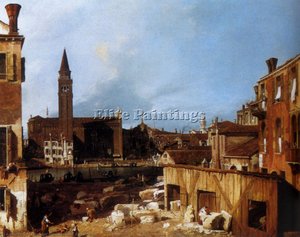
- the stonemason's yard (c. 1725), a masterpiece showcasing his early skill.
- regatta on the grand canal, a vivid depiction of venetian public ceremonies.
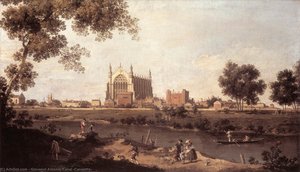
- eton college (1746-1756), a testament to his influence in england. collaboration with his nephew bellotto, who became an accomplished artist in his own right.
artistic style and technique
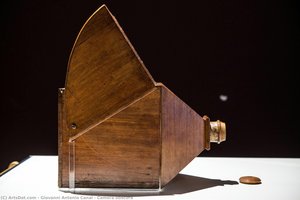
canaletto's use of precise perspective and meticulous preparatory drawings has led some experts to believe he may have employed a camera obscura for topographical accuracy. however, his primary concern remained the compositional design, ensuring his works were not merely accurate recordings but also visually stunning.
legacy and collections
canaletto's work can be found in various museums, including the national gallery, london, which showcases his influence on 18th-century art. his legacy extends to the numerous artists he inspired, cementing his place as a master of venetian landscapes.
- view canaletto's works at https://ArtsDot.com/@/giovanni-antonio-canal
- explore more about canaletto on wikipedia
- discover the beauty of venetian art at the palumbo-fossati collection (venice, italy)
key dates
- october 18, 1697: born in venice, italy
- 1718: traveled to rome
- 1725: painted the stonemason's yard
- 1746-1756: visited england, painting notable works like eton college
- april 19, 1768: passed away in venice, italy
remember to explore the world of art at https://ArtsDot.com for more biographies and artworks.
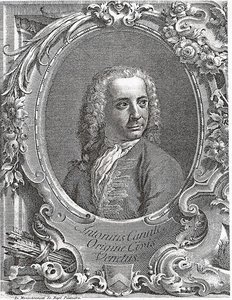
Canaletto
1697 - 1768 , Italy
Quick Facts
- Artistic Movement Or Style: Vedute Venice
- Artists Or Movements Influenced By This Artist: ['Tintoretto']
- Artists Who Influenced This Artist: ['Giovanni Paolo Pannini']
- Date Of Birth: October 18, 1697
- Date Of Death: April 19, 1768
- Full Name: Giovanni Antonio Canal
- Nationality: Italian
- Notable Artworks:
- The Stonemason's Yard
- Regatta on the Grand Canal
- Eton College
- Place Of Birth: Venice, Italy
Related Articles
Giovanni Antonio Canal (Canaletto): A Venetian Master of Light, Space & Societal Observation
Explore the life & art of Giovanni Antonio Canal (Canaletto), a Venetian master renowned for his breathtaking cityscapes. Discover his techniques, legacy, and captivating depictions of 18th-century Venice & London.

Baroque Drama: Bringing Opulence & Emotion into Contemporary Interiors
Explore the opulent world of Baroque interior design! Discover key elements, modern applications & how to bring dramatic elegance into your home with 's authentic reproductions.

The Dramatic Flourish: Exploring the Baroque Movement's Enduring Legacy in Art History
Explore the dramatic world of Baroque art! Discover iconic artists like Caravaggio & Rubens, defining techniques, and its lasting impact on art history. Expert insights for collectors & enthusiasts at ArtsDot.

Baroque Masterpieces: 10 Paintings That Defined an Era |
Journey through the drama & grandeur of Baroque art! Explore 10 masterpieces by Caravaggio, Rembrandt, Rubens & more. Discover stunning oil paintings, rich colors & timeless stories. Find museum-quality reproductions at .

Jacopo Tintoretto's Masterpieces: 25 Paintings That Define Venetian Drama | ArtsDot
Explore 25 breathtaking masterpieces by Jacopo Tintoretto, the Venetian master of drama and light. Discover the stories behind iconic Renaissance paintings & find museum-quality art reproductions to elevate your home decor on ArtsDot.com.