 Preview
 Send
Send Share
Share
 Details

 Download
 Similars
 X-Ray
X-Ray Diaporama
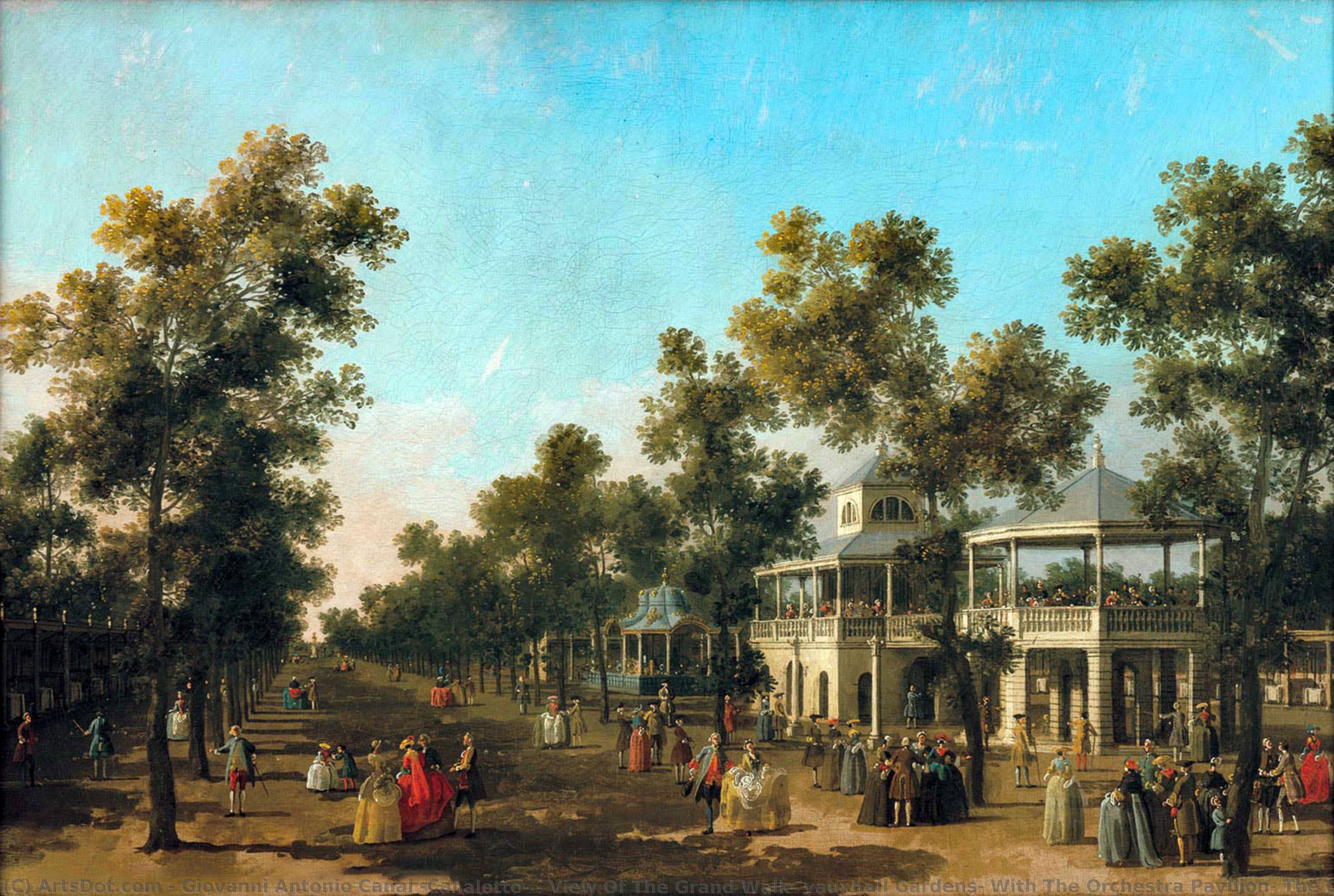
View Of The Grand Walk, vauxhall Gardens, With The Orchestra Pavilion, The Organ House, The Turkish Dining Tent And The Statue Of Aurora

 Read More
Giclée / Art Print
Museum-quality giclée or canvas print with fast production and flexible finish options. ( Buy Hand Made Painting Buy Image)




P118B $10

P118H $10

P118W $10

P438Z $10

P508JH $12

P508YH $12

P805H $10

P805Z $10

P919BZ $10

P919G $10

P919XJ $10

P959ZH $10

P968JZ $12

W106C $8

W218G $10

W218JH $8

W218Y $10

W307PJ $10

W316G $10

W316PJ $8

W316Y $10

W398PJ $8

W4111J $10

W500HY $15

W500JH $15

W692G $12

W849H $8

W940BG $15

W953PJ $8




Pick from our preset sizes that match the artwork's original proportions.

You may enter your own dimensions to fit a specific frame or space. If your selected size does not match the original image's proportions, we will either crop the artwork or extend the image with a mirrored or solid-fill edge. A digital mockup will be sent for your approval before production begins.
Please note that the on-screen preview does not reflect the actual cropping or extension. Only the mockup will accurately show the final composition.
While custom sizes are available, we recommend selecting a dimension from the predefined list to preserve the original proportions.
Worldwide Delivery () in 2 weeks instead of standard 4/5 weeks. (16 August)

Free Worldwide Express Shipping

High-Quality Linen Canvas

Full Shipping Insurance

Customs Tax Refund Guarantee

True Color Matching Guarantee

60-Day Return Policy (Defects Only)

100% Money-Back Guarantee

Bulk Discount Offer
 Glass option is only available in size under 110 CM

View Of The Grand Walk, vauxhall Gardens, With The Orchestra Pavilion, The Organ House, The Turkish Dining Tent And The Statue Of Aurora
Giclée / Art Print
Reproduction Size
-


Total Price
$ 63
Collectible Description
A Window into Georgian London: Canaletto’s Capture of Vauxhall Gardens
Giovanni Antonio Canaletto, universally known as Canaletto, stands as a cornerstone of Venetian topographical painting and arguably one of the most influential artists of the Enlightenment. His meticulous depictions of urban landscapes—particularly his series documenting London during the reign of George II—continue to resonate with audiences today, offering not merely visual records but profound insights into the social fabric and aesthetic sensibilities of the era. This particular canvas, “View of the Grand Walk, Vauxhall Gardens,” exemplifies Canaletto’s unparalleled ability to convey atmosphere and detail, cementing his legacy as a master of illusionistic painting.The Scene: A Celebration of Public Life
Painted in 1751, this artwork transports us back to Vauxhall Gardens, one of London's most fashionable entertainment venues during the mid-18th century. The garden itself was conceived as an antidote to the grime and congestion of the city—a meticulously landscaped oasis designed for aristocratic leisure and social mingling. Canaletto skillfully captures this vibrant scene: elegantly dressed figures stroll along the Grand Walk, pausing to admire the ornate Orchestra Pavilion and the Organ House. Scattered umbrellas provide a realistic touch, reflecting the practical concerns alongside the aspirational ideals of the time. The inclusion of the Turkish Dining Tent speaks to the exotic tastes prevalent in London society, highlighting Canaletto’s keen observation of cultural trends.Technique and Style: Mastering Illusionism
Canaletto's technique is characterized by a masterful command of chiaroscuro—the dramatic interplay between light and shadow—a hallmark of Venetian painting traditions that he adopted wholeheartedly during his time in England. He employed thin, translucent layers of paint (glazes) applied over preparatory underdrawings to achieve remarkable luminosity and depth. The artist’s meticulous attention to detail is evident in every brushstroke, from the textured surfaces of the buildings to the subtle reflections on the water's surface. Canaletto’s approach prioritized creating an illusion of reality—a technique that distinguishes him from earlier painters who favored flatter compositions.Historical Context: Vauxhall Gardens and Georgian Aesthetics
Vauxhall Gardens represented more than just a pleasant pastime; it embodied the broader aesthetic values of Georgian England – restraint, elegance, and a fascination with natural beauty tempered by artificial embellishment. Canaletto’s depiction aligns perfectly with this cultural climate, reflecting the desire to portray grandeur without ostentation. The garden's popularity underscored the importance of public spaces in fostering social interaction and disseminating ideas—themes central to Enlightenment thought. Viewing this painting offers a glimpse into how artists sought to capture not just what was seen but also what was felt – a profound appreciation for beauty and order amidst the complexities of urban life.Symbolism: Light, Order, and Reflection
Beyond its visual splendor, “View of the Grand Walk” carries symbolic weight. The pervasive use of light—particularly diffused sunlight—creates an atmosphere of serenity and optimism, mirroring the philosophical currents of the period. Canaletto’s careful composition emphasizes order and balance, reflecting the Georgian preoccupation with rationality and decorum. Furthermore, the reflections in the pond serve as a visual metaphor for contemplation and introspection – inviting viewers to consider not only what is present but also what lies beneath the surface.Related Artworks
Artist Biography
early life and training
giovanni antonio canal, commonly known as canaletto, was born on october 18, 1697, in venice, italy. he was the son of bernardo canal, a painter of theatrical scene settings, and artemisia barbieri. canaletto's early training in painting began with his father, who taught him the fundamentals of art.
the making of a master
in 1718, canaletto traveled to rome, where he worked on producing scenery for two operas by alessandro scarlatti. this experience had a profound impact on his development as an artist. upon returning to venice, canaletto began painting in his signature topographical style, which would eventually make him famous.
notable works and collaborations
some of canaletto's most notable works include:
- the stonemason's yard (c. 1725), a masterpiece showcasing his early skill.
- regatta on the grand canal, a vivid depiction of venetian public ceremonies.
- eton college (1746-1756), a testament to his influence in england. collaboration with his nephew bellotto, who became an accomplished artist in his own right.
artistic style and technique
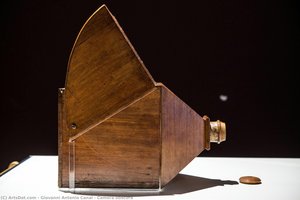
canaletto's use of precise perspective and meticulous preparatory drawings has led some experts to believe he may have employed a camera obscura for topographical accuracy. however, his primary concern remained the compositional design, ensuring his works were not merely accurate recordings but also visually stunning.
legacy and collections
canaletto's work can be found in various museums, including the national gallery, london, which showcases his influence on 18th-century art. his legacy extends to the numerous artists he inspired, cementing his place as a master of venetian landscapes.
- view canaletto's works at https://ArtsDot.com/@/giovanni-antonio-canal
- explore more about canaletto on wikipedia
- discover the beauty of venetian art at the palumbo-fossati collection (venice, italy)
key dates
- october 18, 1697: born in venice, italy
- 1718: traveled to rome
- 1725: painted the stonemason's yard
- 1746-1756: visited england, painting notable works like eton college
- april 19, 1768: passed away in venice, italy
remember to explore the world of art at https://ArtsDot.com for more biographies and artworks.
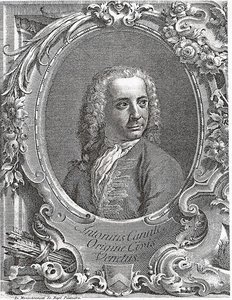
Canaletto
1697 - 1768 , Italy
Quick Facts
- Artistic Movement Or Style: Vedute Venice
- Artists Or Movements Influenced By This Artist: ['Tintoretto']
- Artists Who Influenced This Artist: ['Giovanni Paolo Pannini']
- Date Of Birth: October 18, 1697
- Date Of Death: April 19, 1768
- Full Name: Giovanni Antonio Canal
- Nationality: Italian
- Notable Artworks:
- The Stonemason's Yard
- Regatta on the Grand Canal
- Eton College
- Place Of Birth: Venice, Italy
Related Articles
Giovanni Antonio Canal (Canaletto): A Venetian Master of Light, Space & Societal Observation
Explore the life & art of Giovanni Antonio Canal (Canaletto), a Venetian master renowned for his breathtaking cityscapes. Discover his techniques, legacy, and captivating depictions of 18th-century Venice & London.
Cultivating Paradise: A Historical & Artistic Exploration of Gardens in Painting
Explore the rich history of gardens in painting! Discover masterpieces from Renaissance to Impressionism & beyond. Learn about symbolism, artists like Monet & Klimt, and find your perfect artwork at ArtsDot.

Jacopo Tintoretto's Masterpieces: 25 Paintings That Define Venetian Drama | ArtsDot
Explore 25 breathtaking masterpieces by Jacopo Tintoretto, the Venetian master of drama and light. Discover the stories behind iconic Renaissance paintings & find museum-quality art reproductions to elevate your home decor on ArtsDot.com.
Pietro Longhi's Venetian Scenes: A Study of Rococo Society & Domestic Life
Explore the captivating world of Pietro Longhi's Venetian scenes! Discover insightful analysis of his Rococo masterpieces & social commentary on 18th-century life. Learn about this 'Venetian Hogarth' and his lasting artistic legacy.
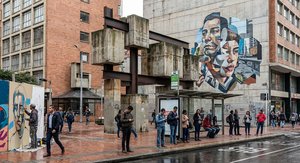
Concrete Narratives: Exploring Urban Life in Modern & Contemporary Art
Explore the evolution of cityscape painting with ArtsDot. Discover key artists from Realism to contemporary movements & invest in timeless urban visions. Expert guidance, museum-quality reproductions.